In the United States, water is often treated as a commodity rather than a fundamental human right. For millions of low-income families, the escalating cost of water and wastewater services has created a silent crisis, forcing difficult choices between keeping the taps running and paying for rent, medicine, or food. As the temporary protections established during the COVID-19 pandemic sunset in 2024, a new legislative push—the Water Access and Affordability Act—has emerged as a potential lifeline for the nation’s most vulnerable populations.
The Genesis of a Crisis: From LIHWAP to Permanent Reform
The Low-Income Household Water Assistance Program (LIHWAP) was a landmark federal initiative born out of necessity during the 2021 pandemic. It provided a much-needed buffer for households struggling to pay their water bills, preventing widespread shutoffs during a period of national emergency. However, LIHWAP was explicitly designed as a temporary stopgap measure.
When the program concluded in 2024, the structural issues—aging infrastructure, rising operational costs, and the lack of a standardized federal framework for water affordability—remained unaddressed. The expiration of LIHWAP left a void, prompting a coalition of advocates and lawmakers to draft the Water Access and Affordability Act. This proposed legislation is not merely a resuscitation of the old program; it is a holistic reimagining of how the federal government interacts with local water utilities to ensure that basic sanitation remains accessible to all citizens, regardless of socioeconomic status.
Core Provisions: A Holistic Approach to Water Security
The Water Access and Affordability Act moves beyond simple subsidies. It proposes a multifaceted regulatory and financial framework designed to tackle the root causes of the affordability crisis.
Protecting Consumers from Predatory Practices
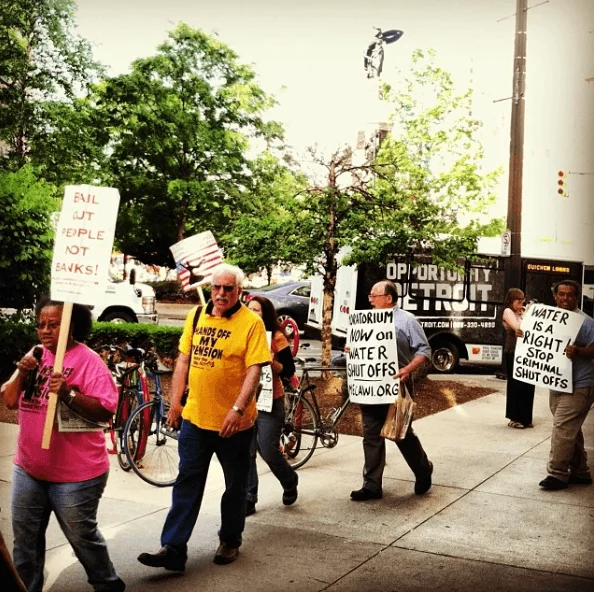
A cornerstone of the legislation is its aggressive stance on consumer protections. Under the proposed bill, water utilities receiving federal support would be strictly prohibited from disconnecting water services for households currently enrolled in assistance programs. This provision recognizes that water access is a prerequisite for public health and dignity.
Furthermore, the bill seeks to end the cycle of "debt traps" by mandating the elimination of excessive fees and charges associated with late payments, unpaid bills, service initiation, or the restoration of service after a disconnection. Advocates argue that these fees disproportionately penalize families already in financial distress, turning a manageable debt into an insurmountable financial burden.
Institutionalizing Community Oversight
Recognizing that water management is inherently local, the Act introduces the concept of Community Advisory Committees within each EPA region. These committees would serve as a bridge between federal policy and local reality, ensuring that those most impacted by water affordability issues have a seat at the table. By providing advice and recommendations on program implementation, these committees would help customize federal mandates to meet the specific demographic and economic needs of various regions, from rural municipalities to dense urban centers.
Chronology of the Legislative Push
- 2021: The Low-Income Household Water Assistance Program (LIHWAP) is launched as part of the federal pandemic response, distributing billions in aid to help households manage water and wastewater arrears.
- 2023: As the sunset date for LIHWAP approaches, water justice advocates begin lobbying for a permanent successor to the program, citing the continued financial strain on low-income families.
- Early 2024: The Water Access and Affordability Act is introduced in the House of Representatives, aiming to codify long-term federal support for water affordability.
- April 16, 2024: A public update reveals the growing list of congressional co-sponsors, signaling momentum in the House.
- Present: Advocates continue to press for the bill’s advancement, emphasizing the urgency of the post-LIHWAP landscape.
Supporting Data: Why Affordability Matters
The necessity of this legislation is grounded in sobering statistics. According to various reports from the American Water Works Association and the EPA, the cost of water and sewer services has outpaced inflation for nearly two decades. This trend is driven by the urgent need to replace lead-lined pipes, modernize aging wastewater treatment plants, and address contamination issues such as PFAS.
For a family living at or below the poverty line, a utility bill that once represented 1% or 2% of their monthly income may now consume 10% or more. This "affordability gap" is a major driver of public health disparities. When families cannot afford water, they are forced to rely on bottled water for drinking and cooking, or they are forced to live in homes without adequate sanitation. The downstream costs—including increased public health spending and the social costs of displacement—far outweigh the investment required to fund a national affordability program.
Official Responses and Political Momentum
The legislative effort is currently spearheaded by a diverse coalition of representatives who argue that water security is a matter of national security. As of April 16, 2024, the list of co-sponsors includes Representatives Tlaib, Dingell, Cleaver (MO), DeLuzio (PA), Gomez (CA), Huffman (CA), Jacobs (CA), Jayapal (WA), Lee (PA), Mullin (CA), Norton (D.C.), Ramirez (IL), Thanedar (MI), Velázquez (NY), and Garzia (IL).
Supporters of the bill emphasize that the bipartisan nature of water infrastructure needs is a key opportunity for further growth. While the current list of sponsors is heavily represented by the Democratic caucus, the bill’s focus on infrastructure efficiency and reducing the administrative burden on municipalities is designed to appeal to broader interests. Critics, however, point to the fiscal challenges of creating a permanent federal entitlement program, leading to ongoing debates in committee regarding the appropriate funding mechanisms.
Implications: A New Era for Public Utilities?
If enacted, the Water Access and Affordability Act would represent the most significant federal intervention in water utility management in modern history. The implications are far-reaching:
- Standardization of Rights: By creating federal protections against disconnections and excessive fees, the bill would set a national standard, preventing a "postcode lottery" where a resident’s access to water depends on the local utility’s specific, often punitive, policies.
- Economic Stabilization: By preventing the cycle of shutoffs and re-connection fees, the bill would act as an economic stabilizer, preventing families from falling into homelessness due to utility debt.
- Infrastructure Transparency: The creation of Community Advisory Committees would force a level of transparency on water utilities that has historically been lacking. This would hold local governments accountable for how they set rates and how they manage their infrastructure funds.
- Public Health Outcomes: Consistent, affordable access to water is the primary defense against the spread of disease. By guaranteeing this access, the bill would be one of the most effective public health measures in the country.
How to Get Involved
The path to passing the Water Access and Affordability Act requires sustained pressure from the public. Legislative momentum is rarely spontaneous; it is the result of thousands of constituents signaling to their representatives that this issue is a priority.
Advocacy groups have streamlined this process, providing accessible tools for citizens to contact their House Representatives. By sending a letter through platforms like the Action Network, constituents can urge their representatives to sign on as co-sponsors.
The current phase of the campaign is critical. With the LIHWAP safety net now firmly in the past, the window of opportunity to implement a permanent solution is narrowing. Supporters are encouraged to call their representatives’ local offices, attend town halls, and share the realities of water costs in their communities.
The fight for the Water Access and Affordability Act is more than just a debate over billing policies; it is a fight for the basic infrastructure of modern life. As the climate changes and water scarcity becomes a more pressing reality, the legal and moral framework we build today will determine who has access to the most essential resource on Earth tomorrow. Whether the bill gains the traction needed to cross the finish line remains to be seen, but the coalition behind it is clear: the era of ignoring the water affordability crisis must come to an end.