The global transition toward renewable energy is reaching a critical inflection point. As offshore wind farms expand in scale, complexity, and distance from shore, the industry is shifting its focus from initial construction to the long-term operational challenges of maintaining these massive assets. In a move to address these evolving requirements, Cadeler—the offshore wind service specialist—and energy giant Vattenfall Vindkraft have announced a strategic memorandum of understanding (MoU). This partnership, anchored by Cadeler’s dedicated service platform, Nexra, aims to redefine the standards for Operations and Maintenance (O&M) and Major Component Exchange (MCE) in the offshore wind sector.
The Strategic Imperative: Why O&M is the New Frontier
As the installed base of offshore wind turbines grows, both in quantity and technological maturity, the industry is encountering a "maintenance maturity" challenge. Early-stage wind farms are aging, while new-generation turbines are larger and located in more hostile maritime environments. Consequently, the ability to perform efficient, safe, and cost-effective maintenance has become a primary driver of the Levelized Cost of Energy (LCOE).
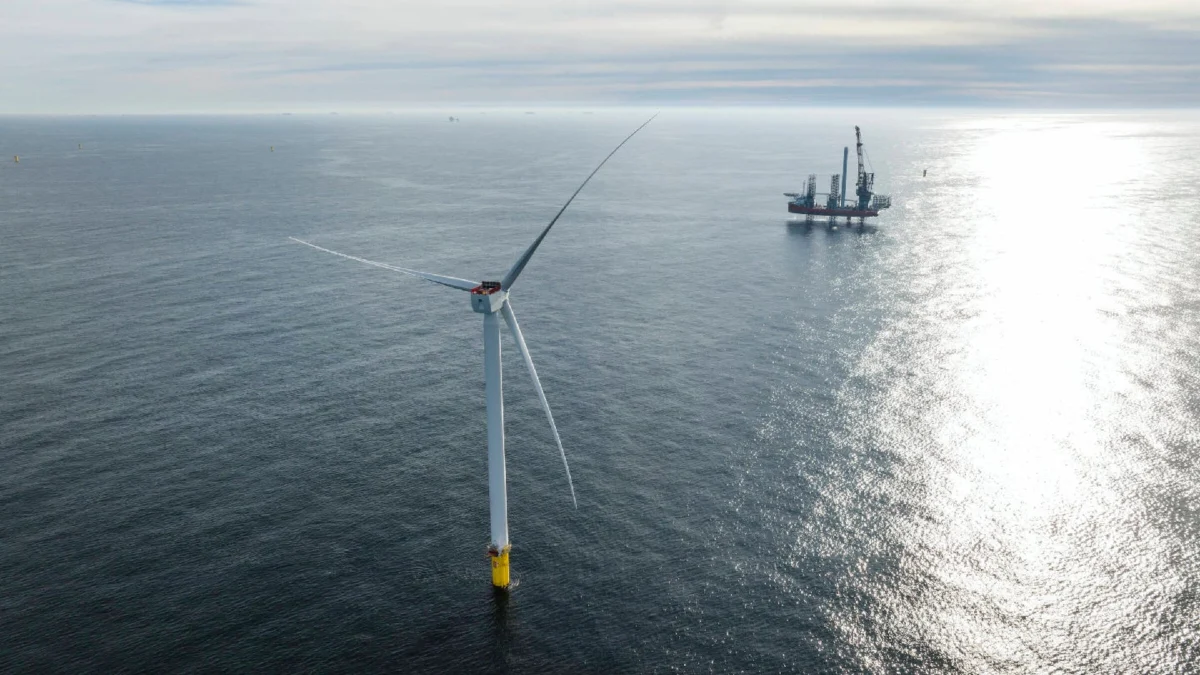
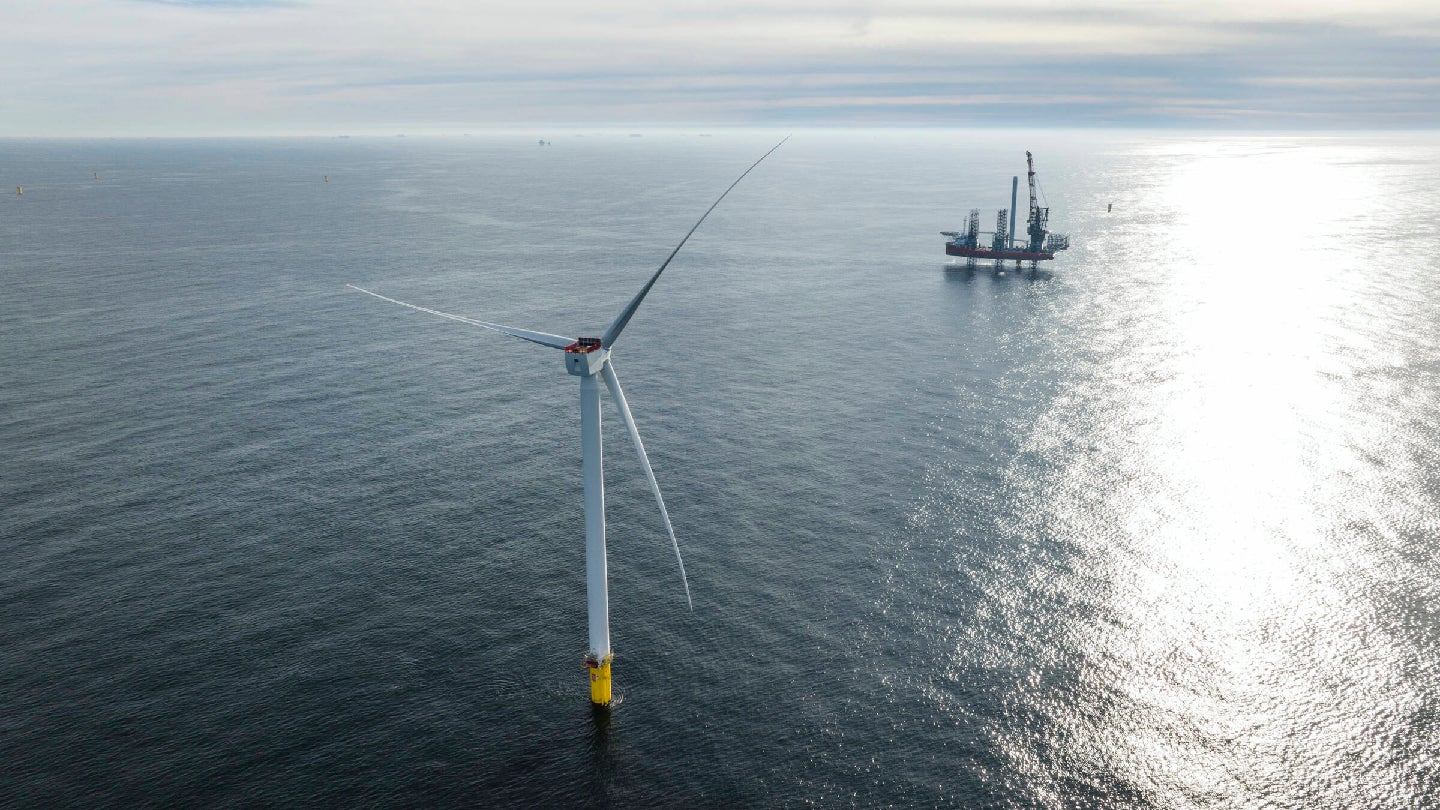
The collaboration between Cadeler and Vattenfall is specifically designed to tackle the logistical and technical hurdles associated with MCE—the process of replacing heavy turbine components such as gearboxes, blades, or generators. By merging their respective operational expertise, the companies intend to move away from reactive maintenance models toward proactive, scalable, and highly predictable service frameworks.
Chronology and Context: A History of Industry Advancement
The signing of this MoU is the latest chapter in a broader narrative of industrial consolidation and technical refinement within the wind sector.
- The Early Years of Offshore Wind: Initial offshore projects were characterized by smaller turbines and close-to-shore deployment, where maintenance was relatively straightforward.
- The Scaling Phase: As the industry moved into deeper waters, vessels were redesigned to handle the immense weight of modern turbines, leading to the rise of specialized firms like Cadeler.
- The Integration of Nexra: Cadeler’s development of the Nexra platform marked a strategic decision to focus on dedicated service logistics, ensuring that installation and maintenance work could be managed through a centralized, expert-driven infrastructure.
- The Recent Acquisition Surge: In a sign of Cadeler’s aggressive growth strategy, the company recently acquired Menck, a German leader in foundation installation technology, for $578.1 million. This acquisition solidified Cadeler’s position as a powerhouse, providing the capital and technical base required to enter high-level partnerships like the one now formed with Vattenfall.
Supporting Data: The Rising Need for Specialized MCE
The necessity for this collaboration is underpinned by the sheer scale of the global offshore wind pipeline. As of 2026, the global fleet of turbines is reaching an age where regular, intensive maintenance is no longer optional—it is a requirement for grid stability.
Market analysts observe that:
- Increased Component Failure Risk: As turbine components operate for 10–15 years, the probability of fatigue-related failures increases, necessitating advanced predictive diagnostics.
- Logistical Complexity: Replacing a 100-meter blade or a multi-ton gearbox in the middle of the North Sea requires specialized heavy-lift vessels and precision engineering, which are currently in high demand and limited supply.
- Cost Mitigation: O&M can account for up to 25–30% of the total life-cycle cost of an offshore wind farm. Any improvement in MCE efficiency—reducing the number of days a turbine is offline—translates to significant increases in revenue for operators and lower costs for consumers.
Official Perspectives: Aligning Vision with Execution
The collaboration brings together two distinct but complementary perspectives: Vattenfall’s viewpoint as a long-term asset owner and Cadeler’s expertise as a service-provider specialist.
Vattenfall’s Strategic Outlook
Pavlo Malyshenko, Head of Offshore Wind Generation at Vattenfall, emphasized that the future of the sector hinges on operational longevity. "The long-term competitiveness of offshore wind will depend not only on how we build projects but also on how effectively and efficiently we operate and maintain them over decades," Malyshenko noted. He highlighted that the partnership is a direct response to the need for "smarter approaches" that support safety, reliability, and ultimately, the affordability of fossil-free electricity.
Cadeler’s Technical Commitment
Jacob Christian Gregersen, Chief Growth Officer at Cadeler, echoed these sentiments, framing the partnership as a catalyst for innovation. "This collaboration gives us an opportunity to combine complementary expertise and explore new approaches to Main Component Exchange, helping shape more efficient and scalable O&M solutions for the assets of tomorrow," Gregersen stated. Through the Nexra platform, Cadeler aims to institutionalize these maintenance workflows, moving them from bespoke, project-based efforts to standardized industrial processes.
Implications for the Offshore Wind Sector
The implications of this MoU extend far beyond the two signatory companies. The industry as a whole stands to benefit from the "standardization of excellence" that this partnership aims to pioneer.
1. Enhanced Safety Standards
Offshore maintenance is inherently hazardous. By formalizing and refining MCE procedures, the partnership will likely develop new, safer protocols for crew transfers and heavy-lift operations, potentially setting a new benchmark that other players in the industry will be forced to adopt to remain competitive.
2. Scalability and Predictability
One of the major "pain points" for offshore wind investors is the unpredictability of maintenance schedules. By developing scalable methodologies, Cadeler and Vattenfall aim to provide better forecasting for asset owners, allowing them to optimize their financial models and energy output projections.
3. Technological Synergy
The integration of specialized knowledge—from Cadeler’s recent acquisition of Menck to Vattenfall’s extensive operational history—creates a closed-loop system of feedback. Insights gained during maintenance will be fed back into the design process for future projects, creating a virtuous cycle of design-for-maintenance that has long been a missing link in the offshore sector.
4. A Template for Future Alliances
This MoU serves as a blueprint for how energy developers and specialized maritime service providers can work together to lower the barrier to entry for offshore projects. If successful, this model could be replicated across other regions, such as the emerging offshore wind markets in the United States and the Asia-Pacific region, where the supply chain is still in its infancy.
Conclusion: Engineering a Sustainable Legacy
The collaboration between Cadeler and Vattenfall is more than a simple business agreement; it is a critical evolution of the offshore wind industry. By acknowledging that the "build" phase is only the beginning, these companies are positioning themselves to lead the "operate" phase, which will define the next three decades of energy production.
As the global community races toward net-zero targets, the reliability of offshore wind assets is paramount. Through this partnership, Cadeler and Vattenfall are working to ensure that the wind turbines currently spinning off our coasts remain not just monuments to engineering, but consistently productive sources of clean energy. As they continue to assess various maintenance solutions and their application across diverse environments, the industry will be watching closely—the findings from this alliance could well dictate the future of global offshore wind operational strategy.