The Finnish sports landscape witnessed a landmark event this summer as SM-viikko (The Finnish Championship Week) celebrated its tenth anniversary with unprecedented success. Hosted in the city of Espoo, the four-day extravaganza—held at the turn of July and August—not only reaffirmed its position as a cornerstone of the Finnish sporting calendar but also set a new benchmark for spectator engagement and national viewership. With over 18,000 visitors flocking to the venues in Leppävaara and Oittaa, the event proved that the appetite for diverse, accessible, and high-stakes athletic competition is stronger than ever.
A Showcase of Sporting Diversity: The Main Facts
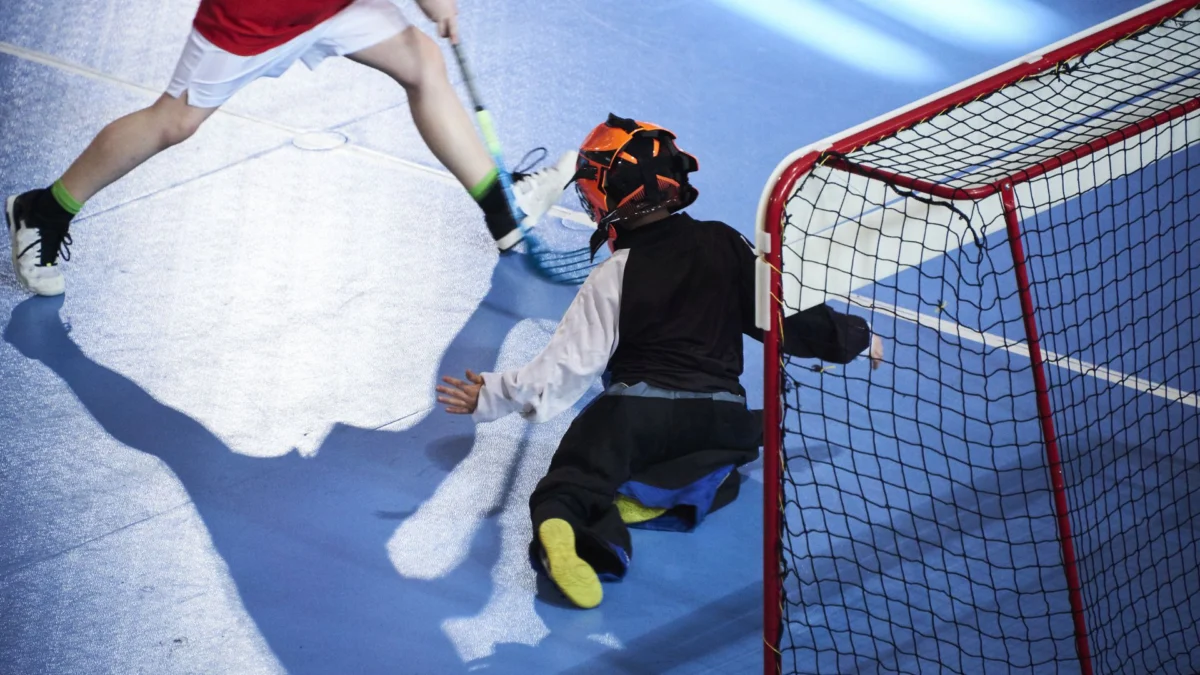
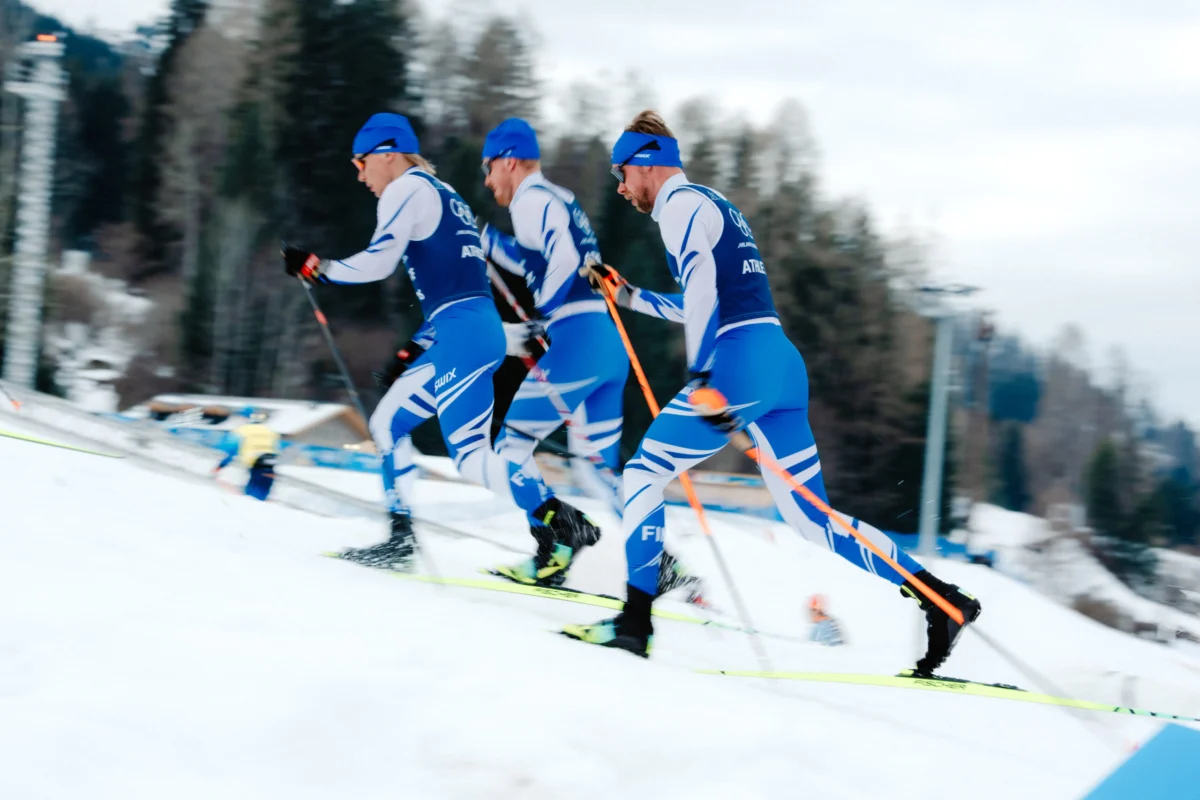
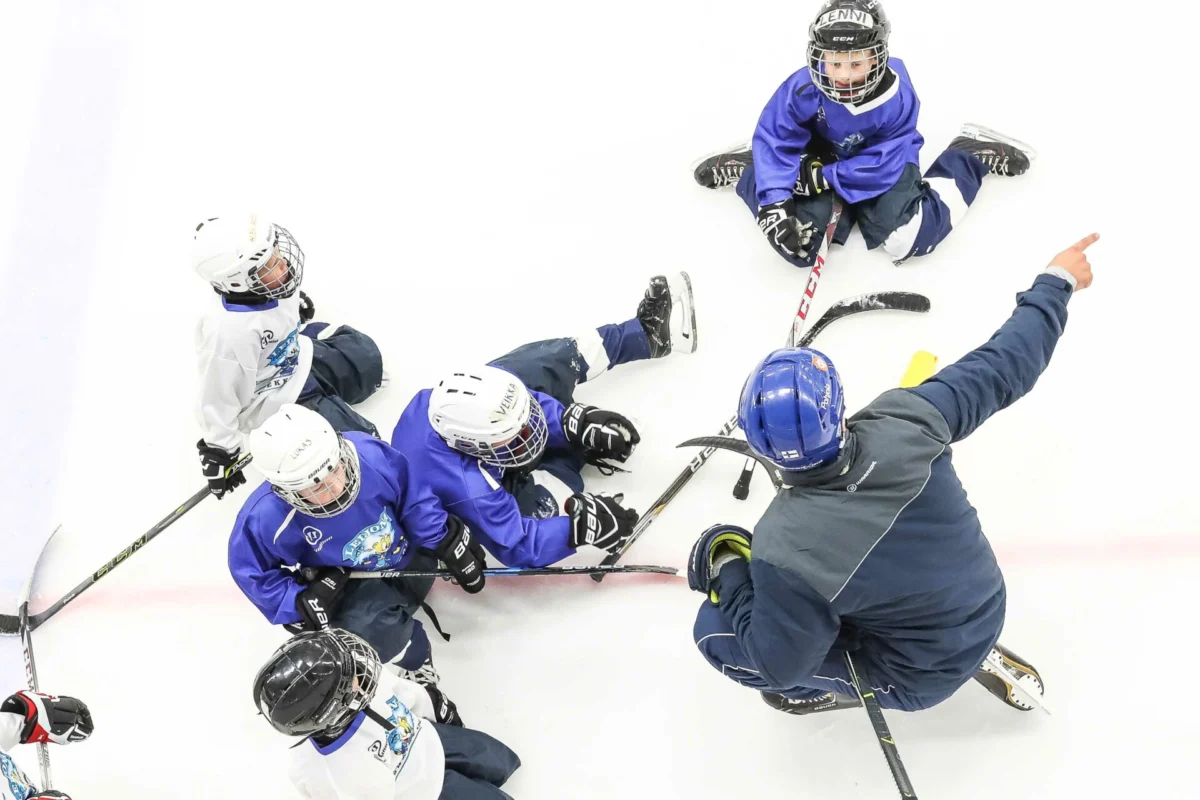
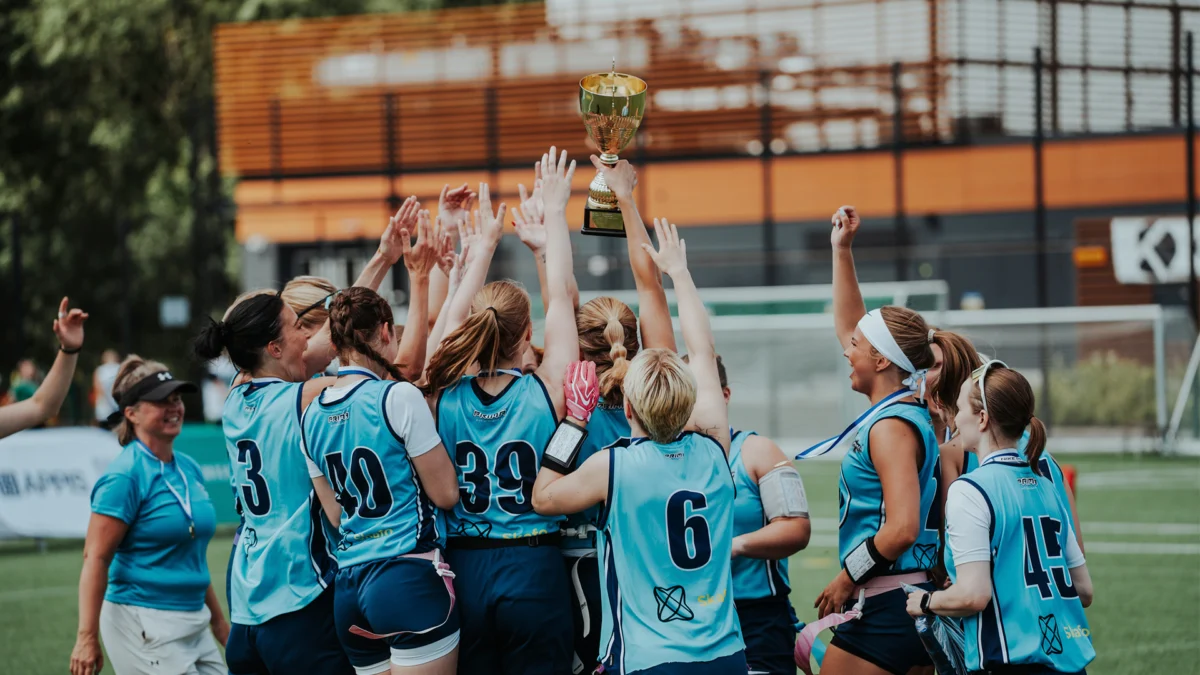
SM-viikko is a unique concept in the Finnish sporting world. Unlike traditional championships that occur in isolation, this event brings together 20 different disciplines under one umbrella, turning a host city into a massive, multi-sport arena. This year’s edition in Espoo was a logistical triumph, involving more than 3,000 athletes, an army of dedicated support staff, and hundreds of volunteers who ensured the seamless execution of events ranging from motorized paragliding and beach water polo to cricket and the rapidly growing sphere of e-sports.
The decision to host the event in the varied terrain of Espoo allowed for a wide spectrum of physical challenges. While the Leppävaara sports park served as the beating heart of the urban competitions, the Oittaa recreational area provided a picturesque backdrop for water-based and outdoor disciplines. The combination of these locations offered a comprehensive experience that catered to both hardcore sports enthusiasts and families looking for summer entertainment.
The Chronology of a Record-Breaking Weekend
The festivities began with a palpable sense of anticipation. As the opening ceremonies concluded, the four-day marathon of competition kicked off, immediately drawing large crowds to the various sectors of the city.
- Day 1 & 2: The initial phases focused on preliminary heats and the introduction of "niche" sports to the general public. These days were marked by high levels of audience participation, particularly in the "try-it-yourself" zones where spectators could step into the shoes of the athletes.
- Day 3: The intensity ramped up as qualifying rounds transitioned into medal deciders. The atmosphere in Leppävaara was electric, with the sound of cheering crowds providing a constant soundtrack to the weekend.
- Day 4: The final day culminated in some of the most anticipated events, including the triathlon and the traditional fan-favorite, truck pulling. By the time the closing ceremonies wrapped up, it was clear that the event had surpassed all expectations, marking the second consecutive year of record-breaking attendance.
Bridging the Gap: The Fan Experience
One of the most praised aspects of this year’s SM-viikko was the intentional design of the event spaces. Unlike international mega-events where spectators are often separated from the action by miles of security fencing, SM-viikko prioritizes intimacy.
"One of the particularly wonderful features of SM-viikko is the audience’s proximity to the actual athletic performances," noted Päivi Harri, the event’s lead producer. "In many sports, the audience could see the athletes’ expressions and gestures from very close range, and the officials nearby were eager to answer questions about the performances and the sports themselves."
This transparency fostered a learning environment that moved beyond mere spectating. The decision to allow members of the public to test the sports they were watching proved to be a stroke of genius. Harri noted that the trial zones were constantly filled, with queues forming as people of all ages sought to experience the thrill of the sports firsthand. This hands-on approach likely contributed to the high visitor numbers, as it transformed the event from a passive viewing experience into an interactive festival of health and movement.
Digital Dominance: The Yle Connection
While 18,000 people were physically present in Espoo, the true scale of the event was amplified by its partnership with Yle, the Finnish national broadcaster. The coverage was comprehensive, with every single participating sport receiving broadcast time. This digital footprint ensured that even those unable to make the trip to Espoo could participate in the excitement from their own homes.
The viewership statistics are nothing short of remarkable. According to the data from week 31, SM-viikko dominated the national consciousness, with 12 of the event’s broadcasts appearing on the TOP 20 list of most-watched programs on TV2.
Viewership Breakdown:
- Triathlon (Supersprint): The clear winner of the weekend, the Sunday evening final drew an average of 185,000 viewers, with a total reach of 418,000 people. (Note: "Reach" is defined as individuals who watched at least three consecutive minutes of the broadcast.)
- Kettlebell Lifting: The Friday competition was a surprise hit, pulling in an average of 145,000 viewers and reaching 327,000.
- Truck Pulling: A long-standing staple of the event, the Sunday evening truck pull maintained its popularity with 140,000 average viewers and a reach of 396,000.
These numbers demonstrate a significant shift in how audiences consume sports. By providing high-quality, real-time access to smaller, niche disciplines, SM-viikko has effectively expanded the fanbase for sports that might otherwise struggle to gain traction on mainstream media channels. All broadcasts remain available on Yle Areena for six months, ensuring that the legacy of the tenth anniversary will continue to generate interest long after the medals have been awarded.
Strategic Implications for the Future of Finnish Sport
The success of the Espoo edition of SM-viikko holds profound implications for the future of multi-sport events in Finland.
- The Value of Diversity: The data suggests that audiences are not just loyal to the "big" sports like football or ice hockey. When packaged correctly, viewers are equally enthusiastic about niche sports like kettlebell lifting or triathlon. This validates the strategy of bundling various disciplines to create a sustained event narrative.
- Community Engagement: The "festivalization" of the championship—where sporting competition meets interactive public zones—is a blueprint for increasing engagement in physical activity. By lowering the barrier to entry, SM-viikko is effectively acting as a recruitment tool for sports clubs across the country.
- Broadcasting Synergy: The partnership with Yle proved that public broadcasting is essential for the visibility of amateur and semi-professional sports. The high viewership numbers are likely to attract future sponsors who see the value in the reach that these "smaller" sports can command when given a professional platform.
- The "Local" Advantage: By rotating the event between different host cities, SM-viikko creates a ripple effect of economic and social benefits. The record attendance in Espoo demonstrates that the event has reached a level of brand recognition where the host city’s own infrastructure and identity play a vital role in the event’s overall success.
Conclusion: Looking Ahead
As the dust settles on the tenth-anniversary celebrations, the organizers of SM-viikko can look back on a milestone achievement. The event has successfully bridged the gap between elite performance and grassroots participation. By creating an atmosphere that feels like a celebration rather than just a series of cold, detached competitions, the organizers have managed to secure a permanent place in the hearts of Finnish sports fans.
Looking forward, the challenge for the organizers will be to maintain this momentum. With the bar set at 18,000 attendees and hundreds of thousands of digital viewers, the pressure for the next iteration is high. However, if the energy and passion displayed in Espoo are any indication, the future of the Finnish Championship Week is bright, promising many more years of sporting joy, community spirit, and record-breaking performances.