Published: June 15, 2026 | Source: Backpacking Light Podcast Episode 148
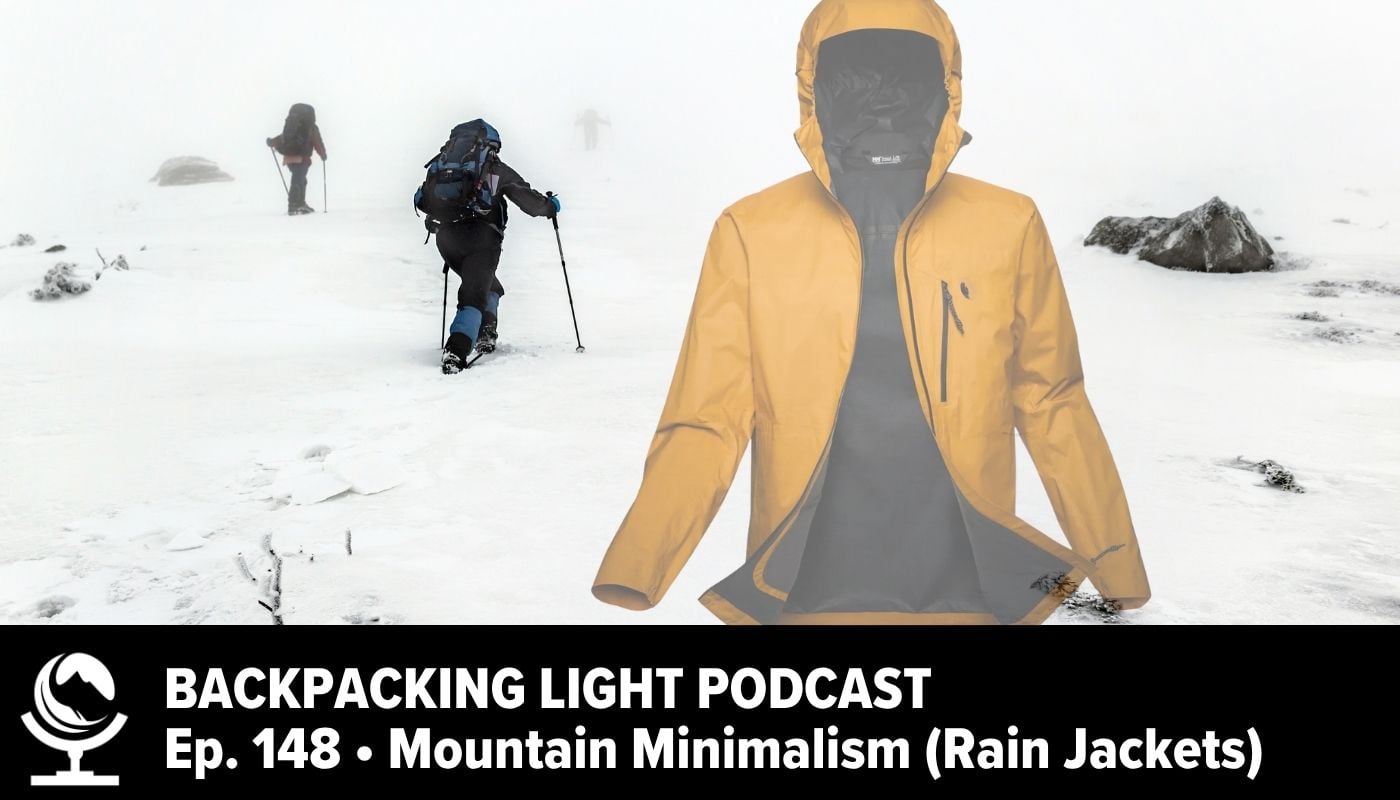
In the evolving landscape of ultralight backpacking, the boundary between "minimalist" and "insufficient" is often drawn in the rain. As gear manufacturers push the limits of weight reduction, seasoned adventurers are increasingly forced to grapple with a critical question: when does a lightweight rain shell cease to be a tool for safety and become a liability in high-consequence terrain?
Backpacking Light’s latest podcast episode dives deep into the philosophy of "Mountain Minimalism," providing a sophisticated framework for selecting rain gear that balances the weight-conscious demands of the trail with the uncompromising realities of alpine exposure.
The Core Conflict: Trail Minimalism vs. Alpine Reality
The fundamental challenge in gear selection is the distinction between "mild trail conditions" and "exposed mountain weather." An ultralight shell designed for a humid day in the Appalachian woods serves a different purpose than a piece of kit intended for a high-alpine traverse in the Rockies or the Alps.
The podcast explores a new decision framework, urging hikers to evaluate their gear based on six core pillars:
- Exposure Duration: How long will you be exposed to the elements without a viable shelter?
- Retreat Options: How quickly can you descend to treeline or find a natural windbreak?
- Terrain Complexity: Does the route require technical movement, scrambling, or high-output climbing?
- Abrasion Resistance: Will the shell endure scree, rock, or dense underbrush?
- Wind Threshold: Can the fabric maintain its integrity in high-velocity, multi-directional mountain gusts?
- Thermal Margin: Does the garment effectively seal out moisture to prevent conductive heat loss?
When a backpacker treats a light, breathable shell as a substitute for a robust alpine jacket, the margin for error shrinks significantly. The episode emphasizes that "minimalism" should not be confused with "expendability."
A New Guard of Alpine Shells
To illustrate these concepts, the discussion highlights three premier jackets that exemplify the current state of "Mountain Minimalism." These pieces represent a marriage of high-performance membranes and weight-saving design.
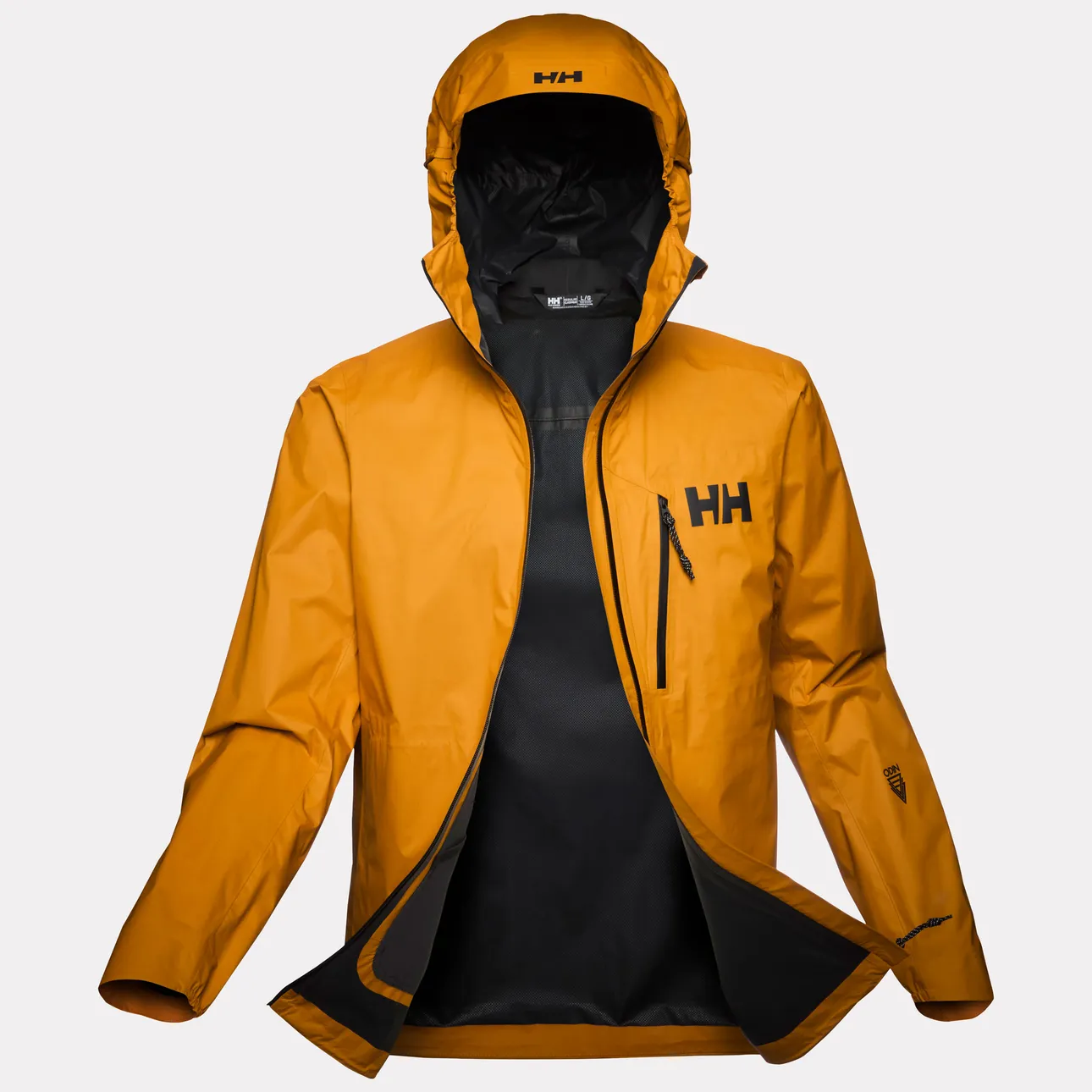
1. Helly Hansen Odin Infinity Minimalist Jacket (250g)
Utilizing the proprietary LIFA INFINITY waterproof-breathable technology, this 3.5-layer shell represents the modern standard for versatile protection. By eschewing unnecessary zippers and pocket configurations, Helly Hansen has crafted a jacket that prioritizes structural integrity. Its two-way stretch fabric is particularly notable for high-output mountain activities, allowing for a full range of motion while maintaining a fully seam-sealed barrier against heavy precipitation.
2. Arc’teryx Alpha SL Jacket (232g)
The Alpha SL is a masterclass in weight optimization. Built with GORE-TEX PRO ePE and a 20D Hadron face fabric, this jacket is designed for the alpinist who views every gram as a tactical disadvantage. The use of a PFAS-free membrane aligns with modern environmental standards without sacrificing the "storm-ready" nature that the Alpha line is known for. Its helmet-compatible StormHood is a critical feature for those navigating wind-exposed ridges where facial protection is non-negotiable.
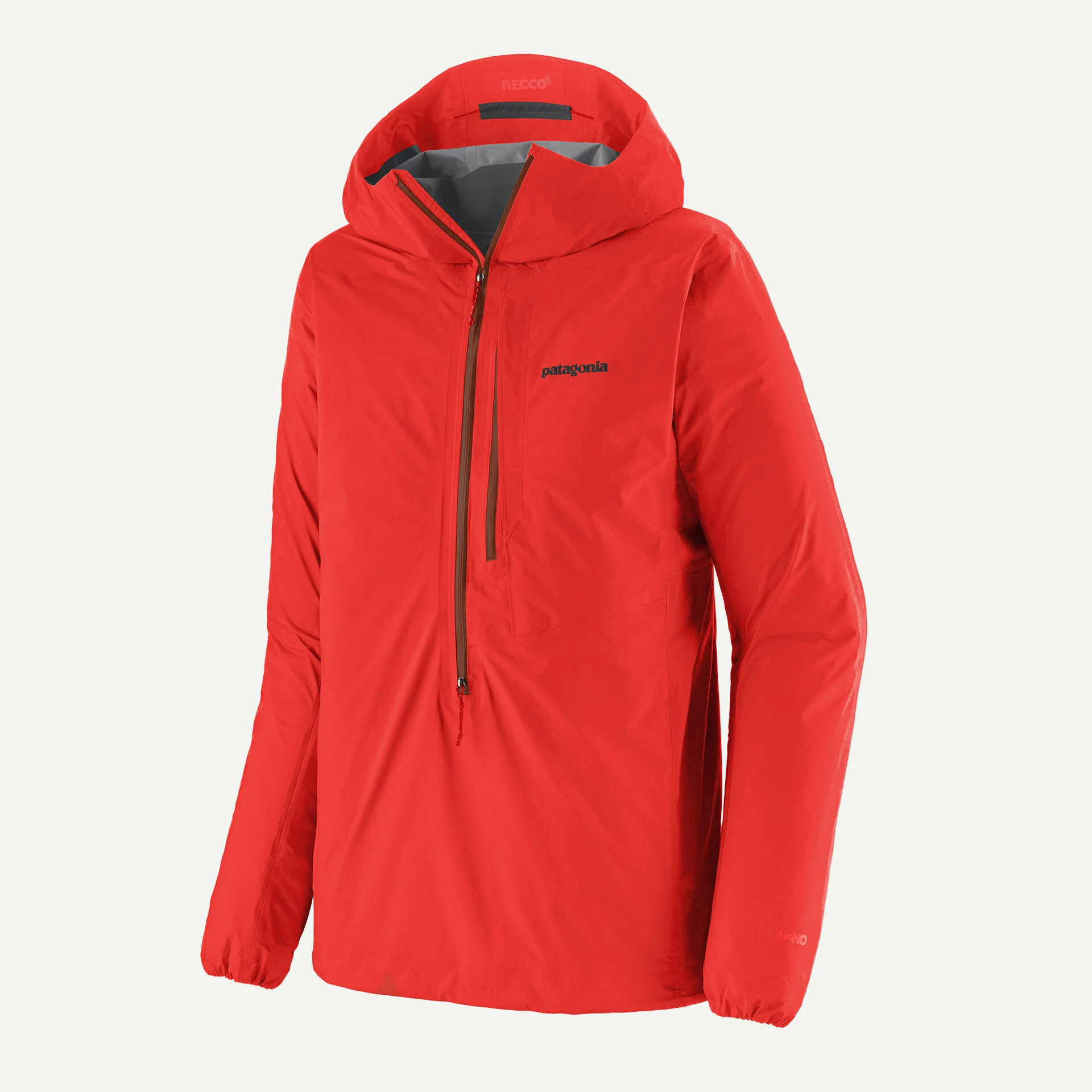
3. Patagonia M10 Anorak (300g)
Rounding out the selection is the M10 Anorak, which utilizes the Xpore nanoporous membrane. By opting for a pullover design, Patagonia reduces the weight penalty associated with long front zippers while maintaining a high level of waterproofing. The use of a jersey backer provides a level of comfort against the skin that is often missing in ultra-minimalist shells, making it a reliable choice for long-duration expeditions where moisture management is as important as water resistance.
Chronology of Innovation: The Shift Toward Specialized Membranes
The history of waterproof-breathable (WPB) fabric is a story of trial and error. In the early 2000s, the "minimalist" movement was defined by simple, non-breathable sil-nylon rain capes. While these were incredibly light, they failed to account for sweat-induced moisture buildup, which can be just as dangerous as external rain in cold temperatures.
By 2015, the industry shifted toward "2.5-layer" technology, which prioritized extreme packability. However, as the 2020s progressed, professional guides began reporting that these fabrics lacked the durability required for long-term alpine use. The current era—highlighted by the 2026 releases mentioned above—marks a return to 3-layer and 3.5-layer construction, but with a renewed focus on nano-porous membranes and high-tenacity face fabrics (like Hadron) that allow for thin, lightweight protection that doesn’t shred against granite.
Supporting Data: Why "Light" Isn’t Always "Right"
The podcast provides anecdotal and technical evidence suggesting that gear failure in the mountains is rarely about the fabric’s water column rating (the pressure at which water leaks through). Instead, it is usually a failure of mechanical durability or thermal regulation.
- Abrasion Factor: Fabrics under 15 denier, while incredibly light, often fail when exposed to the high-friction environment of alpine scrambling.
- Breathability vs. Waterproofing: The "Wet-Out" phenomenon—where the outer face fabric saturates and prevents the membrane from breathing—is the primary reason for hypothermia in active mountain users. The move toward permanent, PFC-free DWR (Durable Water Repellent) treatments is the industry’s current answer to this, though the technology is still being perfected.
- The Weight-Protection Ratio: For a 200g-300g weight penalty, users are moving from "disposable" emergency layers to "mission-capable" armor. The data suggests that for expeditions exceeding 48 hours in high-consequence zones, the 250g-300g range is the "sweet spot" for safety and efficiency.
Official Responses and Industry Trends
Representatives from the featured brands have echoed the sentiments shared in the podcast. There is a broad industry consensus that the "ultra-minimalist" trend of the early 2020s is pivoting toward "responsible minimalism."
Manufacturers are increasingly moving away from PFAS-based chemicals, responding to both regulatory pressure and consumer demand for more sustainable supply chains. Furthermore, the integration of safety hardware—such as RECCO reflectors—into even the lightest alpine shells has become the new baseline for responsible design. Brands are now explicitly marketing their products as "mountain-ready" rather than "trail-ready," drawing a clear line in the sand regarding where their gear should be used.

Implications for the Modern Backpacker
What does this mean for the average hiker? It signifies that your gear closet should be segmented by intent.
If you are planning a trip to a well-marked, low-altitude trail, an ultra-lightweight rain jacket is a perfectly rational choice. However, the implication of the Mountain Minimalism framework is that the "one-quiver" jacket is a myth.
Strategic Gear Management
- The Safety Buffer: If your trip involves significant vertical gain or takes you above the treeline, your shell should be a mandatory piece of safety equipment, not just a weather-proofing layer.
- Investment in Longevity: Higher-end materials, like GORE-TEX PRO ePE or high-density Xpore, represent a higher initial cost but a longer lifespan. The "minimalist" approach to consumption involves buying one jacket that lasts five years, rather than replacing a cheaper, lighter jacket every season.
- The Human Factor: No jacket can replace good judgment. The most sophisticated shell on the market cannot protect you if you fail to turn back when a storm system is imminent. Mountain Minimalism is a mindset of efficiency, but it is underpinned by the discipline to prioritize survival over the desire to "go fast and light."
As the outdoor community continues to push the boundaries of what is possible in the backcountry, the lessons from Episode 148 serve as a timely reminder: in the mountains, minimalism is not just about the weight of your pack—it is about the intentionality of your decisions. By understanding the interplay between terrain, exposure, and material science, backpackers can continue to explore the world’s most challenging environments with both confidence and, perhaps more importantly, the right amount of protection.
For more in-depth journalism, gear reviews, and expert insights, join the Backpacking Light community today. Gain access to over 2,300 articles, technical forums, and the specialized education needed to master the art of the mountain.