Date: June 15, 2026
Source: Backpacking Light Podcast, Episode 148
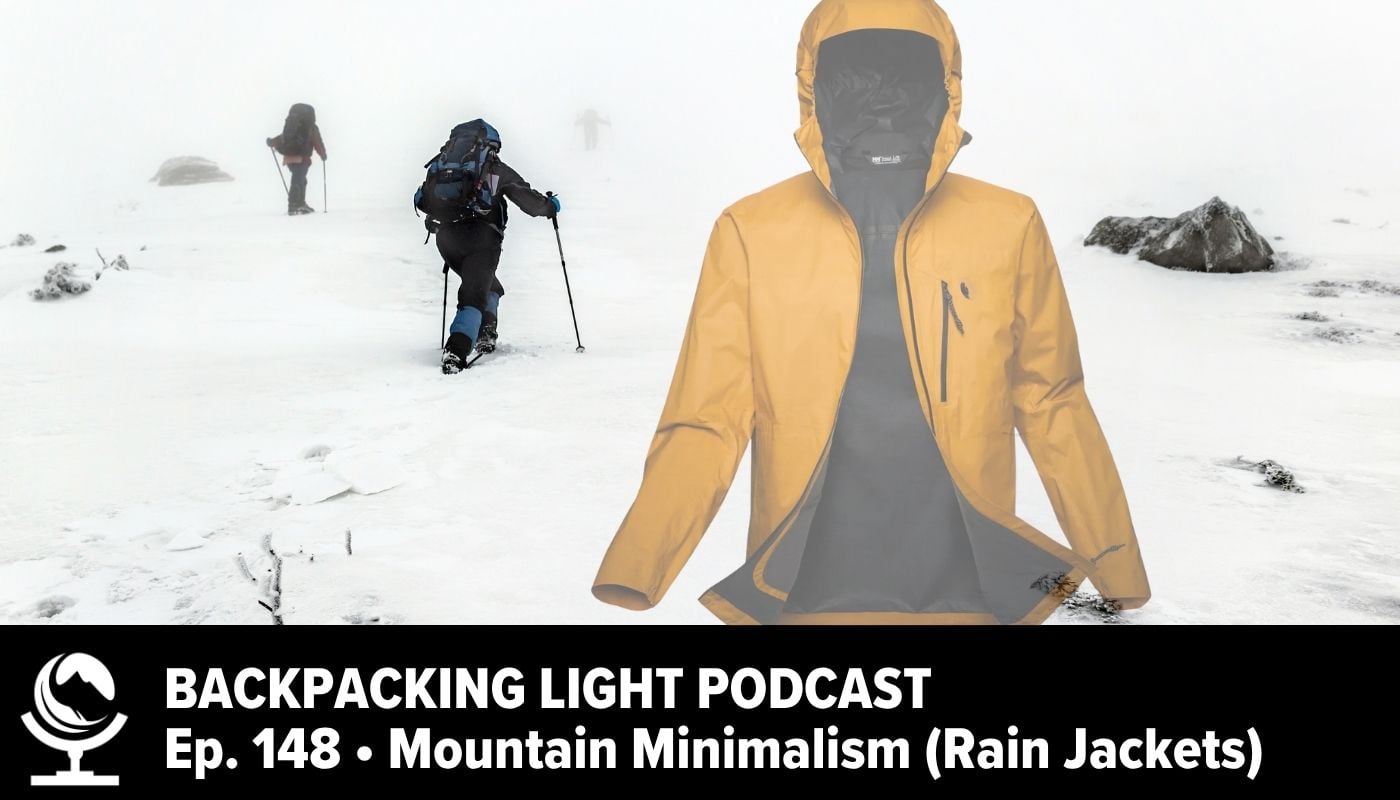
In the world of backcountry travel, the mantra "lighter is better" has revolutionized how we traverse the wilderness. However, as the pursuit of gram-shaving reaches its zenith, a critical question emerges: at what point does "minimalism" become a liability? In Episode 148 of the Backpacking Light podcast, the editorial team tackles the complex intersection of ultralight gear philosophy and high-alpine survival, focusing specifically on the role of the modern mountain rain shell.
The Philosophical Shift: From Trail to Treeline
For decades, the ultralight movement has been synonymous with efficiency. For mild, three-season trail conditions, a featherweight shell is often more than enough to manage intermittent precipitation. However, the podcast emphasizes that "mild trail conditions" and "exposed mountain weather" represent two entirely different risk profiles.
The central thesis of this episode is the necessity of a decision framework. Hikers and climbers often default to the lightest gear in their closet, but when the environment shifts from a protected forest to an exposed, high-altitude ridge, the margin for error narrows drastically. The "Mountain Minimalist" philosophy is not about choosing the lightest possible jacket; it is about choosing the lightest appropriate jacket for the specific environment.
The Decision Framework: Assessing Exposure
To help backpackers navigate these choices, the podcast outlines a comprehensive decision framework. When evaluating a shell for a mountain trip, hikers are encouraged to audit their itinerary based on six critical variables:
- Exposure Duration: How long will you be subjected to the elements? A 30-minute afternoon shower requires a different level of protection than a 12-hour storm on a high ridge.
- Retreat Options: How quickly can you reach a tree line, a hut, or a vehicle? In remote, high-consequence terrain, you must assume that your gear is your primary shelter.
- Terrain: The physical demands of scrambling, climbing, or bushwhacking place different stresses on a fabric. Minimalist shells often prioritize weight over denier-strength, which can be a fatal flaw in abrasive granite environments.
- Abrasion Resistance: Does the jacket need to hold up against pack straps and rock faces, or is it intended solely for stationary protection?
- Wind Profile: Rain is rarely the only threat. High-alpine environments bring convective cooling; if a shell cannot block high-velocity wind, its thermal efficacy plummets.
- Thermal Margin: A rain shell is a vital part of your layering system. If you lose your "thermal margin"—the ability to stay dry and warm—you risk hypothermia. The shell must be robust enough to keep your insulating layers (down or synthetic) dry.
Chronology of Innovation: Modern Shell Engineering
The gear highlighted in this episode represents a new era of engineering. We are moving away from the era of "heavy and stiff" Gore-Tex and into a world of sophisticated, breathable, and ultralight laminates.
The Evolution of the Alpine Shell
In the early 2010s, "ultralight" often meant a plastic-like feel and poor breathability. Today, brands are utilizing 3-layer constructions that provide the durability of a traditional mountaineering jacket at half the weight.
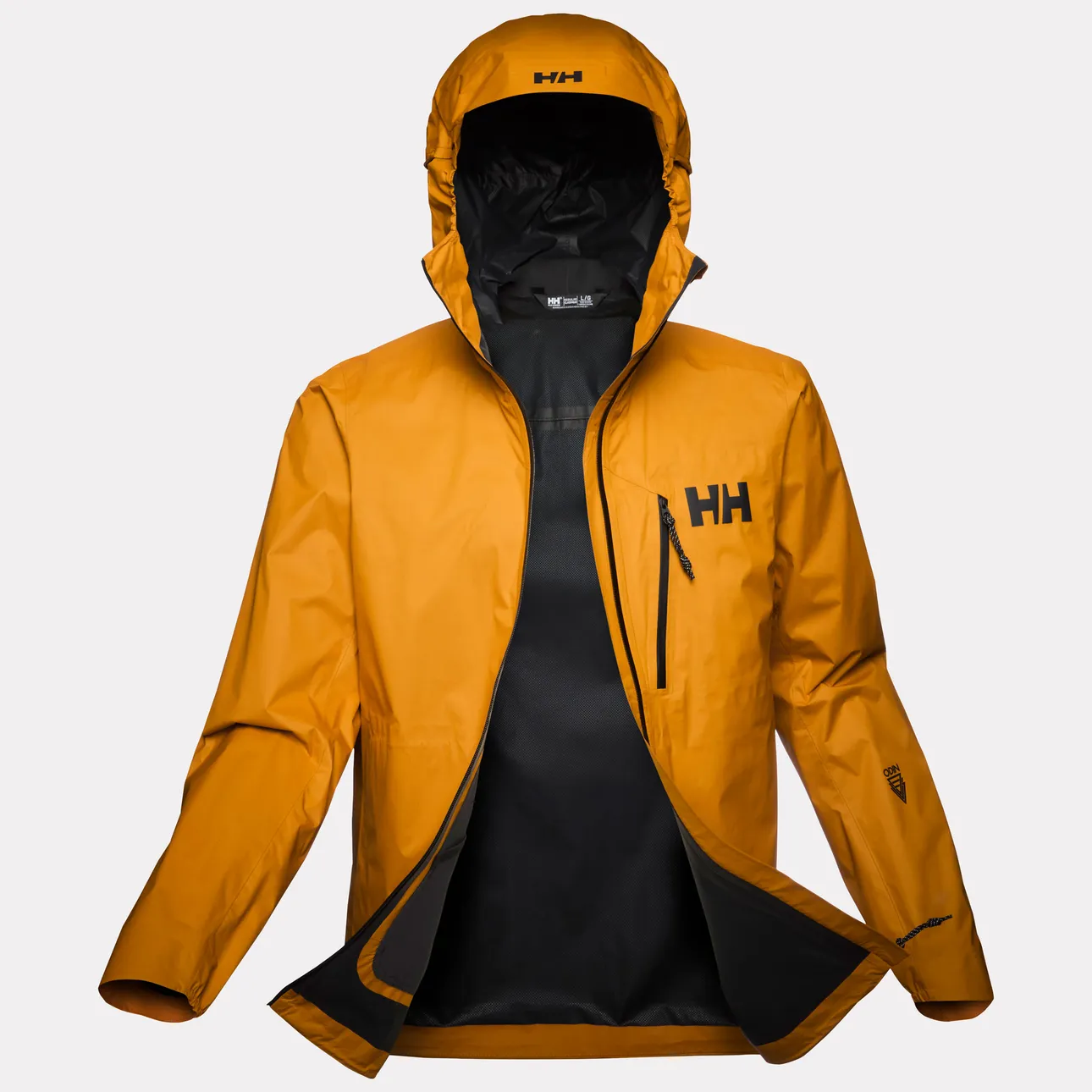
- The Helly Hansen Odin Infinity Minimalist Jacket: A prime example of this evolution, utilizing 3.5-layer construction and LIFA INFINITY technology. At 250g, it demonstrates that one does not need to sacrifice 2-way stretch or professional-grade waterproofness to achieve a minimalist profile.
- The Arc’teryx Alpha SL Jacket: Representing the pinnacle of alpine-specific weight reduction, this piece utilizes the new GORE-TEX PRO ePE membrane. By using 20D Hadron face fabric, it offers the structural integrity required for climbing while remaining impressively light at 232g.
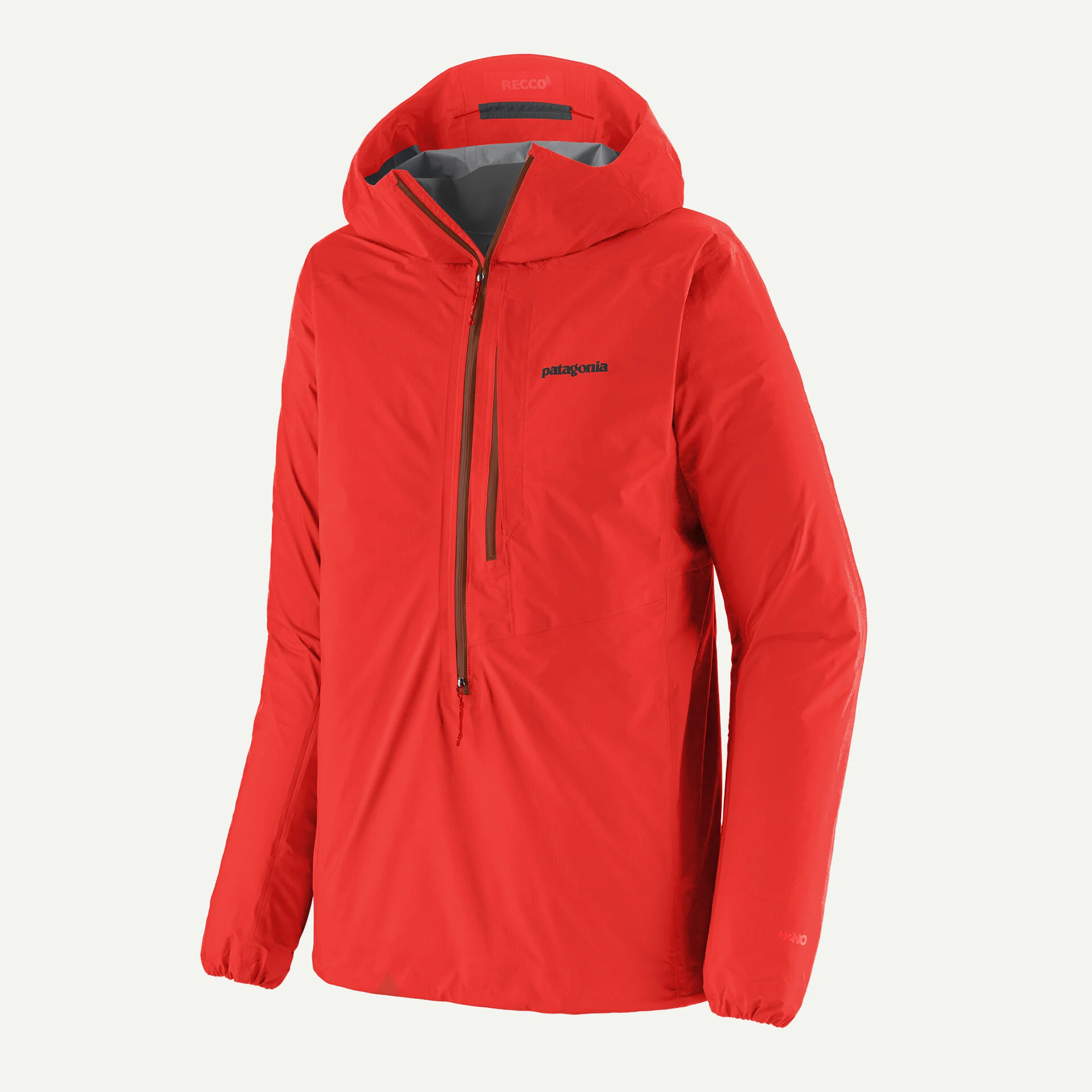
- The Patagonia M10 Anorak: An example of the industry’s shift toward sustainable, high-performance nanoporous membranes (Xpore). The M10 represents the "alpine shell" category, prioritizing a slim fit and a minimalist, packable design that still performs in high-consequence environments.
Supporting Data: The Specs That Matter
When dissecting the provided models, the data reveals a clear trend toward specialized, technical performance.
| Feature | Helly Hansen Odin | Arc’teryx Alpha SL | Patagonia M10 |
|---|---|---|---|
| Weight | 250g | 232g | 300g |
| Construction | 3.5-Layer | 3-Layer GORE-TEX PRO | 3-Layer |
| Key Tech | LIFA INFINITY | ePE Membrane | Xpore Nanoporous |
| Best Use | Versatile Mountain | Alpine/Climbing | High-Alpine/Alpinism |
The weight difference—ranging from 232g to 300g—is negligible when compared to the performance difference between these garments and a generic, lightweight wind-and-rain jacket. The data suggests that for the serious mountain traveler, the "sweet spot" of weight-to-performance currently sits between 200g and 300g. Anything significantly lighter may compromise the hydrostatic head or the tear strength necessary for mountain use.
Official Industry Perspectives: The Move Toward PFAS-Free
A significant takeaway from the episode is the industry-wide move toward sustainability. Both the Arc’teryx and Patagonia models highlighted explicitly mention the absence of PFAS (per- and polyfluoroalkyl substances). This shift is not merely marketing; it represents a fundamental change in membrane chemistry. Modern hikers are now able to demand gear that is both high-performing and environmentally conscious, a shift that would have been considered impossible a decade ago.
Implications for the Future of Ultralight
The implications of this episode are profound for the backpacking community. We are entering an era where the "Ultralight" label is becoming more nuanced.
1. The Death of "Gram-Counting" for its Own Sake
The most successful backpackers are moving away from counting grams as an isolated metric. Instead, the focus is shifting to "functional density"—how much protection, durability, and comfort can be squeezed into the lightest possible package?
2. The Rise of the "Mountain Minimalist"
The term "Mountain Minimalist" implies a high degree of skill. It suggests that the user understands the limitations of their gear and compensates with superior route planning, weather forecasting, and risk assessment. You cannot be a mountain minimalist if you lack the skills to retreat or seek shelter when the gear hits its limit.
3. Gear Selection as a Safety Protocol
Perhaps the most important implication is that gear selection is a vital component of wilderness safety. By using a framework that assesses the specific environment, users are less likely to experience "gear failure" simply because they brought the wrong tool for the job. If your itinerary involves exposed ridges and unpredictable storm cycles, the extra 50 grams for a 3-layer, helmet-compatible, fully featured shell is not "heavy"—it is a critical safety investment.
Conclusion: Empowering the Modern Hiker
Backpacking Light’s exploration of rain shells serves as a reminder that equipment is an extension of our judgment. As we look toward the future of the sport, the technology will continue to advance, providing us with lighter, stronger, and more breathable materials. However, the most important piece of gear in your pack remains the same: the decision-making process.

Whether you are embarking on a thru-hike or a technical alpine ascent, the lessons from Episode 148 are clear. Respect the environment, understand the technical limits of your apparel, and prioritize safety over absolute weight reduction. In the high mountains, true minimalism is found not in having the least amount of gear, but in having exactly what you need to survive and thrive.
For more in-depth journalism, gear reviews, and technical skills training, join the Backpacking Light community. Members receive unrestricted access to over 2,300 articles, expert-led forums, and the latest in ultralight research.