For the members of the Finnish Entomological Society, the arrival of spring does not just signal warmer temperatures—it marks the start of the field season. This year, the society’s annual expedition took them across the Gulf of Finland to Estonia. While the destination was merely the suburban outskirts of Tallinn—a city closer to Helsinki than many inland Finnish towns—the biodiversity encountered revealed a landscape teeming with species that remain elusive or absent on the northern side of the Baltic Sea.
Main Facts: The Expedition’s Scope
The expedition, led by renowned entomologist Juho Paukkunen, brought together over 20 enthusiasts for a multi-day exploration of Estonia’s unique habitats. The objective was clear: to document the insect fauna of Northern Estonia and to study the interplay between historical landscapes and ecological succession.
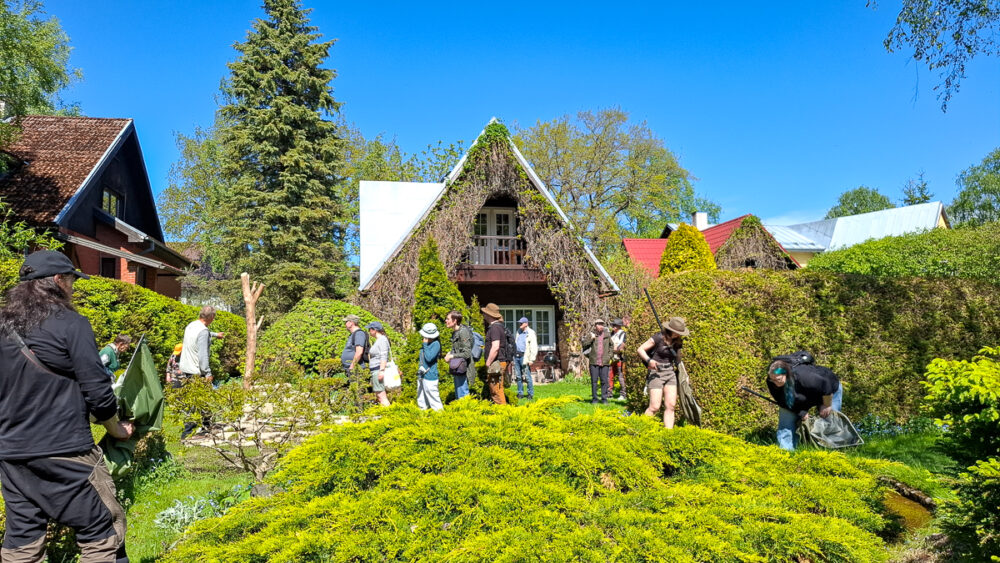
The trip, which served as a follow-up to the historic 1926 expedition of the Societas pro Fauna et Flora Fennica, focused on "hotspots" of biodiversity, including the Astangu region. By examining both managed, human-designed environments and rugged, post-industrial terrains, the participants sought to understand how specific microclimates facilitate the survival of rare insect species.
Chronology of the Expedition
Saturday Morning: Arrival and Anticipation
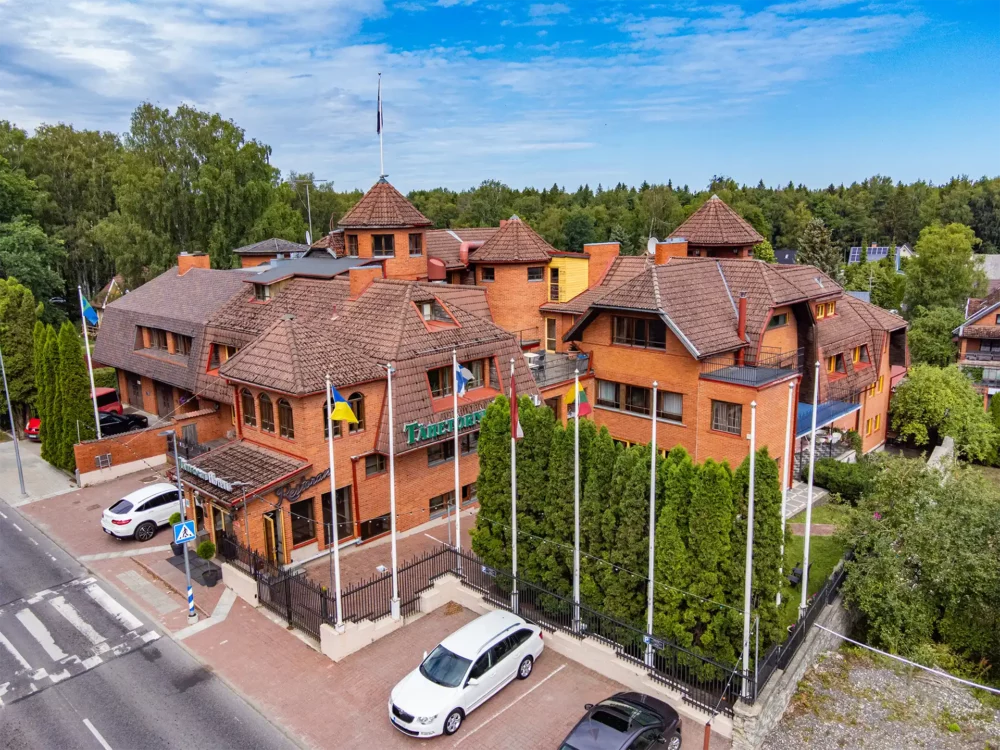
The journey began with an early departure from the Muraste accommodation, heading toward the Nõmme district of Tallinn. The group’s base of operations was the Tähetorn Hotel, a distinctive, castle-like brick structure characterized by its turrets and unconventional geometry.

The original plan included scouting stops along the route to identify potential habitats. However, the Estonian landscape presented a challenge: the roadsides lacked the specific geological or floral features required for meaningful entomological sampling. Upon reaching the vicinity of the hotel, the group engaged in a brief, informal survey of a local forest while waiting for check-in. The morning’s findings—pyjama bugs (Graphosoma lineatum) climbing on flowers and rose chafers (Cetonia aurata) buzzing through the air—served as an encouraging omen for the days to come.
Midday: The Entomologist’s Private Sanctuary
Following a successful early check-in, the group gathered to meet their guide, Urmas Jürivete. An expert in Lepidoptera (butterflies and moths) and Hymenoptera (bees and wasps), Jürivete is a local celebrity in the Estonian scientific community, primarily due to his extraordinary private garden.
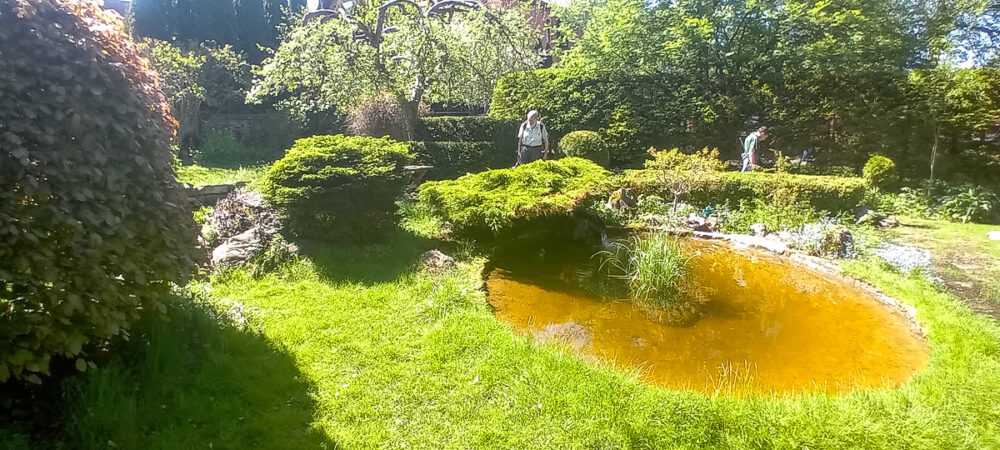
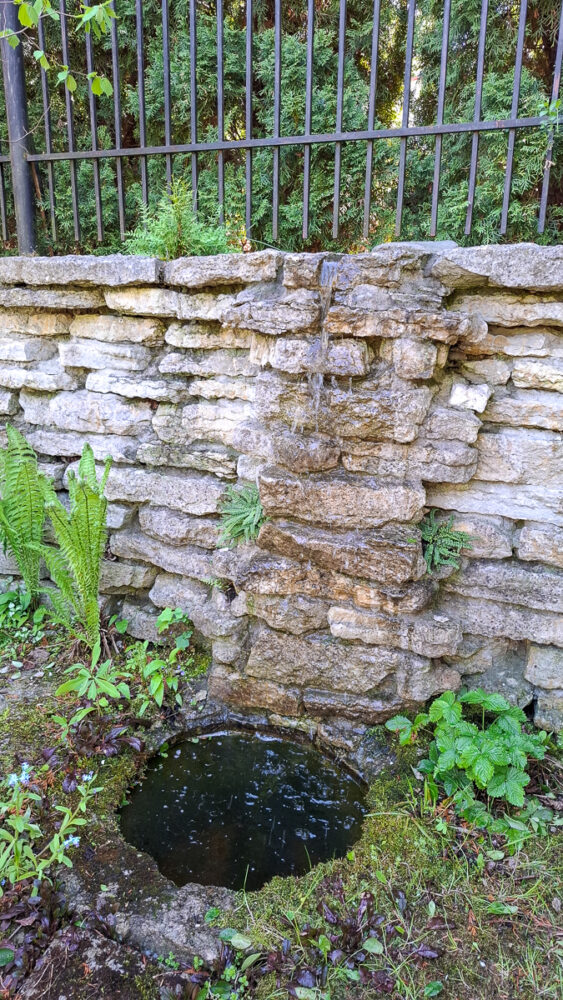
Jürivete’s property serves as a blueprint for insect-friendly urban planning. Designed exclusively for the benefit of pollinators, the garden functions as a complex, multi-layered biotope. Unlike traditional ornamental gardens, Jürivete’s plot prioritizes food plants for specific larval stages and provides abundant deadwood, which is critical for cavity-nesting bees and wasps. A hidden, man-made waterfall adds a layer of humidity and micro-climate stability that further enriches the local insect population.
Afternoon: The Ecological Wonders of Astangu
After the garden tour, the group transitioned to the Astangu area, a site where military history meets ecological preservation. Astangu is part of the former Peter the Great Naval Fortress, and its landscape is defined by massive limestone cliffs, remnants of old railway embankments, and abandoned tunnels that now serve as wintering sites for bats.
The terrain here is a mosaic of habitats. The warm, south-facing limestone slopes create "heat islands," providing the perfect conditions for sun-loving insects. As the group dispersed to explore the area, individual findings began to mount. Notable observations included a pair of Clytra quadripunctata (a type of leaf beetle) and the unexpected discovery of Coriomeris scabricornis. While the latter species is represented by the subspecies lapponicus in Finland, the Estonian specimen was identified as the scabricornis subspecies, marking a significant find for the group.
Supporting Data and Species Observations
The expedition yielded several key observations that highlight the differences between Finnish and Estonian entomological landscapes:
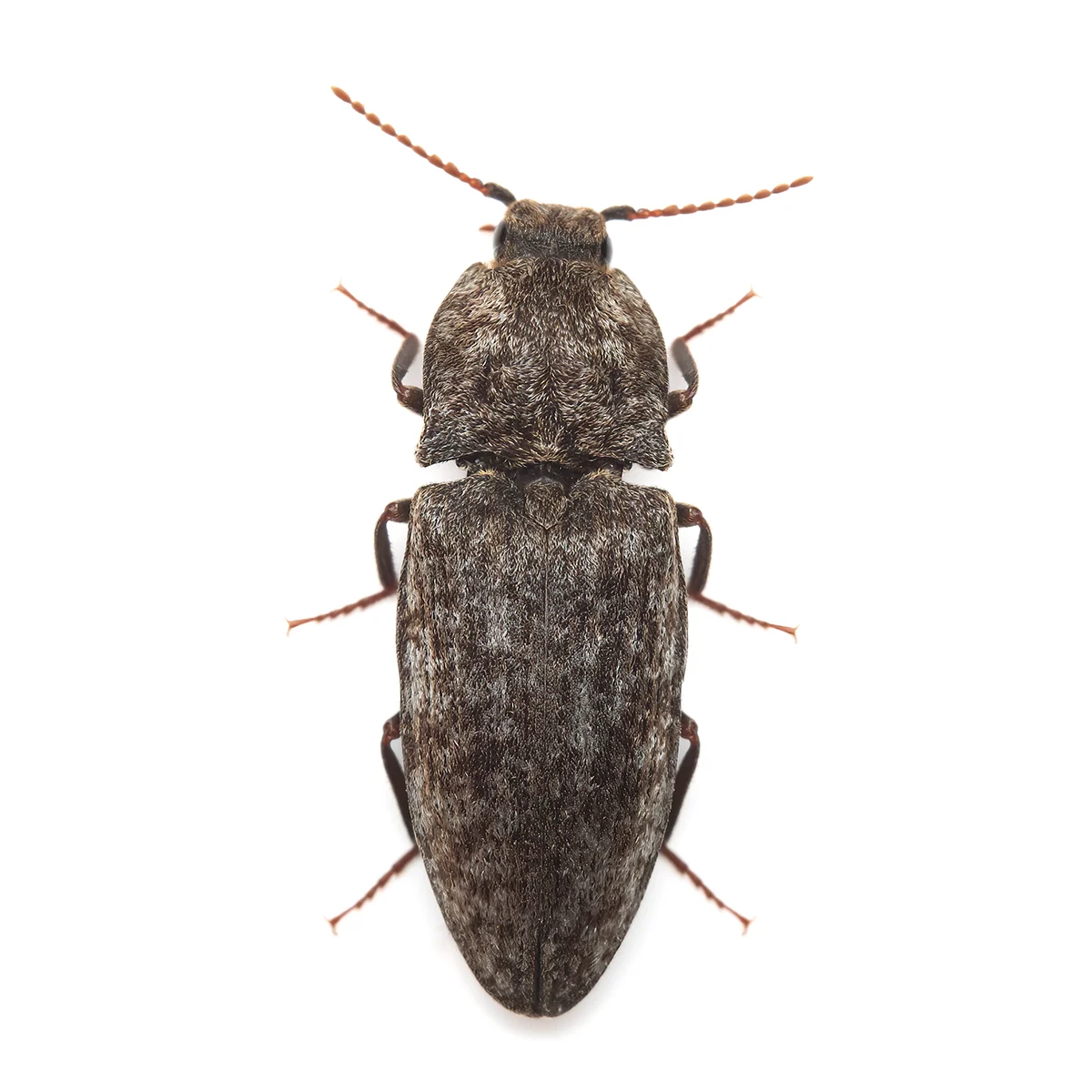
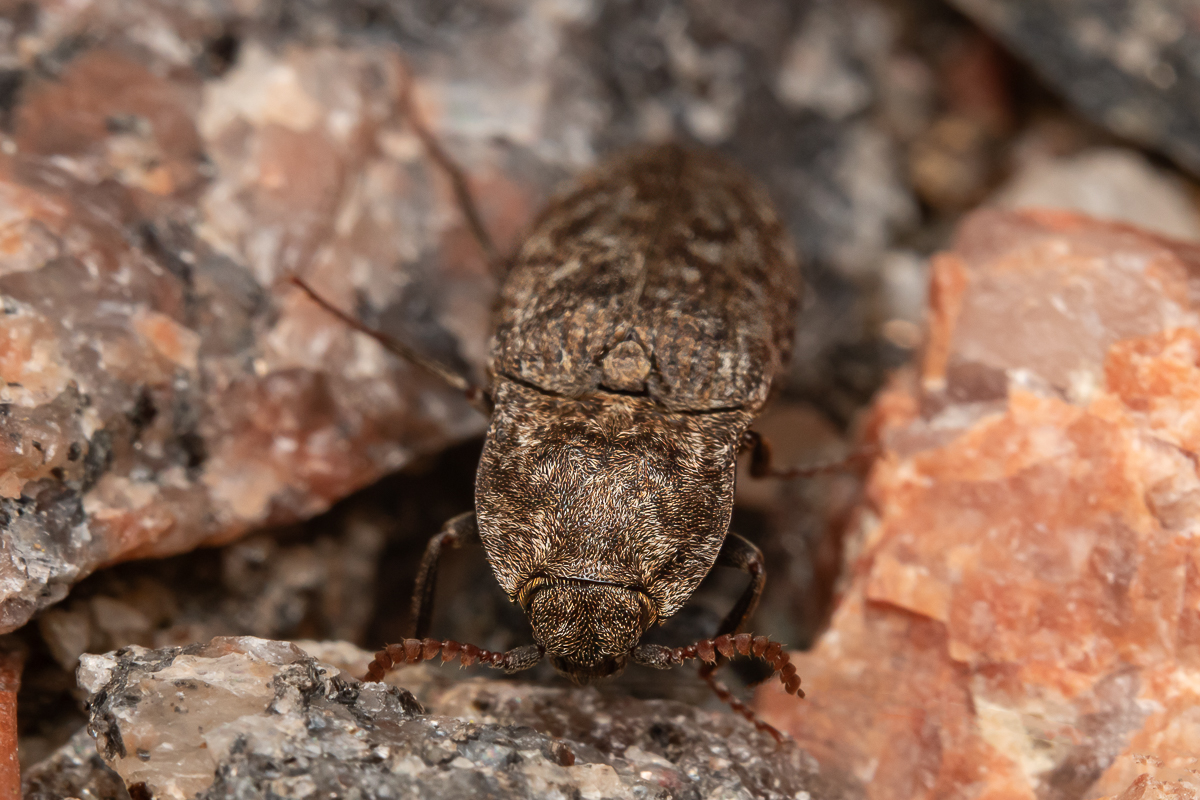
- Agrypnus murinus (Hietaseppä): This click beetle, which is relatively rare in Finland, was found in significant numbers in the Astangu region, suggesting that the local climate and soil conditions provide a more stable breeding ground.
- Charagochilus spiralifer (Lenkopoikkolude): A particularly exciting find for the group. This bug species was only recently differentiated from the common Charagochilus in Finland (2025). The discovery of a confirmed specimen in Estonia provided a rare opportunity to study its morphological traits in the field.
- Hydroporus incognitus: Even during the evening’s informal social hours at the hotel, the pursuit of knowledge continued. A small specimen of this diving beetle landed on the dinner table, proving that for an entomologist, the research never truly concludes.
Official Responses and Expert Perspective
Juho Paukkunen, the expedition leader, noted that the success of the trip was largely due to the variety of the terrain. "When you have twenty people with nets, you inevitably end up with twenty different perspectives," Paukkunen remarked. "But the underlying theme of this trip was the realization that even in the middle of a modern city like Tallinn, you can find pockets of wilderness that rival protected nature reserves."
Urmas Jürivete’s contribution emphasized the role of private landowners in conservation. By managing his own garden as a sanctuary, he has demonstrated that even small, urbanized plots can act as critical corridors for insect migration and survival. His garden, featured in the Estonian nature program Osoon, stands as a model for how biodiversity can be integrated into the human-built environment.
Implications for Conservation
The expedition highlights two critical aspects of modern conservation:
- The Value of Microclimates: The limestone escarpments of Astangu and the managed gardens of Nõmme prove that biodiversity is often found in the "edges" and "cracks" of the landscape. Protecting these small-scale features is just as important as preserving large forests.
- Cross-Border Collaboration: The exchange of knowledge between Finnish and Estonian researchers is vital. Species that are considered "rare" in the north are often more common just a few hundred kilometers south. Understanding these distribution patterns is essential for monitoring the impacts of climate change on insect migration.
The informal social gatherings at the Tähetorn Hotel, held on the rooftop terrace, were described by participants as essential for the group’s cohesion. It was in these moments—away from the nets and specimen jars—that the participants discussed the broader challenges facing entomology, including the need for more public outreach and the importance of documenting species before they disappear from the landscape due to land development.
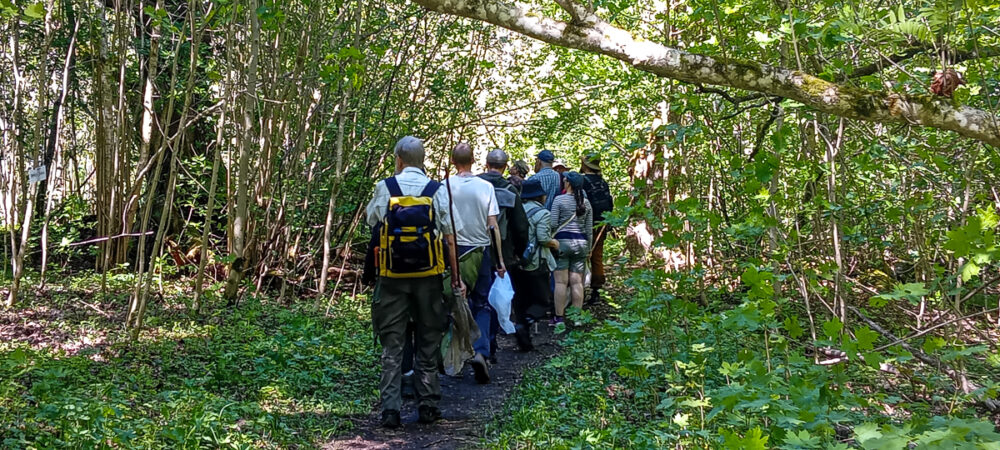
As the first leg of the journey concluded, the participants were left with a renewed appreciation for the "paradise across the gulf." The expedition not only filled notebooks with new observations but also reinforced the idea that nature, even in its smallest forms, transcends borders. The group departed the hotel with eyes already cast toward the second part of their journey, ready to follow the trails blazed by their predecessors a century ago, and eager to uncover what other hidden gems the Estonian landscape might hold.
For more insights into the species documented during the expedition, follow the author’s work on Instagram @hyonteismies, where ongoing updates from the field continue to be shared with the community.