By Samuli Haapasalo
July 21, 2026
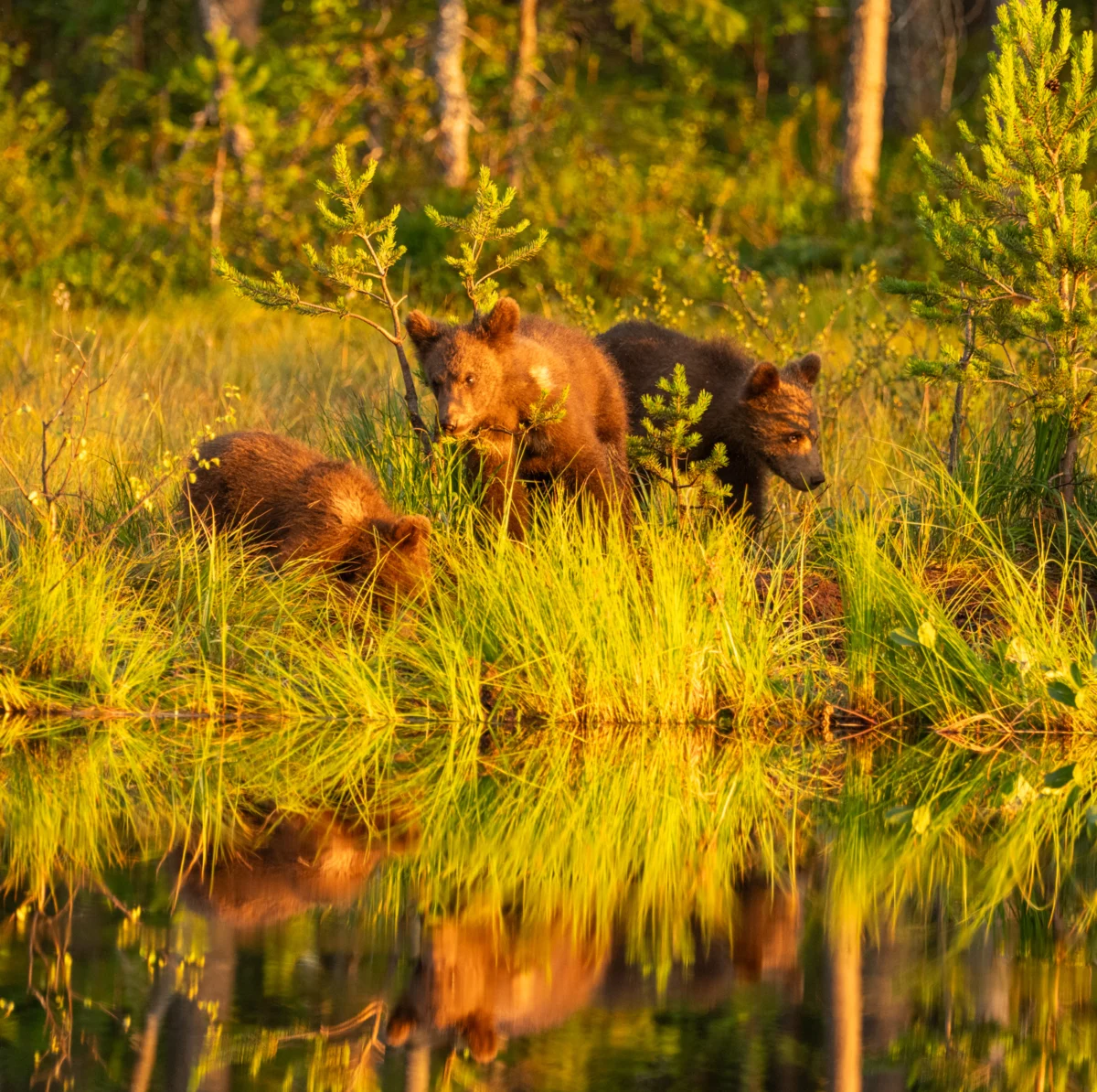
In the remote wilderness of Martinselkonen, Suomussalmi, the mid-July light transforms the landscape into a golden, ethereal stage. As the sun dips toward the horizon, casting long, dramatic shadows across the mirror-like surface of the forest ponds, the silhouettes of brown bear cubs emerge from the dense taiga. It is a scene of profound quietude, a moment where the frantic pace of modern life dissolves into the stillness of the Finnish north.
Main Facts: The Bear Diaries of Martinselkonen
The observation of brown bears (Ursus arctos) in their natural habitat is a practice that requires extreme patience, profound respect, and the absolute suppression of human presence. From the confines of a small, discreet observation hide, one becomes a silent witness to the intimate lives of these apex predators.
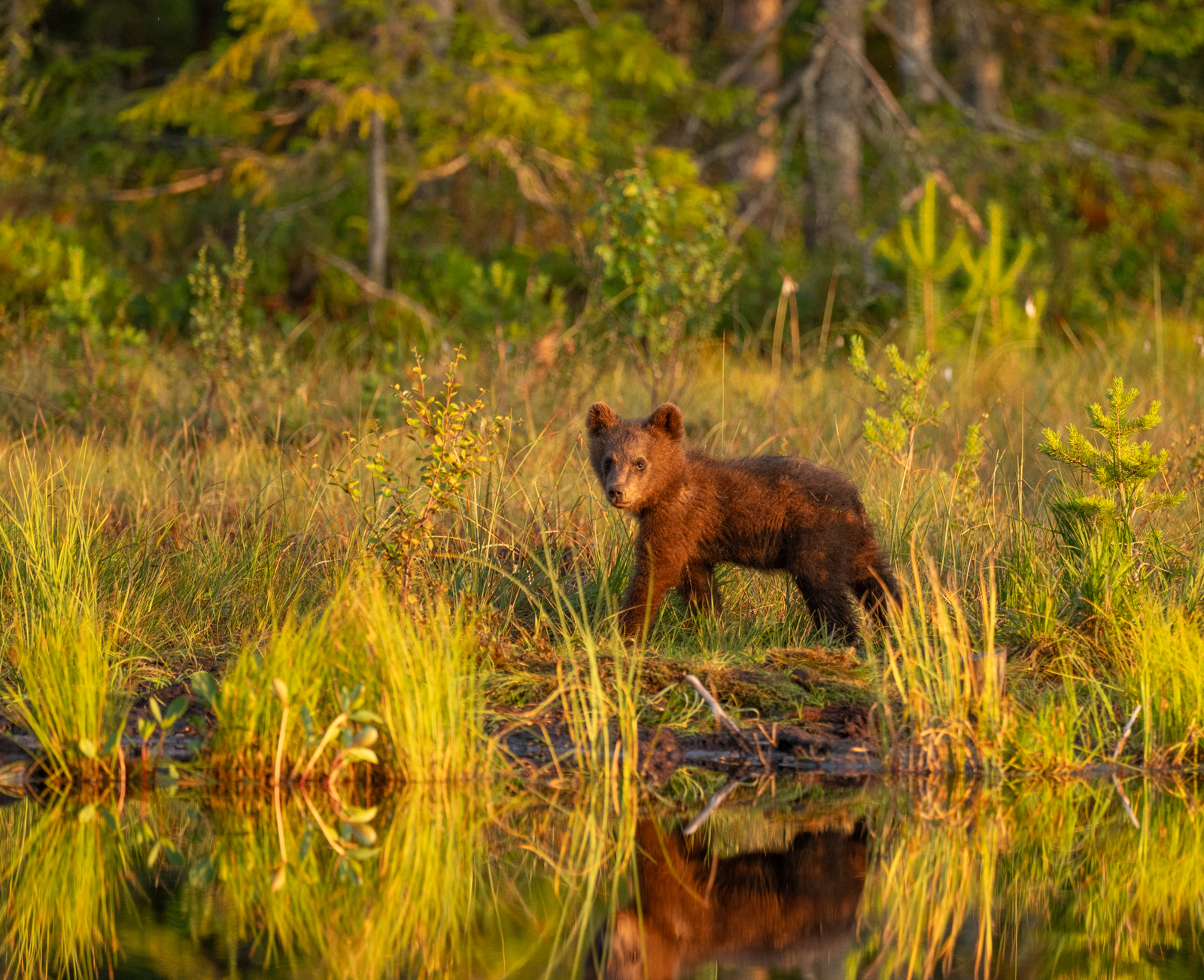
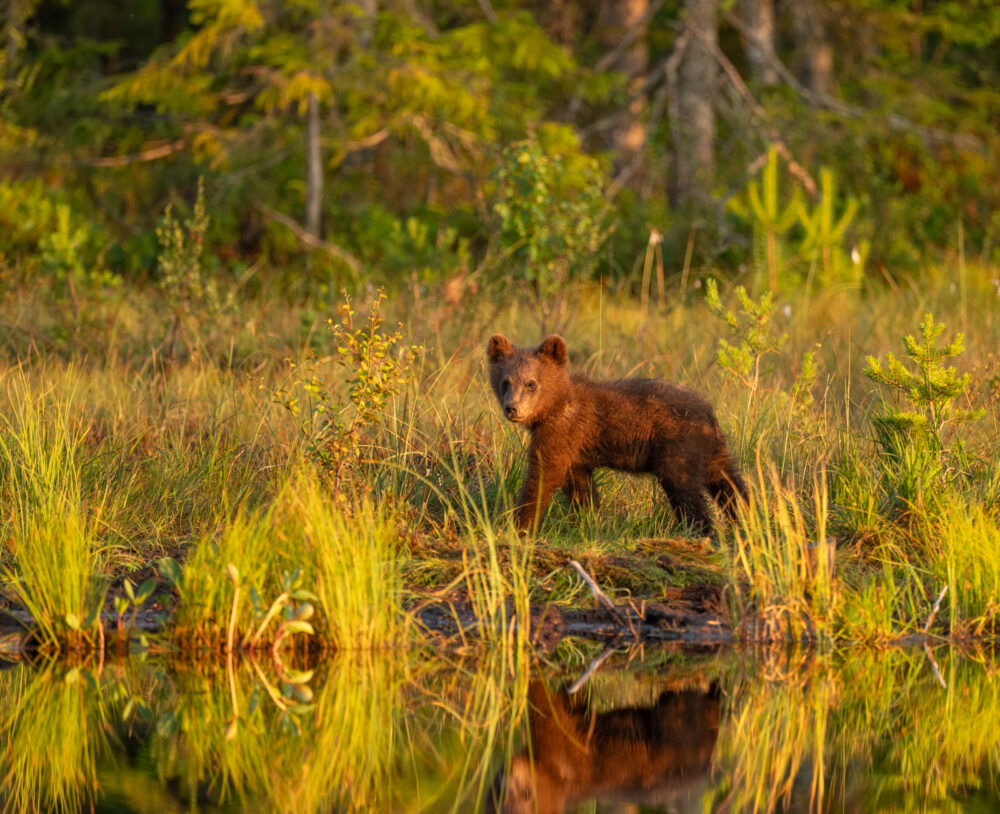
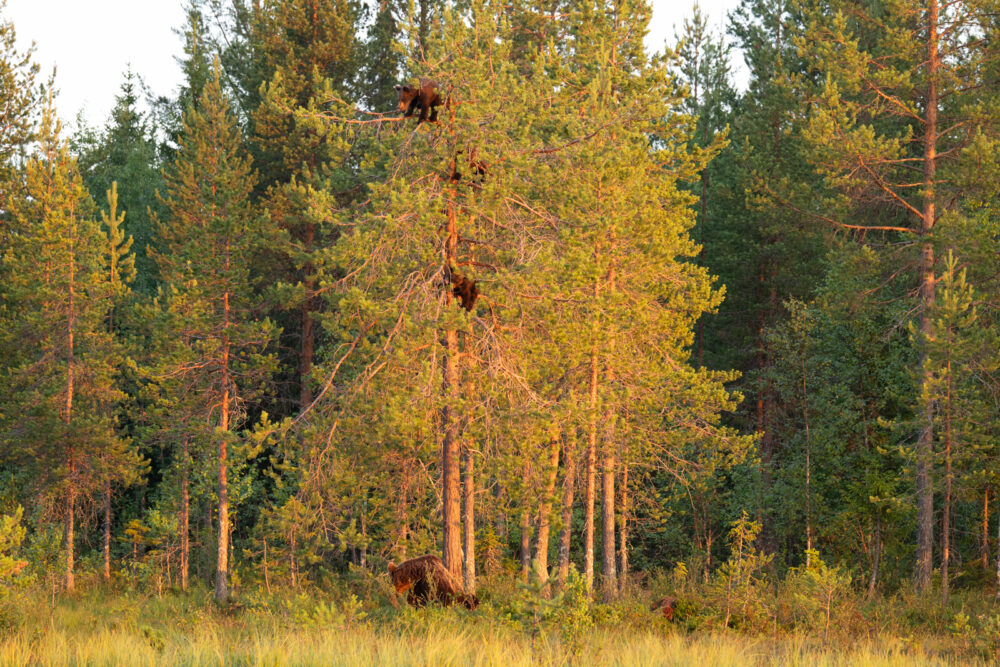
Recent observations, documented on July 10, 2026, highlight the developmental milestones of cubs roughly four months of age. Under the "golden hour" light—that magical window just before and after sunset—the brown fur of these cubs catches the sunlight, appearing almost reddish-gold. These sightings are not merely biological records; they are snapshots of the delicate balance within the Finnish ecosystem, capturing the interplay between protective mothers and their curious, playful offspring.
A Chronology of the Wild: An Evening in the Hide
The experience of wildlife photography and observation is defined by the rhythm of waiting. It is a meditative process that serves as a necessary antidote to the digital noise of the 21st century.
The Silent Vigil:
The process begins long before the bears appear. The observer must enter the hide in total silence, ensuring that scent, movement, and sound are kept to an absolute minimum. For hours, the forest remains seemingly empty. This period of "active waiting" allows the observer to recalibrate their senses, tuning into the subtle rustles of the undergrowth and the shifting light on the water.
The Emergence:
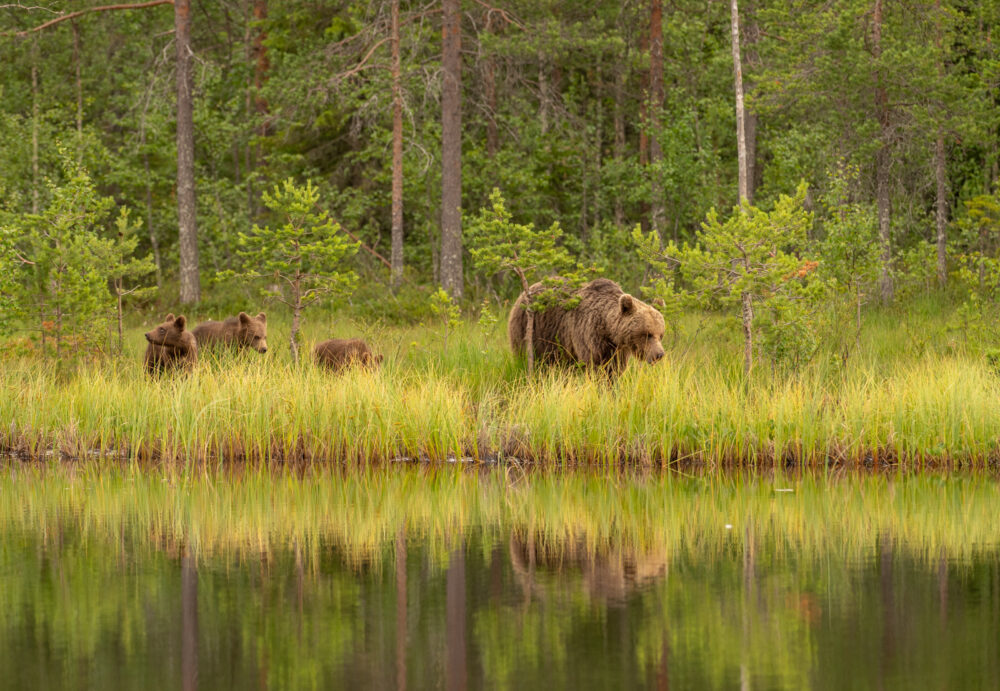
Typically, the mother bear emerges first, her movements cautious and deliberate. She is the guardian, scanning the periphery with keen senses. Following her are the cubs, often two or three, still small and tentative in their exploration of the open mire or pond edge. Seeing them step out from the shadows of the forest is a visceral, heart-stopping moment.
Interaction and Play:
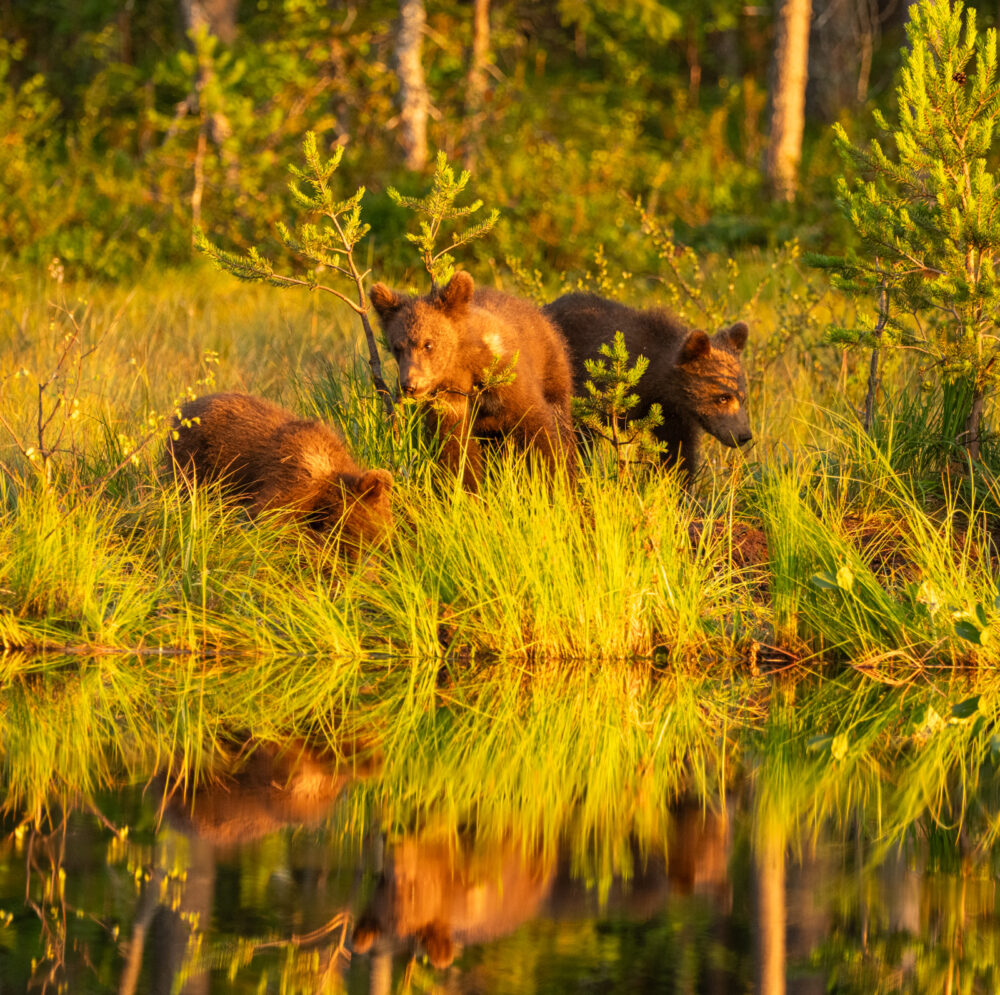
Once comfortable, the cubs reveal their natural, boisterous personalities. They wrestle, climb pine trees with surprising agility, and occasionally stand on their hind legs to gain a better vantage point of their surroundings. Throughout this time, the mother remains watchful. If the cubs venture too far or if a sudden, unexpected noise disturbs the peace, her subtle cues—a low grunt or a specific posture—send them scurrying to the safety of the nearest tree.
Supporting Data: Behavioral Patterns and Habitat Use
Observation data from the 2026 season confirms that this time of year is crucial for the caloric intake of the bear population. As forest berries begin to ripen, the diet of the bear shifts significantly toward the abundance of the season.
- Foraging Habits: While supplementary feeding (often involving fish scraps or kibble) is used by some operators to ensure visibility for photographers, the bears’ primary focus during mid-summer is the wild blueberry (Vaccinium myrtillus). This intake is essential for building the fat reserves necessary for the upcoming winter hibernation.
- Social Dynamics: The bond between the sow and her cubs is the primary driver of behavior. Observations indicate that play is not just recreational but developmental; by wrestling and climbing, cubs hone the motor skills and coordination required for survival in the wild.
- The Role of Water: The ponds in the Martinselkonen region serve as both a social hub and a refuge. In the heat of the July sun, mothers often guide their cubs into the water, providing a cooling respite and a safe space to practice swimming skills.
Implications: The Economic and Ecological Value of Wildlife Tourism
The significance of the brown bear in Finland extends far beyond its biological importance. In regions like Lieksa, Kuhmo, Suomussalmi, and Kuusamo, wildlife tourism has become a cornerstone of the local economy.
Economic Impact
The "hide industry"—the network of specialized companies that provide secure, ethical, and low-impact viewing opportunities—is a vital source of income for sparsely populated areas. This sector supports a range of related livelihoods:
- Local Employment: Professional wilderness guides, accommodation providers, and catering services rely on the steady influx of wildlife enthusiasts.
- International Appeal: Approximately 50% of the clientele for these experiences are international tourists. These visitors are drawn specifically to Finland’s reputation for offering "authentic, wild" nature experiences. Without the presence of these large predators, the demand for this specific brand of tourism would diminish significantly.
Conservation and Responsibility
There is a symbiotic relationship between the health of the bear population and the success of the tourism sector. Because the industry relies on the continued presence of these animals, it acts as a strong incentive for conservation. The businesses operating in these regions are characterized by a high degree of professional, ethical conduct. They prioritize the welfare of the animals, ensuring that human intrusion does not disrupt natural behavior.
"Villieläinten" (wildlife) is no longer just a catchphrase; it is a tangible economic asset that requires careful stewardship. The presence of other charismatic megafauna—wolves, wolverines, and the elusive lynx—complements the bear sightings, creating a diverse and resilient tourism product that sustains communities in the Finnish periphery.
Conclusion: The Value of Stillness
Whether the evening yields a spectacular display of bear activity or remains quiet, the practice of observing the wilderness holds immense value. For the visitor, the simple act of sitting in silence, watching the play of light on the landscape, and contemplating the rhythms of the natural world provides a restorative experience that is increasingly rare.
As we look toward the future of Finland’s forests, it is clear that the preservation of these spaces is not just an ecological imperative, but a socio-economic one. The brown bear, in all its strength and playfulness, serves as a bridge between the wild and the human world—a reminder that in the quiet corners of the north, life continues, undisturbed and resilient.
Samuli Haapasalo is a wildlife photographer and observer based in Finland. His work focuses on the intersection of human experience and the untamed natural world.