Introduction: The Insect Paradise Across the Gulf
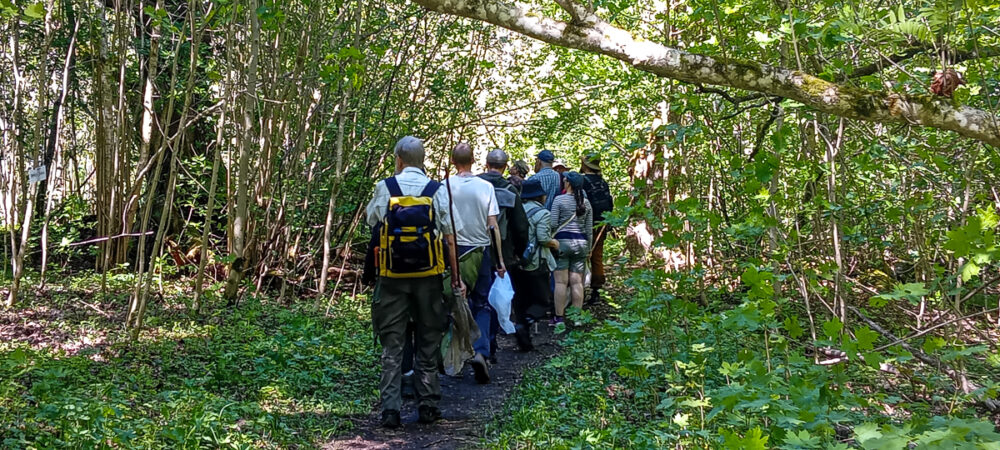
For the dedicated entomologist, the distance between Helsinki and Tallinn—a mere two-hour ferry ride—is deceptive. While the geography is familiar, the ecological landscape across the Gulf of Finland offers a biological richness that often feels worlds apart from the northern reaches of Scandinavia. This spring, over 20 members of the Finnish Entomological Society embarked on a meticulously planned expedition to Estonia, seeking to uncover the hidden biodiversity of the Tallinn region. Led by renowned expert Juho Paukkunen, the group sought to document species that remain elusive or rare in Finland, finding in the process that Estonia’s diverse habitats act as a vital corridor for European insect populations.
Chronology of the Expedition
Arrival and First Encounters
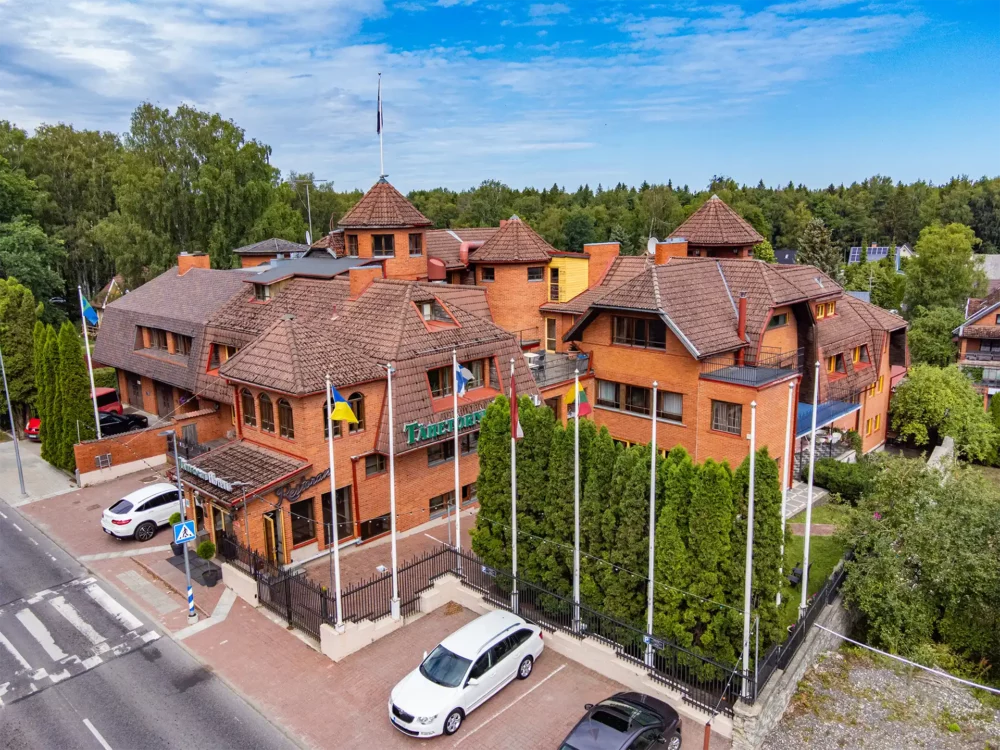
The expedition began on a Saturday morning with the group converging at the Tähetorni Hotel in the Nõmme district of Tallinn. The hotel, an architectural marvel characterized by its distinctive red-brick towers and complex, angular geometry, served as the base camp for the weekend.
Early arrivals from the expedition team had planned to scout the route from the ferry terminal to the hotel for potential habitats. However, the urban landscape of Tallinn proved less conducive to roadside sampling than anticipated, leading the group to arrive at the hotel ahead of schedule. While waiting for the official gathering, a brief exploration of a nearby forest provided the first positive signs of the season. With temperatures climbing into a welcome, summer-like heat, the sight of Carpocoris shield bugs climbing flowers and rose chafers (Cetonia aurata) buzzing in the air served as an auspicious omen for the days ahead. By the time the main contingent arrived, the mood was one of high anticipation.
An Entomologist’s Private Sanctuary
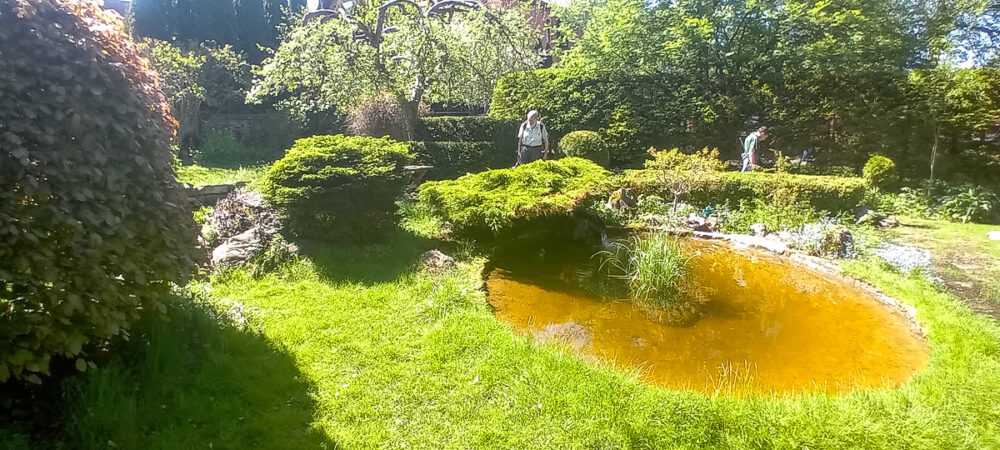
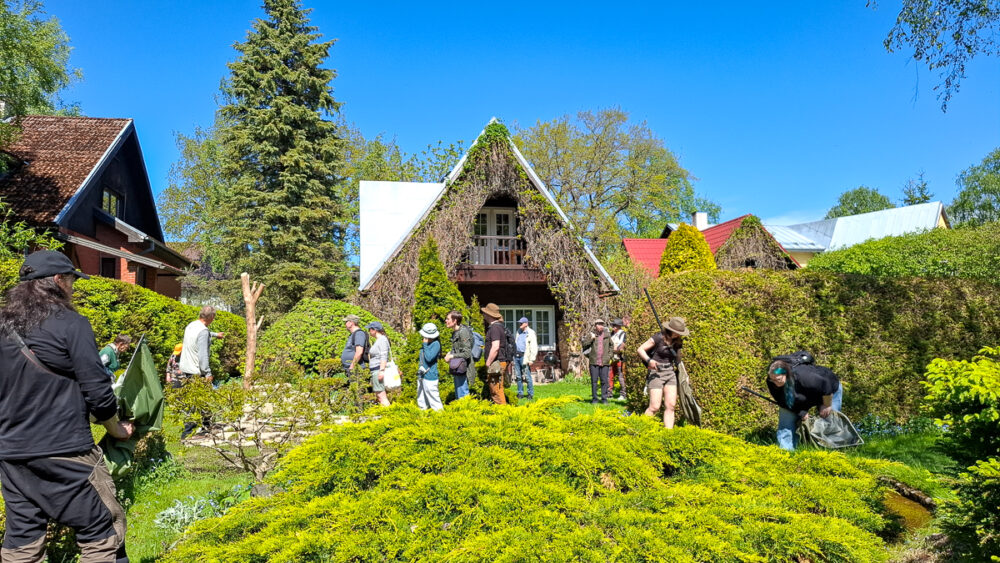
The expedition’s first major engagement was a visit to the home of Urmas Jürivete, a local Estonian entomologist specializing in Lepidoptera and Hymenoptera. Jürivete’s private garden has achieved near-mythical status among Baltic nature enthusiasts and has been featured on Estonian public television’s Osoon nature program.

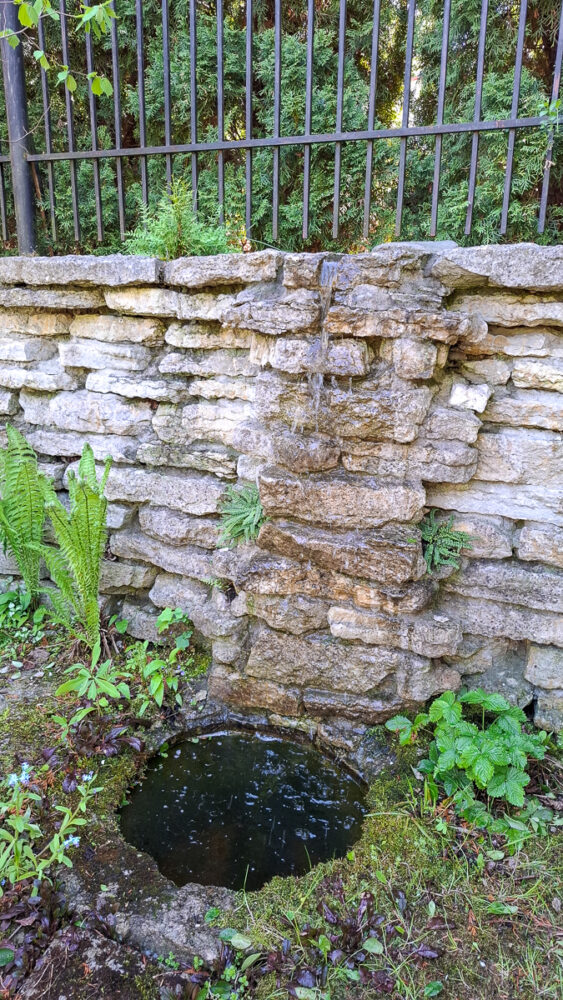
The garden is not merely a collection of ornamental plants; it is a meticulously engineered biotope designed entirely around the needs of insects. Jürivete has created a landscape where every plant species serves a specific purpose as a larval host or nectar source. Perhaps most impressive is the provision of deadwood, which offers critical nesting sites for solitary bees and wasps. During our tour, we observed a small waterfall integrated into a stone wall—a feature that, while aesthetic to humans, provides a crucial moisture source for a myriad of tiny visitors. The success of this garden demonstrates that private land management, when guided by ecological principles, can foster significant biodiversity even within a suburban setting.
The Mysteries of Astangu
Following the garden tour, the group moved to the Astangu area, a site of profound historical and biological significance. Known for its complex of military tunnels—remnants of the Peter the Great Naval Fortress—Astangu is a landscape of stark contrasts. Here, towering 15-meter limestone cliffs (klints) provide a warm, south-facing habitat that acts as a "hotspot" for thermophilic insects.
As we navigated the narrow trails of the Kuusiku forest, the group encountered the "Üpiringi kivid," large boulders that have been studied by local schools since 1935. These rapakivi boulders, with their cracked and porous surfaces, capture rainwater and create unique microclimates that support specialized mosses and, by extension, niche-dwelling invertebrates.
Supporting Data: Observations and Discoveries
The expedition yielded significant observations that highlight the faunistic differences between Estonia and Finland. Among the notable findings were:
- Ant-loving Beetles (Clytra quadripunctata): A pair was observed in the Astangu meadows, highlighting the area’s suitability for species associated with Formica ants.
- The Coriomeris scabricornis Bug: A highlight for many was the discovery of a specimen of Coriomeris scabricornis. While the lapponicus subspecies is found in Finland, this Estonian find represented the nominate subspecies (scabricornis), providing a valuable comparative sample for the researchers.
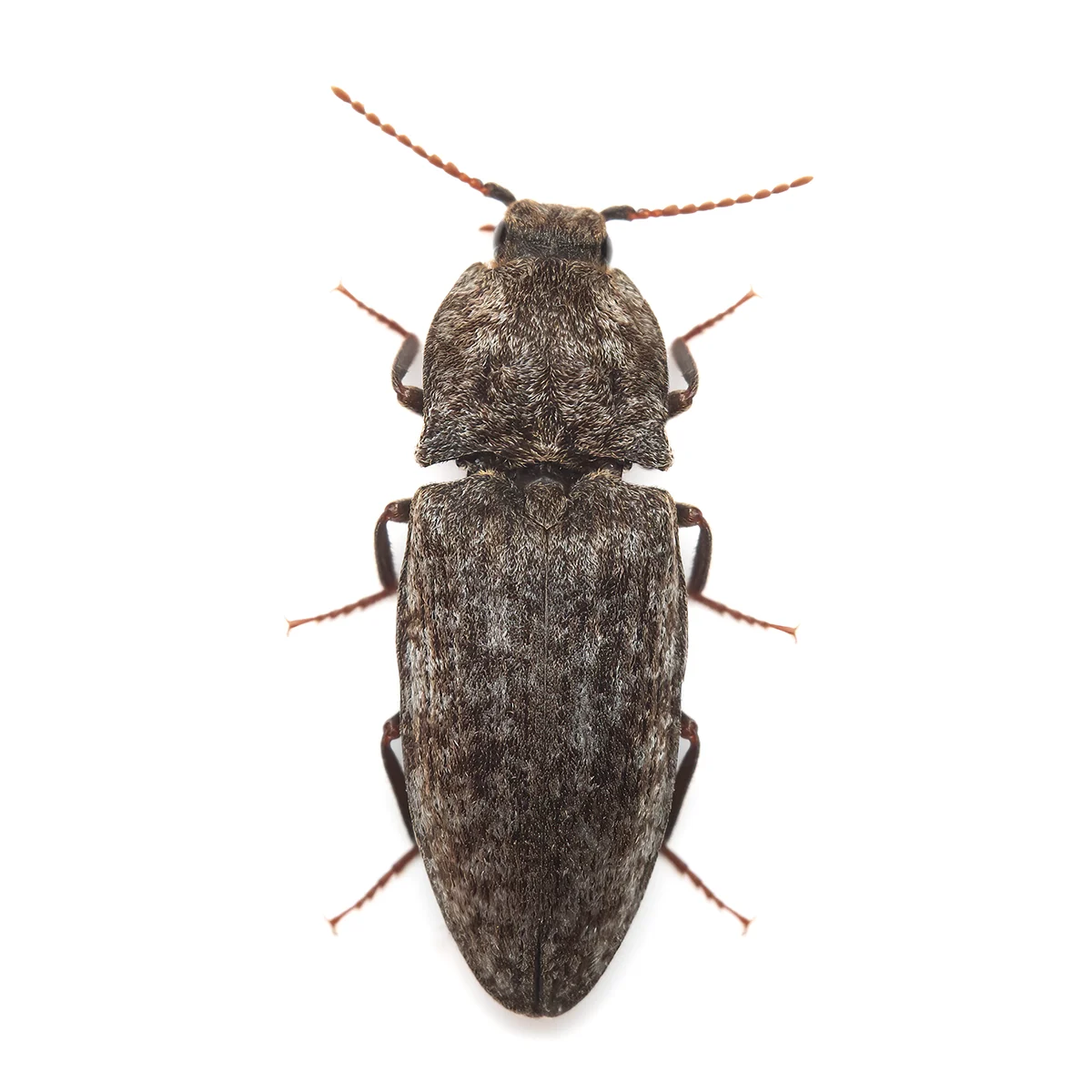
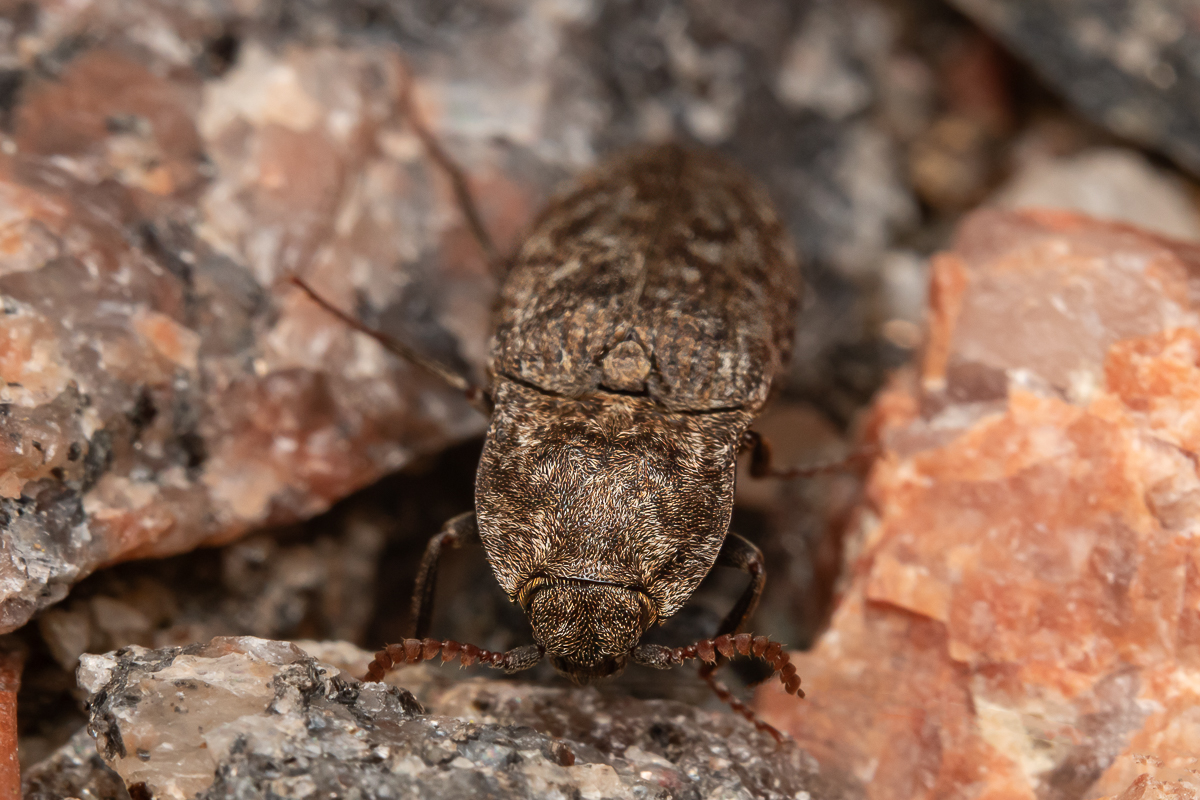
- The Sand Click Beetle (Agrypnus murinus): While considered a rarity in much of Finland, the species was found in abundance across the Astangu site, thriving in the warm, sandy soils near the old railway embankments.
- Lenko’s Plant Bug (Charagochilus spiralifer): This species represents a recent success story in taxonomic identification. Only recognized as distinct from the common Charagochilus gyllenhalii in 2025, the identification of this specimen was a significant "win" for the participants, who had previously only documented the common variety.
Official Responses and Ecological Implications
The expedition was not merely a collection trip but an exercise in cross-border cooperation. Dr. Juho Paukkunen emphasized that the success of the weekend underscores the importance of the Baltic region as a continuous ecological unit. "The climatic conditions in Estonia allow for a wider range of species to establish stable populations compared to the cooler, more northern environments of Finland," he noted.
The Astangu area, in particular, illustrates the "rewilding" of historical sites. The old military tunnels, once intended for the storage of mines and torpedoes, now serve as essential wintering grounds for bats, while the surrounding limestone scrub provides a haven for rare flora and insect populations that have been displaced elsewhere by industrial agriculture and urban sprawl.
Reflections: The Social Fabric of Science
Beyond the field notes and specimen jars, the expedition highlighted the social importance of these gatherings. In the evenings, back at the Tähetorni Hotel, the professional barrier between experts and enthusiasts blurred. The "castle-like" atmosphere of the hotel, with its labyrinthine corridors and rooftop terraces, provided the perfect backdrop for long, informal discussions.
These moments are the lifeblood of entomology. While fieldwork is often solitary or focused on specific tasks, the evening sessions allowed for the sharing of techniques, the review of images, and the discussion of recent taxonomic shifts—such as the aforementioned identification of Charagochilus spiralifer. Even at rest, the group remained vigilant; a small water beetle, Hydroporus incognitus, found on a dining table, served as a reminder that biodiversity is everywhere, provided one knows where to look.
Conclusion
As the expedition concluded, the participants were left with a renewed appreciation for the ecological treasures just across the water. The Tallinn region, with its limestone cliffs, managed habitats, and historical depth, offers a blueprint for how urban development and biodiversity can coexist. For the members of the Finnish Entomological Society, this was not just a weekend of collecting; it was an immersion into a landscape where the past and the future of European insect life intersect.
The data gathered during this trip will contribute to the ongoing efforts to map the distribution of species across the Baltic, a vital task as climate change continues to shift the boundaries of insect ranges. As we look toward future excursions, including the planned retracing of the 1926 Vanamo Society route, the motivation remains clear: to protect, document, and celebrate the small, buzzing world that sustains our ecosystems.
For more insect observations and to follow the ongoing work of the expedition team, visit the author’s Instagram at @hyonteismies. Your feedback and questions are welcome as we continue to explore the hidden wonders of the Nordic and Baltic insect fauna.