“A good lie can walk from Baghdad to Constantinople while the truth is still looking for its sandals.”
~ Arab proverb
In the realm of outdoor recreation, misinformation often travels with the same velocity as the proverbial lie. From the backcountry novice to the seasoned thru-hiker, the wilderness community is saturated with "common knowledge" that ranges from the merely eccentric to the genuinely dangerous. These myths have become so deeply ingrained in our collective hiking psyche that they are often passed down as gospel during campfire conversations and in amateur guidebooks.
However, as the science of outdoor survival and gear technology advances, many of these long-standing tenets are being exposed as outdated, illogical, or simply incorrect. This article examines ten of the most prevalent myths in the hiking world, providing a reality check for those who frequent the great outdoors.

1. The Sleeping Bag Paradox: Nude vs. Layered
One of the most persistent urban legends in the backpacking world is the belief that sleeping naked in a sleeping bag generates more warmth than wearing layers. The logic, however, is fundamentally flawed.
The Science: Insulation works by trapping body heat. When you add layers—such as thermal base layers, socks, or a beanie—you are effectively increasing the amount of trapped air around your body, which acts as a thermal barrier. Unless your clothing is damp (which would conduct heat away from the body) or you are sharing a bag with another person, wearing clothes will almost always result in a warmer night’s sleep. The "naked" myth likely persists due to a misunderstanding of how heat transfer works; when you are inside a bag, your clothes do not "block" the heat from the bag; they contribute to the total insulation system.
2. The Footwear Fallacy: Do You Really Need Boots?
For decades, the standard advice for hikers has been to invest in heavy, high-cut leather boots to "protect" ankles from injury. This recommendation remains a staple of gear sales, despite a dearth of clinical evidence to support it.

The Reality: The vast majority of three-season hikers are better served by trail runners or lightweight hiking shoes. These options provide superior breathability, reduced weight, and increased comfort. The argument that high-cut boots prevent sprains is largely anecdotal; in fact, the extra weight on the feet contributes to premature muscle fatigue. As any veteran of long-distance trekking knows, a fatigued hiker is far more likely to stumble or misplace a foot than a hiker whose legs remain energized by lighter gear. While rigid, waterproof boots are essential for high-alpine, winter, or glacial conditions, they are frequently overkill for the average hiker.
3. The Myth of "Waterproof" Perfection
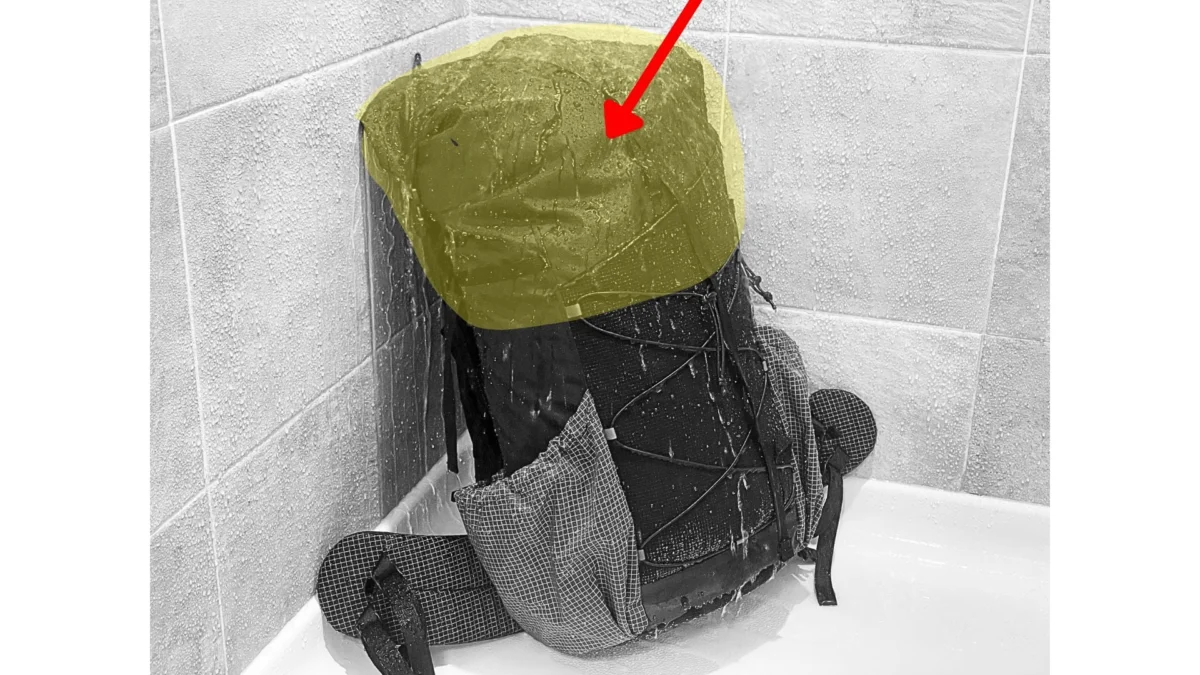
When hikers shell out significant capital for "waterproof and breathable" Gore-Tex or similar membranes, there is often an expectation of complete immunity to the elements. This is a dangerous assumption.
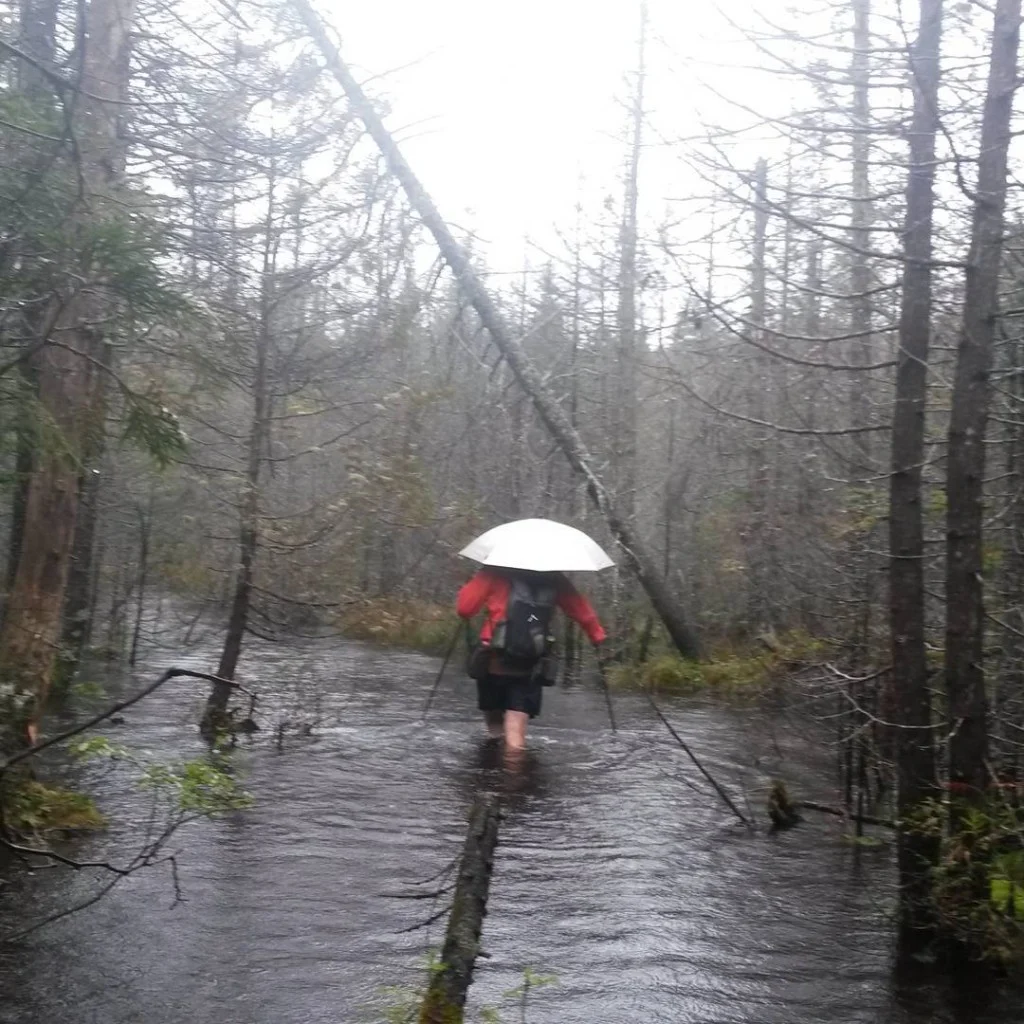
The Implications: True waterproofness in a garment implies a seal that would also prevent any airflow, leading to internal condensation from sweat. "Breathable" waterproof gear is a compromise, not a miracle. In sustained, torrential rain, moisture will eventually breach these systems—either from the outside in or via internal perspiration. The seasoned hiker understands that in extreme weather, the goal is not to stay perfectly dry, but to remain warm and functional. Managing moisture is a skill; expecting a jacket to do the work for you is a recipe for hypothermia.
4. Environmental Stewardship: The Soap Conundrum
A common misconception is that "biodegradable" soap is harmless when used directly in a lake or stream. This is incorrect.
Supporting Data: Biodegradable soaps require soil microbes to break down their chemical components. When introduced directly into an aquatic ecosystem, these soaps can alter water pH, introduce harmful nitrogen levels, and negatively impact sensitive aquatic life. Furthermore, they degrade the experience for fellow hikers downstream who may be collecting that water for filtration. The standard "Leave No Trace" protocol remains: perform all washing tasks at least 200 feet (61 meters) away from water sources and disperse the greywater over a wide area to ensure soil filtration.
5. The Solo Hiking Taboo
"Never hike alone" is the refrain of the overly cautious. While this advice is valuable for those lacking experience or venturing into technically demanding, remote terrain, it is not a universal truth.

The Perspective: Safety in the wilderness is defined by competency, not headcount. A solo hiker who is well-prepared, carries appropriate navigation and communication tools, and respects their own limitations is often safer than a group that relies on group-think or follows an inexperienced leader. The danger is not the act of being alone; the danger is being unprepared. The freedom of solo hiking is a profound experience, provided it is tempered with rigorous self-assessment.
6. Waste Decomposition: The Toilet Paper Myth
Hikers often assume that toilet paper and fruit peels disappear into the landscape almost overnight.
The Chronology: Toilet paper can take between one and three years to fully decompose, particularly in arid or cold environments where biological activity is suppressed. Fruit peels, such as those from oranges or bananas, can take up to two years. Furthermore, leaving food waste in the backcountry habituates wildlife, encouraging them to view hikers as a source of sustenance—a behavior that invariably leads to negative human-wildlife encounters. The rule is absolute: pack it in, pack it out.

7. Metal and Lightning: A Conductive Misconception
There is a widespread fear that carrying trekking poles or wearing a frame backpack will act as a lightning rod during electrical storms.
The Science: While metal is an excellent conductor, lightning is a massive electrical discharge that does not "seek out" your trekking poles. If you are in the path of a strike, the presence of an aluminum pole is irrelevant. The danger lies in your physical profile: being the tallest object in an open area. Whether you are holding a metal pole or a wooden stick, your risk remains identical if you are standing on a ridge or an exposed mountain summit. Seek low-lying ground and get away from the peak—the material of your gear is not the deciding factor in your survival.
8. The Snakebite "Rescue" Fantasy
Popularized by cinema, the idea that one can save a victim of a snakebite by cutting the wound and sucking out the venom is not only ineffective but potentially life-threatening.

The Facts: Venom enters the lymphatic system almost instantly upon injection. Suction devices or manual sucking cannot remove the toxin once it has entered the bloodstream. Moreover, cutting into the bite site introduces bacteria and causes unnecessary tissue damage, potentially leading to severe infection or gangrene. The modern medical consensus is clear: remain calm, keep the limb immobilized, and seek professional medical assistance immediately.
9. The "Just One Person" Fallacy
Trail erosion is often viewed as a macro-problem caused by industry or massive groups, not the individual. The "I’m just one person, it won’t hurt" mentality is the primary driver of trail degradation.
The Implications: When one hiker cuts a switchback to save time, it leaves a faint mark. The next hiker sees that mark and assumes it is a legitimate path. Soon, that mark becomes a trench, leading to significant erosion and the destruction of fragile alpine flora. Once a social trail is established, it is notoriously difficult to rehabilitate. The "middle way" is not just a philosophy; it is the only way to ensure our trails remain sustainable for future generations.

10. The Bear-Climbing Fallacy
Finally, we address the classic, albeit misguided, survival advice: "If a bear charges, climb a tree."
The Reality: Bears are remarkably agile. Black bears are adept climbers, and even the larger, more lumbering grizzly bears have been observed scaling trees when provoked. By climbing a tree, you are effectively trapping yourself in a position where you have no mobility and the bear retains the advantage. Survival strategies in bear country are nuanced and species-dependent, but ascending a tree is almost universally considered a catastrophic tactical error.
Conclusion: The Importance of Critical Thinking
The wilderness is a place of profound beauty and unforgiving reality. As we seek to explore these environments, we have a responsibility to look past the "hiking folklore" and base our actions on established best practices. Whether it is the gear we pack, the way we handle waste, or the way we interact with wildlife, a commitment to truth over tradition is the hallmark of a responsible hiker.

Note: The insights provided in this article are derived from "Hiking & Backpacking For Dummies" by Cam Honan (2026, John Wiley & Sons, Inc.). For those looking to deepen their wilderness knowledge, this comprehensive guide is available wherever books and eBooks are sold.