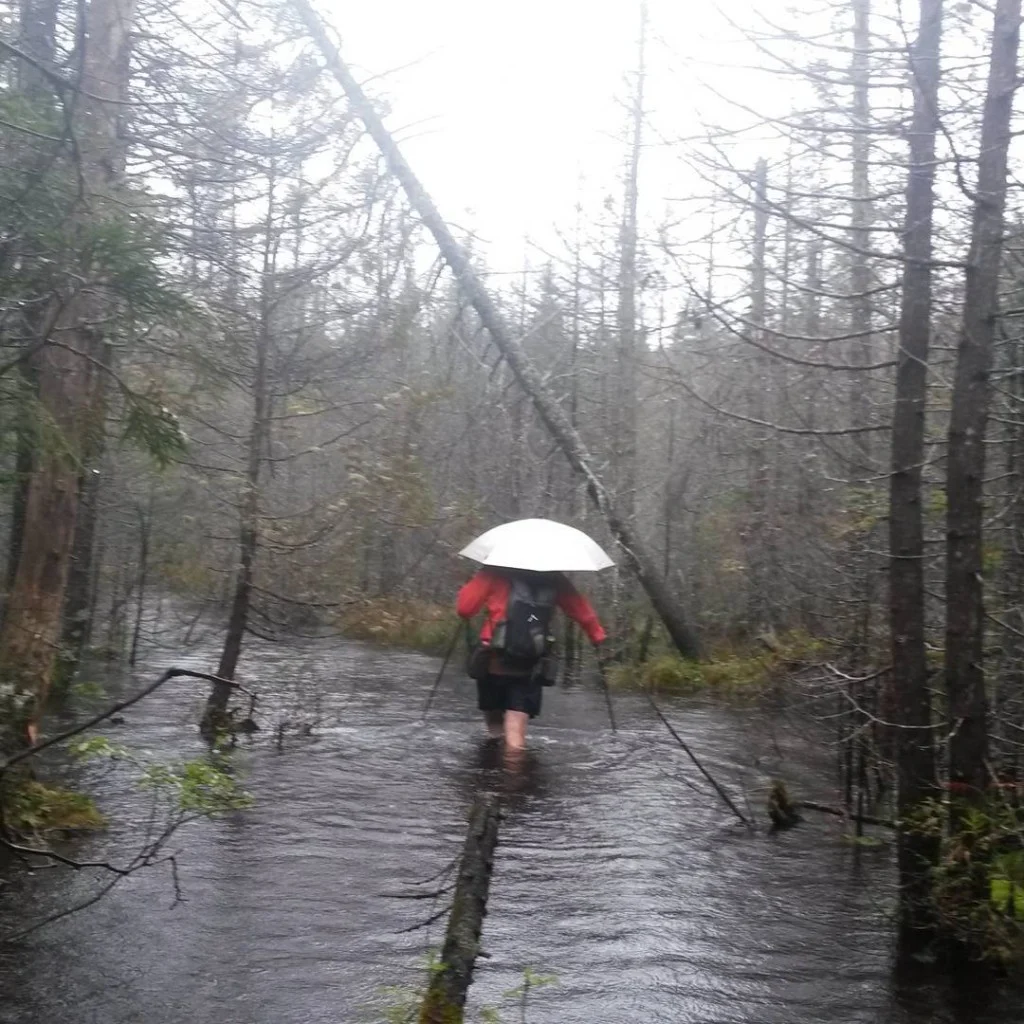
In the world of ultralight backpacking and technical gear, consumers are often lured by the siren song of technical specifications. Manufacturers boast of Dyneema Composite Fabrics, high-denier nylon, and sophisticated DWR (Durable Water Repellent) coatings. While these fabric-level statistics are impressive, they frequently fail to account for the harsh realities of the backcountry. A backpack is not merely a collection of high-tech textiles; it is an engineered system of seams, zippers, roll-tops, and stress points.
The disconnect between a fabric’s lab-tested performance and a pack’s actual field utility remains one of the most misunderstood aspects of gear selection. To bridge this gap, a new methodology—the "Shower Stress Test"—has emerged as a practical, accessible way to evaluate the true water-resistance profile of a backpack system.
The Myth of the "Waterproof" Pack
The industry often conflates "water-resistant fabric" with "waterproof pack." This is a dangerous simplification. A pack constructed from a 100% waterproof material can still suffer from catastrophic water ingress within minutes of a heavy downpour.
Water is remarkably persistent. It finds its way through needle holes left by stitching, creeps through the teeth of "water-resistant" zippers, wicks through webbing anchors, and pools in the crevices of roll-top closures. Even when the face fabric remains perfectly dry, the internal contents of a pack can be soaked through by water that enters via these construction vulnerabilities.
Understanding this distinction is critical for long-distance hikers who rely on the integrity of their gear to keep sleeping bags and electronics dry. The goal of this analysis is to move beyond the marketing brochure and toward a standardized, repeatable method for evaluating how a pack actually manages water under pressure.
Methodology: The Shower Stress Test
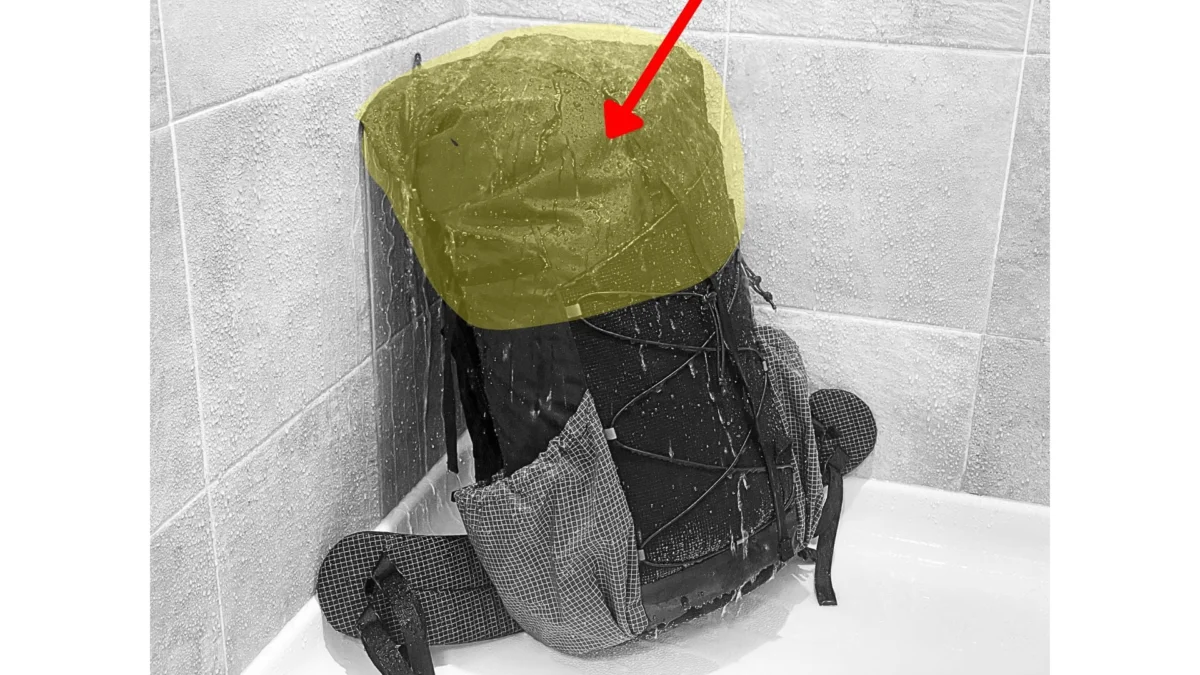
The "Shower Stress Test" is designed to strip away the variables of a variable mountain storm, focusing instead on a controlled, high-intensity simulation. The methodology is intentionally straightforward, prioritizing repeatability over the chaotic variables of wind-driven rain, body-to-pack heat transfer, and mechanical abrasion.
The Protocol
To perform this assessment, the following elements are required:
- The Subject: A fully loaded backpack, packed as one would for a multi-day trek.
- The Witness Material: A large, dry cotton pillowcase placed inside the main compartment. Cotton is chosen specifically because it is highly absorbent and provides a clear, visual indication of moisture ingress.
- The Environment: A standard household shower, set to a consistent, moderate flow rate, simulating a heavy, sustained deluge.
- The Duration: A fixed 30-minute exposure time.
By keeping the duration and intensity consistent, the test transforms from a subjective "hunch" into a comparative metric.
Chronology of a Controlled Ingress Test
To ensure the integrity of the data, the test follows a strict chronological procedure:
- T-Minus 30 Minutes: The backpack is packed with a standard load. The witness pillowcase is positioned at the base of the main compartment, where water is most likely to pool.
- T-0 Minutes: The pack is hung in the shower stall at a height that allows water to cascade over the top, sides, and front panels simultaneously.
- T-15 Minutes: A midpoint inspection is conducted. The researcher checks the exterior surface tension of the fabric to see if wetting-out has occurred, though the pack remains closed.
- T-30 Minutes: The water is turned off. The pack is removed from the shower and allowed to drip-dry for five minutes to prevent runoff from the exterior from contaminating the internal inspection.
- T+35 Minutes: The pack is opened. The witness material is removed and weighed against its dry weight to determine the exact volume of water ingress in grams.
Supporting Data: Why Fabric Specs Aren’t Enough
The data gathered through these tests consistently highlights the "weakest link" phenomenon. In testing various high-end packs, a distinct pattern emerges:
1. The Seam Factor
Even packs utilizing bonded, non-stitched seams can fail at the stress points where shoulder straps or hip belts are attached. These areas require mechanical reinforcement, often involving heavy stitching that pierces the waterproof membrane. During a 30-minute shower test, these points consistently show the highest rate of leakage.
2. The Closure Conundrum
Roll-top closures are frequently marketed as the gold standard of waterproofing. However, the data suggests that unless the roll-top is folded with perfect precision—often requiring four or more folds—water can track down the webbing straps and enter the pack. In the shower test, the "channeling effect" of roll-top straps frequently acts as a conduit for moisture.
3. Hydration Port Vulnerability
Hydration ports are perhaps the most overlooked entry points. A small, rubberized gasket might look sturdy, but under the sustained pressure of a shower, these ports often act as funnels. In many test subjects, water ingress was traced directly back to the hydration tube exit point.
Official Industry Responses
The backpack manufacturing community has had a mixed reaction to such testing methodologies. Major outdoor brands often emphasize that their products are "weather-resistant" rather than "waterproof."
"We design for the reality of the trail," says one lead product designer at a major technical pack manufacturer. "Our focus is on balancing weight, durability, and moisture management. If we were to seal every seam and provide a total dry-bag construction, the weight penalty would be unacceptable for the average consumer."
However, boutique cottage industry manufacturers—who are often the primary drivers of lightweight innovation—have embraced the "show your work" mentality. Many now provide seam-sealing tutorials or explicitly recommend the use of internal pack liners (such as trash compactor bags or sil-nylon dry bags) as a standard part of their system. This suggests an industry-wide shift toward acknowledging that the backpack itself is only the first layer of defense, not the only layer.
Implications for the Modern Backpacker
What does this mean for the person currently browsing for a new pack? The implications are three-fold:
1. The Move Toward Modular Protection
The primary takeaway from the shower test is that a backpack should be treated as a structural carrier, not a dry bag. Experienced long-distance hikers have long understood this, but the data reinforces the necessity of "nested" waterproofing. Using a high-quality pack liner or individual dry bags for sensitive gear (sleeping bag, electronics, spare clothes) is the only reliable way to ensure dryness.
2. The Shift in Consumer Expectations
Consumers should view "waterproof fabrics" as a feature that protects the pack from becoming heavy when wet, rather than a feature that protects the gear inside. When shopping, prioritize construction quality—look for taped seams, reinforced bar-tacks, and minimal zipper exposure—over high-denier fabric claims.
3. The Need for Proactive Maintenance
The shower test serves as a useful diagnostic tool for the end-user. By performing this test on an older pack, a hiker can identify exactly where their gear is leaking. This allows for targeted repairs, such as applying seam sealer to specific stitch lines or replacing worn-out hydration port gaskets. It transforms a generic "my pack leaks" complaint into a solvable maintenance task.
Conclusion
While the shower test is not a scientific panacea, it serves a vital purpose in demystifying the performance of modern gear. By shifting the focus from the fabric’s technical specifications to the systemic integrity of the pack’s construction, we gain a clearer understanding of what we are carrying into the wild.
In the end, the most reliable "waterproof" system is one that assumes water will eventually find a way in. By acknowledging the vulnerabilities of our gear and supplementing it with intelligent packing strategies, we can ensure that our essential equipment remains dry, regardless of the storm. The backpack is an incredible piece of engineering, but it is not infallible; understanding its limitations is the first step toward a more successful, and drier, wilderness experience.