Introduction: The Edge of the Known World
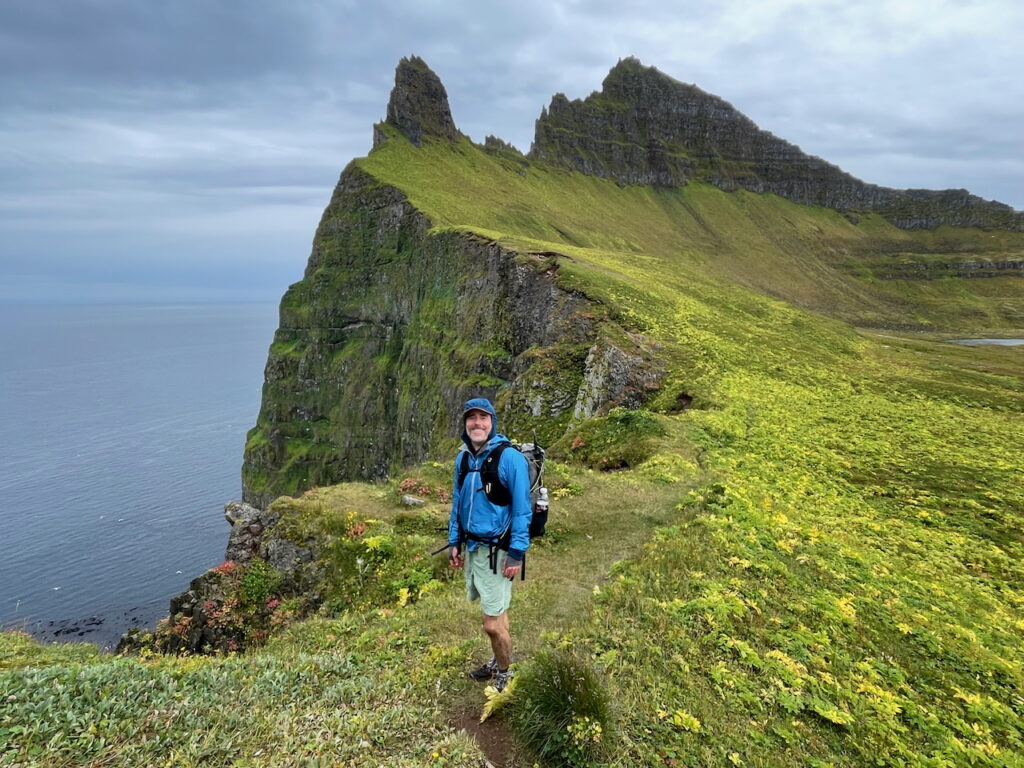
In the northwestern reaches of Iceland lies the Westfjords, a region defined by its jagged, serrated coastline and profound isolation. Deep within this remote peninsula, accessible only by sea during the short sub-arctic summer, sits Hornstrandir—a nature reserve that serves as a living monument to a bygone era. Devoid of roads, lacking permanent residents, and untouched by modern infrastructure, Hornstrandir is the ultimate sanctuary for those seeking to reconnect with a raw, primeval landscape.
For the intrepid traveler, the Hornstrandir Peninsula offers a rare opportunity to traverse a land where the only footprints are those of the Arctic fox and the wandering hiker. It is a place of dizzying sea cliffs, lush tundra, and a silence so absolute it feels heavy.
The Facts: At a Glance
Navigating the Hornstrandir Peninsula requires careful planning, as the environment is as unforgiving as it is beautiful. Below are the core logistical details for those considering the trek:
- Total Distance: Approximately 120 km (75 mi), including necessary side excursions and coastal navigation.
- Duration: 6 days of rigorous, moderate-to-challenging hiking.
- Total Elevation Gain: 4,271 m (14,012 ft).
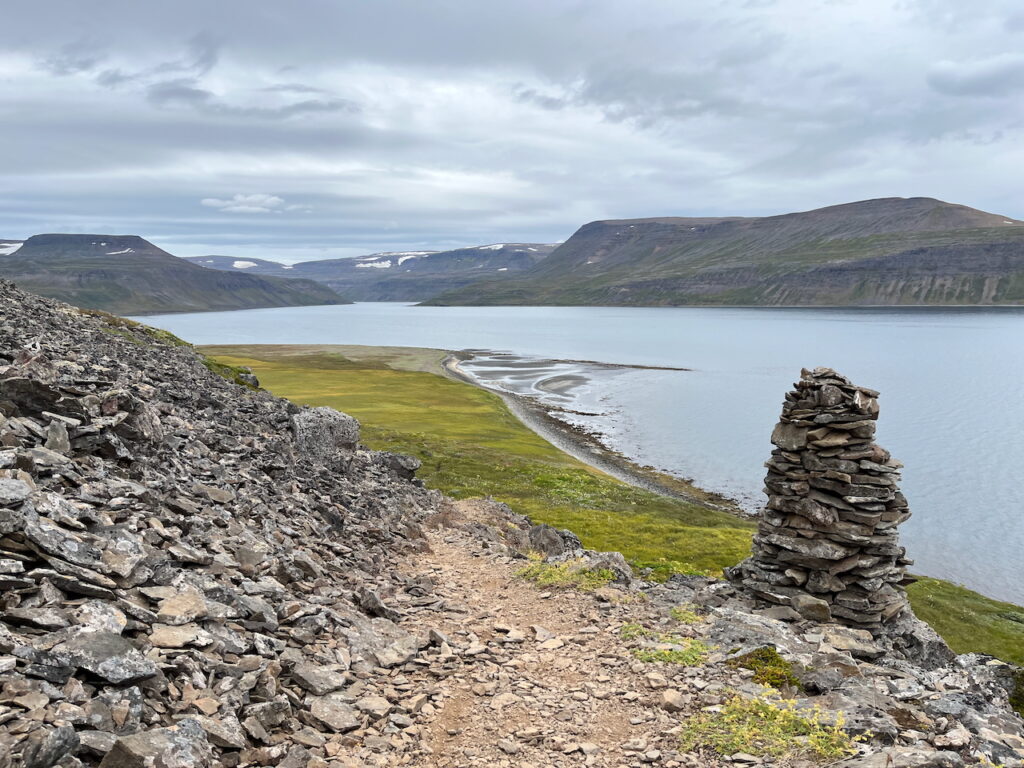
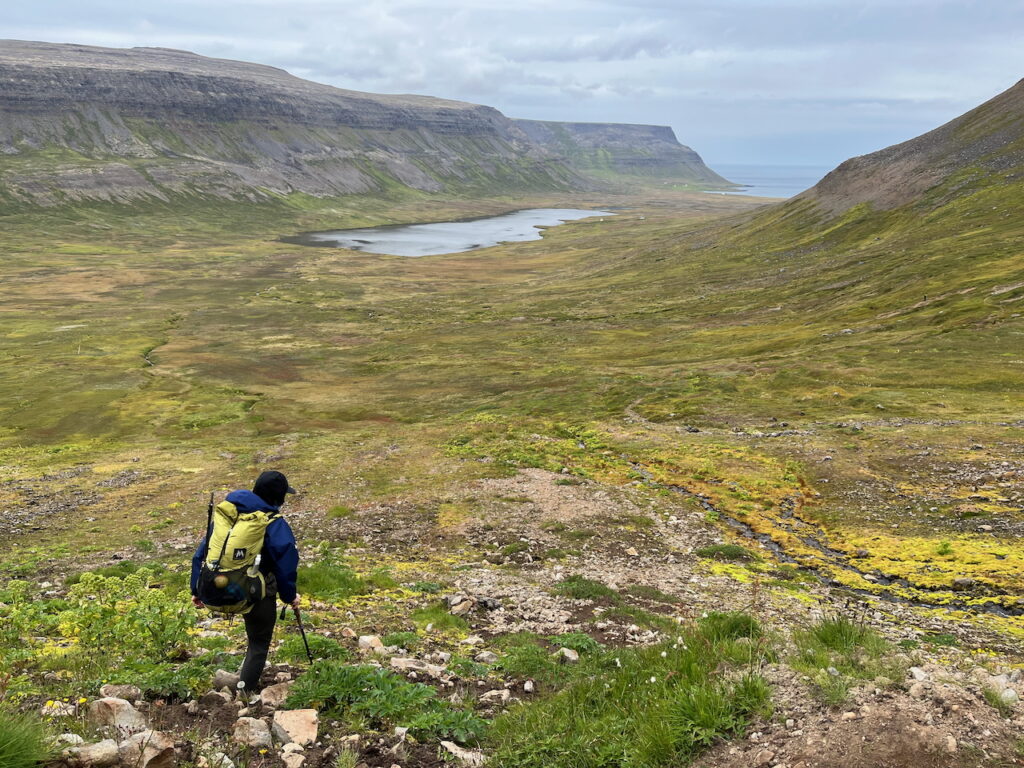
- Terrain: Primeval tundra, steep mountain passes, coastal beaches, and rocky plateaus.
- Start/Finish: The historic settlement of Hesteyri.
- Access: Only via boat from the town of Ísafjörður during the summer season (typically mid-June to late August).
A Chronicle of the Trek
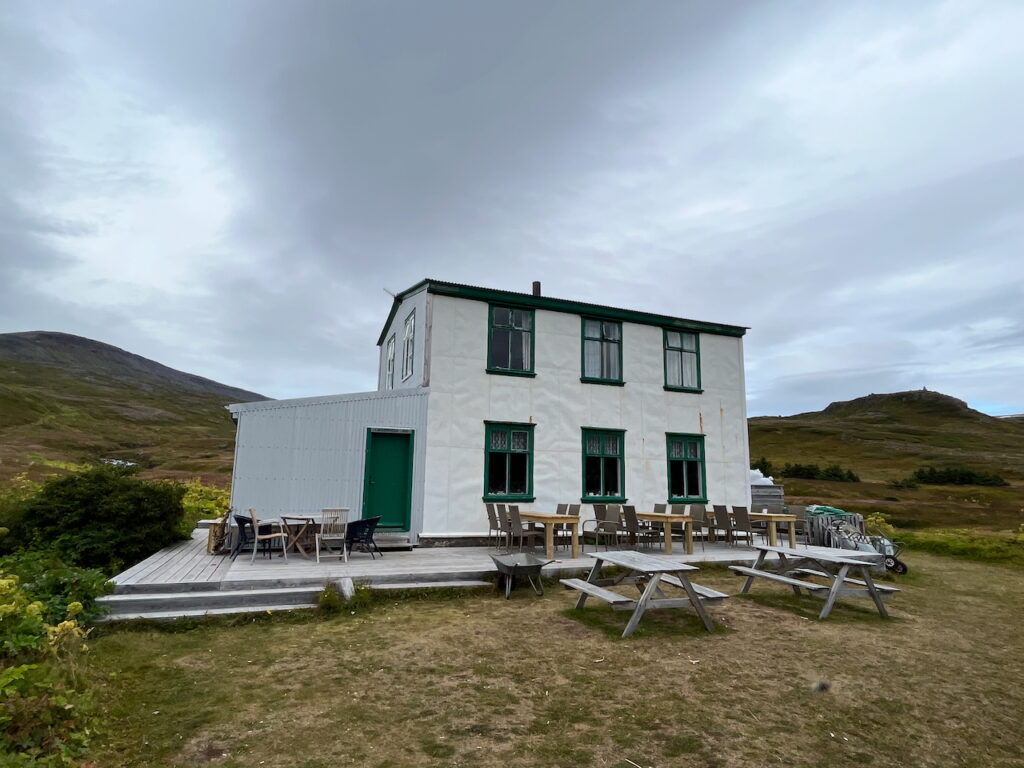
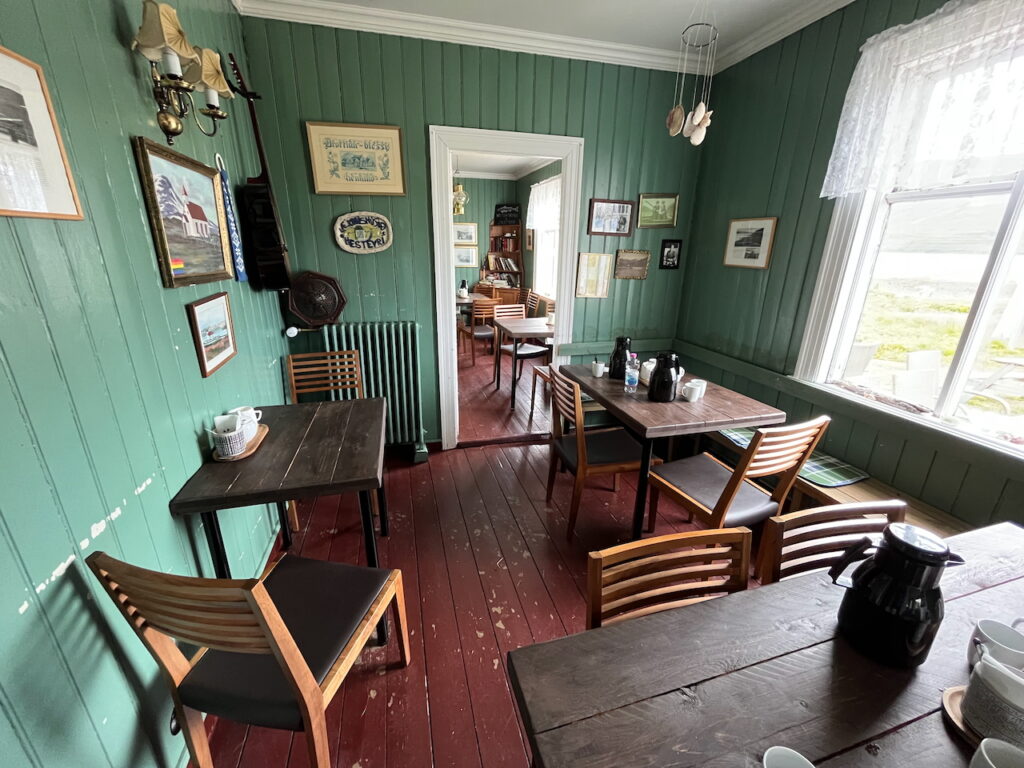
The journey begins at Hesteyri, where the 100-year-old "Old Doctor’s House" stands as the lone sentinel of civilization. For many, this guesthouse serves as the final taste of comfort before disappearing into the wilderness.
Days 1 & 2: Into the Void
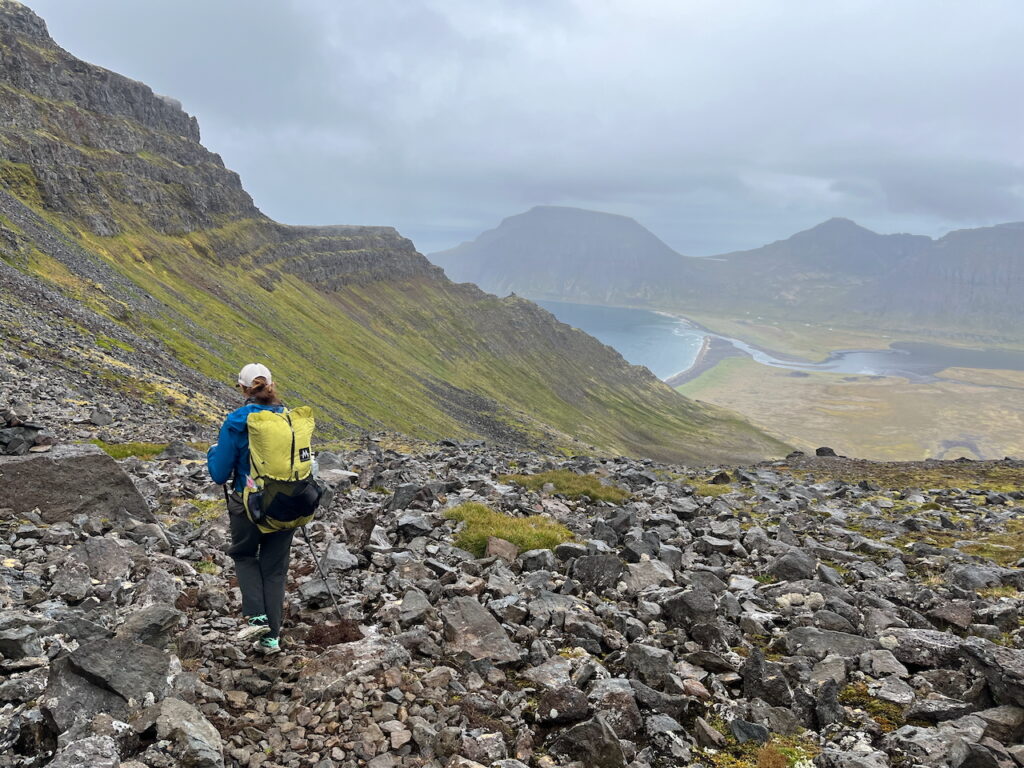
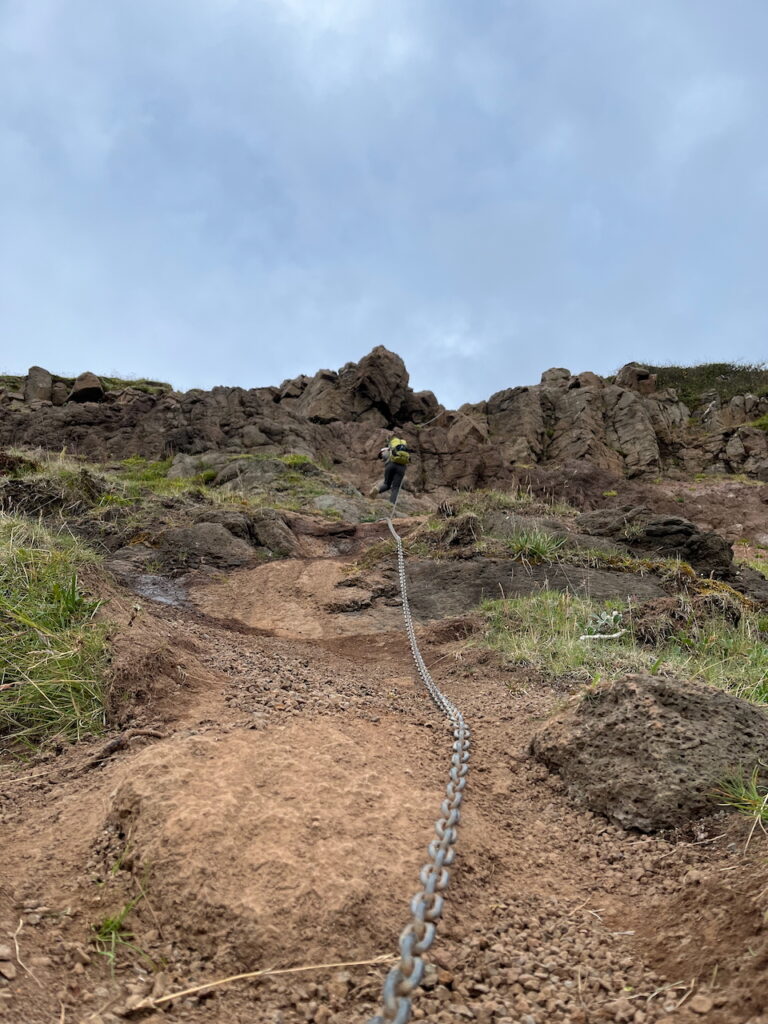
The first leg of the journey leads hikers away from the Hesteyri fjord and into the heart of the reserve. The terrain is immediate and demanding, featuring steep ascents and a descent that occasionally requires navigating man-made, weather-worn ladders built into the cliff faces. The landscape here is characterized by dramatic shifts; one moment you are traversing a mountain pass, and the next you are descending into the quiet, haunting beauty of Aðalvík Bay.
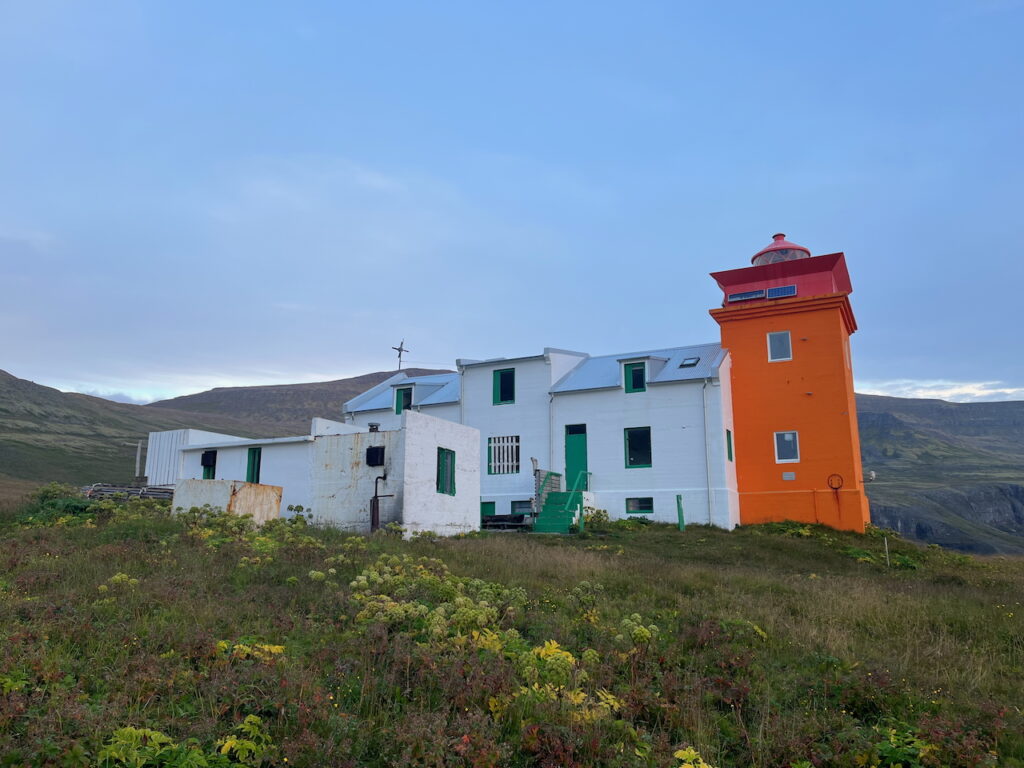
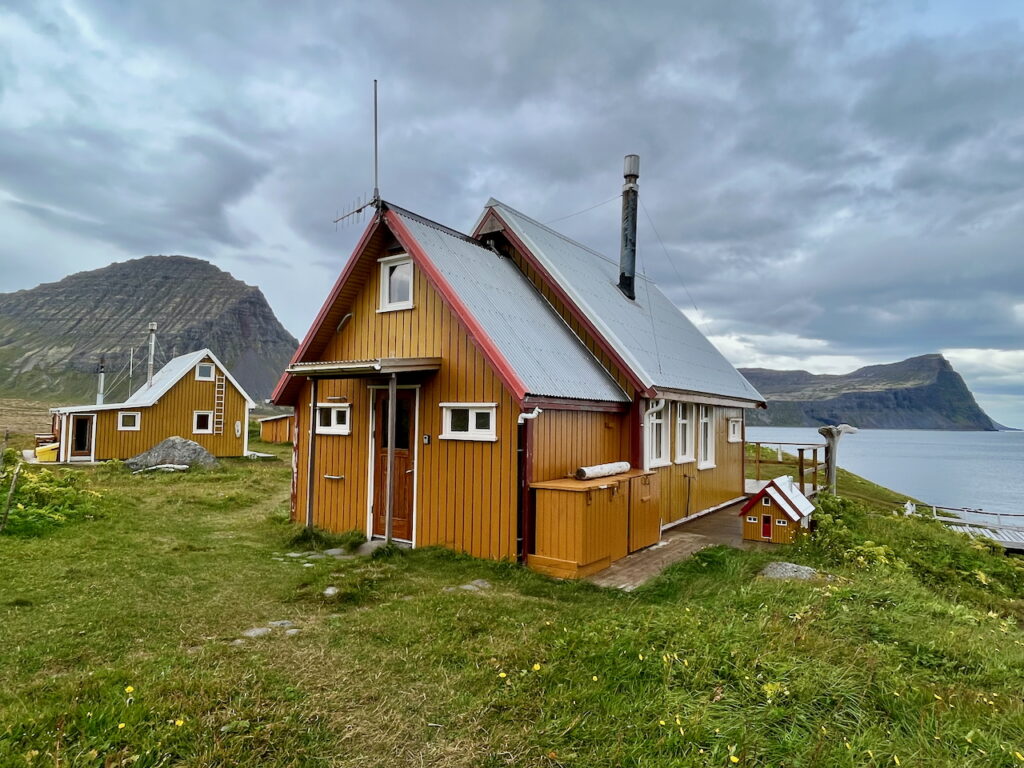
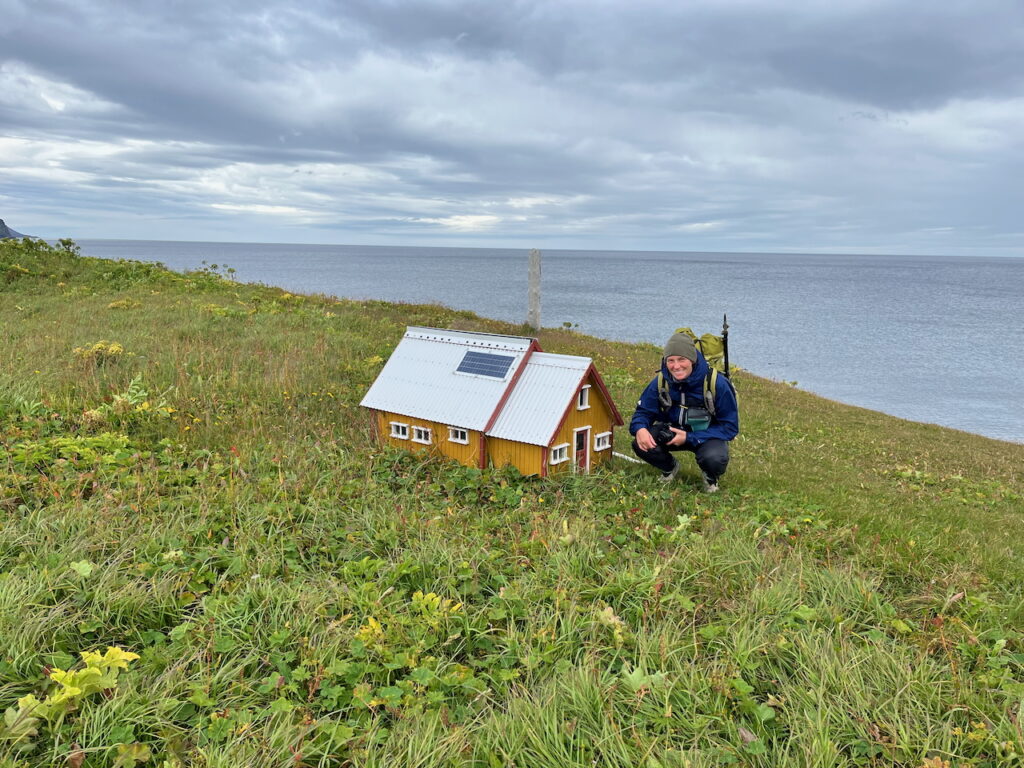
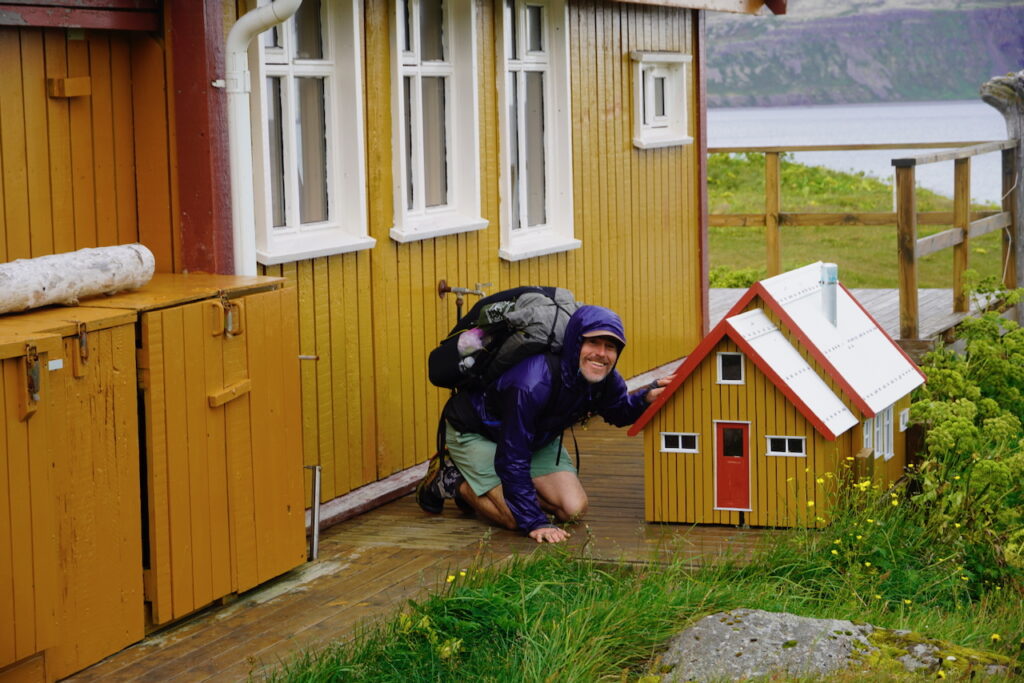
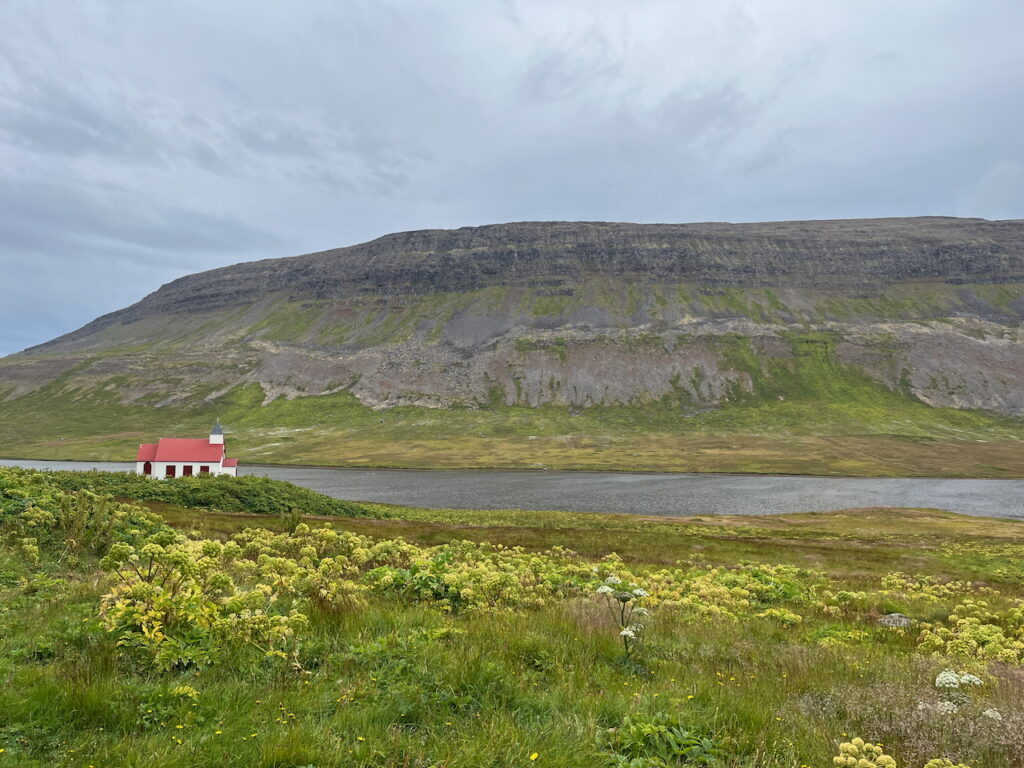
By the second day, the path takes you across rocky plateaus dotted with crystalline tarns. Hikers often encounter small, well-maintained summer cottages—descendants of the original settlers who maintain these structures as heritage sites. Curiously, one may also spot álfhóll (elf houses)—miniature structures built in deference to the Huldufólk, or "hidden people" of Icelandic folklore.
Days 3 & 4: The Kingdom of the Cliffs
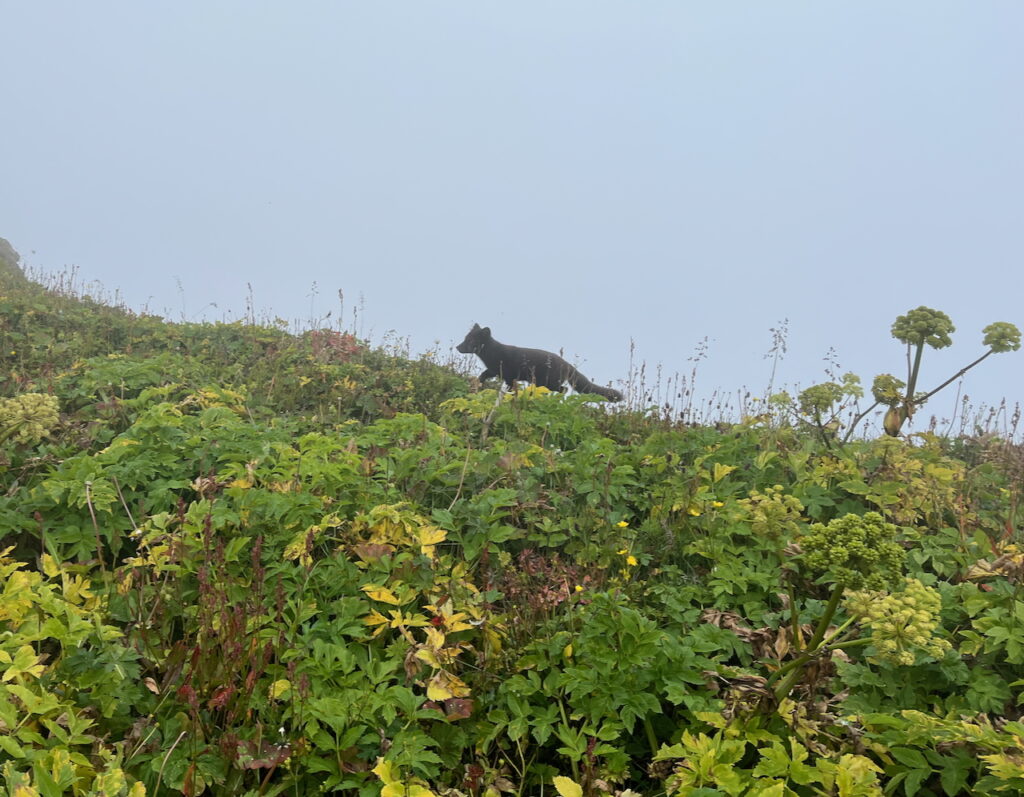
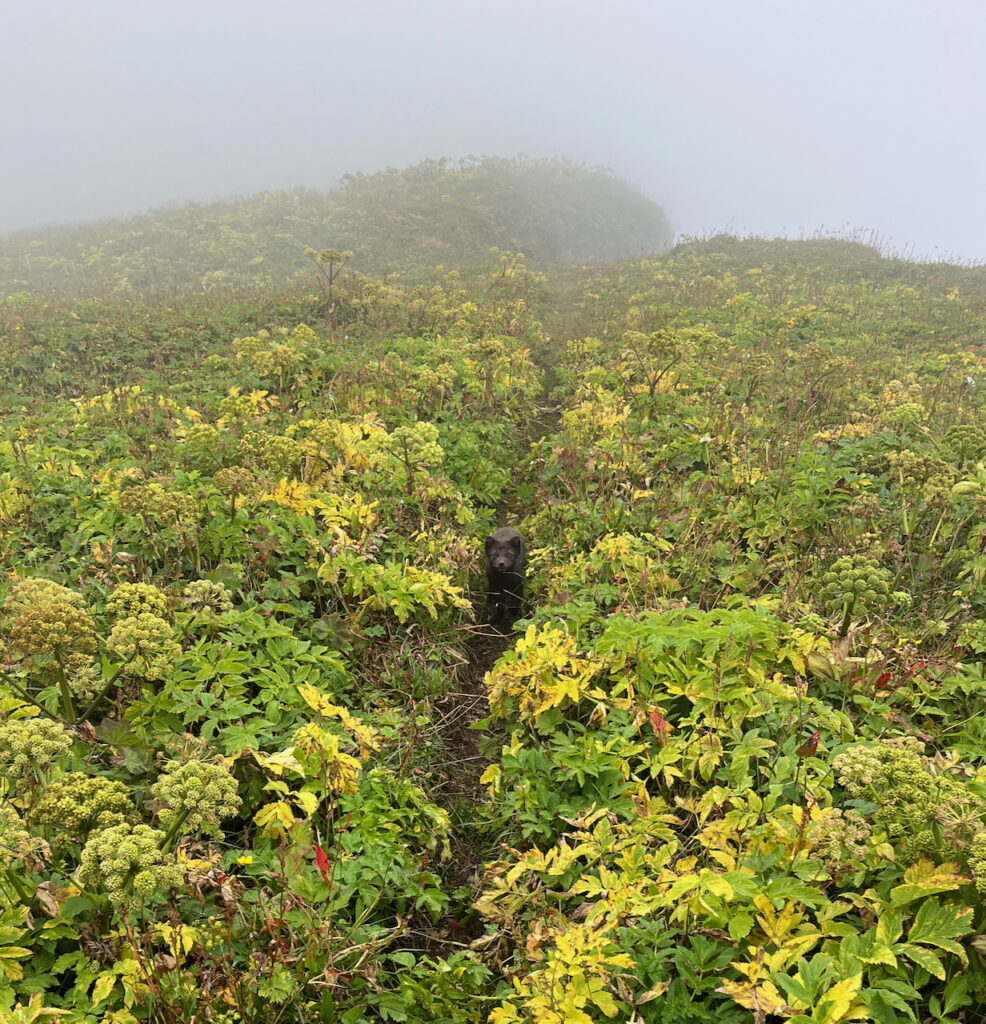
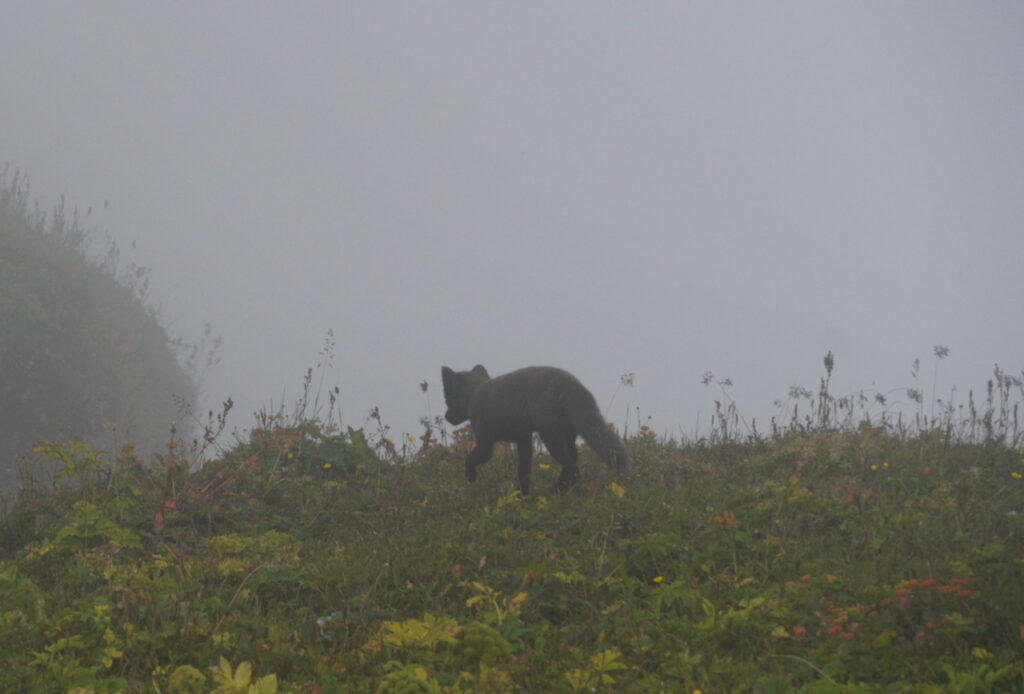
The third day marks a transition to the northern coastline, where the landscape opens up to the black sands of Hornsvík. This is the realm of the Arctic fox. As Iceland’s only native land mammal, these creatures have become remarkably bold, often approaching hikers with a mixture of curiosity and caution.
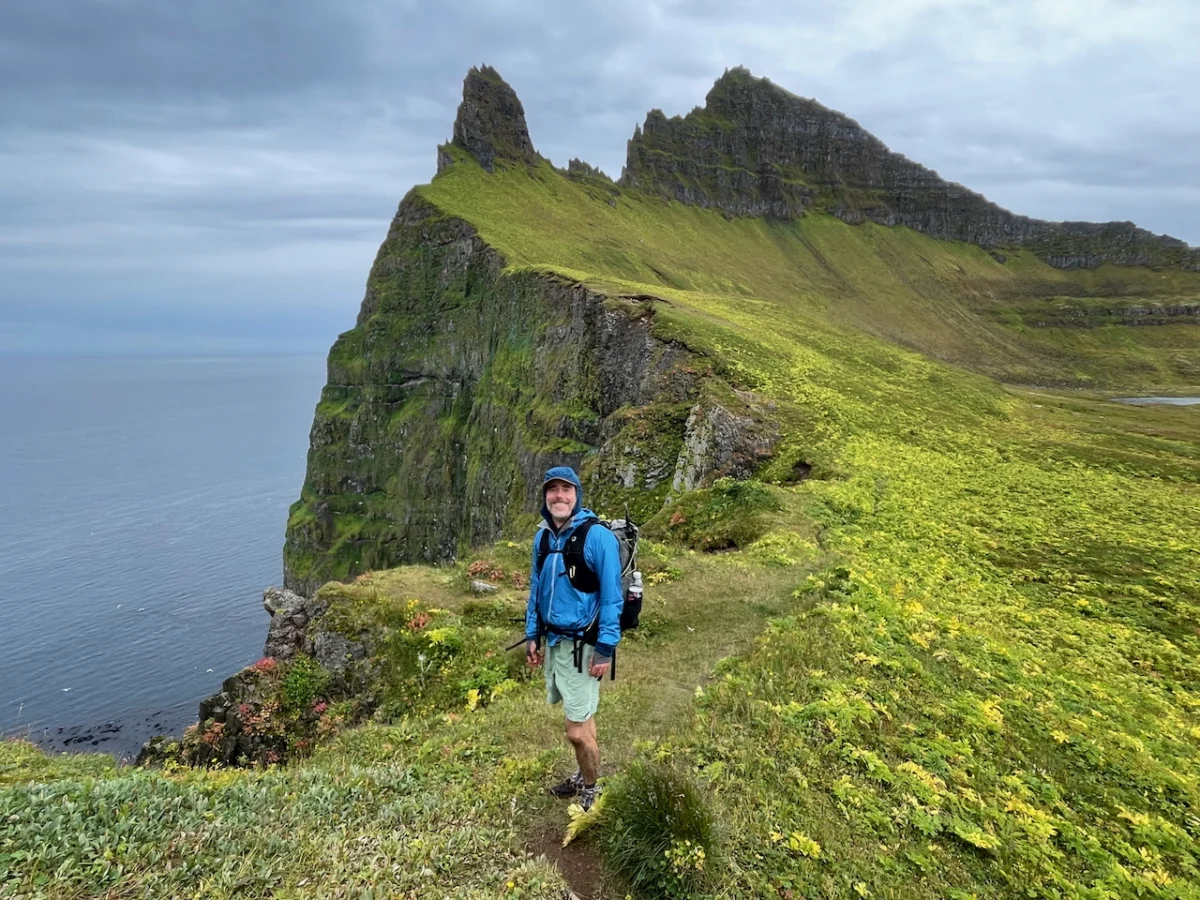
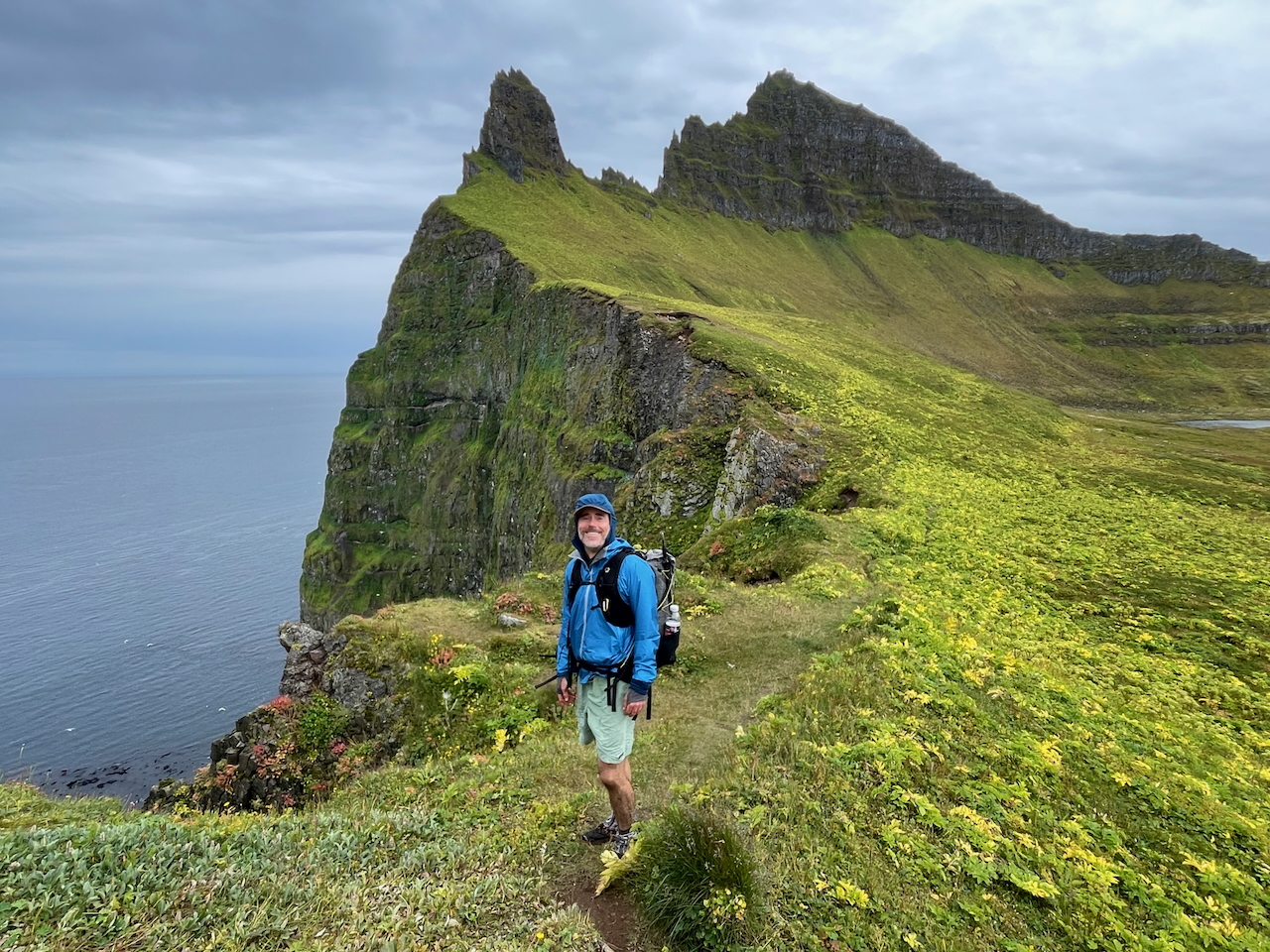
The highlight of the trek is undoubtedly the Hornbjarg cliffs. Rising over 500 meters (1,640 feet) vertically from the North Atlantic, these cliffs are home to one of the most significant seabird colonies in the Arctic. The sheer scale is dizzying; the collective roar of thousands of kittiwakes, guillemots, and razorbills creates an auditory backdrop that defines the Hornstrandir experience.
Days 5 & 6: The Return to Hesteyri
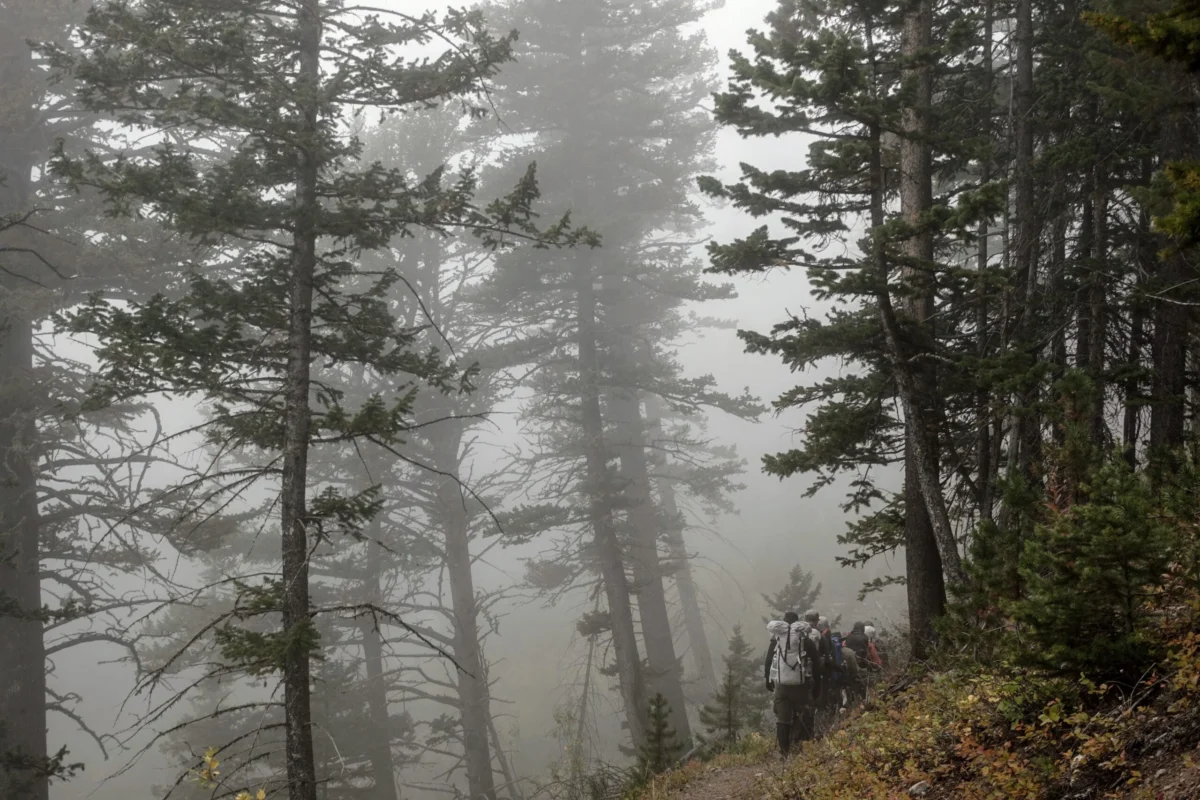
The final days involve navigating the challenging mountain passes of Kýrskarð and Hafnarskarð. The weather in Hornstrandir is notoriously fickle; a sunny morning can rapidly devolve into a thick, disorienting fog. The final descent back to Hesteyri is a relief for the weary, ending with the symbolic reward of a fresh crepe and hot coffee at the Old Doctor’s House, followed by a boat ride that often includes sightings of humpback whales in the surrounding fjords.
Environmental and Biological Significance
The pristine nature of Hornstrandir is not an accident; it is the result of strict environmental protections.
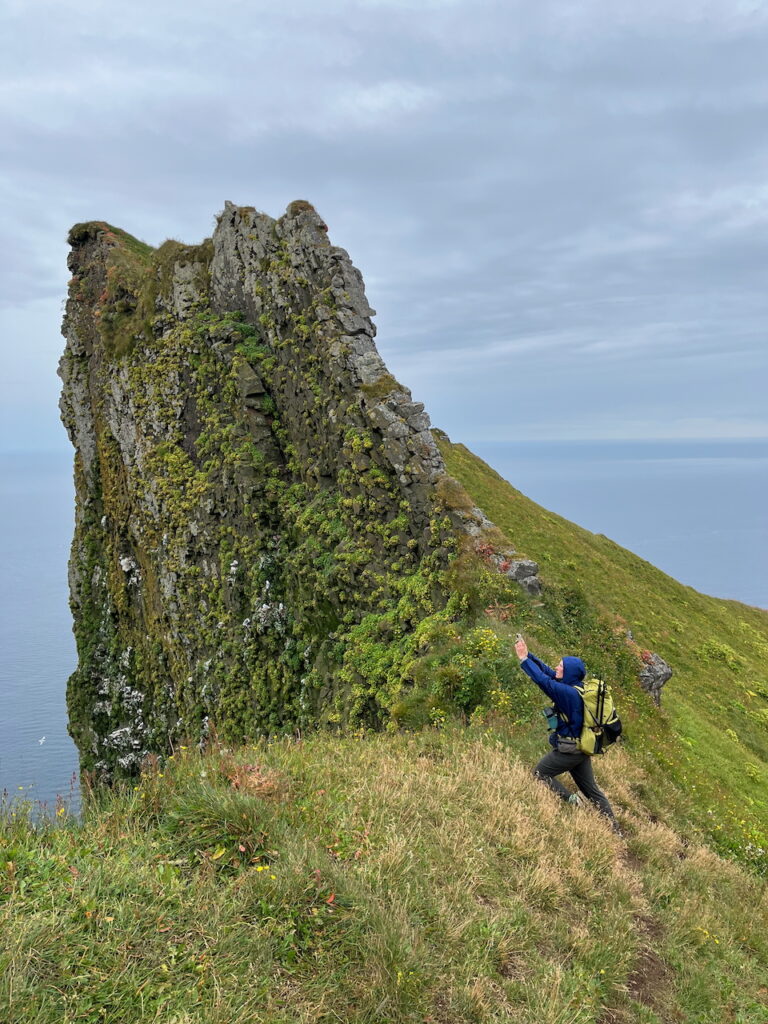
The Flora
With no grazing animals (such as sheep) allowed in the reserve for over half a century, the botanical diversity has flourished. Researchers have recorded over 260 species of vascular plants in the area. From the vibrant Arctic lupine to the hardy crowberry and bog rosemary, the landscape serves as an open-air laboratory for sub-arctic vegetation.
The Seabird Stronghold
The sea cliffs of Hornbjarg are critical to the survival of several species. Because these ledges are largely inaccessible to land-based predators, they serve as a safe haven for nesting. Protecting these habitats is essential, as the health of these colonies is a direct indicator of the health of the North Atlantic marine ecosystem.
Historical Context: A Vanished Community
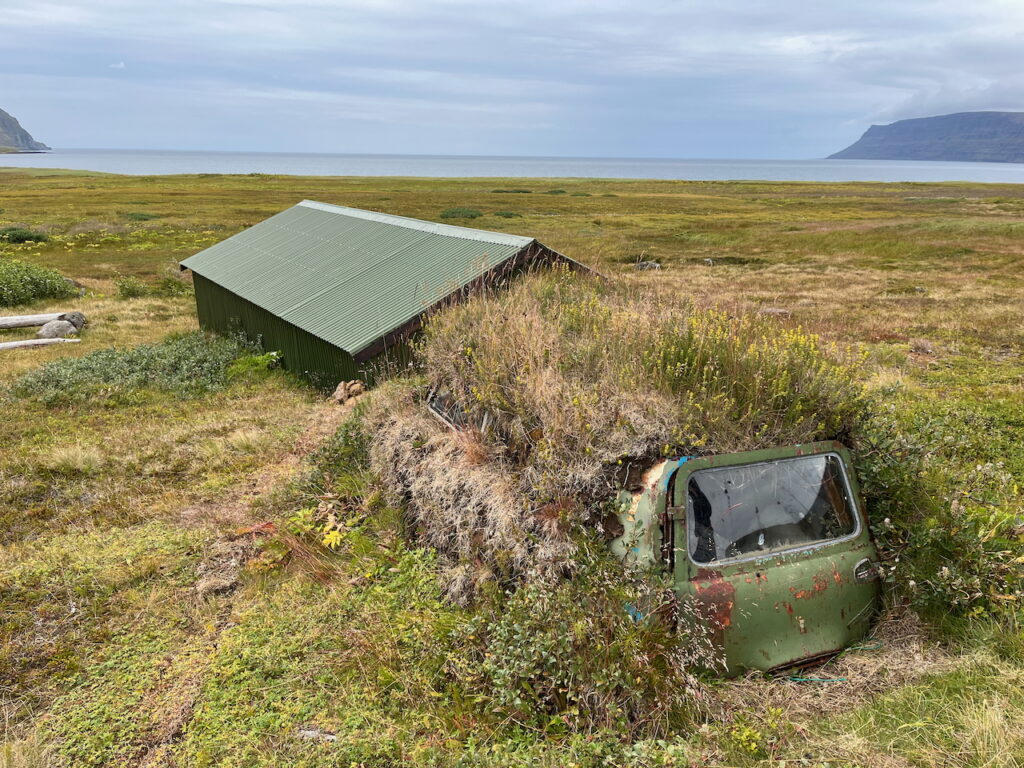
The history of Hornstrandir is a poignant study in the evolution of human survival. Until the 1950s, the peninsula supported a small, hardy population of farmers and fishermen.
The decline was swift and absolute. The Great Depression, coupled with the collapse of the salt-fish market in the 1930s, made the traditional way of life economically untenable. By the 1940s, the closure of the herring station at Hesteyri acted as the final blow. By 1952, the last permanent residents had packed their belongings and moved to the mainland, leaving behind a ghost landscape. In 1975, the government officially designated the area a nature reserve, ensuring that the mark of humanity would be limited to the seasonal visits of hikers and the maintenance of summer cottages.
Implications for Modern Conservation
The existence of Hornstrandir raises significant questions regarding the balance between human exploration and ecological preservation.
- The "Leave No Trace" Mandate: Because the ecosystem is fragile, visitors are strictly required to adhere to "Leave No Trace" principles. The lack of infrastructure means that human waste, discarded gear, or off-trail hiking can cause permanent damage to the slow-growing tundra.
- Climate Sensitivity: As temperatures in the Arctic rise, the delicate balance of the flora and fauna in Hornstrandir is shifting. The encroachment of invasive species and the changing migratory patterns of birds are subjects of ongoing monitoring by Icelandic environmental authorities.
- Sustainable Tourism: While the remoteness of the peninsula acts as a natural buffer against mass tourism, the increasing popularity of "extreme" hiking has forced local authorities to implement stricter regulations on camping and access.
Conclusion: The Value of Silence
In an increasingly connected and noisy world, Hornstrandir offers something invaluable: a space where the rhythm of life is dictated solely by the elements. Whether you are watching a curious Arctic fox navigate the mist or listening to the crashing waves against the base of a 500-meter cliff, the experience is transformative.
The journey through the Westfjords is not merely a hike; it is a pilgrimage to the edge of the map. It reminds us that there are still places on Earth that do not answer to our schedules or our demands. As long as the peninsula remains protected, it will continue to stand as a testament to the resilience of nature and the enduring appeal of the wild.
For those who make the journey, the return to "civilization" feels less like coming home and more like leaving a sanctuary. The memories of the black sands, the emerald cliffs, and the absolute, profound silence of the north will linger long after the boots are cleaned and the gear is stored away.
Note: For those planning a similar expedition, ensure that your gear is rated for extreme, unpredictable weather. Carrying a high-quality, wind-resistant shelter, such as a double-walled tent, is highly recommended to survive the fierce gusts that can sweep across the peninsula at any moment.