While the quiet, unassuming forests of Kainuu, Finland, hold their own botanical secrets—such as the elusive coralroot, the heart-leaved twayblade, and the lesser butterfly-orchid—true orchid enthusiasts often find themselves drawn to the more dramatic landscapes of the southern Baltic. For those who seek the elusive beauty of rare orchids, the islands of Sweden and Estonia serve as a siren song.
In this exploration, we venture beyond the Finnish taiga to the limestone-rich soils of Vormsi, Estonia, where a decade of residency offered a masterclass in the survival strategies of some of Europe’s most enigmatic plant species.
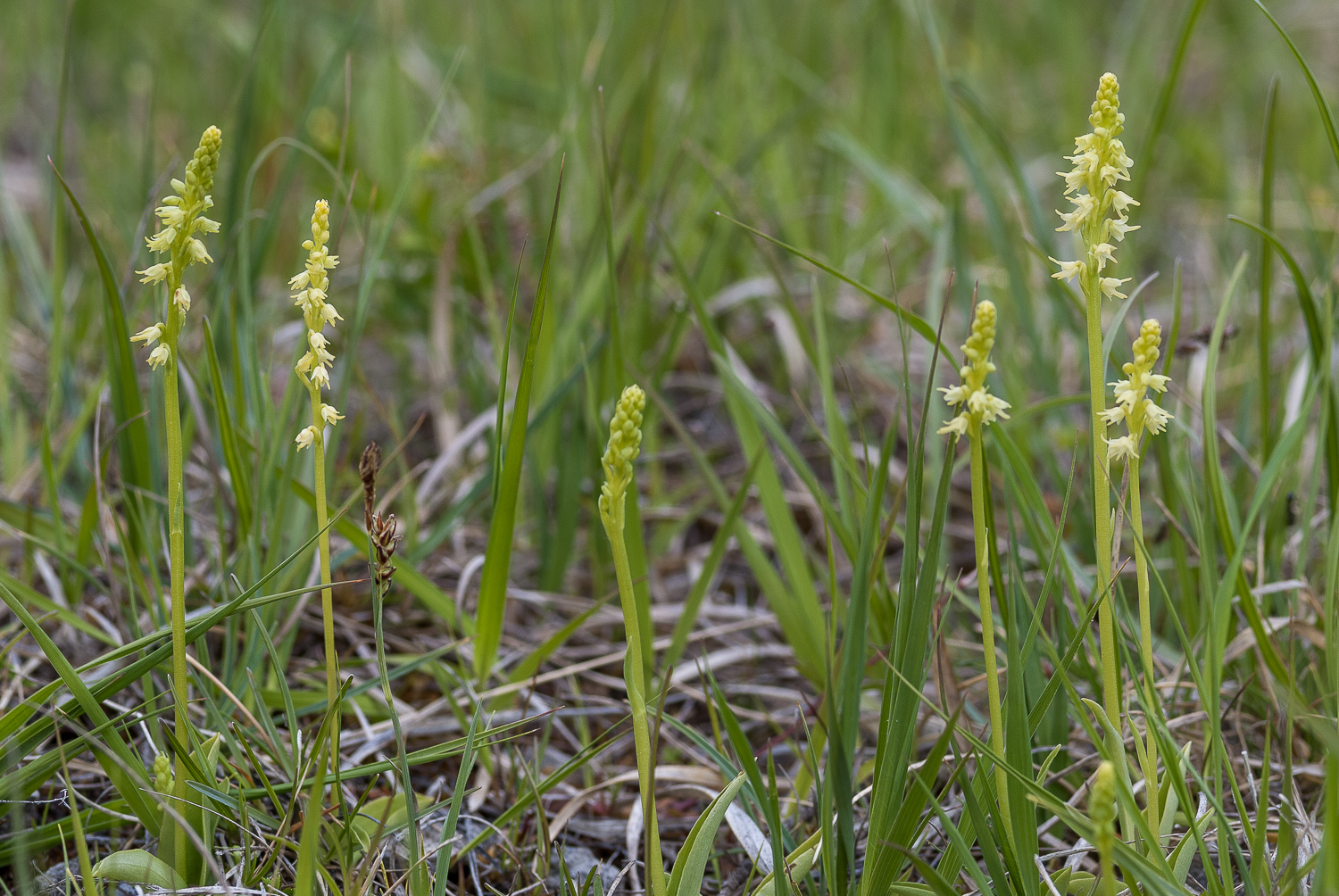
Main Facts: The Limestone Connection
Orchids are, by nature, opportunistic colonizers. However, their success in the Baltic region is inextricably linked to specific geological conditions. Islands like Gotland and Öland in Sweden, and Saaremaa and Vormsi in Estonia, are renowned as "orchid paradises."
The secret lies in the alvar biotope—a rare habitat characterized by thin, nutrient-poor soil overlying a solid limestone bedrock. This creates a semi-open, meadow-like environment that many of these delicate species require to thrive. Unlike the acidic, nutrient-heavy soils common in parts of Finland, the alkaline limestone base provides the specific chemical environment these plants need to form the symbiotic relationships with mycorrhizal fungi that are essential for their germination and growth.
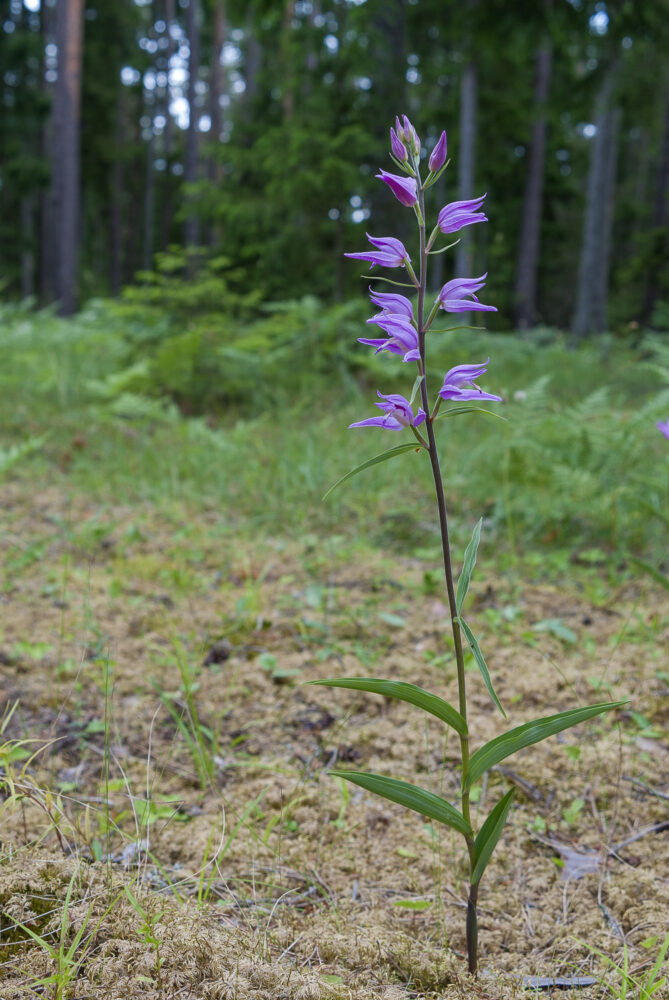
Chronology: From Finnish Soil to Estonian Meadows
The author’s journey began in the rugged wilds of Kainuu, where finding a wild orchid is a test of patience. The transition to Vormsi, Estonia, in the early 2000s marked a shift in perspective. Over ten years, the landscape provided an intimate look at species that are either critically endangered or entirely absent from the Finnish mainland.
- The Early Years (Early 2000s): Initial discovery of Cephalanthera rubra (red helleborine) in the coniferous forests surrounding the Vormsi homestead.
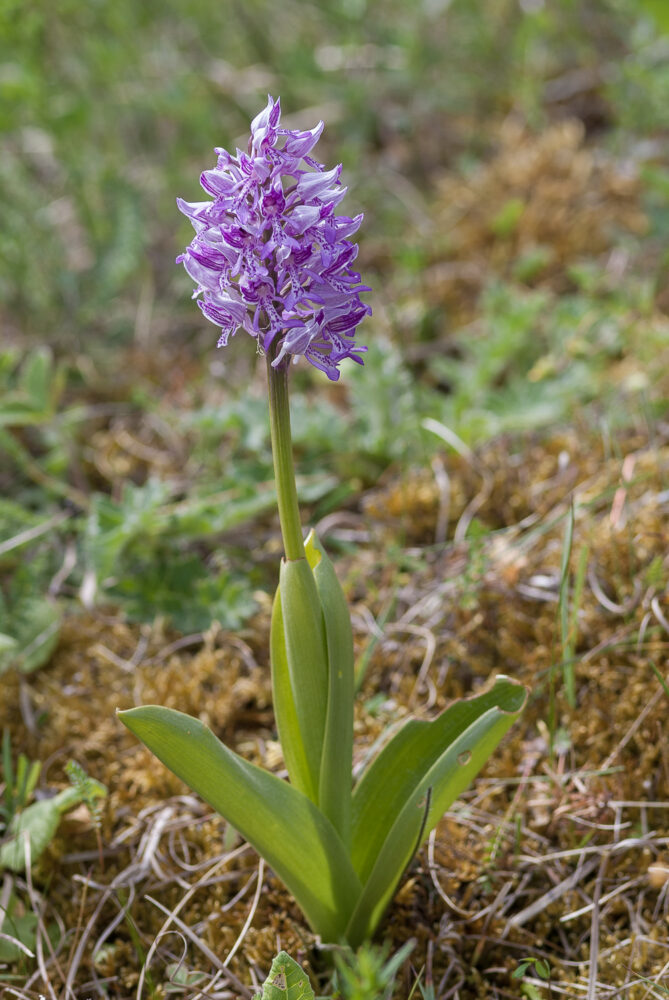
- 1983: The first confirmed sighting of Orchis militaris (military orchid/soikkokämmekkä) in Parainen, Finland, after a long period of confusion regarding historical herbarium specimens.
- 1930s–1975: A period of local extinctions in Finland for the Herminium monorchis (musk orchid), primarily due to agricultural expansion and the abandonment of traditional grazing practices.
Supporting Data: The Oikulliset (Capricious) Orchids
The botanical behavior of these plants is as complex as their appearance. Several species display "oikullinen" (capricious) traits, appearing for a single season before vanishing back into the soil for years.
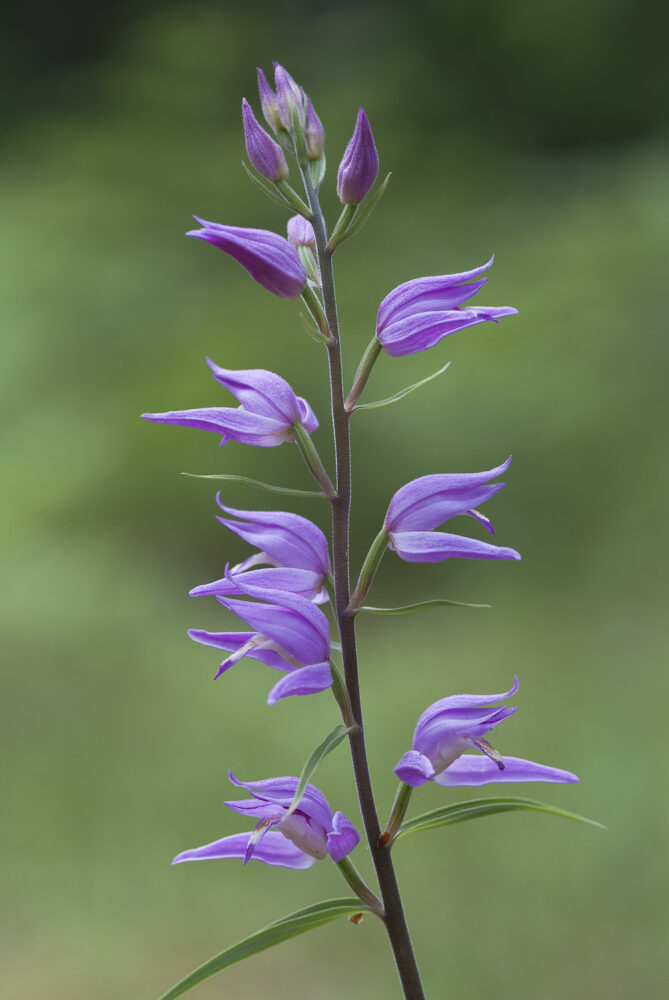
The Red Helleborine (Punavalkku)
The red helleborine is arguably the most temperamental of the group. In Finland, it has been recorded at only a few dozen sites, most notably around Lake Lohja. It is notoriously difficult to track because it does not bloom with any regularity. In Vormsi, however, the plant thrived along the edges of old, mossy coniferous forest trails. Interestingly, the red helleborine offers no nectar and produces no scent, relying entirely on the visual allure of its violet-red petals to trick pollinators—a strategy that highlights the high-stakes gamble of orchid reproduction.
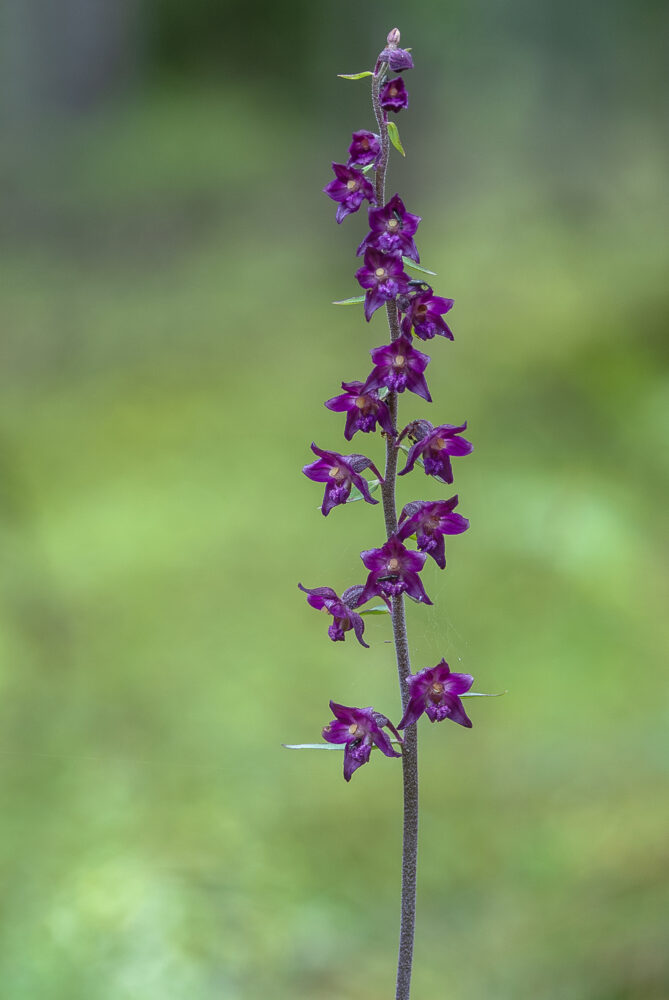
The Sword-Leaved Helleborine (Miekkavalkku)
Known for its striking appearance, the sword-leaved helleborine has become a tragic example of habitat loss. In Finland, it is found only in Åland, where populations have plummeted due to forest management and the encroachment of shrubbery. Furthermore, a significant threat has emerged: the growing population of roe deer, which graze on the flower stalks, effectively sterilizing the local population.
The Lady’s Slipper (Tikankontti)
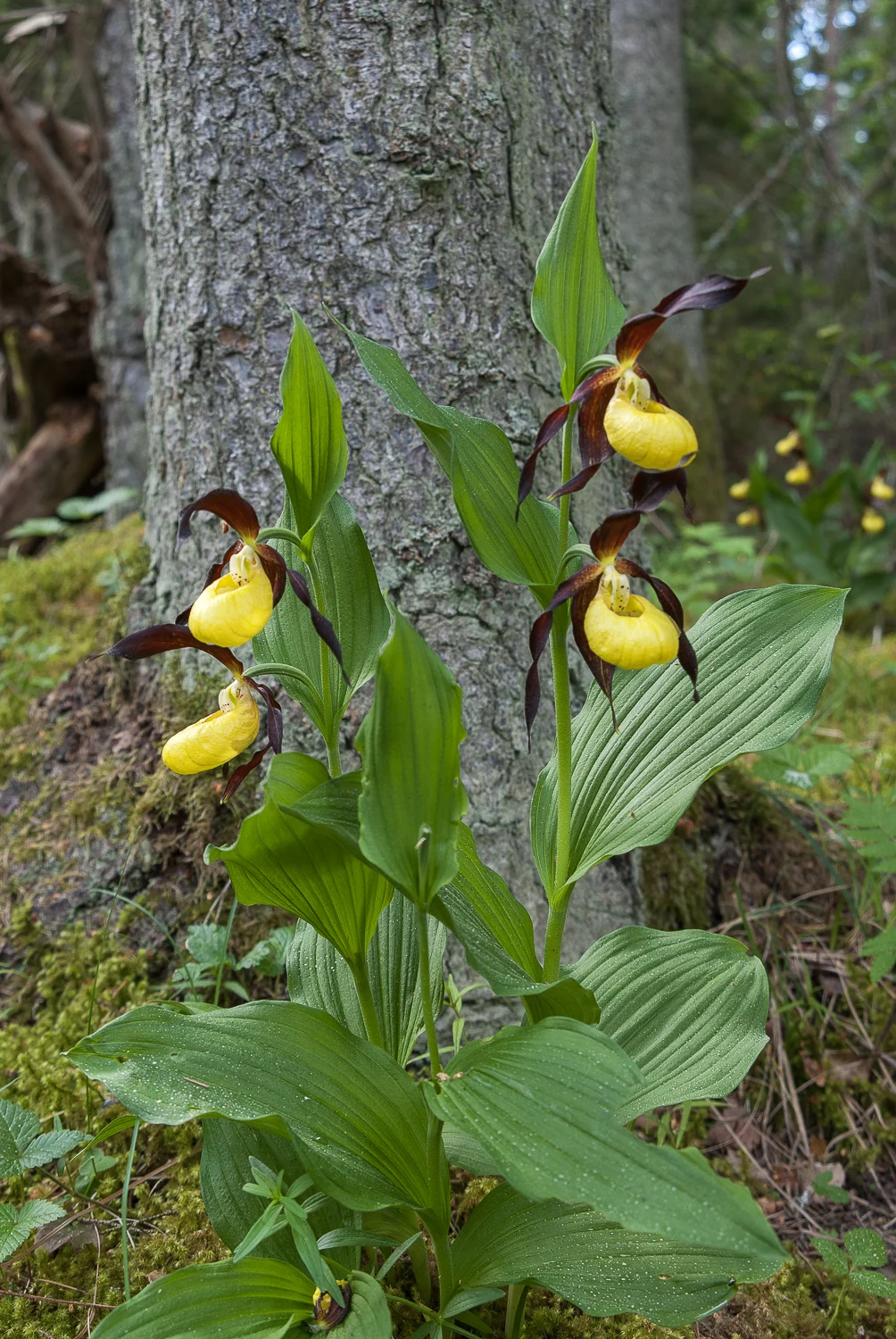
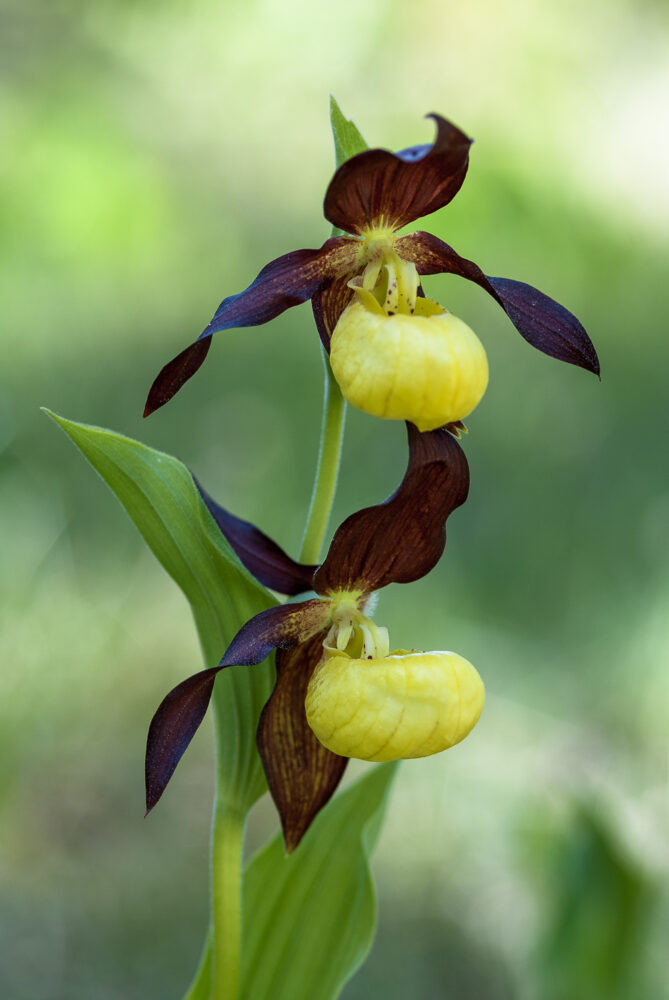
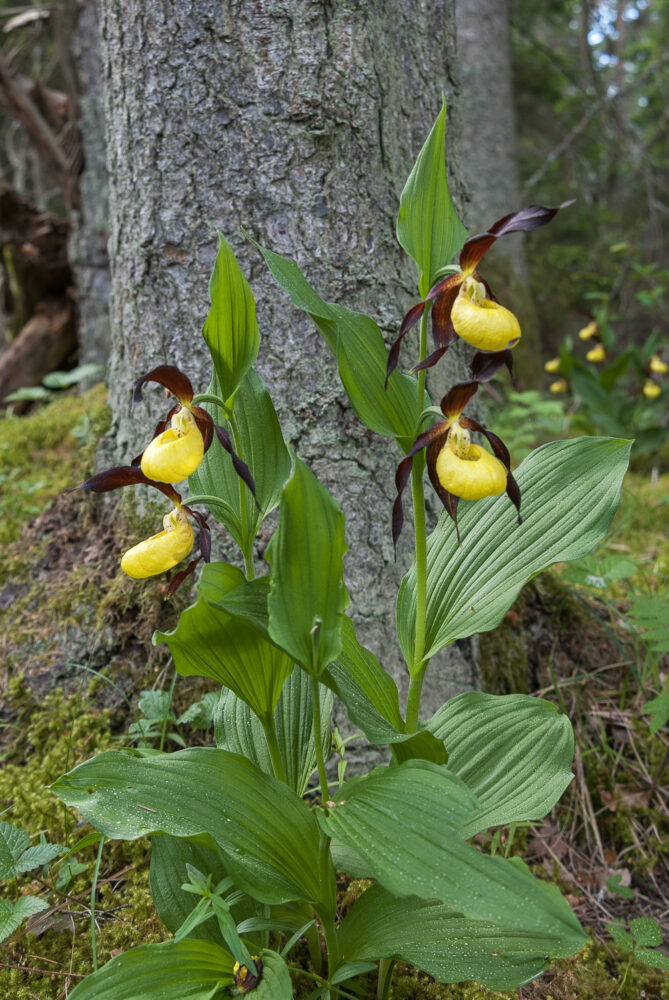
The lady’s slipper is perhaps the most iconic orchid of the northern latitudes. Its name, kuldking (golden shoe) in Estonian, perfectly describes its bulbous, yellow labellum. Its pollination mechanism is a masterpiece of evolutionary engineering: the flower traps small insects, forcing them to navigate a narrow, difficult path to escape, during which they are dusted with sticky pollen. Despite the plant’s beauty, it is highly sensitive to light and nutrient levels, favoring nutrient-rich fens and lush leaved forests.
The Musk Orchid (Mesikämmekkä)
A tiny, unassuming plant, the musk orchid serves as a reminder of the fragility of biodiversity. Once found in Tuulos, Finland, it was lost to agricultural clearing in the 1930s. Its subsequent loss in Åland due to the overgrowth of abandoned pastures mirrors a broader trend: as traditional, low-intensity farming dies out, the specific open habitats these orchids require disappear with it.
Official Responses and Conservation Efforts
Conservationists argue that the protection of these species requires a shift in land management. Because these orchids rely on the "alvar" style of landscape, modern forestry and industrial farming are inherently hostile to their survival.
According to data from the Pohjolan kasvien pauloissa (Enthralled by Northern Plants) project, led by Hannu Kämäräinen, the primary challenge is not just the protection of individual plants, but the maintenance of the ecosystem services that sustain them. This includes:
- Grazing Regimes: Reintroducing livestock to prevent the scrub-encroachment that suffocates smaller orchids.
- Limestone Preservation: Protecting the thin soil layers from drainage and industrial runoff.
- Seed Dispersal Management: Understanding that while seeds can travel vast distances on air currents, they are essentially "lost" if they do not land on soil containing the specific fungal partners required for their initial growth.
Implications: The Future of Baltic Orchids
The disappearance of species like the musk orchid from Finnish soil is a cautionary tale. It suggests that once a habitat is modified beyond a certain threshold, the recovery of these specialized plants is unlikely without decades of restorative effort.
The fact that these orchids can occasionally reappear—as seen with the erratic blooming of the red helleborine—gives a glimmer of hope that the seeds of these plants are still circulating in the atmosphere, waiting for a "window of opportunity." However, this is not a sustainable conservation strategy.
For the orchid hunter and the botanist alike, the lesson from Vormsi is clear: we are not merely preserving flowers; we are preserving the intricate, invisible networks of fungi and the specific, ancient land-use practices that allow these "capricious" beauties to exist. As we look to the future, the survival of these orchids will depend on our ability to value the "unproductive" limestone barrens and the traditional meadows that have sustained them for millennia.
For those interested in supporting the ongoing documentation of these species, consider subscribing to journals like Suomen Luonto, which provide critical, evidence-based reporting on the state of our changing natural environments.