In an era where indoor air quality has become a paramount concern—from wildfire smoke seasons to the daily accumulation of allergens and volatile organic compounds (VOCs)—choosing the right air purifier is no longer a luxury; it is a fundamental component of home health. However, the market is saturated with "smart" gadgets, varying filtration technologies, and claims that often collapse under rigorous testing.
To cut through the marketing noise, we put a wide range of popular air purifiers through a series of grueling, real-world stress tests. By utilizing sealed testing environments and controlled smoke pollutants, we have evaluated which units truly clean your air and which are simply expensive fans with fancy lights.
Main Facts: The Reality of Modern Filtration
When evaluating an air purifier, the sheer number of features—Wi-Fi app connectivity, LCD screens, and automated sensor modes—can distract from the primary objective: air exchange. The Centers for Disease Control and Prevention (CDC) recommends aiming for five air exchanges per hour (ACH). To achieve this, a device must be sized correctly for the room it occupies, factoring in both the square footage and the ceiling height.

Our testing revealed a stark divide between high-performance workhorses and lackluster consumer electronics. While devices like the IQAir HealthPro Plus XE demonstrated nearly instantaneous remediation of hazardous smoke, others, such as the Shark BreatheClear Max, struggled significantly, failing to auto-adjust to pollution spikes and requiring manual intervention that spanned hours rather than minutes.
Chronology of Our Stress Testing
To ensure consistency, our testing protocol involves placing each purifier inside a sealed, controlled tent environment. We then introduce smoke pellets—a common proxy for wildfire smoke and particulate matter (PM 2.5)—and measure how quickly each unit returns the air to a "good" status according to independent monitoring equipment.
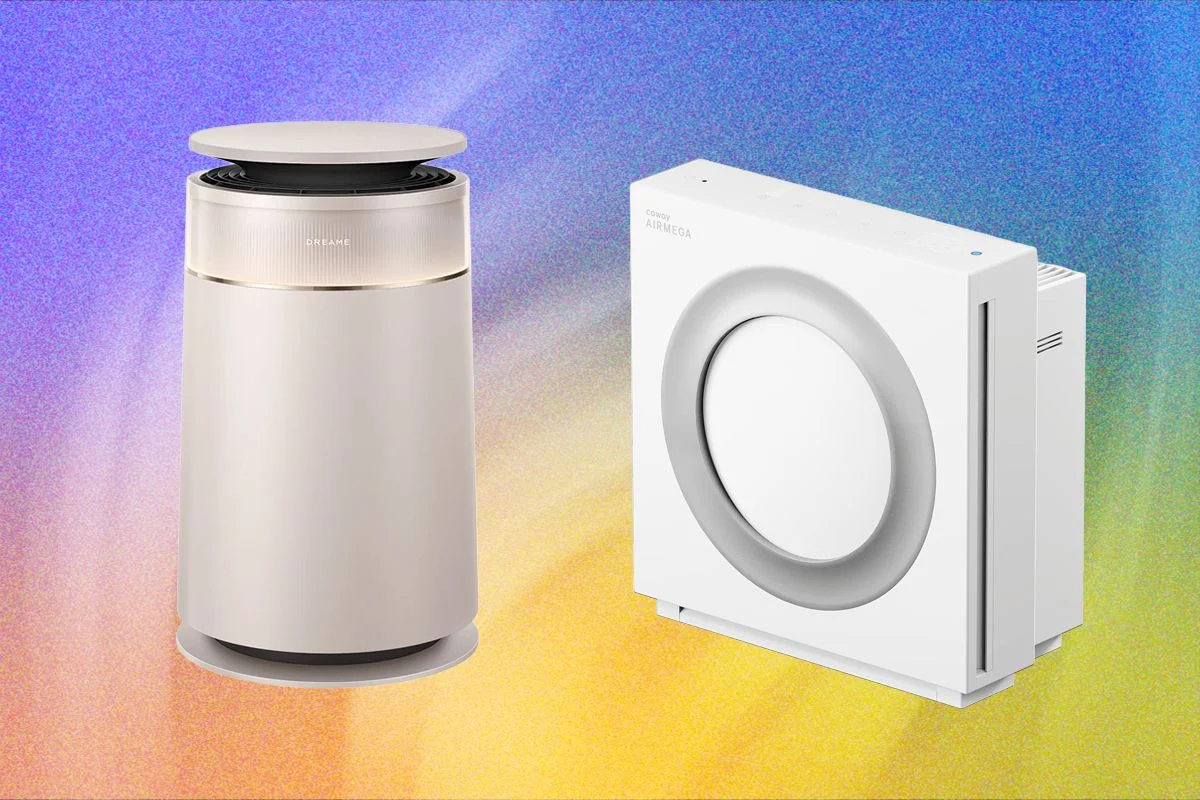
- The High Performers: The Levoit Vital 200S-P and the Coway Airmega Mighty2 both proved remarkably efficient, clearing smoke from the tent in four minutes and 15 seconds and four minutes and 10 seconds, respectively.
- The Gold Standard: The IQAir HealthPro Plus XE set the bar, preventing visual clouding of the tent entirely and returning levels to "good" within three minutes, even when the environment was initially marked as "hazardous."
- The Disappointments: The Shark BreatheClear Max served as a cautionary tale. Despite its advanced scanning technology (which claims to scan the air 3,600 times per hour), the unit failed to engage its high-speed filtration when the smoke was introduced. The resulting manual restart and five-hour recovery time highlighted the danger of over-relying on automated settings that may fail in critical moments.
Supporting Data: Understanding Your Air
Beyond simple speed, our analysis looked at the long-term usability and mechanical reliability of these units.

The Powerhouses for Large Spaces
For those living in homes with high ceilings, such as A-frame lofts, the Coway Airmega ProX stands out as a titan. At 50 pounds, it is not portable, but its capacity to perform four air exchanges per hour in a 1,000-square-foot space makes it essential for large-volume environments. Similarly, the IQAir GC MultiGas XE ($1,600) is a premium investment. While loud at its maximum setting (68 decibels), its ability to capture toxic gases and VOCs makes it an industrial-grade solution for residential use.
The Mid-Range Reliable Choices
The Coway Airmega 400S ($646) continues to be a favorite for its "set it and forget it" reliability. It successfully balances quiet operation with robust sensor-driven fan adjustments. Meanwhile, the Airthings Renew ($300) surprised us with its minimalist, versatile design, allowing for multiple orientations (upright or flat), though it is strictly limited to smaller spaces like bedrooms or offices.
Specialized Solutions
- Odor Removal: If your primary concern is not particulate matter but rather persistent odors—such as those from cat litter boxes or kitchens—the Oransi AirMend True Carbon is highly effective. It lacks a HEPA filter, meaning it cannot catch fine dust, but its massive 3-pound activated carbon block is unparalleled in neutralizing VOCs and smells.
- Small Space Efficiency: The Coway Airmega 50 ($80) proves that you don’t need a large footprint to clean a small room effectively, though users should be wary of the non-standard color-coded indicators used by the brand, which can be confusing compared to the EPA’s official Air Quality Index (AQI) standards.
Official Guidelines and Standards
When shopping, keep these technical pillars in mind:
.jpg)
- HEPA Certification: Always verify that the unit uses a True HEPA filter. These are capable of removing 99.97 percent of particles as small as 0.3 microns. They are the gold standard for allergy sufferers.
- Activated Carbon: Essential for those dealing with smoke, fumes, or chemical odors. Unlike HEPA filters, which capture physical particles, carbon filters "adsorb" gases.
- CARB Certification: The California Air Resources Board sets the strictest standards for air cleaners. If a device is not CARB-certified, it may be emitting harmful ozone. We strongly recommend avoiding any non-certified devices.
- UV-C Sanitizers: While often marketed as a high-tech add-on, UV-C light does not remove dust or VOCs. It is only effective when paired with a HEPA filter, and even then, its efficacy is debated. Always check the EPA’s list of ozone-safe appliances before purchasing a model with UV-C functionality.
Implications for the Consumer
The "smart" features that dominate modern marketing materials—like Wi-Fi connectivity and detailed app dashboards—are secondary to the core mechanical ability of the fan and filter. Our testing of the AirDoctor AD4000 highlighted a critical design flaw: a high price point ($429–$800) combined with a lack of basic connectivity and an alarming 100-decibel noise level at peak performance. When a device requires you to run it at a volume level that exceeds CDC workplace safety recommendations, it is fundamentally failing as a home appliance.
Furthermore, the "unboxing experience" remains a critical, often overlooked step. We encountered instances where the filter was still wrapped in plastic, rendering the unit useless. Always inspect your filters before initial startup.
How to Monitor Your Success
Don’t rely solely on the light on your air purifier. Many brands use custom color scales that do not match the EPA’s official AQI. To get a true picture of your home’s air quality, invest in a dedicated consumer monitor, such as the Airthings View Plus. These devices track CO2, humidity, and temperature, providing a holistic view of your indoor environment that most air purifiers cannot provide on their own.

The Verdict on Maintenance
Cost-effectiveness often comes down to the prefilter. Models with washable prefilters, such as the Airdog X5 (which uses electrostatic filtration) or the Coway Airmega 250, provide significant savings over the life of the machine. However, users must be disciplined in their cleaning schedule. A neglected prefilter is a bottleneck for airflow and can significantly degrade the unit’s performance over time.
Conclusion
The market for air purifiers is vast, but the choice should be driven by your specific environment. If you suffer from severe allergies, prioritize HEPA-heavy units with strong air-exchange ratings. If you live in a fire-prone area, prioritize activated carbon filters and high-CFM (cubic feet per minute) output. Finally, ignore the bells and whistles—if the device cannot effectively move air and adjust to changing conditions without needing a manual reset, it is not worth the floor space.
As we continue to monitor the market, our commitment remains to the data: we test for real-world efficacy, not just feature sets. By choosing a unit that aligns with your specific square footage and air quality goals, you can turn your home into a true sanctuary of clean, breathable air.