Date: July 28, 2026
Author: Tapio Kujala
For the dedicated insect enthusiast, the Estonian coastline—situated just a short ferry ride across the Gulf of Finland—represents far more than a mere neighboring destination. It is a biological goldmine. While many of us in Finland remain confined to our familiar northern fauna, the southern side of the Gulf serves as a gateway to species that have yet to cross the maritime barrier or remain significantly rarer on our own soil. This past summer, the Finnish Entomological Society embarked on a spring excursion to the vicinity of Tallinn, revealing a landscape teeming with life that challenges the traditional boundaries of Nordic entomology.
Main Facts: A Paradise Across the Gulf
The premise of the trip was simple: to explore the coastal habitats near Tallinn, areas that, despite their geographical proximity to Helsinki, harbor distinct ecological niches. For a Finnish collector, the allure lies in the "missing" species—insects that are widespread in the Baltics but struggle to establish themselves in the cooler, more isolated climate of Finland.
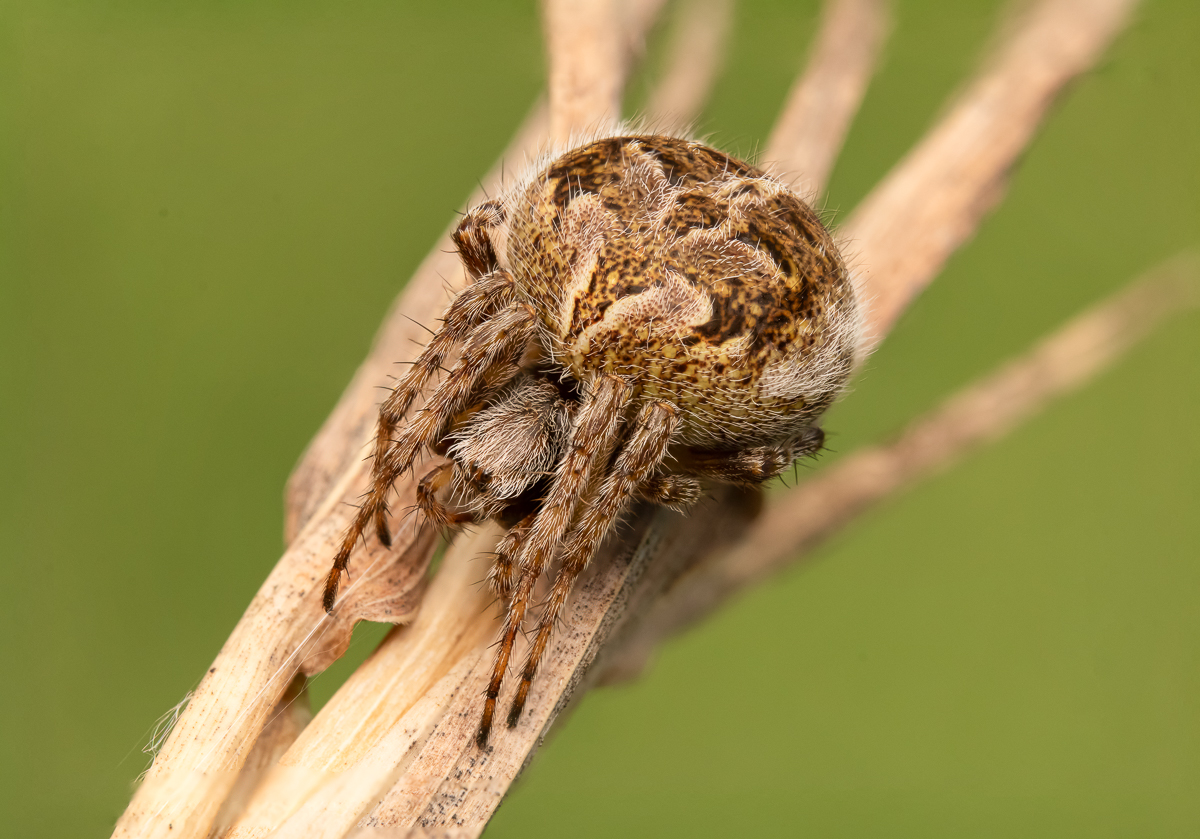
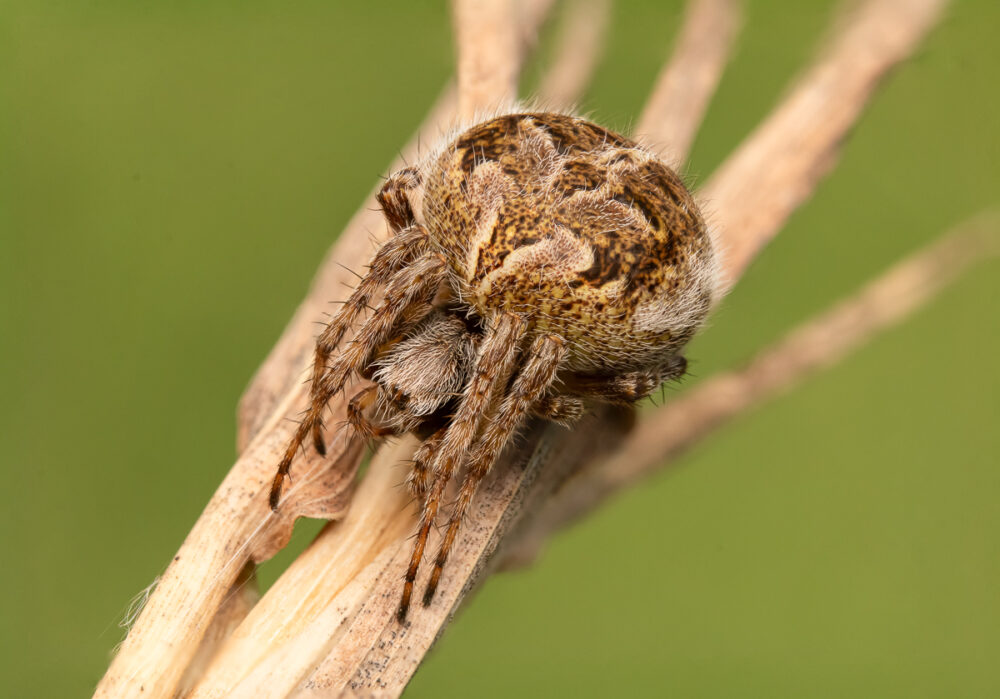
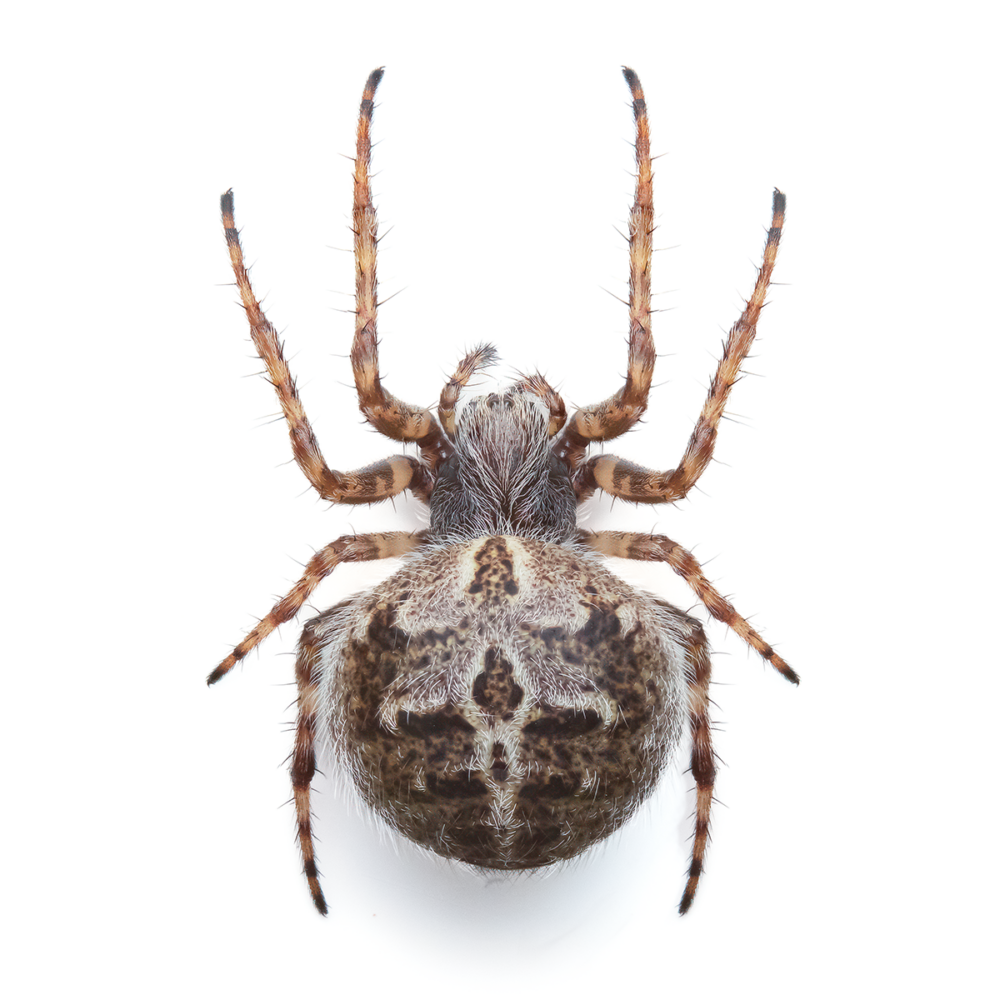
Among the notable findings during this expedition was the Agalenatea redii, colloquially known in Finnish as the "pörrökki." This orb-weaver spider serves as a perfect case study for the expedition’s objectives. In Finland, the Agalenatea redii is considered an unestablished, near-threatened species. In Estonia, however, it is a common inhabitant of the coastal scrub. Its name, derived from the Finnish word for "fluffy" or "bumble-like," reflects its adorable, round appearance—a stark contrast to the fearsome reputation often unfairly attributed to spiders.
Chronology of the Expedition
The Prelude: A Strategic Head Start
The official Finnish Entomological Society excursion was scheduled for a weekend. Recognizing that the logistics of ferrying a vehicle and navigating local terrain would consume too much time, we opted to extend the trip by arriving on Thursday. This decision proved invaluable. Having our own vehicle granted us the freedom to move between habitats, follow weather windows, and retreat to remote coastal stretches exactly when the atmospheric conditions favored insect activity.
Establishing a Base in Muraste
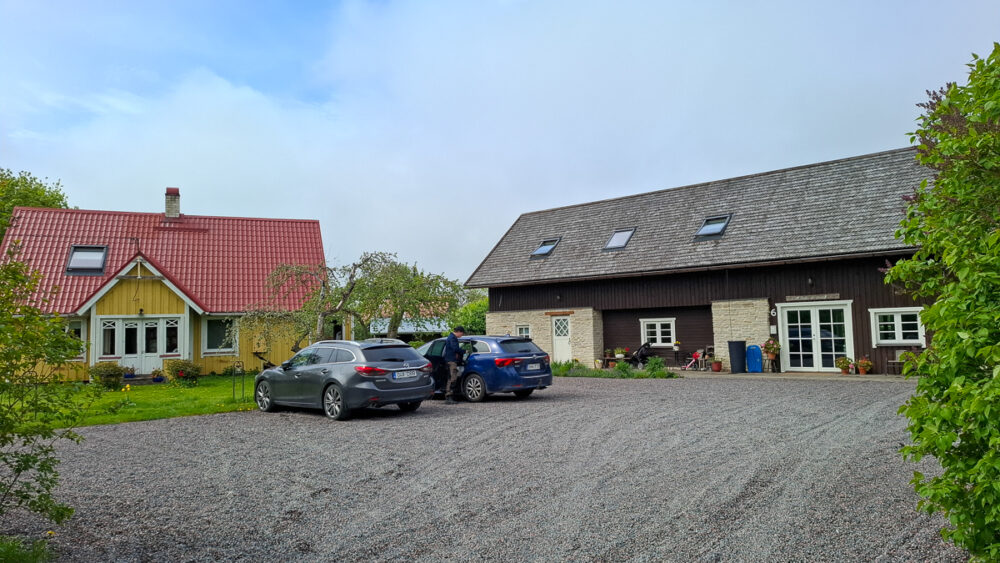
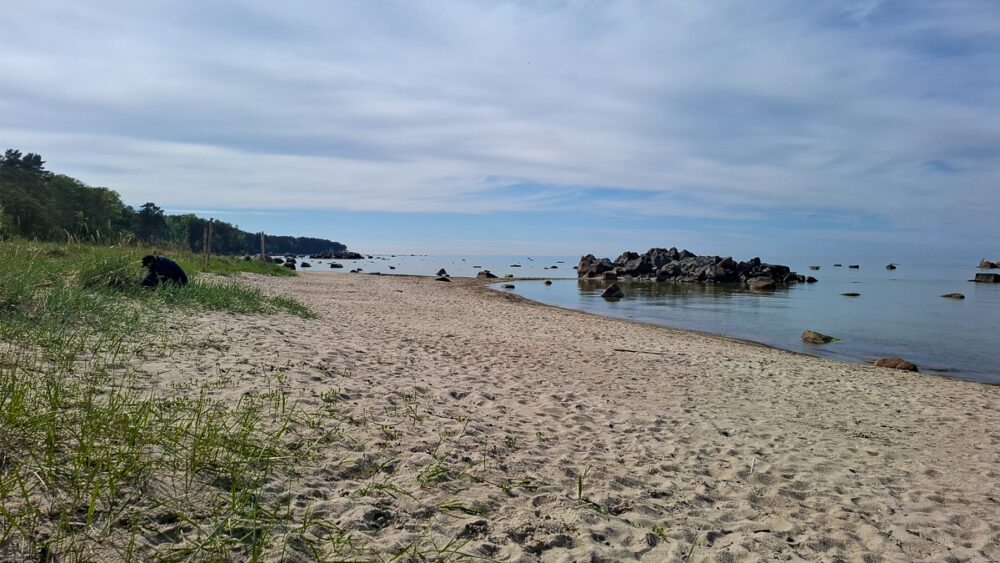
We chose to stay in Muraste, approximately 20 kilometers west of Tallinn. Our accommodation, Loo Kodu & Köök, offered a quintessential Estonian experience. Housed in a 125-year-old granary, the B&B provided not only a peaceful, rustic base but also the ideal logistical setup for a field researcher: ample parking, proximity to coastal sites, and a welcoming atmosphere.

Friday: The Search for Specialized Fauna
Thursday had been marked by cool, rainy weather, limiting our initial sweeps. However, as the skies cleared on Friday, we focused our efforts on the muddy, nutrient-rich coastal sands. While traditional excursion sites often prioritize meadows or forests, we dedicated our time to the interface between land and sea.
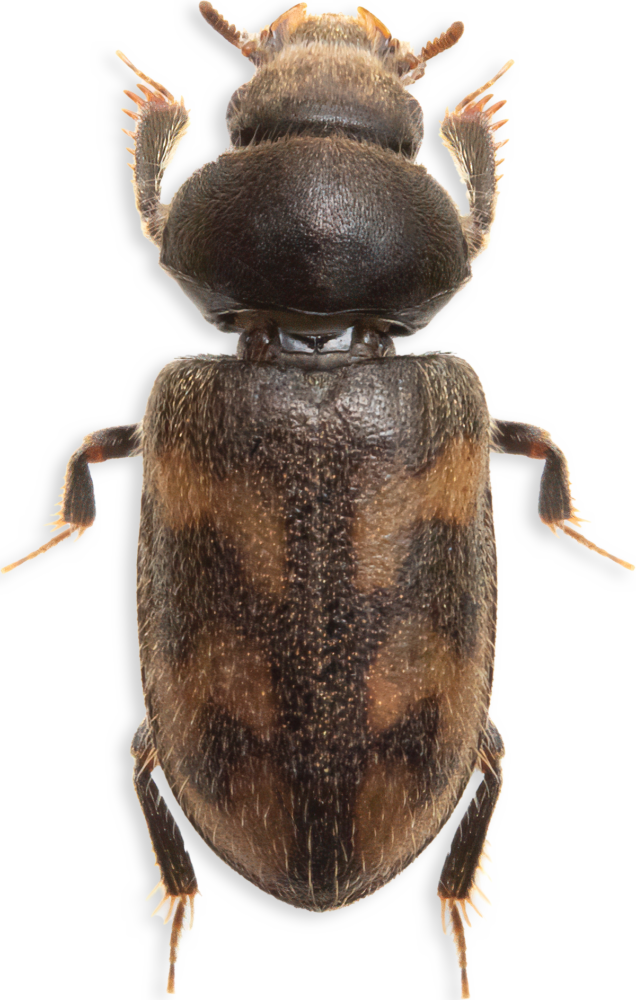
It was here that we encountered the Augyles hispidulus (sand-dwelling mud beetle), a species classified as threatened in Finland. Its presence in the Estonian silt served as a powerful reminder of how specific habitat requirements dictate the distribution of even the smallest organisms.
Supporting Data: Understanding Specialized Habitats
The biodiversity encountered during this trip is not incidental; it is the result of highly specific evolutionary adaptations. The Augyles hispidulus is a member of the Heteroceridae family, known for their ability to thrive in muddy environments. Using powerful forelegs, these beetles excavate complex, labyrinthine tunnels in the silt.
What makes these insects truly fascinating—and a subject of ongoing research—is their ability to communicate through stridulation. Both adults and larvae generate audible sounds by rubbing body parts together. This serves a dual purpose: it helps individuals locate mates in the darkness of their subterranean tunnels and functions as a defense mechanism against potential predators.
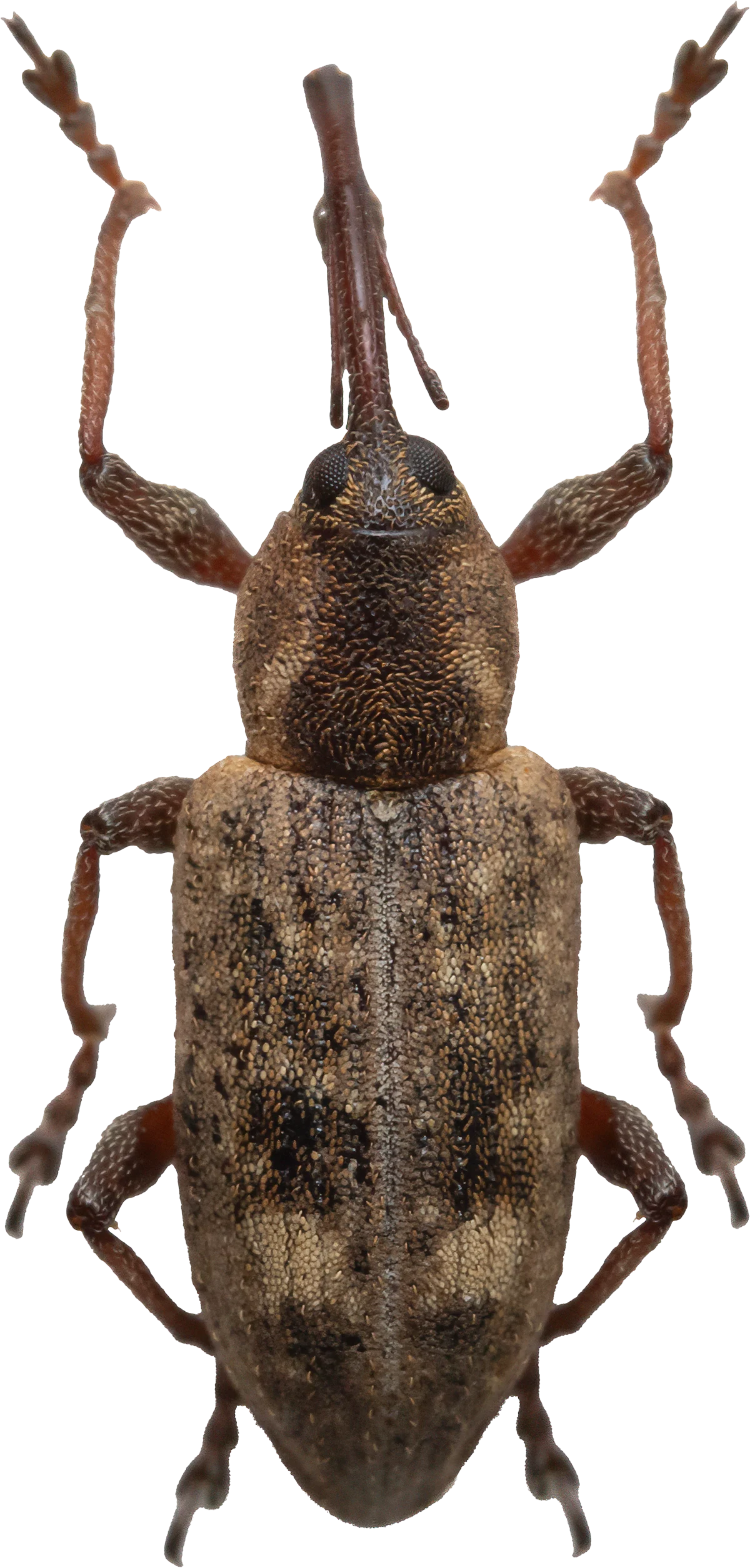
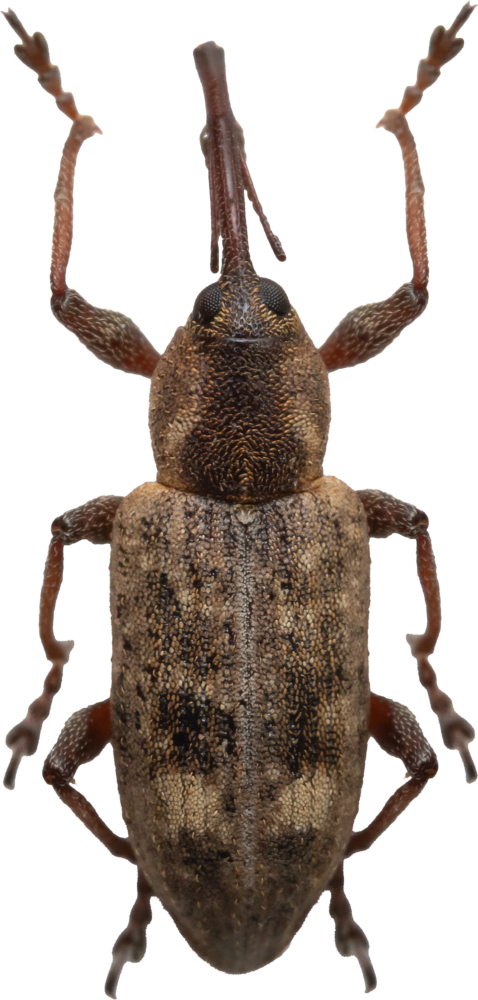
Furthermore, our observations of the Thryogenes festucae (the large reed weevil) highlighted the importance of aquatic vegetation. This insect possesses a long, slender body, a third of which is taken up by its snout. This unique morphology allows it to bore into the tough, fibrous stems of common reeds and sedges. By living inside the plant, it gains access to the nutrient-dense inner pith while remaining perfectly camouflaged from avian and insectoid predators.
Scientific Observations: The Pterostichus Complex
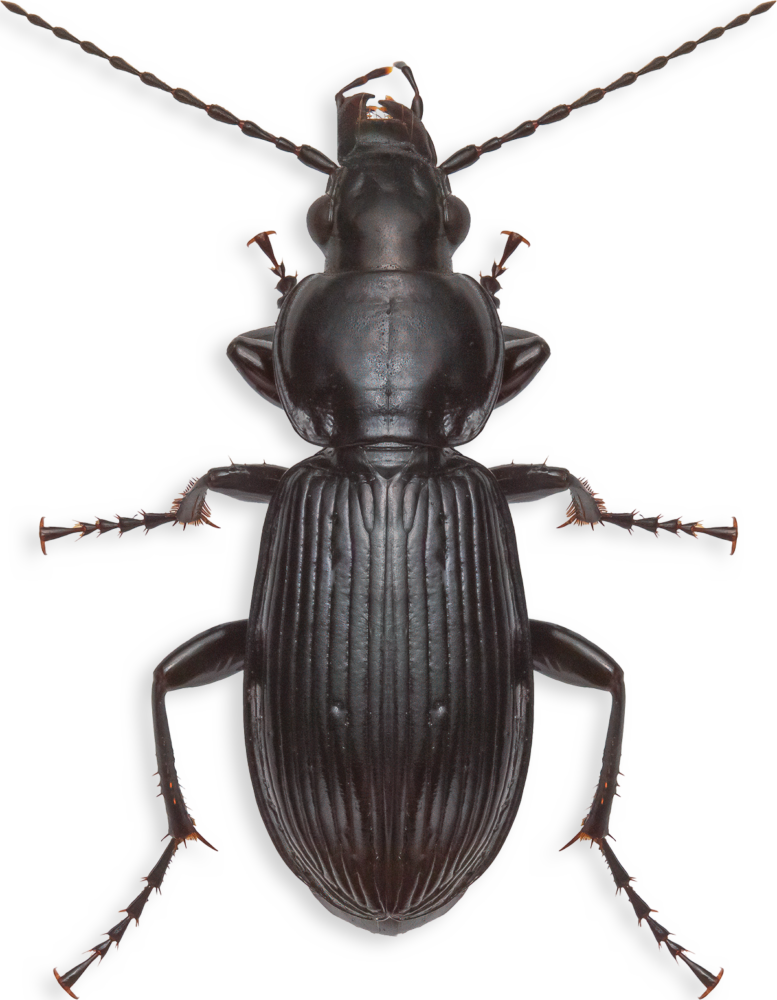
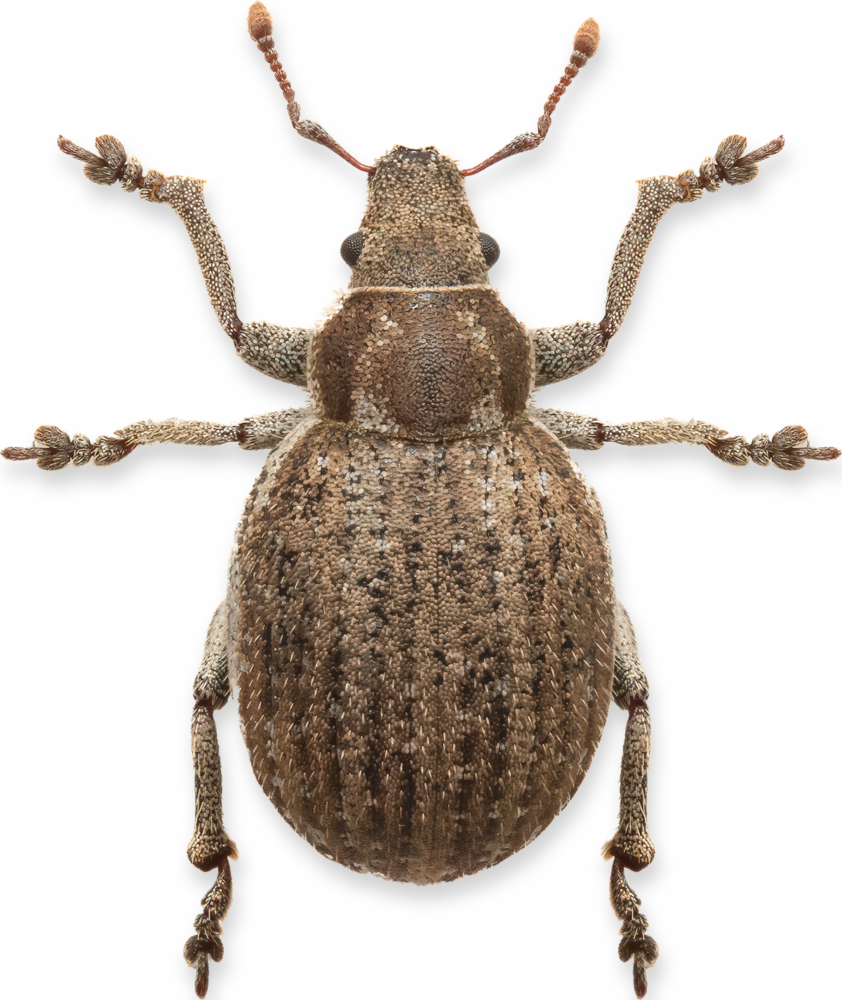
A highlight for any coleopterist is the determination of the Pterostichus genus, or the "black ground beetles." These insects are notoriously difficult to identify in the field, often requiring microscopic analysis of the pronotum (the plate covering the thorax) and the specific patterns of punctures on the elytra (wing covers).
During our foray into the older forest segments near the coast, we were fortunate enough to identify Pterostichus aethiops (the forest ground beetle). This predator, which thrives in the shadows of old-growth forests and beneath the bark of decaying logs, is considered a rare find in Finland. Its identification required careful examination of the grooves at the base of its pronotum, confirming that even within a common family, specific ecological indicators are necessary to ensure correct species classification.
Implications for Future Research
The Estonian expedition raises significant questions regarding climate change and migration. As the climate warms, we are likely to see more of these "Baltic specialists" migrating northwards across the Gulf of Finland. The findings from this trip suggest that the coastal ecosystems of Estonia act as a reservoir for species that may eventually become permanent residents of the Finnish archipelago.
The Role of Citizen Science
The enthusiasm shown by the members of the Finnish Entomological Society underscores the growing importance of citizen science. By documenting these species in their native, more abundant habitats, we gain a baseline for understanding what factors—be they environmental, chemical, or geographical—limit their spread into Finland.
The use of entomological nets, traps, and systematic searching, as practiced during our weekend in Estonia, provides data that is essential for biodiversity conservation. When we catalog the presence of the Augyles hispidulus in Estonia, we are effectively mapping the potential future biodiversity of our own northern coastlines.
Conclusion: A Call to the Field
The trip to Estonia was more than a holiday; it was a testament to the fact that the most profound discoveries often occur in the "mundane" spaces—the mud of a shoreline, the bark of a fallen log, or the shadows of a reed bed.
For those interested in entomology, the message is clear: the borders we draw on maps are irrelevant to the natural world. Species move, adapt, and colonize based on the health of their environment. By engaging with these habitats, we not only improve our own taxonomic skills but also contribute to a larger, necessary understanding of how our regional ecology is shifting in the 21st century.
As we look toward the next field season, we invite readers to continue following our journey. Whether you are an amateur enthusiast or a seasoned professional, the world of the "spineless" is vast, complex, and endlessly rewarding.
For further inquiries, high-resolution imagery, or to share your own findings, please reach out via Instagram at @hyonteismies.
Quick Reference: Key Species Encountered
| Species | Common Name | Significance |
|---|---|---|
| Agalenatea redii | Pörrökki | Rare in Finland, common in Estonia. |
| Augyles hispidulus | Hietatöyryläs | Threatened in Finland; master of mud tunnels. |
| Pterostichus aethiops | Kantosysikiitäjäinen | Predator of old-growth forests; elusive and rare. |
| Thryogenes festucae | Isorytikärsäkäs | Specialized reed-dweller; unique snout adaptation. |
Note: This article is intended for educational purposes and to support the ongoing work of the Finnish Entomological Society. Support for such research is vital; please consider subscribing to "Suomen Luonto" to keep informed on the latest developments in Nordic environmental journalism.