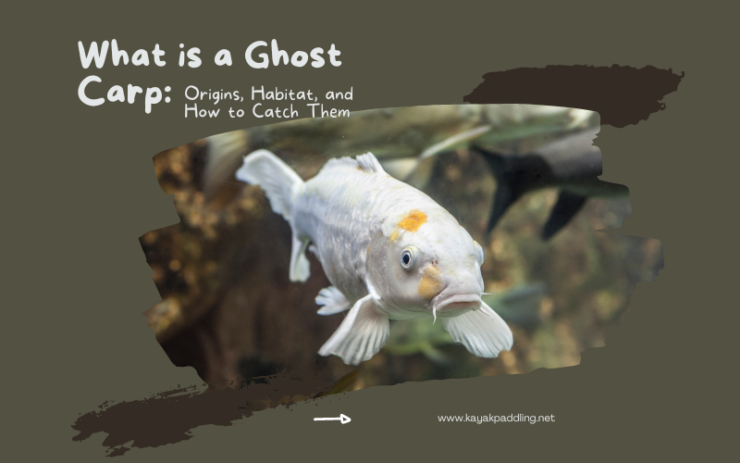
When anglers speak of "ghosts" in the angling world, they aren’t referring to the supernatural entities of folklore or Victorian ghost stories. Instead, they are describing the Cyprinus carpio, specifically the elusive and visually arresting hybrid known as the Ghost Carp. A fusion of the rugged common carp and the ornate, metallic beauty of the Japanese koi, these fish have become a point of fascination for scientists, conservationists, and sports fishermen alike.
Though they glide through murky depths with a ghostly, shimmering presence, there is nothing spectral about their impact on global waterways. As we peel back the layers of legend and biology, we discover a fish that is as complex in its history as it is challenging to capture.
Main Facts: The Anatomy of an Enigma
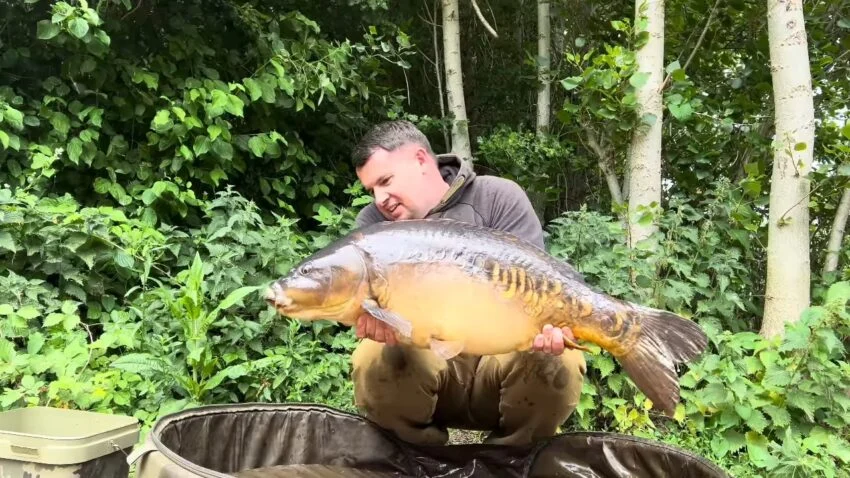
The Ghost Carp is a product of selective human intervention. Biologically, it is indistinguishable from its parent species—the common carp (Cyprinus carpio) and the Nishikigoi (Koi). However, its aesthetic profile is what sets it apart.
Quick Reference Data
| Feature | Metric |
|---|---|
| Scientific Name | Cyprinus carpio |
| Average Weight | 6–15 lb (2.7kg–6.8kg) |
| Maximum Weight | 94 lb (42kg) |
| Average Length | 18–26 inches (45cm–65cm) |
| Maximum Length | 48 inches (120cm) |
| Lifespan | 9–45 years |
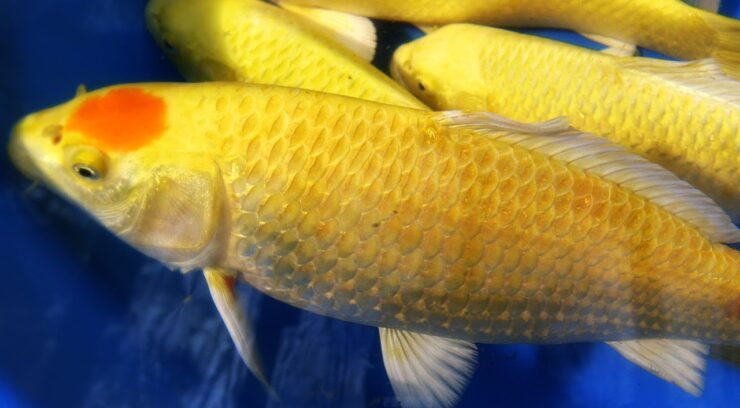
The "ghostly" appearance is not a result of bioluminescence or magic; it is an optical illusion created by dense concentrations of crystalline purine cells within the skin. These cells reflect ambient light, giving the fish a metallic, sometimes translucent sheen that allows it to vanish into the shadows of turbid, nutrient-rich lake beds.
A Chronology of Creation
The history of the Ghost Carp is a relatively modern one, rooted in the mid-20th-century experimentation of European breeders.
- The Early Era: For centuries, carp were bred primarily for food in Asia and Central Europe. In these regions, they were valued for their hardiness and ability to survive in low-oxygen environments.
- The 1980s Breakthrough: The specific variety we now recognize as the "Ghost Koi" emerged in the 1980s. A visionary farmer, seeking to combine the robust, athletic frame of the mirror/common carp with the radiant aesthetic of the Yamabuki Ogon (a metallic yellow koi), successfully crossbred the two.
- The Expansion: Following this initial success, the breed gained traction in the United Kingdom and across Europe as a premier sport fish.
- Global Spread: While ornamental variants were being perfected, the common carp—the foundation of the Ghost Carp—had already been introduced to North America in the 1970s, ostensibly as a tool for aquatic vegetation control.
Supporting Data: Behavior and Biological Resilience
The success of the Ghost Carp is largely due to its physiological adaptability. These fish are essentially biological tanks, capable of surviving in water temperatures ranging from a frigid 3°C to a sweltering 30°C.
Foraging Habits
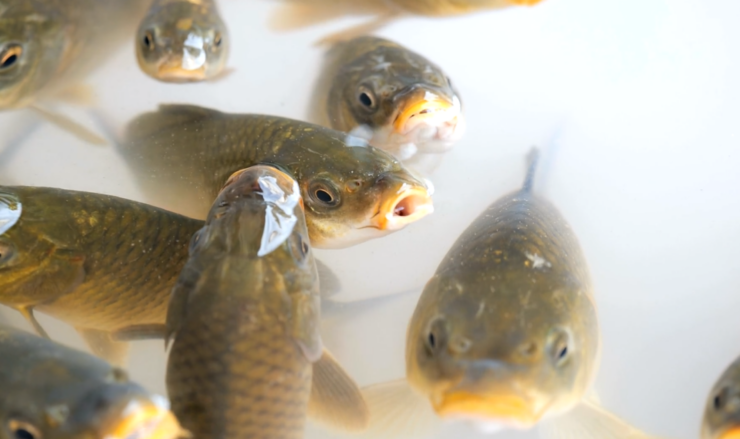
Often derisively referred to as "freshwater pigs," these fish are voracious omnivores. They utilize sensitive barbels—fleshy, whisker-like structures—to probe the lake bed for insects, larvae, crustaceans, and organic detritus. This bottom-feeding behavior is a significant ecological trait; by churning up sediment, they can fundamentally alter the water chemistry of a habitat.
Reproduction
A single female can produce hundreds of thousands of eggs in a single season. The eggs are adhesive, attaching themselves to aquatic vegetation. Because they offer no parental care, the high volume of egg production is their primary survival strategy. Once hatched, young carp prioritize growth, utilizing their high-metabolism to reach significant sizes within just a few years.
Official Responses and Ecological Implications
The presence of Ghost Carp in public waterways is a subject of intense debate among environmental agencies.
The Invasive Conundrum
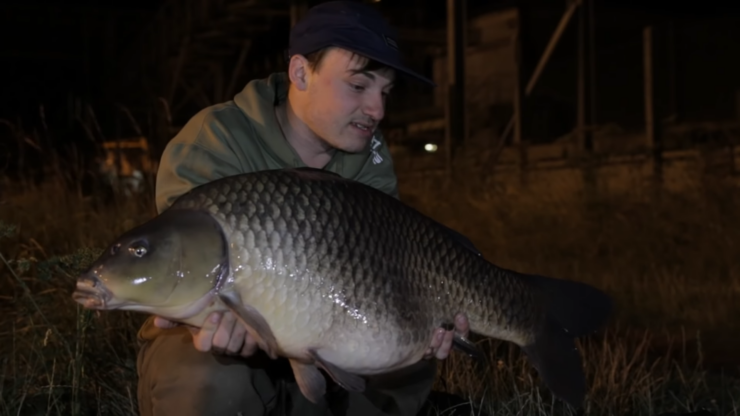
In North America, the introduction of carp species has, in many cases, resulted in ecological imbalance. When populations explode, the constant foraging leads to increased water turbidity. By uprooting aquatic plants, they prevent sunlight from reaching the lower depths, which hinders the growth of native flora and destroys the spawning grounds of indigenous fish species.
Management Strategies
Because of their hardiness, eradicating them is nearly impossible. Official management programs, particularly in the United States and Canada, focus on:
- Mechanical Removal: Targeted netting and commercial fishing efforts.
- Structural Barriers: Implementing electric barriers and screens to protect sensitive wetlands and Great Lakes tributaries.
- Biosecurity Monitoring: Preventing the spread of diseases like the Koi Herpesvirus (KHV), which can decimate local fish populations if introduced via non-native carp.
In contrast, European fisheries often treat the Ghost Carp as a protected commodity. They are stocked in managed, private waters where their intelligence and "fighting spirit" are highly prized by sport anglers, providing significant economic value to the tourism and angling sectors.
The Angler’s Perspective: Why They Are So Hard to Catch
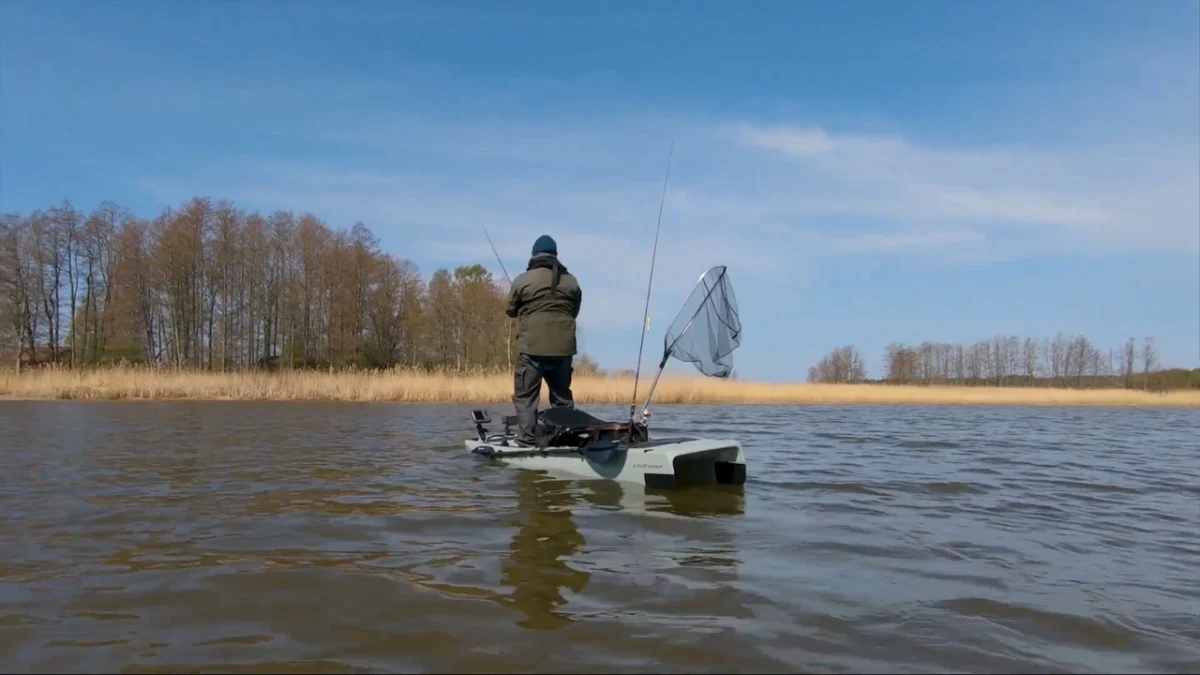
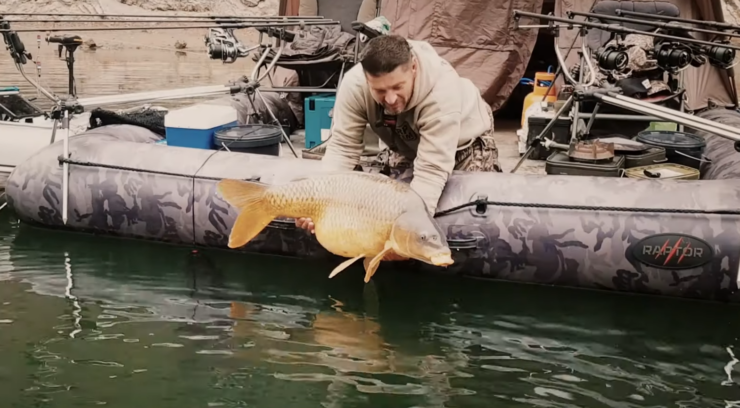
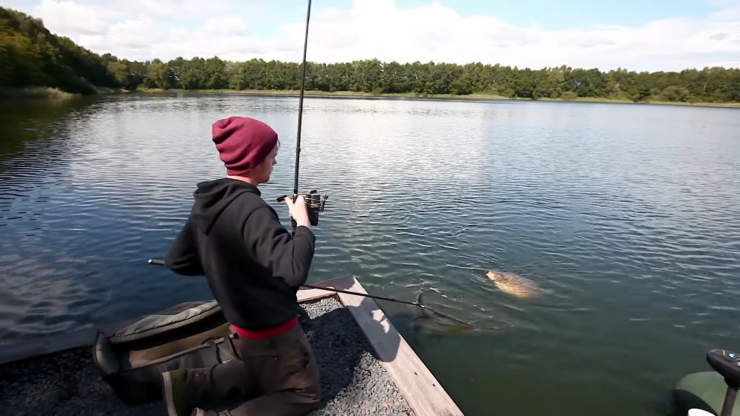
For the dedicated angler, the Ghost Carp is a "holy grail" of freshwater fishing. Its reputation for intelligence is well-documented; these fish are known to become "hook-shy" if they have been captured before, requiring anglers to employ highly specific, stealthy tactics.
Strategic Tips for Success
- Bait Selection: While they are omnivorous, Ghost Carp show a preference for high-protein baits. Pellets, sweetcorn, worms, and even flavored luncheon meat are standard staples.
- Location: They gravitate toward "lodges"—underwater structures like sunken logs, dense weed beds, or overhanging trees. They are rarely found in the open, preferring the security of shadows.
- Adaptability: The key to catching a Ghost Carp is patience and the willingness to pivot. If a specific bait or depth is not yielding results, a professional angler will adjust their strategy frequently throughout the day.
Addressing Common Misconceptions
There is a lingering myth that Ghost Carp possess an unnatural, almost sentient intelligence. While they are certainly more cautious than some of their peers, this is a learned survival trait, not a supernatural one.
Furthermore, there is a common misconception that they are aggressive toward other fish. They are generally peaceful but, due to their size and appetite, they will outcompete native species for resources simply by being more efficient at feeding. They are not, as some local legends suggest, predators that hunt other fish; they are foragers.
Conclusion: A Complex Legacy
The Ghost Carp is a living paradox. To the hobbyist with a garden pond, it is a stunning piece of biological art—a shimmering, metallic jewel that brings life to the water. To the conservationist in the Great Lakes, it is an invasive risk that threatens to displace the natural order.
Understanding the Ghost Carp requires us to look past the "ghost" label and recognize the animal for what it is: a highly adaptable, resilient, and intelligent hybrid that has successfully carved out a niche in almost every corner of the globe. Whether you view them as a prize to be caught or a challenge to be managed, one thing is certain: they will continue to glide through our waters, reflecting the light and our curiosity for decades to come.
Frequently Asked Questions (FAQ)
1. Are Ghost Carp dangerous to other fish?
They are not predatory, meaning they do not hunt other fish. However, their size and intense feeding habits mean they can "crowd out" native species by consuming the available food supply and destroying the habitats other fish rely on.
2. Can I keep a Ghost Carp in a home aquarium?
Generally, no. These fish grow to massive sizes and require significant water volume (at least 25 liters per fish as a bare minimum, though much more is recommended for their health). They are much better suited for large, outdoor ponds or managed fisheries.
3. Why are they called "Ghost" fish?
The name stems from their metallic, translucent appearance. In murky, deep water, their reflective scales can make them appear to fade in and out of sight, creating a "ghostly" effect as they move through the gloom.
4. How do I distinguish a Ghost Carp from a regular Koi?
Biologically, they are essentially the same. The distinction is mostly in the breeding lineage. Ghost Carp are typically bred from a mix of wild mirror or common carp and metallic koi, resulting in a fish that often retains more of the "wild" carp’s body shape and toughness compared to the more delicate, high-colored Koi bred for exhibition.