Introduction: A Journey of Rivers and Realization
For many, India is a concept—a sprawling, ancient, and densely populated subcontinent defined by its spiritual depth and complex social fabric. For Mike and Cody, two seasoned river guides, India became a visceral reality during a recent expedition into the northern foothills of the Himalaya. The duo traveled to the region not merely as tourists, but as students of the water, seeking to refine their expertise alongside instructors from the Hannibal Outdoor Center.
Their journey took them from the dizzying heights of the Himalayan range to the churning, sacred waters of the Ganges. This expedition served as a masterclass in contrasts: the sheer raw power of nature versus the profound human devotion that characterizes the Indian experience. By documenting their immersion into the local culture and the technical demands of the river, Mike and Cody offer a unique perspective on one of the most enigmatic landscapes on Earth.
Chronology of the Expedition
The trip was meticulously planned to balance professional development with cultural immersion.
Phase I: The Foothills and Technical Training
Upon arriving in northern India, the team immediately began their collaboration with the Hannibal Outdoor Center. The focus was twofold: technical rafting standards and environmental acclimatization. At elevations ranging from 8,000 to 12,000 feet, the team navigated the steep terrain of the Himalayan foothills. Here, they began to understand the scale of the landscape, where villages cling to mountainsides that dwarf anything found in domestic ranges.
Phase II: Navigating the Ganges
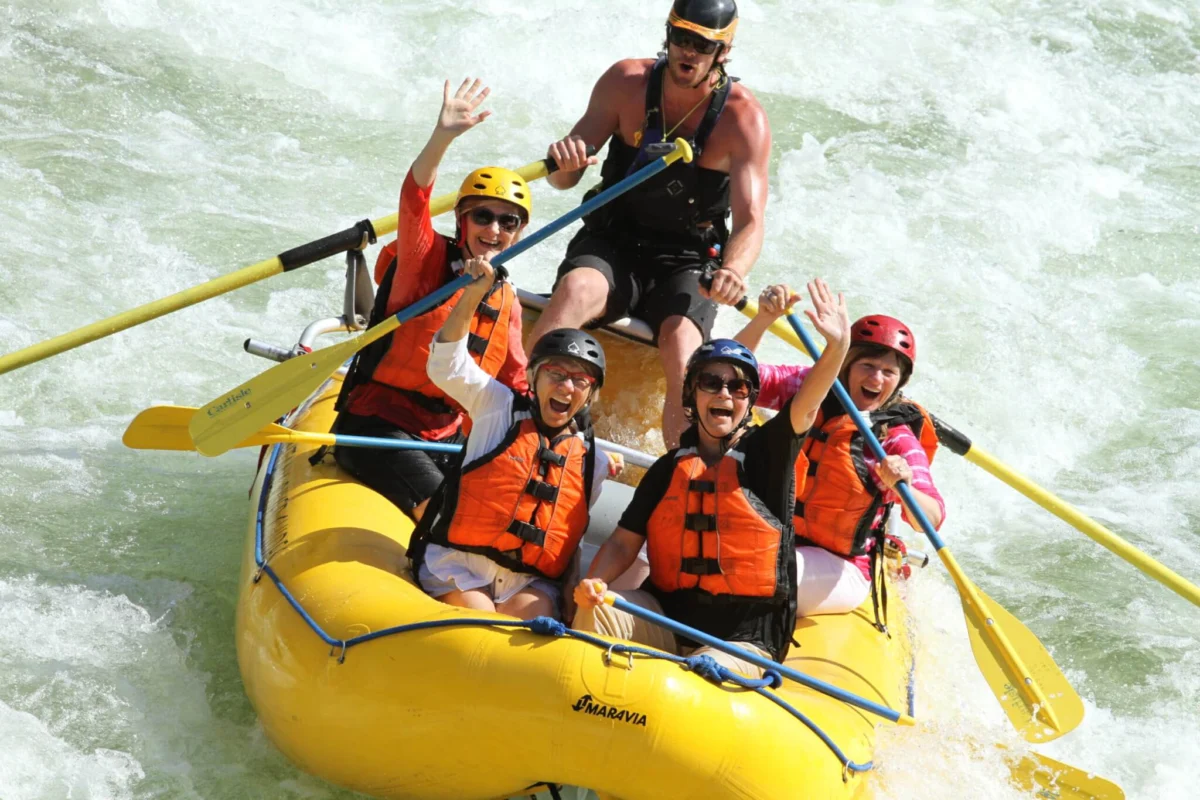
The centerpiece of the trip was the descent of the Ganges. The team worked closely with local guides to understand the unique challenges of the river, which demands both technical skill and respect for the pilgrims who populate its banks. During their run, the team estimated the river’s flow at an impressive 40,000 cubic feet per second (cfs), a testament to the immense power of the glacial melt that feeds the system.
Phase III: Cultural Immersion and Transit
Beyond the river, the team utilized India’s legendary rail system and the ubiquitous rickshaw to traverse the country. By hanging between the cars of moving trains, they gained an unfiltered view of the countryside—a landscape where breathtaking natural beauty frequently intersects with the harsh realities of urban sprawl, landfills, and industrial challenges.
Supporting Data: The Scale of the Subcontinent
To understand the context of this expedition, one must look at the staggering statistics that define India.
Geographic and Hydrological Context
The Ganges (Ganga) is not just a river; it is a lifeline. Originating in the Himalayas, it traverses a massive portion of the subcontinent. The team’s estimation of 40,000 cfs is a significant volume, highlighting the river’s status as a major hydrological artery. However, this volume also makes the river a primary vessel for the transport of waste.
Demographic Complexity
India is home to roughly one-fifth of the global population. This density is compounded by linguistic diversity; beyond the official status of Hindi, the region is home to approximately 3,000 distinct languages and dialects. This creates a cultural tapestry that is as challenging to navigate as the whitewater itself.
Biodiversity
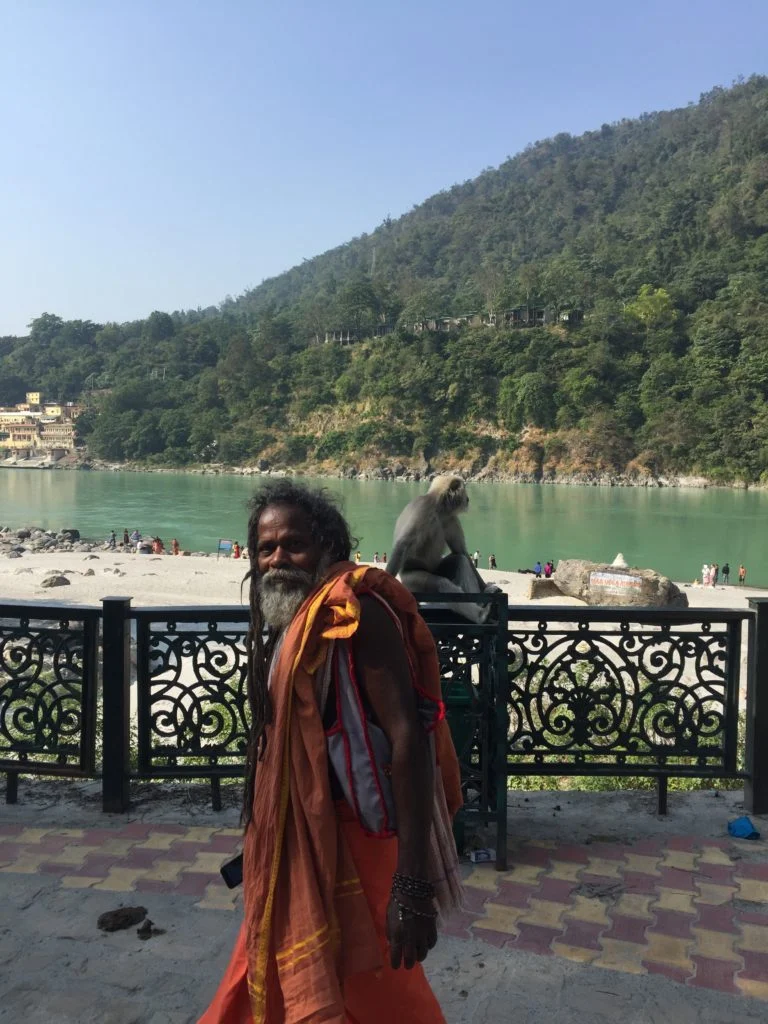
The expedition highlighted the region’s incredible ecological richness. The team reported encounters with a variety of wildlife, including wild elephants and an array of primates. Despite the encroachment of human activity, the Himalayan foothills remain a critical sanctuary for biodiversity, including elusive predators like cobras and, in deeper regions, significant mammalian wildlife.
The Ganges: A Paradox of Holiness and Hazard
Perhaps the most striking aspect of the expedition was the team’s observation of the Ganges’ dual nature.
The Spiritual Significance
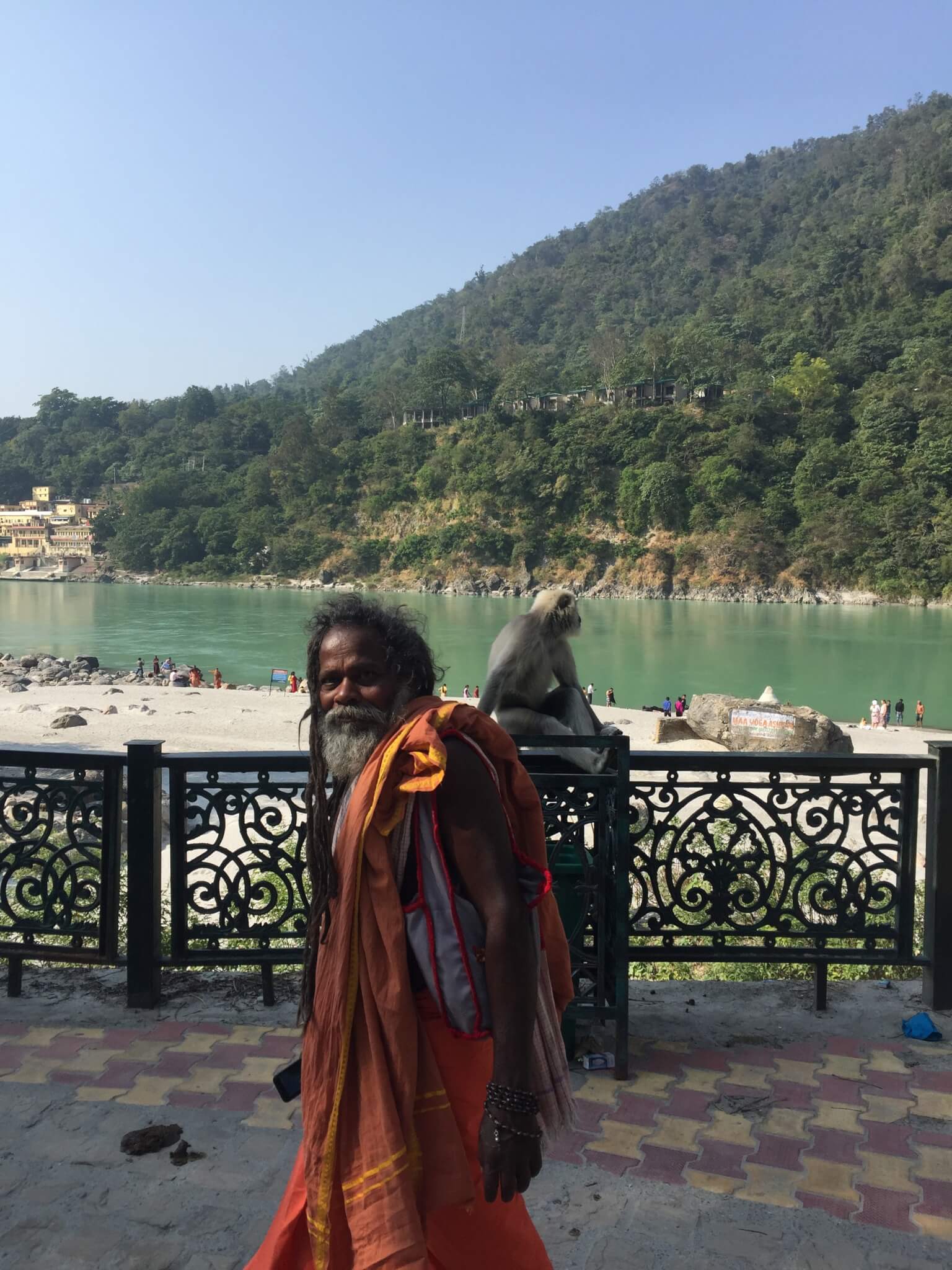
In Haridwar, a city of extreme religious importance, the team observed thousands of pilgrims participating in daily cleansing rituals. The river is considered the most sacred in India, and the visual evidence—captured in the team’s video footage—shows a sea of humanity praying in and near the water. This spiritual devotion is the lifeblood of the culture, acting as a daily anchor for millions.

The Environmental Challenge
Simultaneously, the team witnessed the severe degradation of the river. Due to the lack of sufficient infrastructure for treating human waste and the prevalence of industrial runoff, the Ganges is ranked among the most polluted rivers globally. For the expedition team, the sight of a river held in such high religious esteem being treated as a conduit for waste was a profound, and at times, overwhelming, contradiction.
Reflections: The View from the Tracks
Traveling through India by train provided the team with an unconventional lens through which to view the country’s development. The train is an equalizer; it cuts through lush landscapes and urban poverty with equal indifference.
Mike and Cody noted that their appreciation for the country grew as they stepped away from traditional tourist routes. By observing "heroic subsistence agriculture"—the small-scale, labor-intensive farming that sustains much of the population—they gained a newfound respect for the resilience of the Indian people. The juxtaposition of beauty and decay—landfills bordering pristine mountain vistas—is a defining feature of the modern Indian experience, one that the team found both sobering and inspiring.
Official Responses and Implications
While this was a private expedition, the themes addressed by the team—river safety, environmental preservation, and the human-water interface—are subjects of intense national and international debate.
The Impact on Rafting Standards
The team’s engagement with the Hannibal Outdoor Center underscored the importance of cross-border knowledge sharing in the outdoor industry. As India develops its adventure tourism sector, the adoption of international safety standards is critical. The exchange between the American guides and local instructors serves as a model for how global best practices can be integrated into local operations.
Environmental Stewardship
The pollution of the Ganges is a significant policy challenge for the Indian government. Initiatives like the "Namami Gange" (a conservation mission) have been launched to curb pollution and restore the river. However, as the expedition team noted, the scale of the challenge—driven by population density and industrialization—remains a monumental hurdle.

Cultural Resilience
Ultimately, the team’s takeaway was one of admiration. Despite the "overwhelming" nature of the country’s problems, the vibrancy and potential of the Indian people are undeniable. The expedition did not just change their perspective on river management; it shifted their understanding of the human condition.
Conclusion: A Return to the Source
Mike and Cody’s journey to India was more than a professional training exercise; it was a deep dive into a world that defies simple categorization. From the massive, powerful currents of the Ganges to the rhythmic clatter of the Indian railway, the experience left an indelible mark on both travelers.
As they look toward future expeditions, they carry with them the lessons learned in the foothills of the Himalayas. India is a country of extreme contrasts, where the sacred and the profane, the ancient and the modern, and the pristine and the polluted coexist in a delicate, often strained, balance. Their desire to return speaks to the enduring pull of a landscape that, despite its challenges, offers an unparalleled depth of human experience and natural beauty. They leave behind a record of a trip that was as much about exploring the self as it was about exploring the river.