Responding to environmental emergencies is inherently hazardous, but when the mercury drops and waterways freeze, the complexity of spill mitigation escalates exponentially. For hazardous material teams and environmental responders, the winter season introduces a volatile "triple threat": sub-zero temperatures, treacherous ice conditions, and the unforgiving hydraulics of moving water.
Inland spill response—specifically addressing oil and chemical releases into river systems during winter—has become an increasingly specialized field. As recent industry data suggests, the frequency of spills requiring operations on ice has necessitated a complete overhaul of standard operating procedures (SOPs). Moving water beneath an ice sheet creates a high-stakes environment where traditional containment strategies often fail, turning a routine cleanup into a life-threatening tactical operation.
The Anatomy of the Risk: Why River Ice is Uniquely Dangerous
While lake ice is relatively static, river ice is a dynamic, shifting, and unpredictable platform. Responders must understand that "ice" is not a monolithic substance; it varies wildly based on water chemistry, flow velocity, and thermal history.
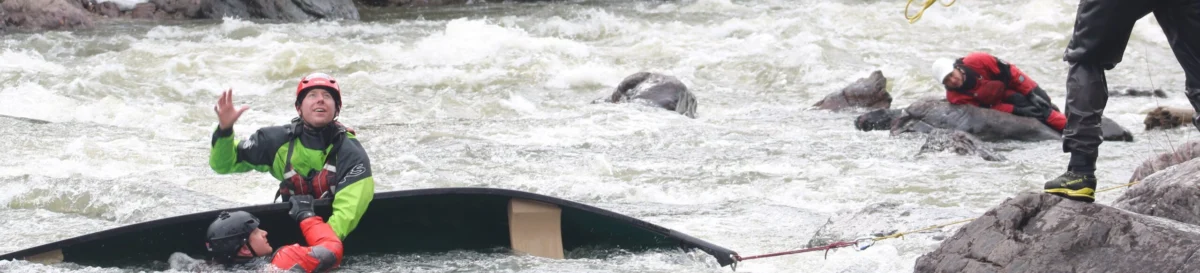
The primary danger of working on river ice is the current. Should a responder break through, the moving water acts as a conveyor belt, potentially pulling the individual under the ice shelf—a situation from which self-rescue is statistically rare. Unlike a stagnant lake where a victim may remain near the entry point, a river current can quickly displace a victim, making recovery operations immensely difficult.
Classifying Ice Hazards
To mitigate these risks, responders categorize ice into specific profiles:
- Lake Ice: Generally the strongest form, characterized by a clear, reflective appearance. It typically forms after rapid temperature drops.
- Frazil Ice: An early-phase phenomenon consisting of slushy, disk-shaped ice crystals on the surface.
- Candled Ice: A deceptive, weakened state where the ice structure decays into vertical crystals. Though it may appear thick, it lacks the integrity to support significant loads.
- Snow Ice: Opaque and milky in appearance, this forms when snow accumulates on a sheet and freezes. It is significantly weaker than clear ice.
- Anchor Ice: Unique to rivers, this forms on submerged objects and can lead to ice jams, further destabilizing the ice sheet from below.
Chronology of a Cold-Weather Response: Establishing the Safety Protocol
A successful winter response follows a rigid, non-negotiable sequence. Before any equipment is deployed or a single test hole is drilled, the site must be assessed. The "Initial Size Up" is the most critical phase of the operation.
Phase 1: The Preliminary Assessment
Responders must first evaluate the hydrological variables. This includes measuring current velocity and river depth. High-velocity currents undermine ice strength, and deep, turbulent water can create hidden weak spots. An Ice Rescue Instructor should supervise the initial approach, ensuring that all personnel are properly equipped with personal protective equipment (PPE), including drysuits, PFDs, and ice awls.
Phase 2: Load Bearing Calculations
Engineers use the formula $P = 50 times T^2$ (where $P$ is the load capacity in pounds and $T$ is thickness in inches) as a baseline estimate. However, this formula is a starting point, not a guarantee.
- 2 inches or less: Strictly off-limits.
- 4 inches: Suitable for light activity (ice fishing/skating).
- 5-6 inches: Required for snowmobiles or ATVs.
- 7-8 inches: The minimum threshold for a medium-duty truck.
Crucially, responders must apply a "Safety Penalty": reduce strength estimates by 15% for current and up to 50% for snow-covered ice.
Phase 3: Tactical Execution
Once the assessment is complete, the operation shifts to minimizing the footprint on the ice. This involves installing anti-slip measures on riverbanks and using plywood sheets to distribute the weight of equipment and personnel. A "buddy system" is mandated, with belayers positioned strategically—ideally on stable ground or from boat platforms—to ensure that if a responder falls, they can be immediately retrieved.
Supporting Data: The Physics of Cold and Wind Chill
The effectiveness of a response team is inextricably linked to their physical condition. In northern climates, the Wind Chill Temperature Index is the most vital metric for site safety. The combination of freezing temperatures and high-speed wind creates a cooling effect that can induce frostbite in less than a minute.
The Wind Chill Factor
When the temperature is 15°F and the wind speed is 30 mph, the actual "feel" of the air is -5°F. This accelerated heat loss impairs manual dexterity, slows cognitive function, and drastically shortens the window of time in which a responder can operate safely.
| Wind Speed (mph) | 35°F | 15°F | -5°F | -25°F |
|---|---|---|---|---|
| 5 | 31 | 7 | -16 | -40 |
| 15 | 25 | 0 | -26 | -51 |
| 30 | 22 | -5 | -33 | -60 |
| 50 | 19 | -10 | -38 | -67 |
Frostbite Warning: At 15°F with 30 mph winds, exposed skin is at risk of frostbite in approximately 10 minutes.
Official Operational Guidelines: Equipment and Infrastructure
A professional response site must be supported by a robust infrastructure. The "Warming Tent" is not a luxury; it is a mandatory safety component. These units must be equipped with portable heaters, cots, hypothermia wraps, and an EMS kit, including oxygen and AEDs.
Essential Equipment Inventory
- Personal Protective Gear: Drysuits, insulated gloves, ice cleats, and helmets.
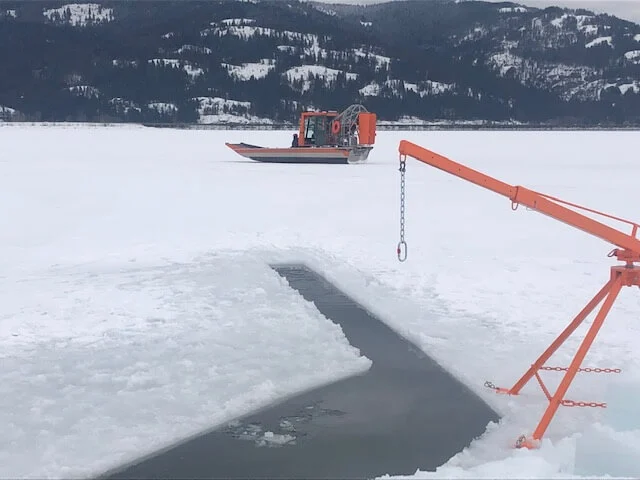
- Technical Tools: Augers for drilling test holes, chainsaws for cutting containment slots, and pry bars.
- Rescue Gear: Throw bags, ice poles, and inflatable rescue platforms.
- Communication: A redundant communication plan is required, as cold weather can cause battery failure in handheld radios.
Implications for Future Spill Response
The reality of climate change and shifting weather patterns means that "unusual" winter conditions are becoming the new baseline. For emergency agencies, the implication is clear: training cannot be seasonal.
The Necessity of Continuous Training
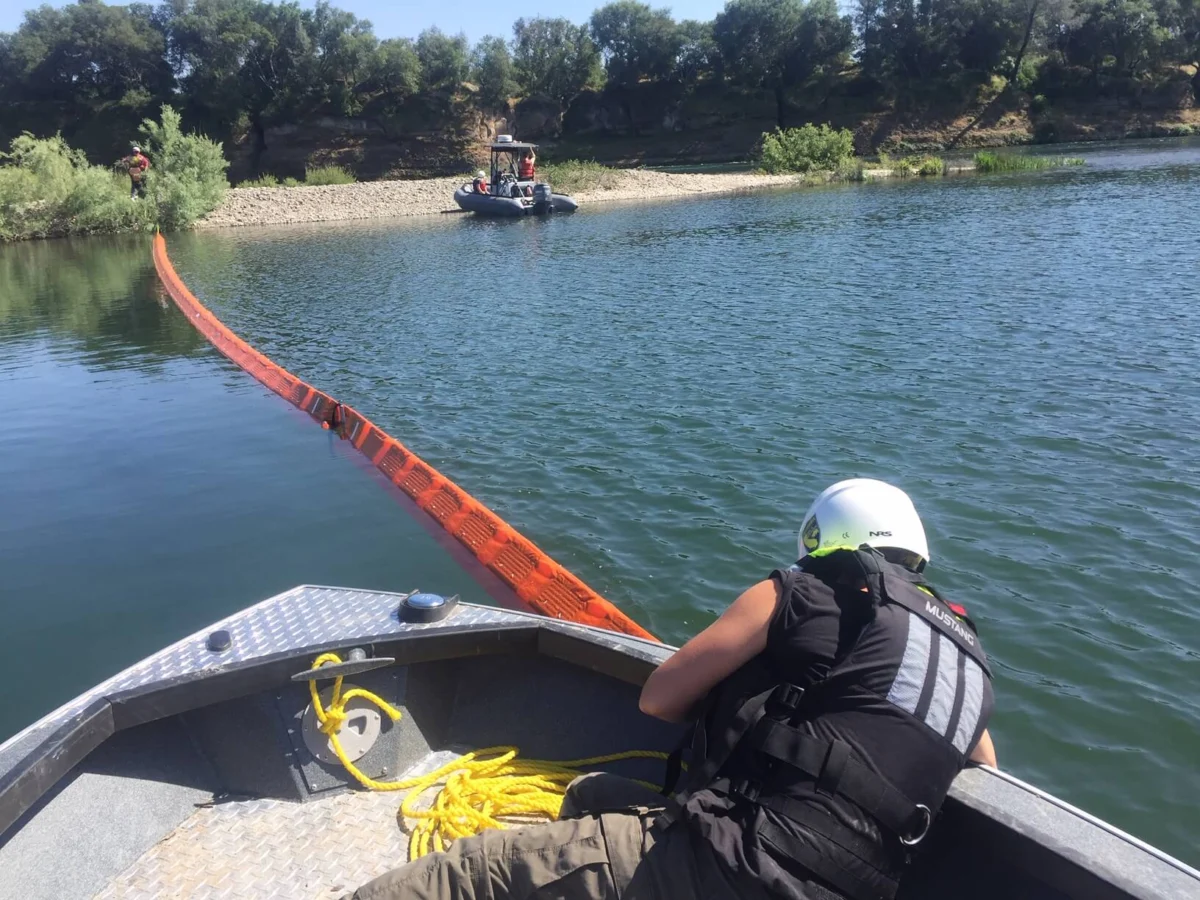
Responders must be drilled on "Ice Self-Rescue Techniques." If an operator falls through the ice, the priority is to avoid panic, orient toward the point of entry, and use ice awls or the body’s natural buoyancy to crawl onto the firmer shelf. However, the reliance on self-rescue is a failure of the safety plan. The industry is moving toward a "platform-first" approach, where operations are conducted from airboats or inflatable craft rather than directly on the ice, whenever possible.
Integrating Technology and Safety
Moving forward, the integration of ground-penetrating radar (GPR) to assess ice thickness in real-time is becoming a standard best practice for large-scale operations. Furthermore, the use of remote-sensing drones allows commanders to monitor ice movement and potential jamming events without risking human personnel.
Conclusion: A Culture of Caution
Inland spill response on river ice is a battle against the elements. The technical challenges—managing weight distribution, accounting for hydraulic pressure, and maintaining equipment in sub-zero conditions—are significant. However, the most vital component remains the human element. By adhering to rigorous safety plans, maintaining high-grade protective gear, and respecting the dynamic nature of river ice, responders can successfully mitigate environmental disasters even in the harshest winter conditions.
Safety is not merely a checklist; it is a culture. Every responder, from the incident commander to the field technician, must maintain a state of "situational awareness." In the world of cold-weather spill response, the difference between a successful containment and a tragedy is often measured in inches of ice and seconds of preparation. As we face increasingly unpredictable winters, the dedication to these protocols remains our most effective tool for protecting both our responders and our waterways.