For decades, the Finnish forestry industry has been presented as the bedrock of the national economy—a sustainable, high-tech engine driving the "green transition." Yet, beneath the polished narrative of carbon-neutral innovation and bio-based textiles, a more complex and contentious reality is emerging. Critics, ranging from independent researchers to novelists, argue that the industry is trapped in a "pulp-centric" model that prioritizes volume over value, often at the expense of forest owners and ecological integrity.
The discourse surrounding Finnish forestry has become increasingly polarized. A year ago, former Prime Minister and state official Matti Vanhanen expressed concern in Helsingin Sanomat regarding the "intensifying" nature of the forest debate, warning that it threatened long-term development and investment. However, many industry observers view this framing as a strategic distraction—a way to shield traditional business practices from necessary public scrutiny.
The Chronology of a Conflict: From Timber to Pulp
The history of Finnish forestry is a narrative of industrial transformation. In the mid-20th century, the objective was the reconstruction of the nation; today, the goal is the maximization of industrial output. According to Teemu Kaskinen, author of the 600-page novel Yö ja usva (Night and Fog), the Finnish forestry machinery was specifically calibrated decades ago to prioritize "fiber wood"—the raw material for pulp mills—from the very beginning of the forest’s lifecycle.
The Mechanism of Disconnect
The core of the criticism lies in the divergence of interests between the forest owner and the industrial buyer. While the prevailing narrative suggests a symbiotic relationship, Kaskinen and other critics argue that the interests are inherently opposing. The industrial buyer seeks the lowest possible cost for raw materials, while the forest owner seeks the highest market price.
The friction is most visible in the "bucking" process (the cutting of logs into specific lengths). Because pulp mills require mass quantities of small-diameter fiber wood, there is an industrial incentive to maximize the proportion of fiber wood at the expense of high-value timber. Crucially, in many Finnish forest contracts, the final price is determined only after the trees have been felled and bucked, leaving the owner with limited leverage.
The Debate Over Silvicultural Practices
The industry’s reliance on clear-cutting as the primary method of forest management has become the focal point of the current controversy. Emeritus Professor Timo Pukkala, a prominent advocate for continuous-cover forestry, argues that the industry’s insistence on clear-cutting is not merely a biological necessity, but a business model.
In recent years, statistics have shown that only a small fraction of first thinnings in Finland align with recommended best practices. When forests are thinned prematurely or too aggressively—often to feed pulp mill demand—the remaining stand loses its growth potential, and the forest owner suffers a long-term financial loss that can never be recovered through later growth.
Supporting Data: Efficiency vs. Ecosystem Health
The narrative that Finland’s forestry industry is leading the way in "high-tech" products—such as wood-based pharmaceuticals, textiles, and plastic substitutes—is, according to industry skeptics, largely aspirational. While these innovations make for effective public relations, they currently account for a marginal share of the total output compared to the massive scale of traditional pulp production.
The "Carbon Sink" Paradox
A central pillar of the industry’s defense is its claim to be a champion of climate change mitigation. The argument is that by harvesting forests and replanting, the industry increases the growth rate of new trees, thereby enhancing carbon sequestration.
However, critics point to the fundamental flaw in this logic:
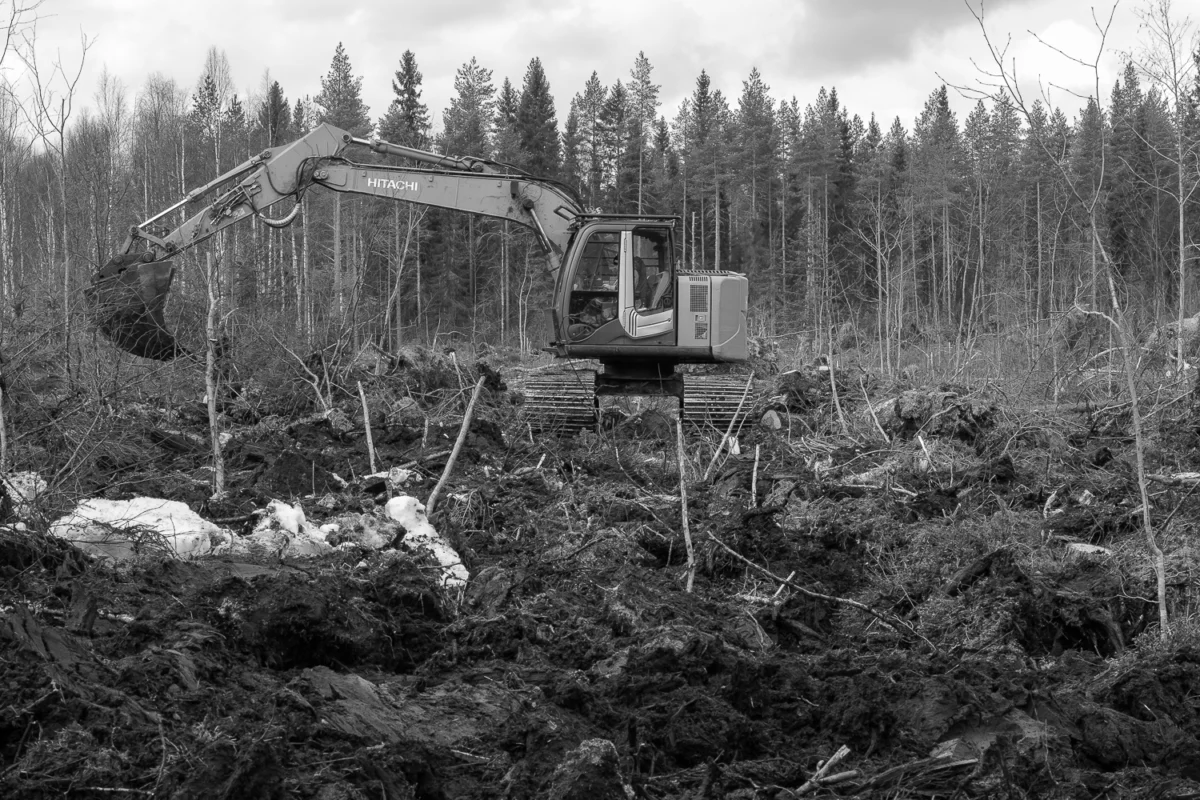
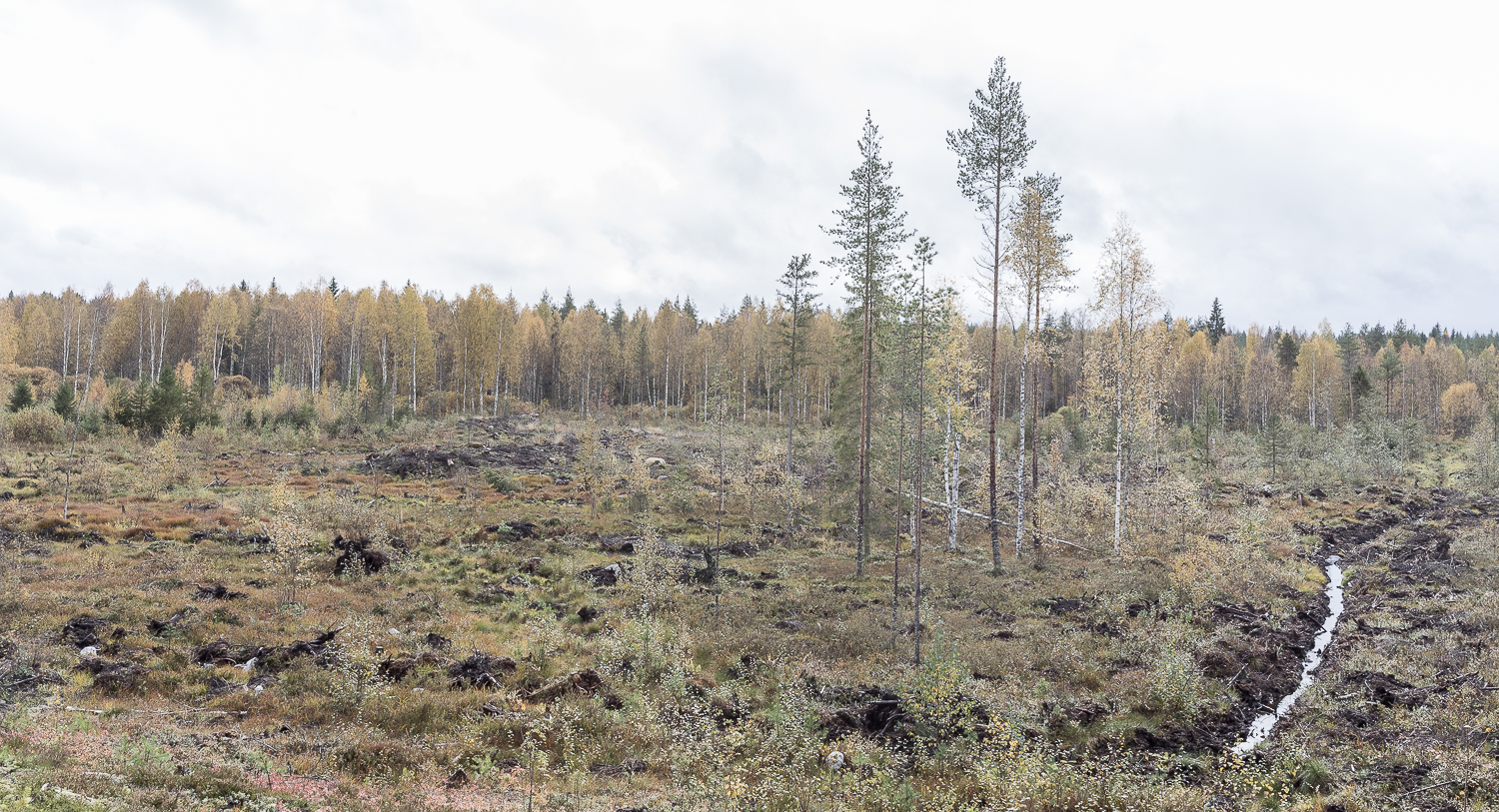
- Emissions from Soil: Intensive soil preparation, such as plowing and ditching in peatlands, releases significant amounts of sequestered carbon back into the atmosphere.
- Lifecycle Omission: The carbon footprint of chemical fertilizers—including their manufacturing, transport, and application—is often excluded from the industry’s internal accounting.
- Short-Rotation Forestry: By shortening the rotation period of trees, the industry ensures a constant flow of fiber, but it simultaneously reduces the forest’s capacity to store carbon over centuries.
The Role of Forestry Management Associations
One of the most persistent questions in this debate is why private forest owners—who own a vast majority of Finland’s forests—have largely remained compliant with an industry-led system that may not serve their best long-term interests.
The Institutional Grip
Approximately three-quarters of private forest owners belong to regional Forest Management Associations (Metsänhoitoyhdistys). These organizations often act as the intermediaries between the owner and the industry. Critics, including Professor Pukkala, suggest that these associations have a vested interest in the status quo.
The revenue model for many of these associations is tied to the volume of work they perform: planting seedlings, clearing brush, and preparing soil. Continuous-cover forestry, by contrast, requires fewer of these active interventions. Consequently, the industry-friendly model of clear-cutting is framed as the "expert" way to manage a forest, effectively discouraging owners from exploring more ecological and potentially more profitable alternatives.
The Psychology of the "Easy Paycheck"
Beyond institutional influence, there is a psychological element. Selling a forest for a clear-cut offers a large, immediate sum of money. For many owners, this is the most convenient way to extract value from their asset without needing to spend time or energy on active, long-term forest management. The industry capitalizes on this desire for simplicity, often framing the process as "professional forest management" while shielding the owner from the complexities of the market.
Implications: A System in Need of Transparency
The implications of this "pulp-first" strategy are far-reaching, affecting not only the Finnish economy but also biodiversity and climate targets.
The Economic Implication
If the industry continues to prioritize volume-based pulp production over high-value-added wood products, Finland risks falling behind in the global bio-economy race. Dependence on a single, low-margin product makes the national economy vulnerable to global market fluctuations in paper and pulp demand.
The Ecological Implication
The ongoing drainage of peatlands for forestry remains a major point of contention. By "restoring" or maintaining old drainage systems, the industry continues to contribute to the eutrophication of waterways and the release of greenhouse gases. The scientific consensus is increasingly clear: intact, naturally functioning forests and peatlands are vastly superior to commercial plantations when it comes to long-term climate stability.
The Social Implication
The lack of transparency in pricing and the "expert-led" gatekeeping of forestry methods have eroded public trust. As the Finnish public becomes more environmentally aware, the discrepancy between the industry’s "green" marketing and the reality of industrial-scale clear-cutting is becoming harder to reconcile.
Conclusion: The Path Forward
The debate in Finland is no longer just about timber prices; it is about the future identity of the Finnish forest. Is the forest an industrial factory floor, or is it a multifaceted asset that provides ecological, social, and economic value?
For the industry to maintain its social license to operate, it must move beyond the dismissive rhetoric that characterizes public concern as a "disruption." True sustainability requires:
- Pricing Transparency: Ensuring that forest owners have a clear understanding of the value of their logs before they are cut.
- Methodological Diversity: Moving away from the dogma of clear-cutting and embracing continuous-cover and mixed-species management.
- Scientific Accountability: Adopting more honest, transparent reporting on the carbon impacts of soil management and industrial harvesting.
Until these systemic issues are addressed, the "pulp-centric" paradigm will continue to face resistance. The Finnish forest is not just a source of raw material; it is a national treasure whose management is a matter of public interest, not just corporate strategy. The time for a more honest dialogue—one that prioritizes both the owner’s financial health and the planet’s ecological future—is long overdue.