In the high-stakes environment of inland oil spill response, time is the single most critical factor in mitigating environmental catastrophe. For responders, the race against the current is often hindered by the physical limitations of traditional equipment. Recent field trials conducted by Whitewater Rescue Institute (WRI) on the Clark Fork River have shed light on a transformative shift in this sector: the introduction of lightweight, rapidly deployable containment systems that promise to rewrite the standard operating procedures for riverine and shoreline protection.
The Physicality of Failure: Challenges in Traditional Boom Deployment
For decades, the standard for containing oil spills in fast-moving water has relied on heavy-duty, industrial-grade containment booms. While effective in terms of structural integrity, these systems are notoriously labor-intensive. A standard deployment requires a significant number of personnel to haul 50- to 100-foot sections of weighted boom across treacherous, uneven terrain—often under the duress of a live emergency.
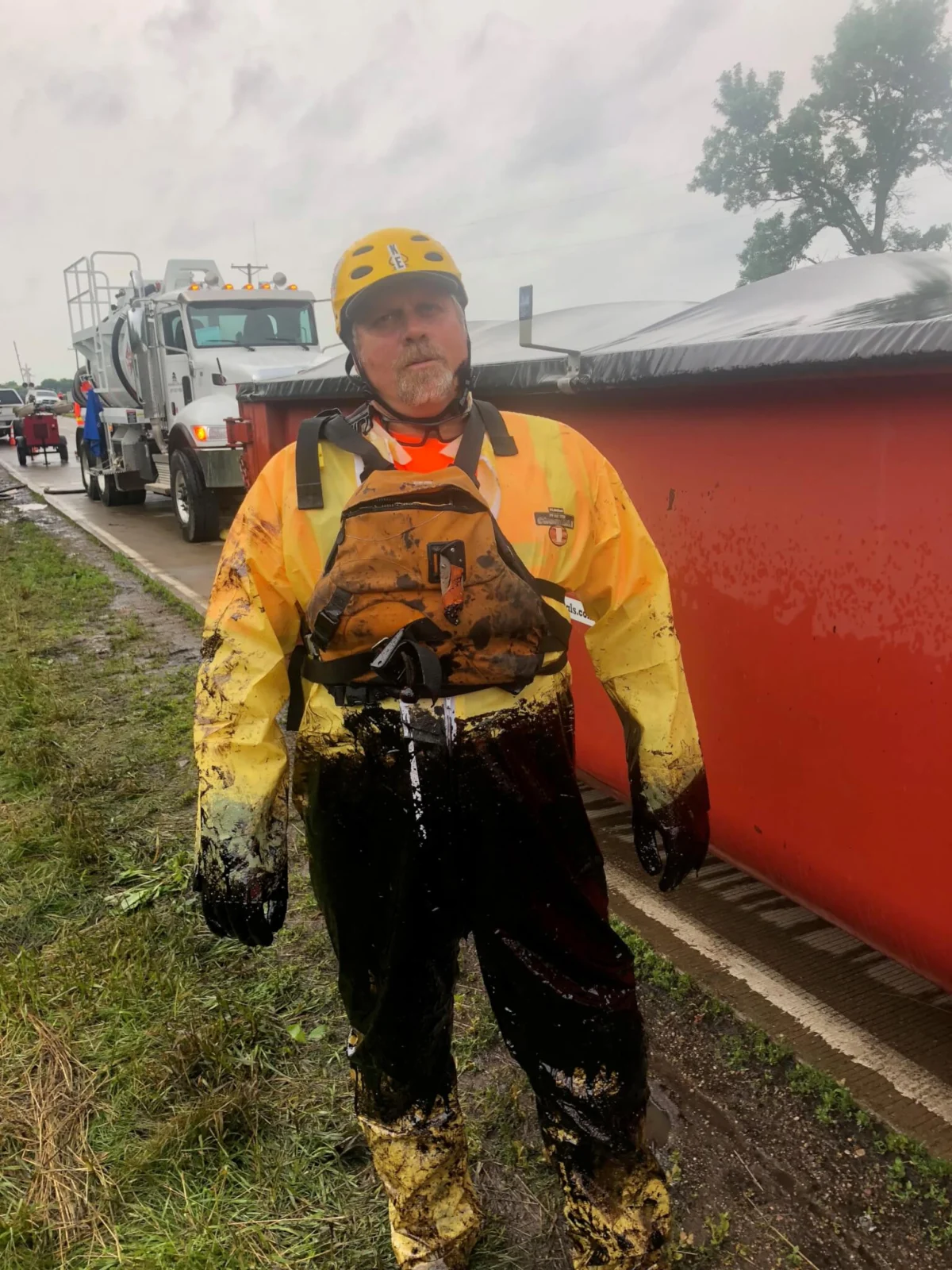
"Loading and unloading boom out of response trailers over uneven ground and carrying it to the river is some of the most strenuous work we do as responders," noted WRI lead staff. This physical burden creates a bottleneck. In a rapid-response scenario, the exhaustion of the crew or the time required to mobilize heavy gear can lead to critical delays, allowing contaminants to travel further downstream and increasing the scope of the environmental impact.
The technical challenge is compounded by the physics of fast water. Deploying boom in a river requires not just physical strength but a sophisticated understanding of hydrodynamics. Every deployment is, by necessity, a high-stakes experiment in risk management, where a failure in anchoring or boom geometry can result in the entire system being swept away or bypassed by the oil, rendering the effort useless.
Chronology of the Clark Fork Field Trials
Last week, WRI conducted a series of controlled drills on the Clark Fork River, specifically targeting the complexities of fastwater containment. The objective was two-fold: to test established collection strategies and to evaluate emerging technologies in real-world conditions.
Phase I: High-Velocity Collection
The initial phase of the exercise focused on "boom vane" collection in the upper reaches of the Clark Fork. This maneuver utilizes a hydrodynamic vane to hold a boom at an angle to the current, allowing the boom to sweep across the water surface and collect oil without the need for multiple anchor points in the middle of the channel. The exercise confirmed that while current collection strategies are sound, they remain tethered to the slow mobilization of traditional, heavy equipment.
Phase II: The Harbo Innovation
The second phase introduced a disruptive technology developed by Harbo Technologies. The WRI team approached the Harbo boom with professional skepticism. Its lightweight design—stored in 20-inch by 36-inch dry boxes—stood in stark contrast to the massive crates required for traditional equipment.
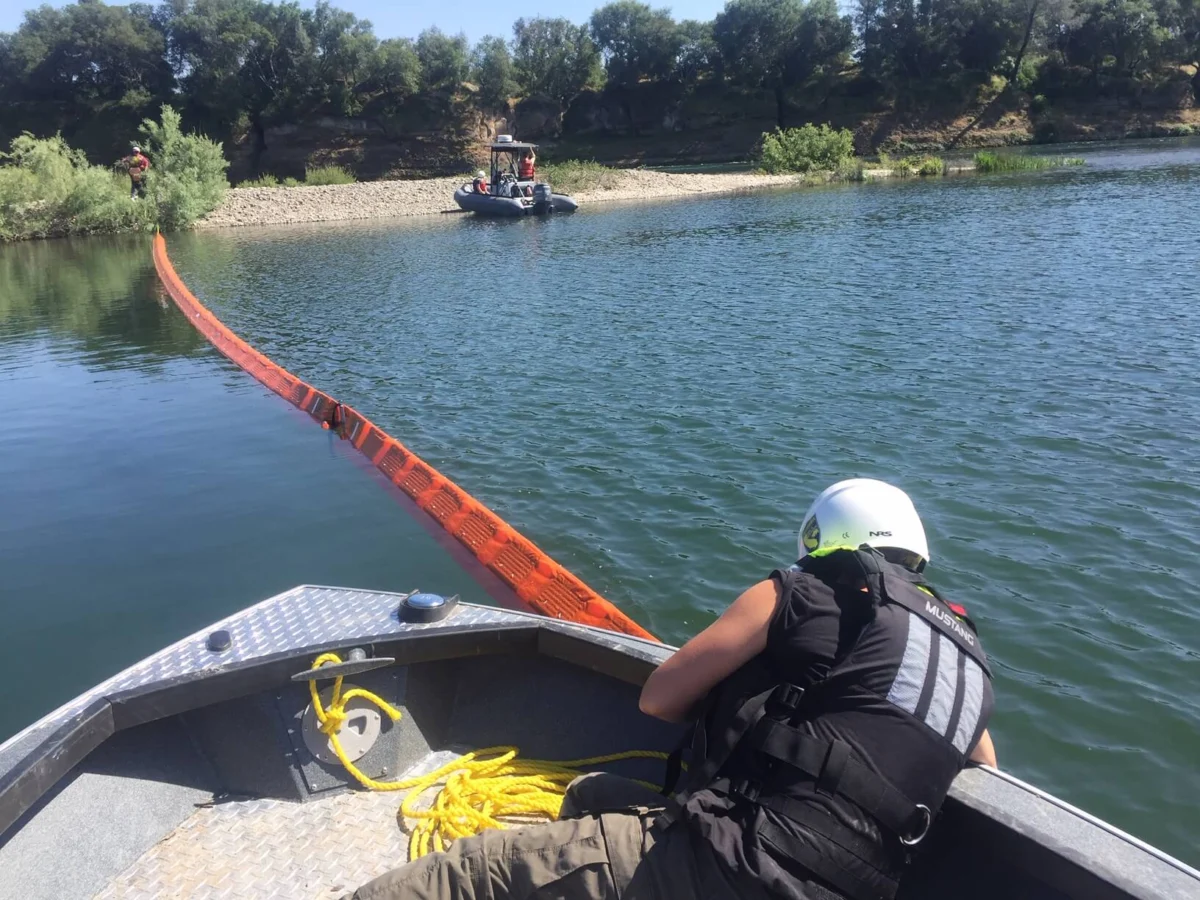
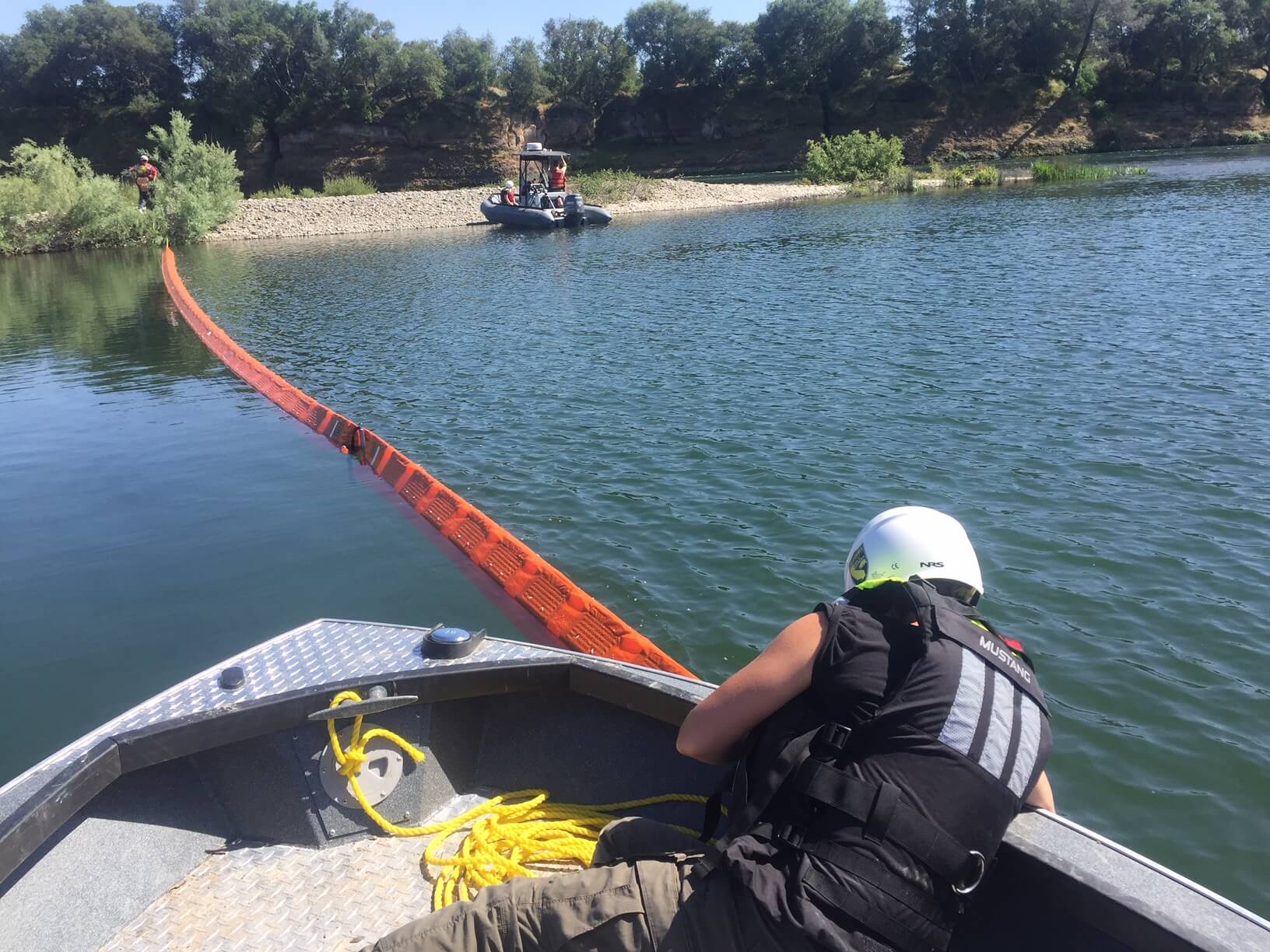
The test protocol was rigorous. WRI deployed the boom as both a shoreline protection barrier and as part of a collection strategy integrated with a Highline system and a Boom Vane. The results were unexpected: despite its lightweight construction, the boom maintained its integrity against the current, showing no signs of entrainment or structural failure.
Supporting Data: How the Technology Works
The Harbo system operates on a unique mechanism that distinguishes it from the air-inflated or foam-filled booms of the past. Its efficiency is rooted in its design simplicity:
- Deployment Velocity: A single operator can line out between 82 and 164 feet of boom along a shoreline with minimal physical exertion.
- Automatic Inflation: The boom is stored flat and compact. Upon immersion, integrated interior sponges absorb water and expand, automatically inflating the boom into a square structure consisting of a float and a vertical curtain.
- Structural Integrity: Rather than relying on rigid external supports, the boom utilizes the water itself. Water flows through the hollow structure, adding ballast and stability to the curtain, while high-strength nylon webbing running the length of the boom provides the necessary tensile strength for towing.
- Universal Connectivity: The system uses simple, single-pin universal connectors, eliminating the need for complex coupling procedures that often fail or jam in muddy, cold, or high-pressure environments.
Official Perspectives and Expert Assessment
The WRI team, comprised of veteran responders with extensive field experience, emerged from the trials with a high degree of optimism. "We were surprised by both its strength and effectiveness," a WRI spokesperson reported.
The assessment emphasized that the Harbo boom is not merely a niche tool, but a versatile asset capable of performing in containment, deflection, and collection roles. For high-risk facilities—such as harbors, refineries, and rail yards—the ability to stage this equipment in small, easily accessible cabinets means that the "first responder" could be anyone on-site, rather than a specialized hazmat team waiting for heavy logistics.
However, the assessment was balanced by practical industry realities. Currently, the Harbo boom is a "one-time use" product. Once the internal sponges have been saturated and dried, they no longer support the structure of the boom effectively. This creates a significant barrier for training, as repeated deployments of a single unit are not currently feasible. Harbo Technologies has acknowledged this limitation, indicating that a dedicated, reusable training version of the boom is currently in development. Additionally, responders must account for a five-year shelf life, a standard but important logistical consideration for long-term inventory management.
Implications for the Spill Response Industry
The successful integration of lightweight, rapid-response technology marks a potential paradigm shift in environmental protection. The implications for the industry are profound:
1. Reduced Personnel Requirements
By lowering the physical barrier to entry, these new technologies allow for smaller, more agile response teams. This is particularly vital in remote locations where manpower is limited and mobilization of large crews is time-prohibitive.
2. Enhanced "Time-to-Contain" Metrics
The primary KPI (Key Performance Indicator) in any spill is the time elapsed between the incident and the first containment. If equipment can be moved from a storage box to the water in minutes rather than hours, the total volume of oil recovered increases exponentially, and the footprint of the impacted area decreases.
3. Strategic Staging
The compact nature of these booms allows for "strategic staging." Instead of centralizing all equipment in a distant warehouse, companies can place response kits in high-risk areas—along pipeline intersections or river crossings—ensuring that the equipment is already on the scene when an incident occurs.
4. Safety and Risk Management
The reduction in physical strain directly correlates to a reduction in responder injury. By removing the need to haul heavy, cumbersome equipment over difficult terrain, the risk of slips, falls, and overexertion is significantly mitigated, allowing the team to focus their mental energy on the complex task of oil containment rather than the physical struggle of equipment transport.
Conclusion: A New Era of Preparedness
The field trials on the Clark Fork River underscore a clear trend: the industry is moving away from the era of "brute force" logistics toward a future defined by smart, adaptable engineering. While the Harbo boom is not yet a total replacement for every heavy-duty scenario, its performance in fastwater conditions proves that lightweight alternatives can hold their own against the raw power of moving water.
As WRI continues to integrate these tools into their training and response repertoire, the broader industry will be watching. The challenge remains to bridge the gap between high-cost, one-time-use materials and the need for sustainable, repeatable training protocols. Nevertheless, for a field that has historically relied on the same heavy-duty methods for decades, this development represents a necessary and welcome evolution. As technology continues to close the gap between incident and containment, the ultimate beneficiary remains the environment, which is now one step closer to being protected with greater speed, safety, and precision.