Introduction: A Journey of Currents and Culture
For most whitewater professionals, the river is more than a recreational playground; it is a lens through which to view the world. Recently, Mike and Cody—seasoned experts in the field of river navigation—returned from an expedition to northern India that challenged their perceptions of both hydrology and humanity. By partnering with the Hannibal Outdoor Center, the pair sought to bridge the gap between Western rafting standards and the unique, high-stakes environment of the Himalayan foothills.
The Ganges, or Ganga, is not merely a body of water to the people of India; it is a deity, a lifeblood, and a final resting place. For Mike and Cody, the journey was a dual-immersion: a technical evaluation of local river rescue and rafting protocols, and a profound cultural pilgrimage into one of the most densely populated, complex, and spiritually charged regions on Earth.
The Chronology of an Expedition
The expedition began in the foothills of the Himalayas, where the scale of the landscape dwarfs anything found in the lower 48 United States.
Phase I: The Himalayan Foothills
Upon arrival, the team was immediately struck by the verticality of the terrain. Even at altitudes of 8,000 to 12,000 feet—elevations that would be considered high-alpine territory in the American West—Mike and Cody found themselves navigating through bustling towns and vibrant village life. The team spent their initial days acclimatizing and coordinating with local guides from the Hannibal Outdoor Center, establishing a foundation of shared knowledge regarding safety standards and river navigation in the Indian context.
Phase II: Navigating the Mother River
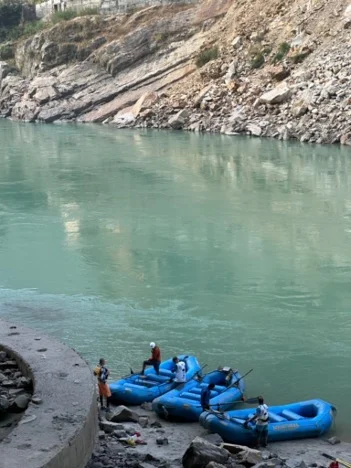
The primary objective was the descent of the Ganges itself. The river, fed by the glacial melt of the Himalayas, is a force of nature that commands respect. During their run, the team estimated the flow at a staggering 40,000 cubic feet per second (cfs). For context, this volume creates a hydraulic environment that is both exhilarating and formidable.
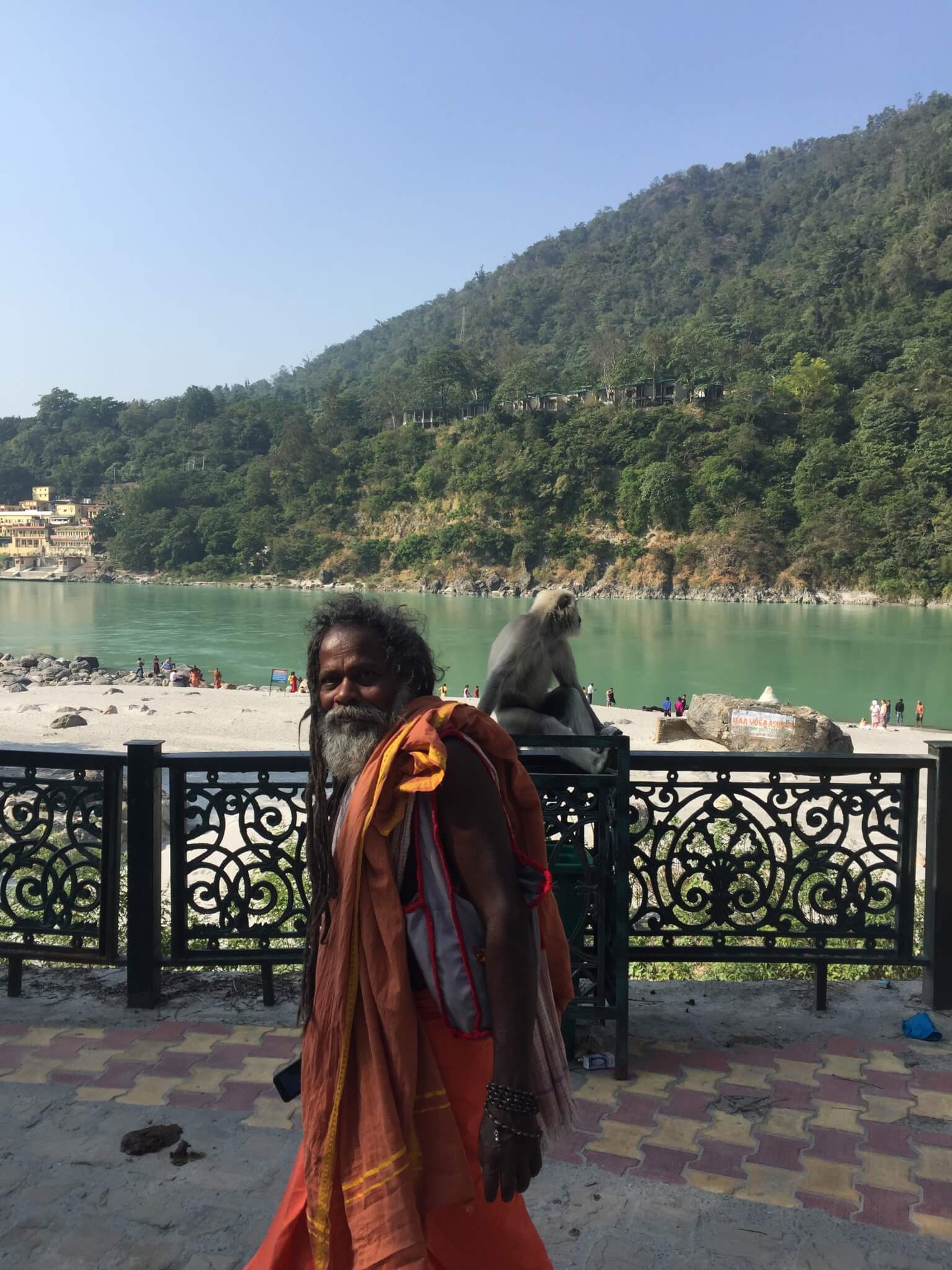
The descent provided a stark contrast between the pristine power of the mountain runoff and the human impact as the river neared populated centers. The team moved from the technical, boulder-strewn sections of the upper reaches to the broader, sediment-heavy stretches where the river becomes the spiritual center of the nation.
Phase III: Urban Immersion and Transit
To truly understand the rhythm of India, the team expanded their mode of travel beyond the raft. Utilizing India’s legendary railway system and the chaotic, colorful world of the rickshaw, they traversed vast distances. Traveling between cars on the trains, they observed a nation in constant motion—a landscape defined by "beauty surrounded by landfills" and the resilience of heroic, small-scale subsistence agriculture.
Supporting Data and Observations
The Ganges is a river of superlatives, but these superlatives carry significant burdens. Understanding the scale of the environment requires a look at the data surrounding the region.
Geographical and Hydrological Scale
- Elevation: Villages thrive at 8,000–12,000 feet, emphasizing the massive nature of the Himalayan foothills.
- Flow Rate: The team’s estimation of 40,000 cfs highlights the sheer volume of the Ganges as it transitions from a mountain stream to a continental artery.
- Biodiversity: The region remains a sanctuary for wildlife, including wild elephants, jaguars, various species of monkeys, and cobras, illustrating the intersection of human habitation and untamed nature.
The Demographic and Environmental Paradox
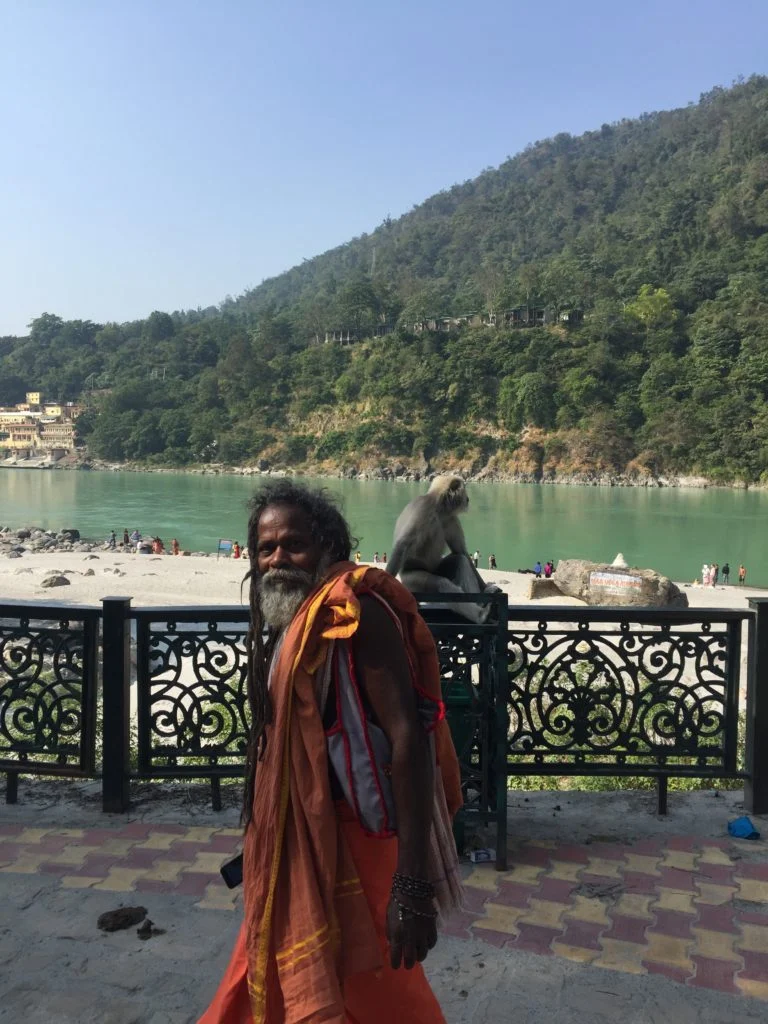
India is home to roughly one-fifth of the global population, a demographic reality that manifests in the density of its riverbank ceremonies. The team’s time in Haridwar offered a glimpse into this reality, as thousands of pilgrims congregated daily to perform cleansing rituals—a practice that remains one of the most moving sights in the world.
However, this reverence is shadowed by a modern crisis. The Ganges serves as a primary source of water for millions, yet it remains one of the most polluted rivers on the planet. Untreated human waste and industrial runoff represent an environmental challenge that is as massive as the river itself. The juxtaposition of the "most worshipped river" with the "most polluted" is perhaps the defining tension of modern India.

Official Perspectives and Cultural Context
During their collaboration with the Hannibal Outdoor Center, Mike and Cody engaged with local instructors to discuss the evolution of rafting standards. In India, the rafting industry has had to adapt rapidly to both the influx of international adventure tourism and the unique environmental hazards of the region.
The guides emphasized that "rafting in India is not just about the whitewater; it is about managing the interface between the river’s sacred status and its practical use." The local instructors are tasked with navigating waters that are simultaneously used for industrial disposal, religious ritual, and high-adrenaline sport. This requires a level of environmental and cultural sensitivity that is rarely demanded of guides in the West.
Implications: The Future of River Stewardship
The experience of Mike and Cody raises critical questions about the future of global river systems and the potential for international cooperation in outdoor education.
Lessons in Adaptability
The expedition demonstrated that American river professionals have much to gain from the "improvise and adapt" culture of Indian guides. When resources are scarce and the environment is unpredictable, the reliance on human ingenuity over high-end gear becomes a necessary skill. The team returned with a newfound appreciation for the logistics of navigating a country with 3,000 distinct languages and a social structure that is as complex as the river’s eddies.
Environmental Stewardship
The pollution crisis on the Ganges is not an isolated event; it is a mirror of global urbanization challenges. The team noted that while the beauty of the landscape is immense, the presence of landfills and waste near the riverbanks is a jarring reminder of the pressure placed on natural resources by rapid population growth.

The implication here is clear: the future of the Ganges, and by extension the health of the Indian subcontinent, depends on bridging the gap between religious devotion to the water and the practical, systemic infrastructure required to maintain its purity.
A Call for Continued Exploration
For Mike and Cody, the trip was not a "check-the-box" adventure, but the beginning of a long-term engagement with the region. The team expressed a deep sense of respect for the people they encountered—those who live in the shadow of the Himalayas and rely on the Ganges for everything from irrigation to spiritual salvation.
"There is so much to see, experience and learn in India," they noted, expressing a firm intent to return. For those in the outdoor industry, the takeaway is that adventure is not just about the technical mastery of a river; it is about the capacity to witness, understand, and participate in the cultural fabric of the places we visit.
Conclusion: Reflections from the Foothills
As the global community looks toward the preservation of its most iconic rivers, the story of this Ganges expedition serves as a potent reminder. We are all connected by the water that flows through our lands. Whether in the pristine mountain streams of Montana or the massive, sediment-laden currents of the Ganges, the river remains our most honest teacher.
Mike and Cody’s journey highlights that while the world may be divided by thousands of languages and vast geographical distances, the shared experience of the river—the sound of the water, the challenge of the current, and the respect for the environment—is a universal language. As they plan their next return to the subcontinent, the industry watches with interest, waiting to see how these lessons in humility, scale, and cross-cultural collaboration will shape their future work in the field of whitewater rescue and education.