Introduction: An Expedition Beyond Borders
For Mike and Cody, seasoned guides accustomed to the rugged wilderness of the American West, the call of the Himalayas represented more than just a new destination—it was an invitation to immerse themselves in the world’s most complex river system. Recently, the pair returned from a transformative journey to northern India, where they collaborated with instructors from the Hannibal Outdoor Center to navigate the legendary Ganges River.
What began as a professional excursion to evaluate international rafting standards evolved into a profound exploration of human endurance, spiritual devotion, and the staggering ecological paradoxes of the Indian subcontinent. From the thundering hydraulics of the Himalayan runoff to the crowded, incense-filled ghats of Haridwar, Mike and Cody’s experience serves as a testament to the power of adventure to bridge cultural divides.
The Chronology of the Journey: From Foothills to Holy Waters
The expedition began in the foothills of the Himalayas, where the scale of the landscape immediately challenged the duo’s perceptions of geography.
- Arrival and Acclimatization: Upon landing, the team traveled into the high-altitude villages situated between 8,000 and 12,000 feet. Even at these elevations, they found themselves merely at the threshold of the mountain range, surrounded by a vertical landscape that defied conventional imagination.
- Technical Training and Collaboration: The primary objective was to engage with the Hannibal Outdoor Center. By living and training alongside local guides, Mike and Cody were able to conduct a comparative analysis of international whitewater safety protocols. They observed how local standards are adapted to the unique, high-volume flows characteristic of the region.
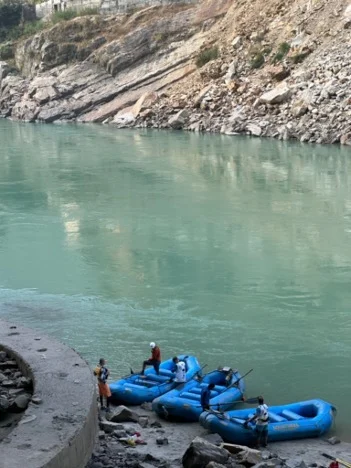
- Navigating the Ganges: The highlight of the trip was the descent of the Ganges. During their run, the team estimated the river’s flow at a staggering 40,000 cubic feet per second (cfs). This massive volume requires a level of technical precision and respect for the river’s power that separates professional navigation from recreational rafting.
- Cultural Immersion: The journey concluded with a transit through the Indian rail system and a deep dive into the local village culture, allowing the team to experience the pulse of the nation beyond the riverbanks.
The Ganges: A Paradox of Holiness and Hazard
To understand the Ganges is to understand the soul of India. As the most sacred river in the Hindu tradition, the Ganges—or Ganga—is viewed not merely as a waterway, but as a living goddess. Pilgrims travel hundreds of miles to perform puja (worship) and ritual cleansing, believing the waters hold the power to wash away sins and offer salvation.
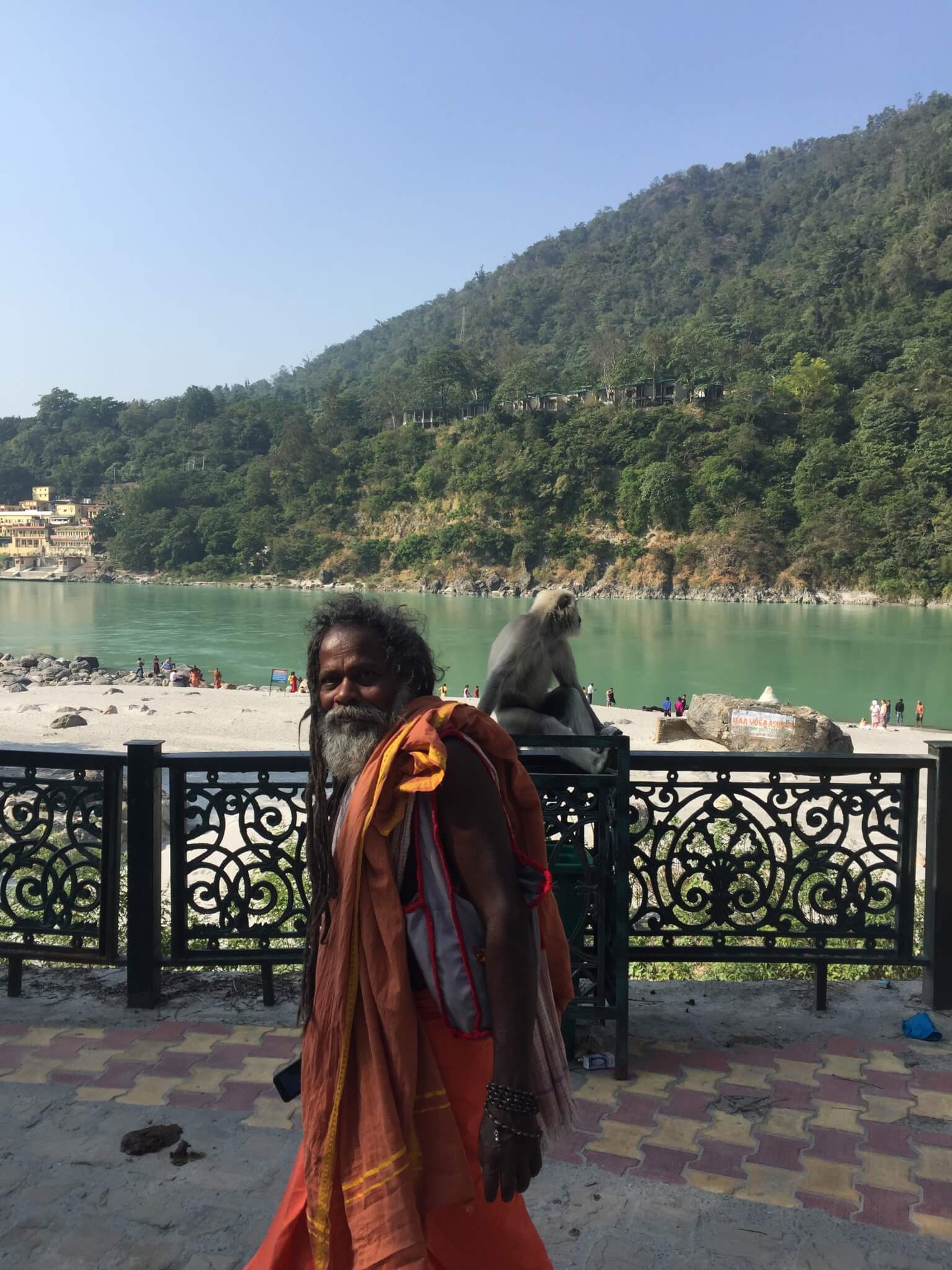
The Visual Reality of Haridwar
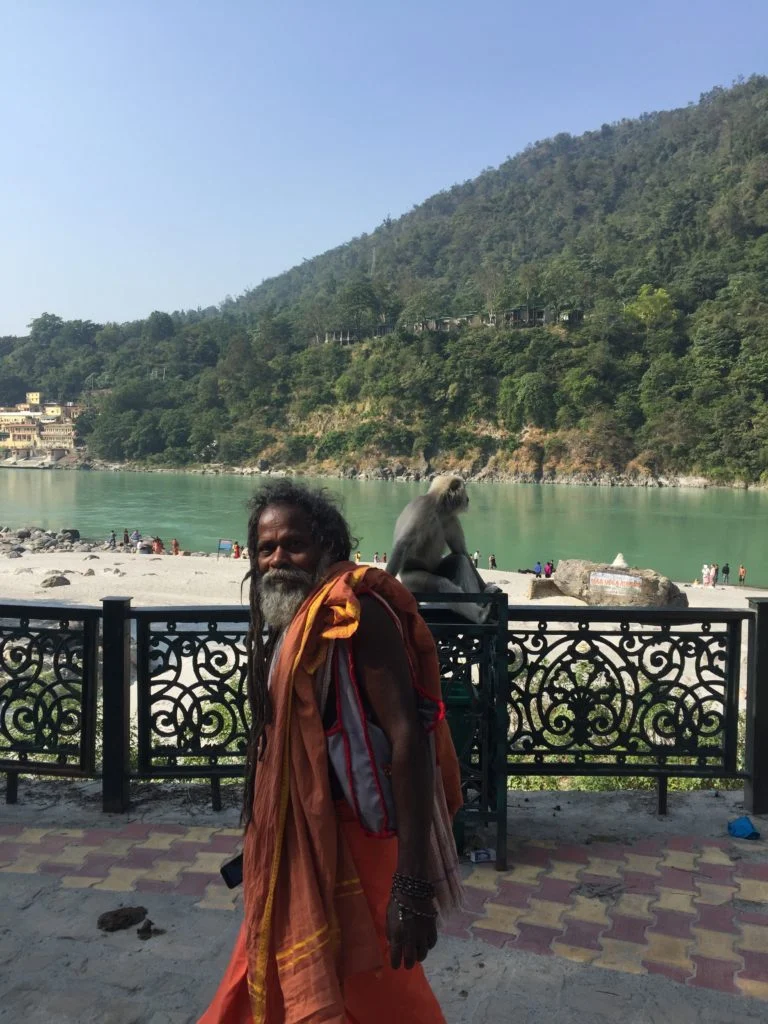
In the city of Haridwar, one of the seven holiest places in Hinduism, the team witnessed the sheer magnitude of this devotion. The banks of the river are perpetually teeming with thousands of people engaged in prayer, meditation, and bathing. This daily ritual, captured in the team’s documentation, showcases a raw, unfiltered expression of faith that has remained largely unchanged for millennia.
The Ecological Burden
However, the reverence shown to the river stands in stark contrast to its environmental state. The Ganges is simultaneously one of the most worshipped and one of the most polluted rivers on Earth. Industrial runoff and untreated human waste pose a constant threat to the river’s ecosystem. The tension between the river’s spiritual status and its physical degradation was a constant, sobering backdrop to the team’s journey.
Supporting Data: Understanding the Indian Context
India is a nation of superlatives, and for travelers, it can be a sensory overload that requires a recalibration of one’s worldview.
Demographic and Cultural Complexity
With a population accounting for one-fifth of humanity, India is a mosaic of diversity. The linguistic landscape alone is staggering; while Hindi serves as a major unifying language, there are approximately 3,000 distinct languages and dialects spoken across the country.

Biodiversity and Landscape
The ecological richness of the region is as vast as its cultural heritage. The team noted the presence of diverse wildlife, including wild elephants, cobras, and a wide array of primate species. The sheer size of the mountain range, which towers over the Indian plains, dictates the hydrology of the entire region, creating the massive river systems that sustain agriculture and life for hundreds of millions of people.
The Transit Experience
Traveling through India, the team discovered, is an experience in itself. Moving away from their preferred modes of transport—river and trail—they found the Indian railway system to be an essential vessel for experiencing the country’s scale. The experience of riding the trains, often while hanging between cars to catch the fresh air, provided a unique perspective: a constant transition between breathtaking natural beauty and the stark realities of urban sprawl, landfills, and heroic, small-scale subsistence agriculture.
Official Perspectives and Professional Insights
The collaboration with the Hannibal Outdoor Center provided a professional framework for the trip. By exchanging knowledge with local experts, the team learned that the Indian rafting industry is rapidly maturing. Instructors at the center emphasize that safety on the Ganges is dictated by the river’s immense power; unlike the smaller, technical rivers often found in the United States, the Ganges demands an understanding of "big water" management.
"Many aspects of India are overwhelming," the team noted in their post-trip analysis. "The size of the mountains is difficult to imagine unless you’ve been there. We gained a great respect and admiration for the people and the culture because they are managing such a vast, complex environment with such resilience."

Implications: The Future of River Conservation and Travel
The team’s journey underscores several critical implications for the future of international adventure travel and environmental conservation:
- The Necessity of Sustainable Tourism: As adventure travel to the Himalayas increases, there is a growing need for international collaboration on waste management and river protection. The health of the Ganges is inextricably linked to the well-being of the communities that rely on it.
- Cross-Cultural Exchange: The value of this trip was not limited to whitewater techniques. It served as a reminder that the most significant risks in international travel—poverty, pollution, and cultural shock—are also the greatest opportunities for personal growth and empathy.
- The Role of Guides as Ambassadors: By documenting their journey and sharing their experiences, guides like Mike and Cody act as ambassadors. They bring back not just technical skills, but a nuanced understanding of the challenges facing the Global South.
Conclusion: A Promise to Return
The trip to India was, for Mike and Cody, an exercise in humility. The country’s diversity, beauty, and profound social challenges created an experience that was, by their own admission, "overwhelming."
However, rather than being deterred by the intensity of the experience, the pair has returned with a deepened commitment to the region. The complexity of the Ganges, the hospitality of the local guides, and the vibrant, chaotic beauty of the Indian landscape have left an indelible mark. They view this trip as a foundational chapter in a much longer narrative, already looking forward to their next return to the Himalayas to continue their exploration of one of the most enigmatic and vital river systems in the world.
For those who seek to understand the world through the lens of a river, India offers the ultimate classroom. It is a place where the sacred and the mundane collide, and where every rapid navigated is a lesson in the power of both nature and the human spirit.