The allure of the water has never been stronger. As of 2024, outdoor recreation participation has surged, with over 181 million Americans—nearly 60% of the population—engaging in activities ranging from hiking to paddlesports. Within this massive demographic, approximately 30 million people have found their passion in the rhythmic pull of a paddle. Yet, for many beginners, the first major hurdle is not the water itself, but the equipment: should you choose a canoe or a kayak?
While both vessels offer an intimate connection to the aquatic environment, they serve fundamentally different purposes. Choosing the right craft is not merely a matter of personal aesthetic; it is a decision dictated by your intended destination, the cargo you plan to carry, and the company you intend to keep.
Main Facts: Defining the Two Vessels
At their core, the difference between a canoe and a kayak is a matter of design, posture, and utility.
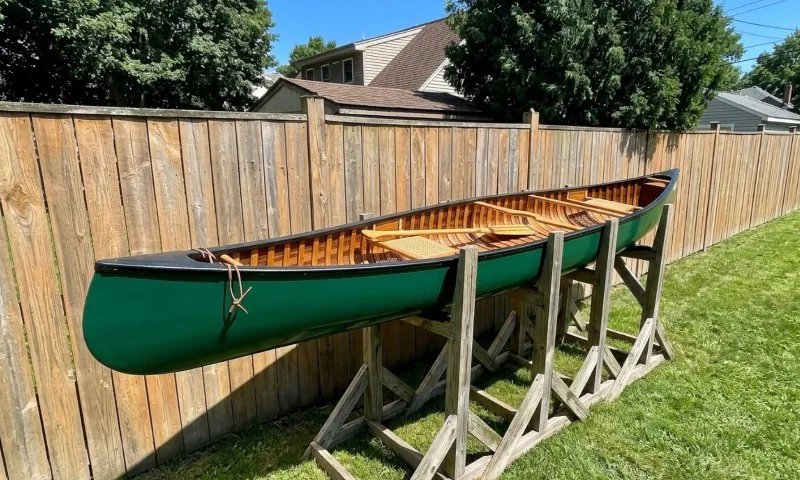
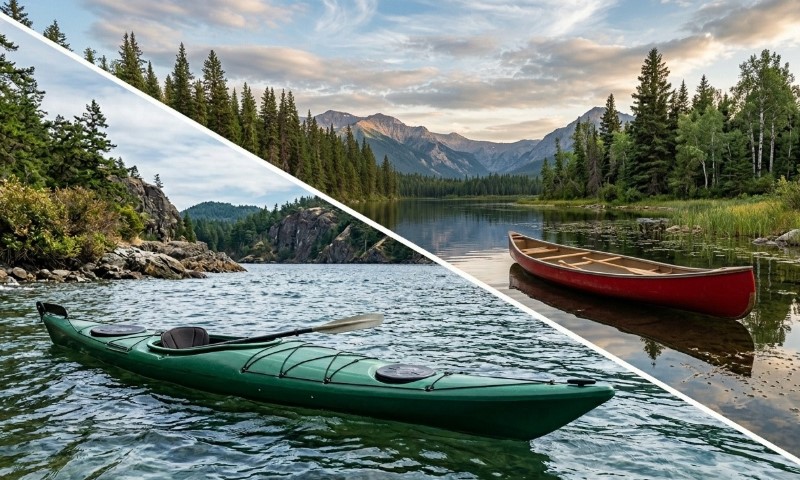
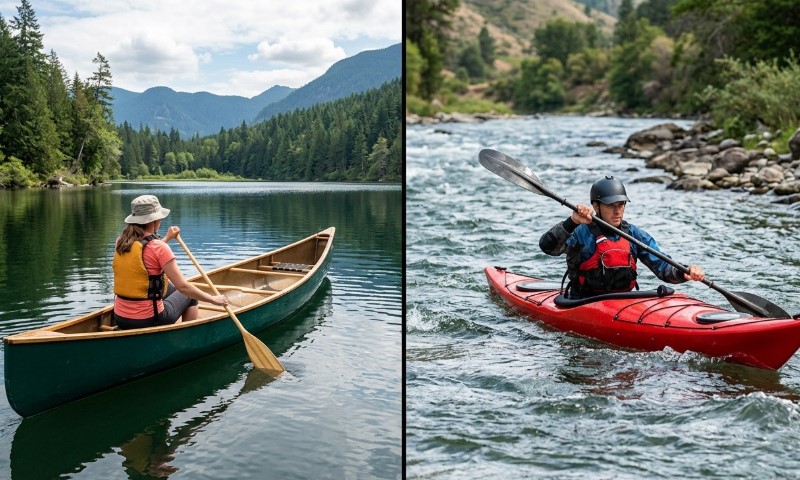
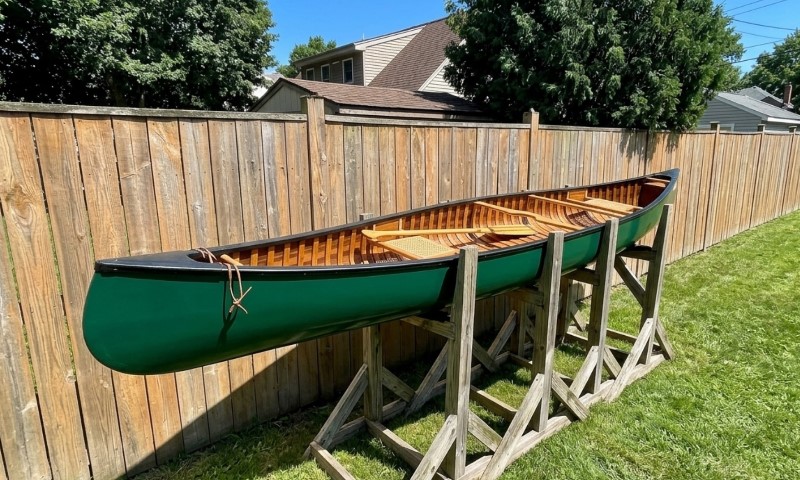
A canoe is the classic, open-decked vessel of the North American wilderness. Characterized by its high sides and spacious interior, it is typically paddled with a single-bladed paddle. The paddler sits on a raised bench or kneels, offering a high vantage point ideal for scouting wildlife or navigating shallow, winding rivers. Think of a canoe as the "floating SUV" of the water: it is designed to haul gear, children, family pets, and substantial amounts of supplies for multi-day expeditions.
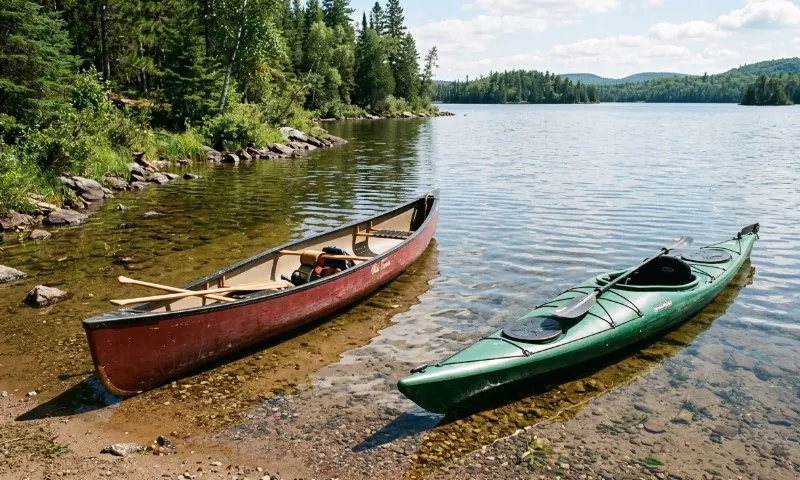
A kayak, by contrast, is a sleek, low-profile craft. The paddler sits close to the water, often inside an enclosed cockpit or on a sit-on-top molded seat, and utilizes a double-bladed paddle. This design provides superior speed, stability in choppy conditions, and, for many beginners, an intuitive learning curve. If the canoe is an SUV, the kayak is the nimble sports car—built for efficiency, solo exploration, and cutting through wind and waves.
Chronology and Evolution of Design
The history of these vessels is as deep as the waters they traverse. Canoes have long been the backbone of exploration in the Americas, favored by Indigenous peoples and early explorers for their ability to transport heavy loads across complex river networks and portage routes. Their design has remained remarkably consistent, focusing on buoyancy and cargo capacity.
Kayaks, originating from the Arctic regions, were developed by Inuit and Aleut hunters as highly specialized, agile hunting vessels. Their design focused on speed, stealth, and the ability to roll in icy, turbulent waters. Over the last several decades, these traditional designs have undergone a technological revolution. We have moved from birch bark and animal skin frames to rotomolded plastics, carbon fiber, and inflatable drop-stitch fabrics.
The modern "blending" of these categories—such as the rise of sit-on-top recreational kayaks and specialized fishing canoes with pedal drives—has made the decision-making process more complex. Today, manufacturers have tailored these boats for niche activities, including whitewater racing, coastal touring, and recreational angling.
Supporting Data: Why the Choice Matters
The distinction between these two boats is backed by the physics of hydrodynamics and the reality of human ergonomics. According to the International Canoe Federation (ICF), the biomechanical difference is significant: kayakers rotate their torso while swapping sides with a double blade, whereas canoeists must master the "J-stroke" or other steering techniques to keep a single-blade boat moving in a straight line.
The following table summarizes the real-world implications of these design differences:
| Factor | Canoe | Kayak | Real-World Consequence |
|---|---|---|---|
| Paddle | Single-blade | Double-blade | Kayaks are often easier for solo beginners. |
| Seating | Raised / Kneeling | Low / Legs forward | Kayaks offer better hull connectivity. |
| Deck | Open | Enclosed or SOT | Canoes load gear faster; kayaks shed wind. |
| Wind | High profile | Low profile | Kayaks handle breezy lakes better. |
| Learning | Requires skill | Intuitive | Kayaks offer faster progress for soloists. |
Official Perspectives and Safety Implications
Safety remains the paramount concern for any paddlesport organization. According to the latest U.S. Coast Guard recreational boating statistics, a significant portion of water-related fatalities involve operators who were not wearing a life jacket. The National Park Service (NPS) stresses that a life jacket stored under a seat is useless in an emergency. In the event of a capsize, the shock of cold water and the onset of exhaustion can happen in seconds, making the donning of a PFD while in the water nearly impossible.
Safety experts emphasize that the "safest" boat is not determined by the hull, but by the paddler’s preparation. Dressing for water temperature rather than air temperature is a critical, often overlooked, safety mandate. In the spring and autumn, even if the sun is warm, cold water immersion can lead to hypothermia and cold-shock response, which significantly reduces swimming ability.
Navigating the Decision: Which Boat Fits Your Life?
Before committing to a purchase, prospective owners must move past the "dream" of the perfect trip and look at the "reality" of their weekend routine.
1. The Logistics of Ownership
A 16-foot canoe is an engineering marvel for a family trip, but if you live in a third-floor apartment and drive a compact sedan, it becomes a logistical burden. Conversely, a high-end fishing kayak may offer all the bells and whistles, but its weight can make solo transport to the water a deterrent that eventually leads to the boat sitting in the garage.
2. The "Rent Before You Buy" Rule
There is no substitute for time on the water. Before spending thousands on a vessel, visit a local outfitter or join a club. Test the seat comfort, the stability, and, most importantly, the ease of entry and exit. A kayak with a small cockpit may be efficient for a seasoned paddler but frustrating for someone with limited mobility.
3. Purpose-Driven Selection
- For the Family/Campers: The canoe remains king. Its capacity to hold dry bags, coolers, and even a dog makes it the undisputed champion of leisure.
- For the Solo Adventurer/Fitness Enthusiast: The kayak is the superior choice. Its ability to track straight in wind and the efficiency of the double-bladed paddle make it ideal for solo travel.
- For the Angler: Both offer unique advantages. The canoe provides space for tackle and a partner, while the modern fishing kayak is a modular, accessory-rich platform designed for maximum solo focus.
Implications for Future Paddlers
As we look toward 2026, the landscape of paddlesports continues to evolve. We are seeing a surge in lightweight, folding kayaks and modular boats that address the storage issues of urban living. However, the fundamental advice remains unchanged: the best boat is the one you actually use.
If you find yourself gravitating toward social, relaxed outings with a group, the canoe will facilitate those experiences. If your goal is to push your physical limits, explore distant shorelines alone, or navigate wind-swept reservoirs, the kayak will provide the performance you require.
Ultimately, the choice between a canoe and a kayak is a choice about what you value most in your leisure time: the versatility and communal nature of an open boat, or the sleek efficiency and focused control of a specialized craft. Regardless of the choice, the water is waiting—but remember that the most critical piece of equipment you will ever buy is the one that keeps you safe. Always wear your life jacket, respect the conditions, and choose a vessel that invites you to return to the water time and time again.
Quick FAQ for Prospective Buyers
- Do I need a license? In most jurisdictions, non-motorized canoes and kayaks do not require registration, but always check local state laws.
- Can I drink alcohol while paddling? No. Boating Under the Influence (BUI) laws apply to canoes and kayaks just as they do to motorboats.
- Do I need a light at night? Yes. Federal regulations require a white light to be visible to other vessels if you are paddling after sunset.
- Is a canoe safer than a kayak? Neither is inherently "safer." Safety is a product of training, the use of a life jacket, and understanding the environment in which you are paddling.
By aligning your boat choice with your actual lifestyle—rather than an idealized version of it—you ensure that your investment pays dividends in years of outdoor enjoyment. Happy paddling!