In the shadowed, winding tributaries of the Amazon Basin, the piranha is far more than the razor-toothed antagonist of B-grade horror films. To millions living along the South American river systems, it is a staple protein, a reliable food source, and a culinary tradition that dates back centuries. Yet, for the average consumer in North America or Europe, the prospect of eating a piranha feels more like a stunt than a meal.
As global travel increases and adventurous eating gains popularity, the piranha has moved from the realm of myths to the dinner plate. However, bridging that gap requires a nuanced understanding of biology, food safety, and cultural context.
Main Facts: The Reality of the Piranha
At its core, the piranha is a freshwater fish characterized by firm, white, flaky meat that is comparable to many common panfish like sunfish or tilapia. While the species is infamous for its sharp, interlocking teeth, the fish itself is biologically unremarkable in terms of edibility. It is not poisonous, it does not possess inherent toxins, and it is entirely safe for human consumption when prepared according to standard culinary protocols.
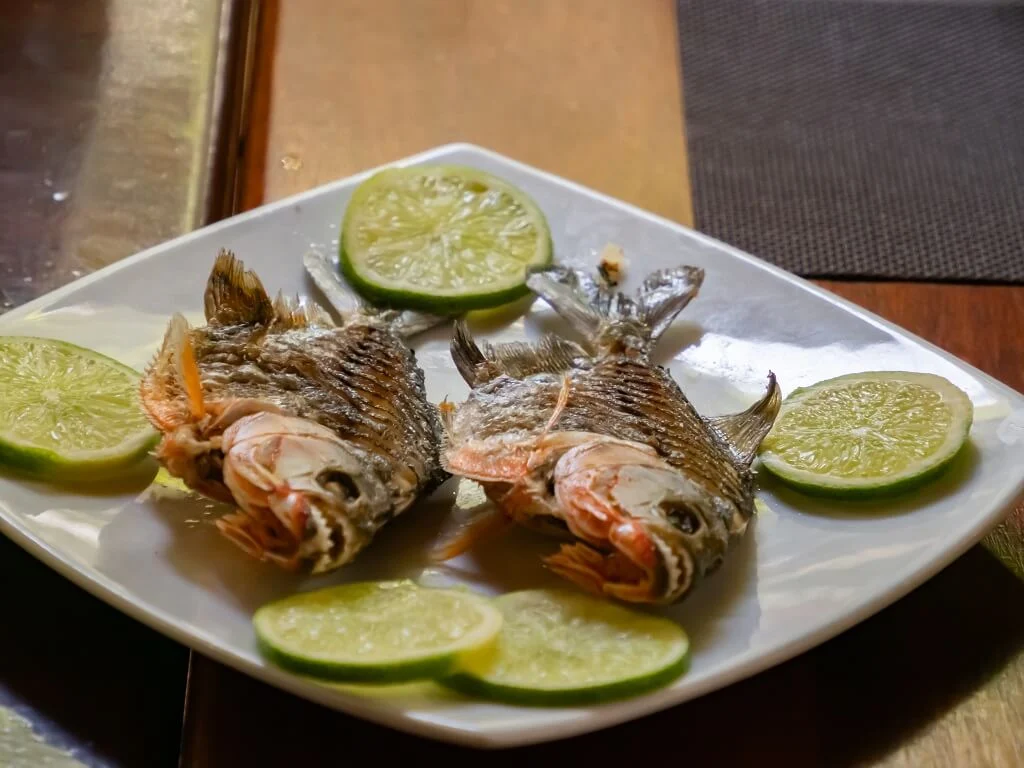
The primary hurdle for the uninitiated is not the danger of the fish, but its anatomy. Piranhas are notoriously bony. Their skeletal structure is complex, making the removal of meat a tedious task. Consequently, local preparation methods rarely involve complex filleting; instead, piranhas are typically cooked whole—grilled, fried, or simmered in stews—allowing the consumer to navigate the bones while eating.
Chronology: From Riverbed to Global Awareness
The perception of the piranha has undergone a dramatic evolution over the last century.
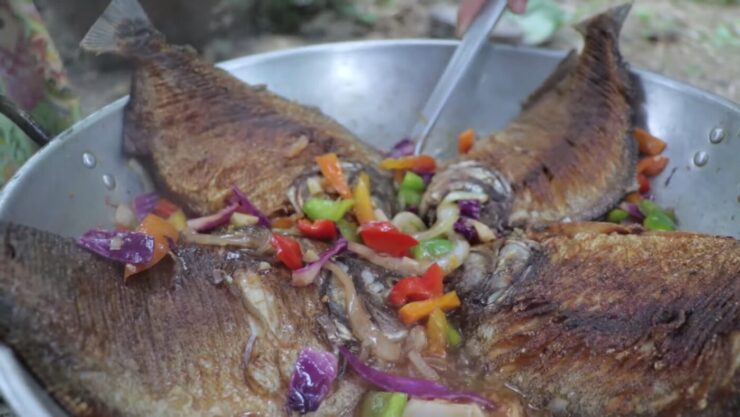
- Pre-20th Century: Indigenous populations throughout the Amazon, Orinoco, and Paraguay river basins relied on piranha as a vital, high-protein food source. Methods were developed to capture them in large numbers, often using woven traps or simple hook-and-line techniques.
- Early 1900s: Explorers and naturalists began documenting the fish’s aggressive feeding behaviors, inadvertently laying the groundwork for the "man-eater" narrative.
- Late 20th Century: Hollywood cinema cemented the piranha’s status as a terror of the deep. Films depicting schools of fish stripping animals to the bone in seconds created a psychological barrier that persists today.
- 21st Century: The rise of food tourism and adventure travel has forced a re-evaluation. Travelers visiting the Amazon often find piranha on the menu at local lodges and riverside markets, leading to a slow but steady normalization of the fish as an "exotic" but accessible culinary experience.
Supporting Data: Culinary Profile and Safety Metrics
To understand the piranha as food, one must look at the data regarding its nutritional and physical composition.
| Feature | Data/Expectation |
|---|---|
| Flavor Profile | Mild to moderately fishy; highly dependent on water quality. |
| Texture | Dense, firm, white flesh; holds up well in soups. |
| Bone Density | High; requires manual picking or careful cooking. |
| Internal Temp. | Must reach 145°F (63°C) for safe consumption. |
| Best Use | Soups, stews, or deep-fried whole. |
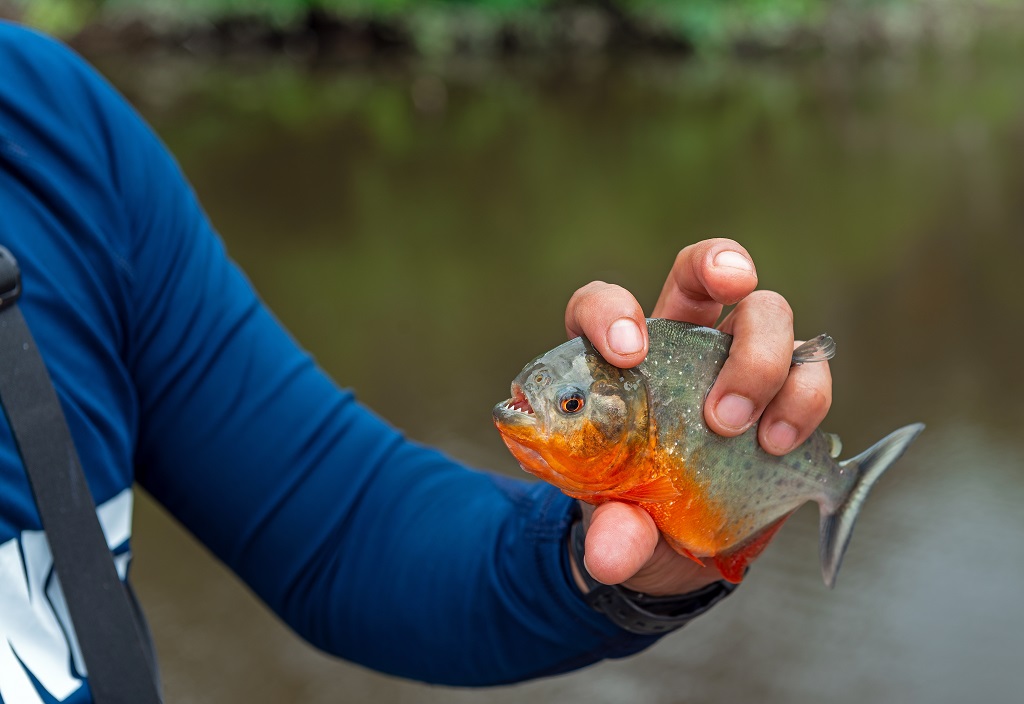
The "muddy" taste sometimes associated with piranha is a common trait in freshwater species living in stagnant or silty waters. Proper cleaning—specifically the immediate removal of the viscera—is critical to maintaining the integrity of the meat. In culinary terms, piranha is a "forgiving" fish that takes well to acidic marinades like lime juice, which helps cut through the fattiness and neutralize any potential "river" aftertaste.
Official Responses and Food Safety Guidelines
Food safety agencies, including the FDA and the EPA, do not have specific bans on the consumption of piranha, but they do provide rigorous guidelines for all wild-caught freshwater fish.
The Mercury Question
Because piranhas occupy a mid-to-high trophic level in river ecosystems, they can bioaccumulate mercury and other heavy metals. Official EPA guidance suggests that consumers should consult local fish advisories for the specific waterway where the fish was caught. In many parts of the Amazon, industrial mining has led to elevated mercury levels in river sediment, making it essential for locals and tourists alike to prioritize fish sourced from clean, upstream environments.
Proper Handling Protocols
The danger of the piranha is primarily physical. Their teeth are designed to shear flesh, and they retain a reflexive bite response even after being pulled from the water.
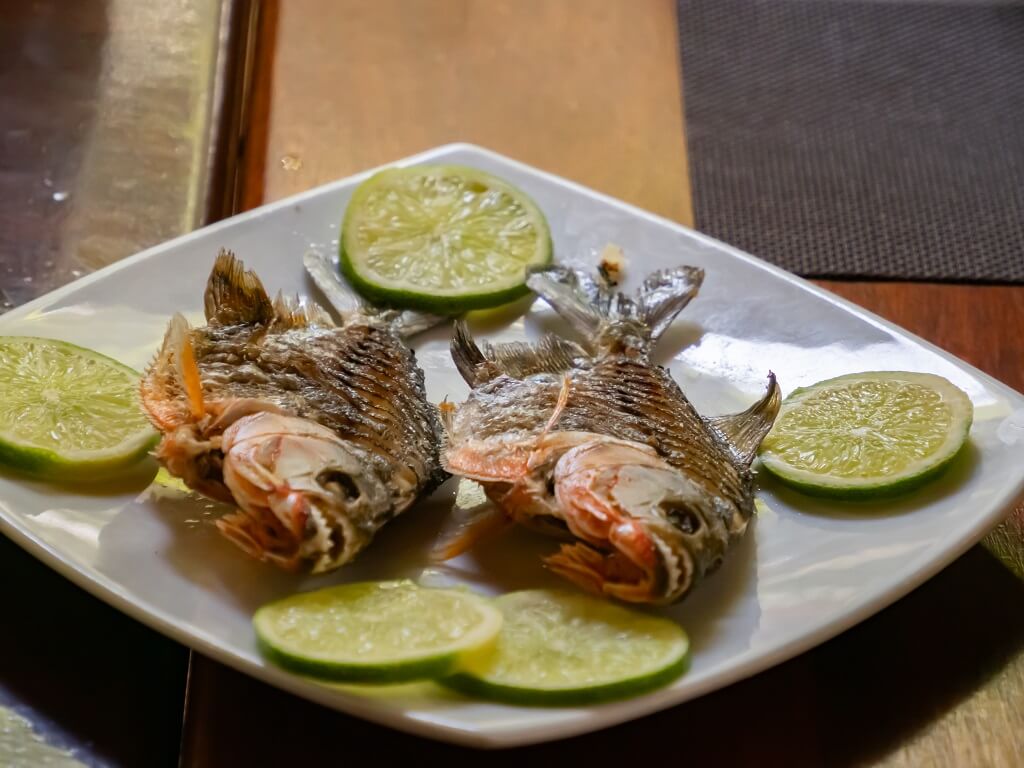
- Mechanical Removal: Never use fingers to remove a hook. Use long-nosed pliers.
- Control: Use a damp towel or a fish grip to stabilize the animal.
- Temperature Control: Like all fish, piranha is highly perishable. It must be kept on ice immediately after capture to prevent bacterial growth.
Implications: The Legal and Environmental Landscape
The decision to consume piranha is not just a personal choice; it is often a legal one. In the United States, Canada, and much of Europe, piranhas are classified under strict regulations. Because they are considered a potential invasive species, importing live piranha is heavily restricted.
If you find "piranha" on a menu in London or New York, it is almost certainly a mislabeled or highly specialized import. The legal implication of keeping piranha as a pet or attempting to farm them is significant; the risk of an introduced population decimating local freshwater ecosystems is a primary concern for wildlife services.
Consequently, the industry consensus is clear: Piranha is a destination food. It is best enjoyed in its natural habitat, prepared by locals who understand the specific species and the seasonal variations of the water.
Culinary Preparation: How to Approach the Plate
If you find yourself in the Amazon or at a reputable lodge where piranha is served, the preparation often defines the experience.
The Soup Strategy
In the Amazon, Caldo de Piranha is a celebrated dish. By boiling the fish whole, the gelatinous properties of the bones and skin are released into the broth, creating a rich, flavorful liquid. This method is the most efficient way to consume the fish, as the meat naturally separates from the bone during the simmering process, effectively bypassing the difficulty of the bone structure.
The Fried Method
For a more approachable texture, frying is superior. By scoring the fish and deep-frying it until the fins and skin are crispy, the small bones become brittle and less of an obstacle. It is often served with a side of farofa (toasted cassava flour) and chili sauce, a combination that balances the firm, mild nature of the meat.
Dispelling the Myth: The Truth About "Man-Eaters"
The reputation of the piranha as a voracious, human-consuming machine is largely an artifact of early 20th-century showmanship. While they are undoubtedly opportunistic scavengers, most piranha species are omnivorous, consuming more plant matter and insects than they do meat.
The "attack" scenarios often cited in pop culture are typically the result of extreme environmental stress—such as a school being trapped in a shrinking pool during a drought—or the presence of blood and commotion in the water. For the average angler or swimmer, the risk of a piranha attack is statistically negligible. Understanding this helps remove the "fear factor" and allows the consumer to view the fish for what it is: a sustainable, wild-caught resource.
Conclusion: A Culinary Adventure
Eating piranha is an experience that challenges our preconceived notions about the natural world. It invites us to look past the frightening aesthetic of the fish and appreciate the resourcefulness of the cultures that have thrived alongside it for millennia.
If you are an adventurous eater, piranha offers a firm, clean, and satisfying taste that stands up well to a variety of cooking methods. However, it requires a commitment to responsible sourcing and safety. When you choose to eat piranha, you are participating in a long-standing tradition of river-to-table dining. Respect the fish, follow local regulations, and most importantly, remember that while the piranha may look like a monster, it is, in the end, just another inhabitant of the river—and a perfectly valid part of a healthy, diverse diet.