The morning air at the Blackstone River, located in the rugged foothills northwest of Nordegg, Alberta, bit with the sharp clarity of a 30-degree mountain dawn. It was a scene familiar to the dedicated angler: the transition from the restless, cold discomfort of a sleeping bag on rocky ground to the electric anticipation of a day on the water. For two brothers—one a seasoned outdoorsman, the other a notoriously slow-moving sibling—this gravel bar served as the base camp for a pursuit that has become a rite of passage for fly fishers in Western Canada: the hunt for the elusive Bull Trout on a dry fly.
Main Facts: The Blackstone River Ecosystem
The Blackstone River, a tributary that winds its way through the front ranges of the Canadian Rockies before feeding into the Brazeau River, represents the quintessential Alberta foothills trout stream. Measuring roughly 20 meters across at its widest, the river is characterized by its moderate flow and exceptional visual beauty.
While the river is modest in scale, its reputation in angling circles is outsized. According to the foundational, if aging, insights of Barry Mitchell—a titan of Alberta angling literature—the Blackstone holds a distinct biological distinction: it is one of the few water bodies in the province where Bull Trout (Salvelinus confluentus) demonstrate a consistent, aggressive propensity to rise to dry flies. This behavior, often contrary to the species’ reputation as deep-dwelling, predatory lurkers, makes the Blackstone a pilgrimage site for those seeking to test the limits of surface-fly fishing.
Chronology: A Morning on the Blackstone
The expedition began in the chaotic dark of the previous night, with camp established by 10:00 PM. By 6:00 AM, the author was already navigating the morning routine, purposefully generating enough noise to rouse a reluctant brother. The strategy, while perhaps less than harmonious, was effective. By the time the sun began to warm the riverbank, the pair was geared up and descending toward the water.
The Initial Hours
The first hour of casting yielded little success. The river, while "fishy" in appearance, remained quiet. It wasn’t until the pair rounded a prominent bend that they encountered a stretch of water that defined the potential of the Blackstone. It was a pristine, deep pool where the surface was periodically broken by the rings of feeding trout.
Strategic Adjustments
Recognizing the fish were actively surface-feeding, the anglers shifted their strategy. They began with "prospector" patterns—a Red Humpy and a Stimulator—designed to entice interest. When these failed to produce, the tactic shifted to a Pale Morning Dun. The effectiveness of this adjustment was immediate; the brother hooked into a cutthroat trout measuring approximately 20 inches. Notably, the excitement of the moment led to the discovery that the pair had forgotten their landing net, a tactical oversight that would force a more delicate, manual approach to landing fish for the remainder of the trip.
The Bull Trout Strike
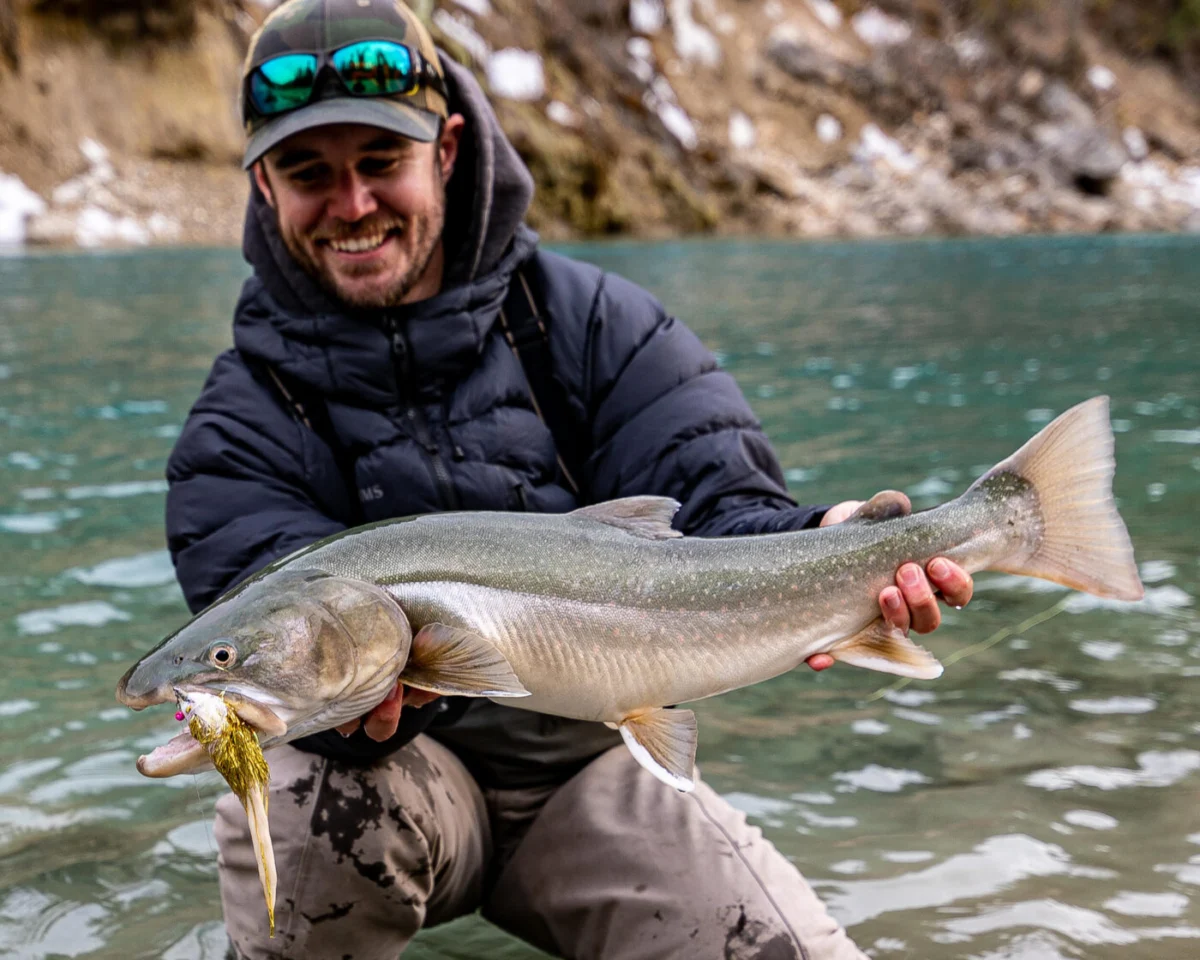
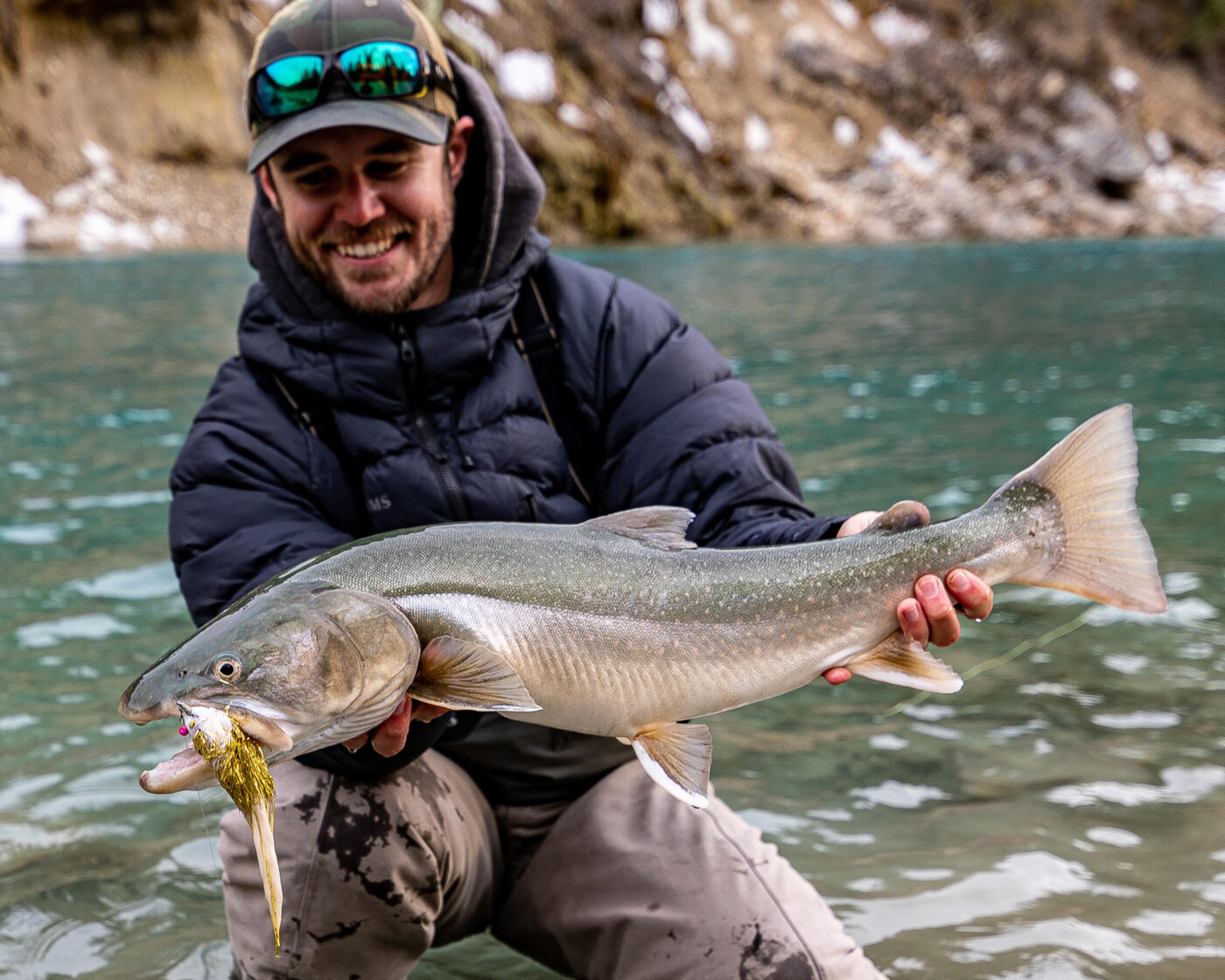
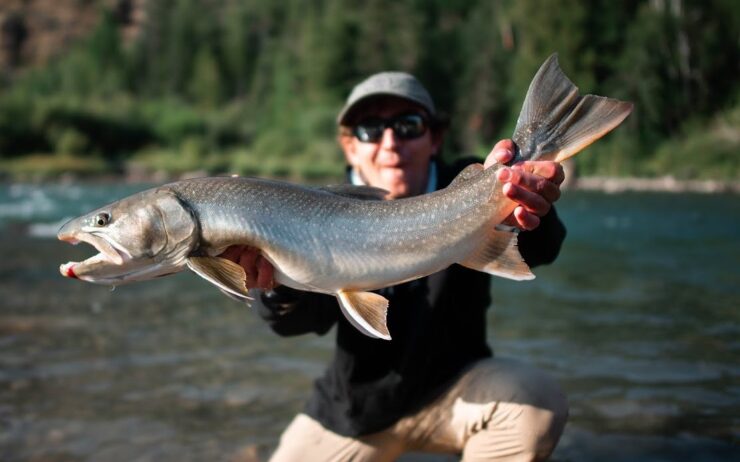
The climax of the morning occurred when the author turned his attention to the tail of the pool. Intent on testing the theory of dry-fly Bull Trout, he tied on a "Fat Albert"—an oversized terrestrial pattern intended to mimic the substantial prey that typically draws Bull Trout from the depths. Upon letting the fly drift, the reaction was instantaneous and violent. The resulting strike was one of the most aggressive takes in the author’s experience, resulting in the successful landing of a robust, healthy Bull Trout.
Supporting Data: Gear and Methodology
Success on the Blackstone is rarely a product of high-end equipment alone; it is a synthesis of strategy, gear selection, and adaptability.
The Hardware
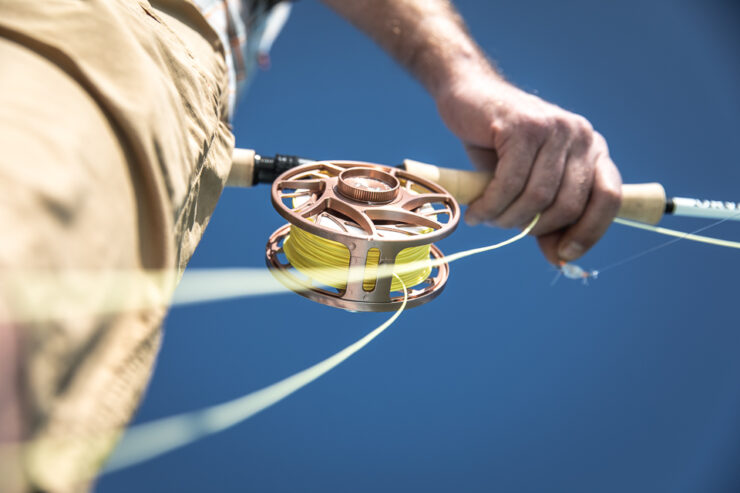
For this excursion, the author utilized a 9-foot, five-weight Echo Carbon XL rod paired with a Redington Crosswater reel. It is a setup favored for its reliability rather than its luxury status. The backup rig—a five-weight Cabela’s store-brand rod and an aged Okuma reel—served as a testament to the fact that, in the foothills, the operator’s technique far outweighs the cost of the tackle.
The Fly Box Strategy
The author advocates for a minimalist approach to gear, noting that carrying an entire collection of flies rarely correlates with a higher catch rate. The team relied on three core categories:
- Standard Dries: Patterns designed to mimic the common insects of the Alberta foothills.
- Bead-Head Nymphs: Essential for exploring the sub-surface strata when the fish are less active on the surface.
- Big Terrestrials: Crucial for the specific, aggressive pursuit of predatory Bull Trout, which require a larger "meal" to justify the energy expenditure of rising to the surface.
Official Responses and Conservation Context
The Bull Trout is a species of significant conservation concern in Alberta. As the provincial fish, the Bull Trout has seen its range contract due to habitat fragmentation, climate change, and historical overfishing.
Fisheries management in Alberta, overseen by Alberta Environment and Protected Areas, generally mandates strict "catch-and-release" regulations for Bull Trout across the province. The ability to catch these fish on a dry fly—a practice that usually involves less handling time than deep-nymphing—is often viewed as a more ethical approach, provided the angler uses barbless hooks and keeps the fish in the water as much as possible.
The "dry fly" phenomenon on the Blackstone is a reminder of the species’ predatory nature. Bull Trout are apex predators in these systems; they are opportunistic. When a large terrestrial insect or a bulky dry fly lands on the water, the trout identifies a caloric-dense target. It is this survival instinct that experts point to when discussing the species’ vulnerability.
Implications for Future Anglers
The experience on the Blackstone serves as a masterclass for those looking to replicate the feat. There are three primary takeaways for the modern angler:
- The Importance of Observation: The anglers only began to see success once they recognized the fish were surface-feeding. If you aren’t catching fish, change your depth, then your pattern.
- Persistence Pays: The first hour was unproductive. It was only by covering ground and identifying the "fishiest" water that the situation changed.
- The "Net" Reality: While gear selection is important, the failure to bring a net is a common, avoidable mistake that complicates the safe handling of trout. Always verify the checklist before leaving the vehicle.
The Ethical Consideration
As fly fishing continues to grow in popularity, the pressure on rivers like the Blackstone increases. The "exclusive" nature of catching Bull Trout on a dry fly must be balanced with the reality of the species’ fragility. Anglers should prioritize the health of the fish over the thrill of the photograph. Using a waterproof camera, as the author’s brother did, is an excellent way to document the catch without causing the physical stress associated with prolonged air exposure.
In conclusion, the Blackstone River remains one of Alberta’s most compelling destinations. It offers more than just a scenic backdrop; it provides a unique window into the behavior of the Bull Trout. Whether you are a novice looking to refine your dry-fly technique or a veteran searching for that elusive surface strike, the Blackstone rewards those who are patient, observant, and—above all else—prepared to carry their net.
Adelaide Gentry is a seasoned kayaking and angling enthusiast. With over a decade of experience navigating the world’s most challenging waterways, she provides practical, expert guidance for outdoor adventurers at KayakPaddling.net.