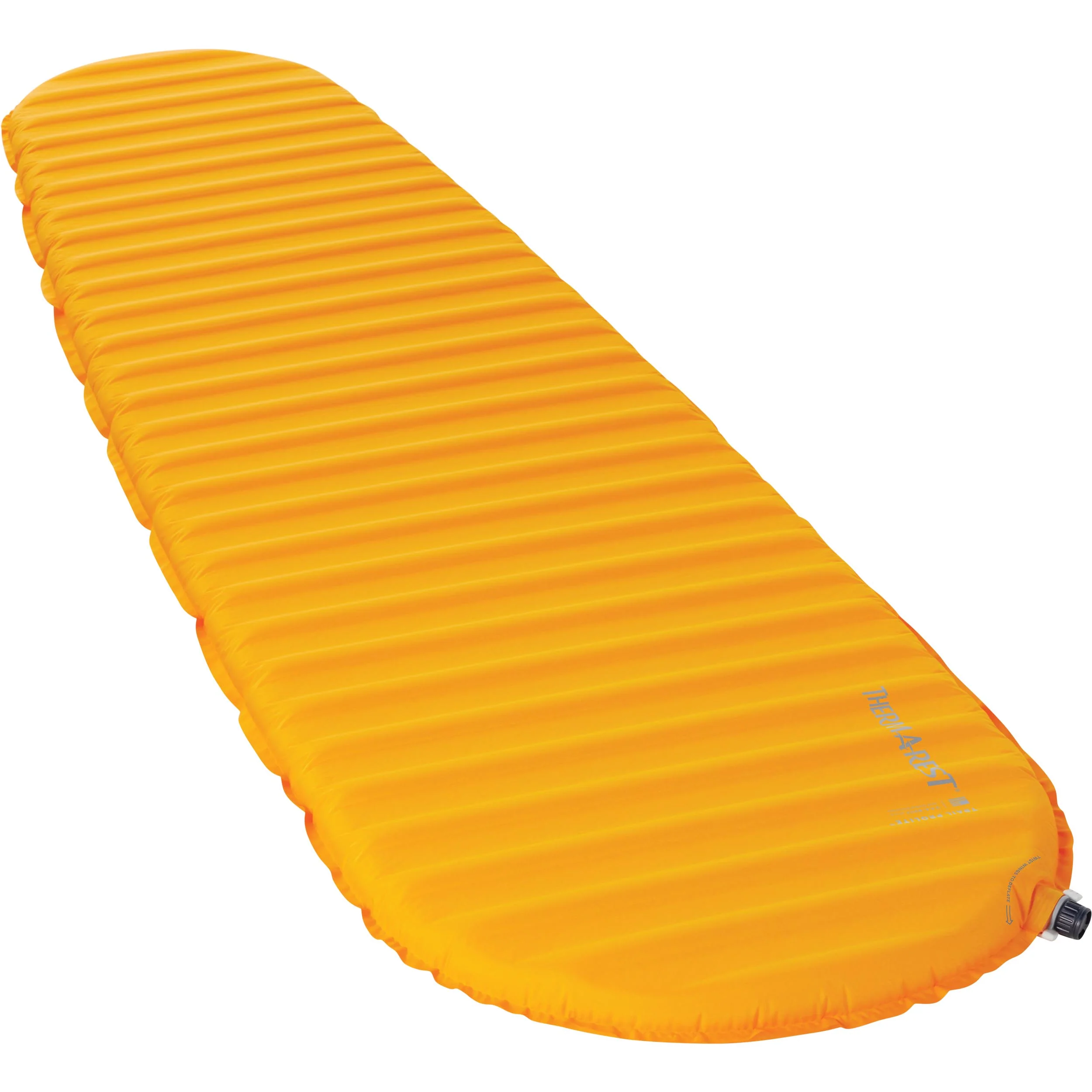
In the world of ultralight backpacking, comfort is not a static specification printed on a manufacturer’s hangtag—it is a dynamic outcome. It is the result of a complex interplay between inflation pressure, baffle geometry, thermal regulation, and the tactile interface between the sleeper and the gear. For decades, the outdoor industry has focused on reducing weight, but we have reached a threshold where the "perfect" sleeping pad is no longer just about grams; it is about objective performance metrics that match the user’s physiology to the environment.
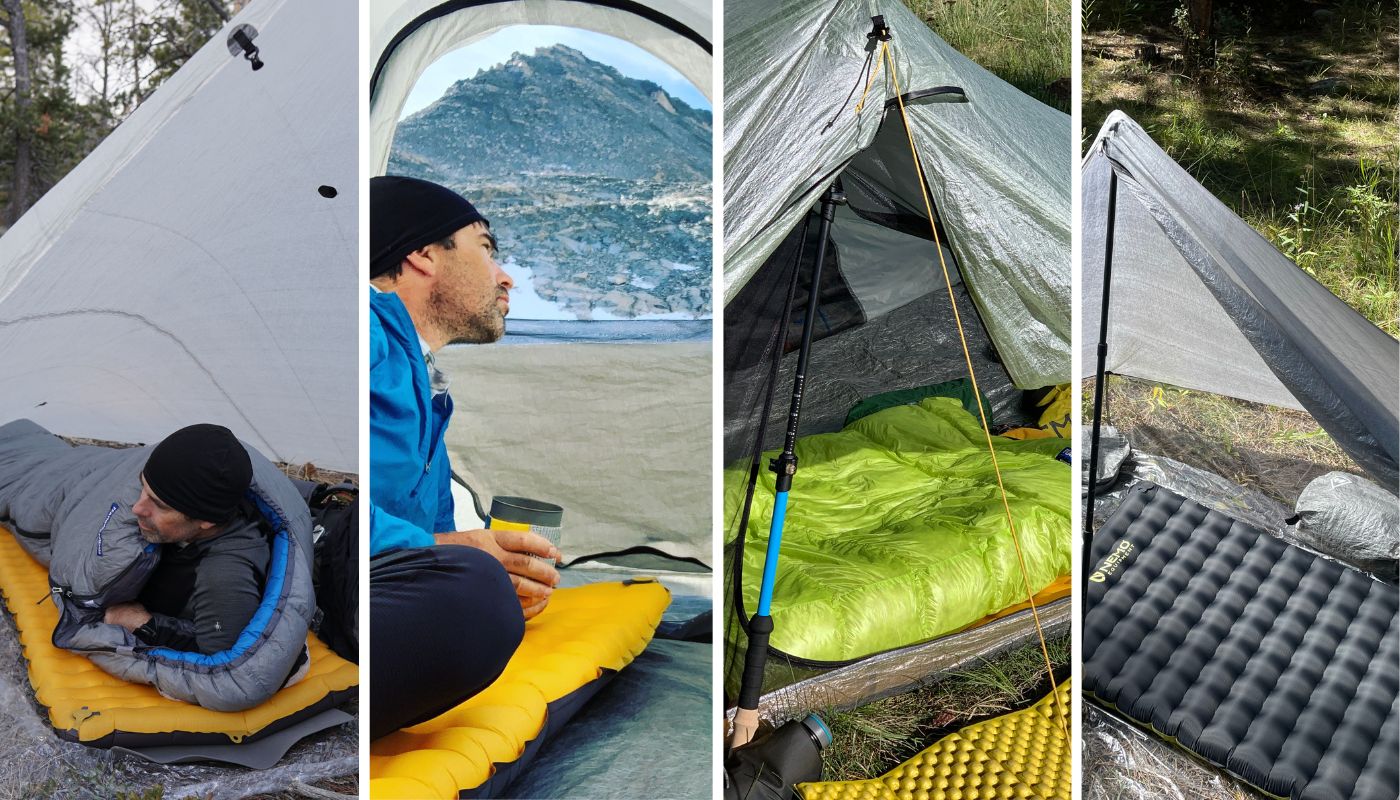
This report synthesizes a comprehensive analysis of over 300 sleeping pads from 20 leading manufacturers across the U.S. and Europe, updated as of May 2026. By moving beyond subjective "feel" and focusing on measurable outcomes like lateral stability, pressure distribution, and acoustic performance, we can define a new standard for backcountry rest.
Chronology: From Blue Foam to High-Tech Hybrids
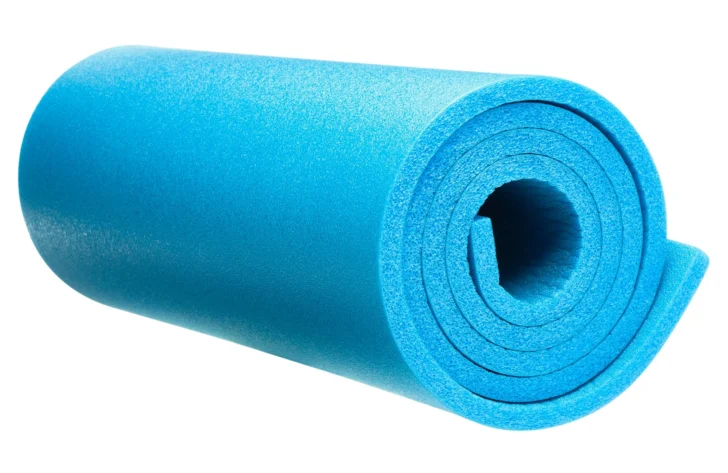
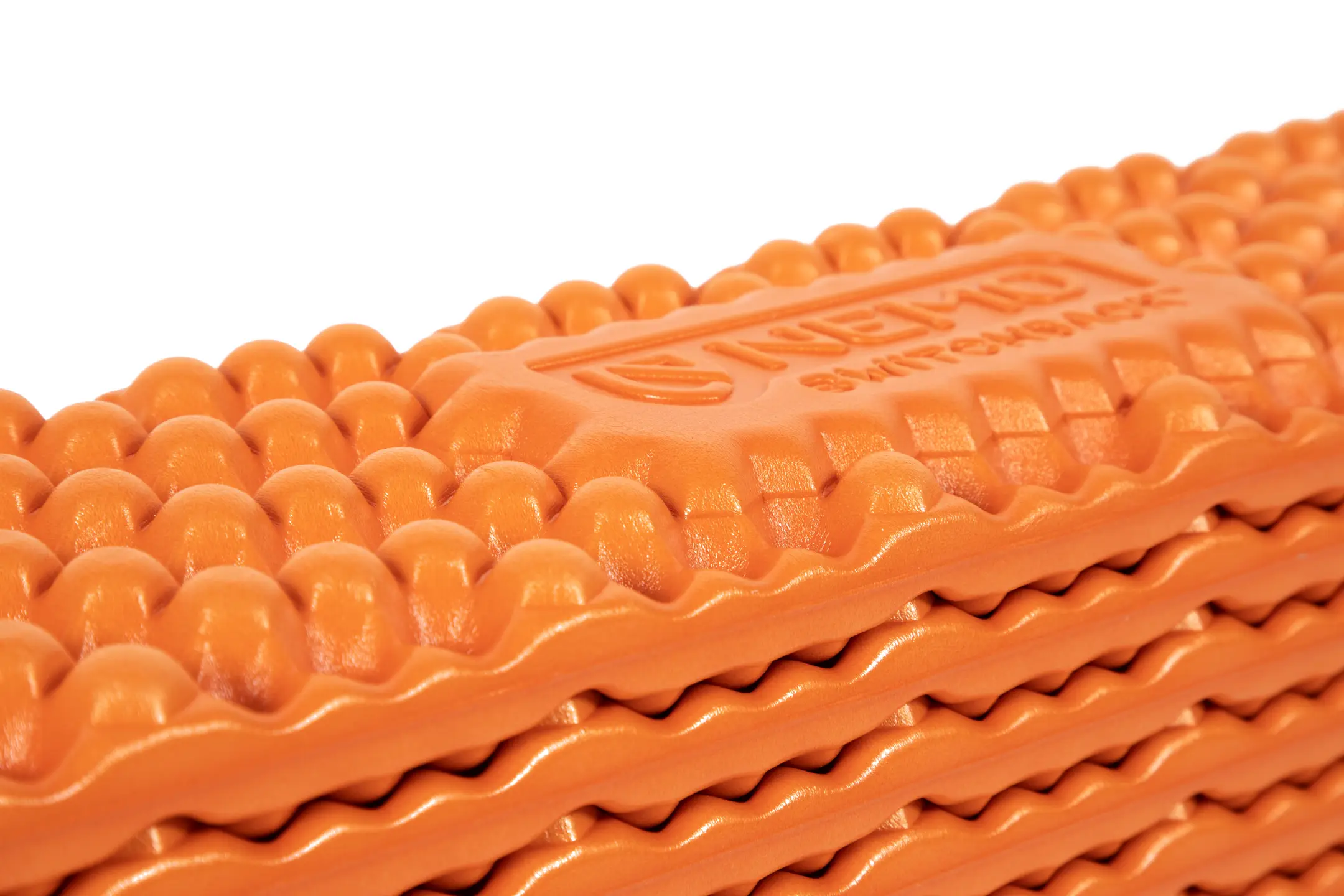
The evolution of the sleeping pad is a study in material science. For nearly half a century, the industry was defined by the simplicity of closed-cell foam (CCF). My own journey began in the 1970s with a $6 blue polyolefin pad. It was virtually indestructible, immune to punctures, and weighed a modest half-pound. While modern iterations like cross-linked polyethylene (XLPE) have improved water absorption and durability, the fundamental design remains unchanged.
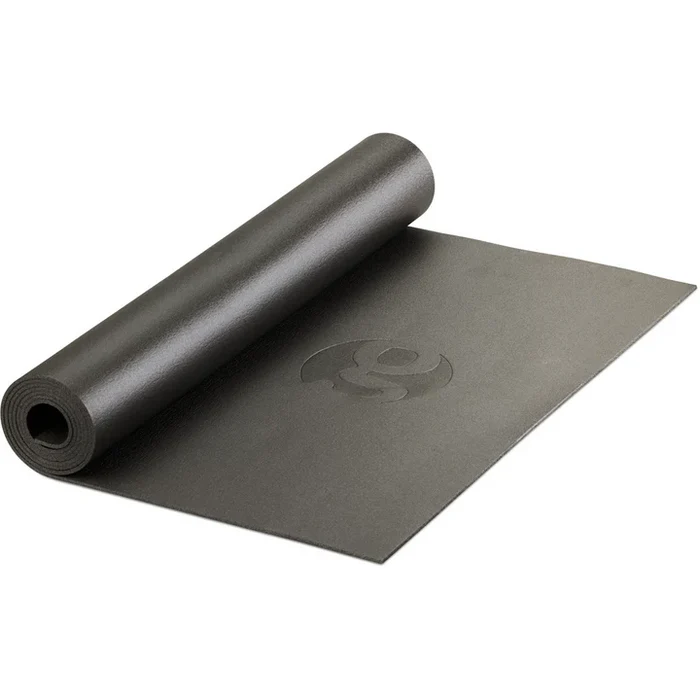
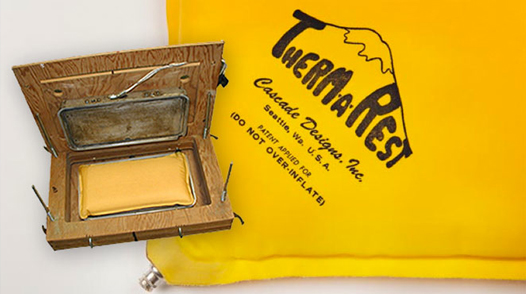
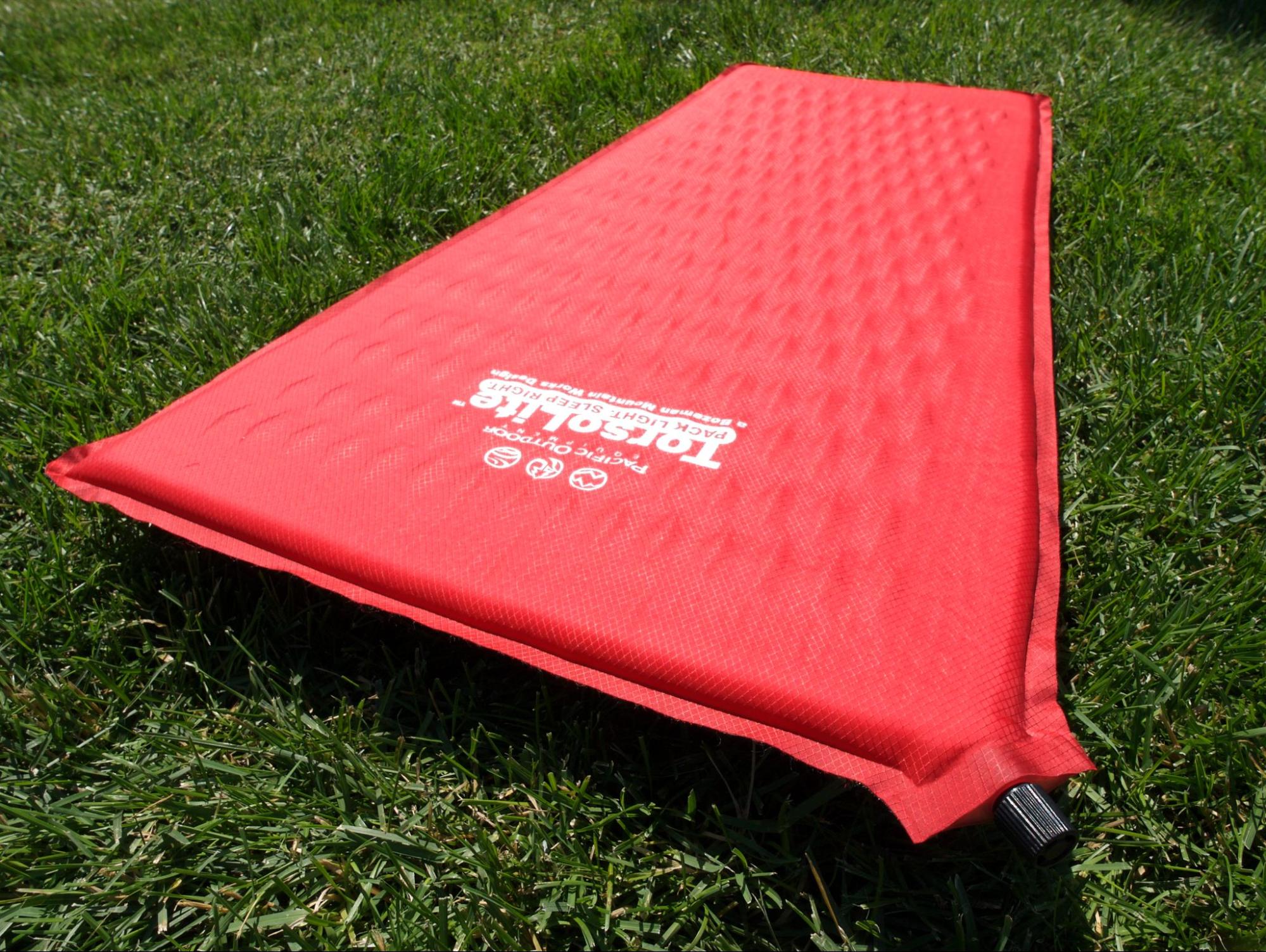
The 1973 introduction of the original Therm-a-Rest self-inflating pad represented the first major pivot, marrying open-cell foam with an airtight fabric shell. While revolutionary, it was prone to seam failures and fabric punctures, requiring users to carry repair kits—a trade-off for the increased comfort of air.
The true paradigm shift occurred in 2009 with the release of the Therm-a-Rest NeoAir. By abandoning self-inflating foam in favor of air-only chambers, manufacturers could suddenly offer 3-inch-thick mattresses that weighed the same as thin foam pads. This ushered in the current era of "non-self-inflating" pads, where insulation is provided by internal reflective materials and baffle geometry, rather than foam density.

Data-Driven Performance: The Search for the "Golden Ratio"
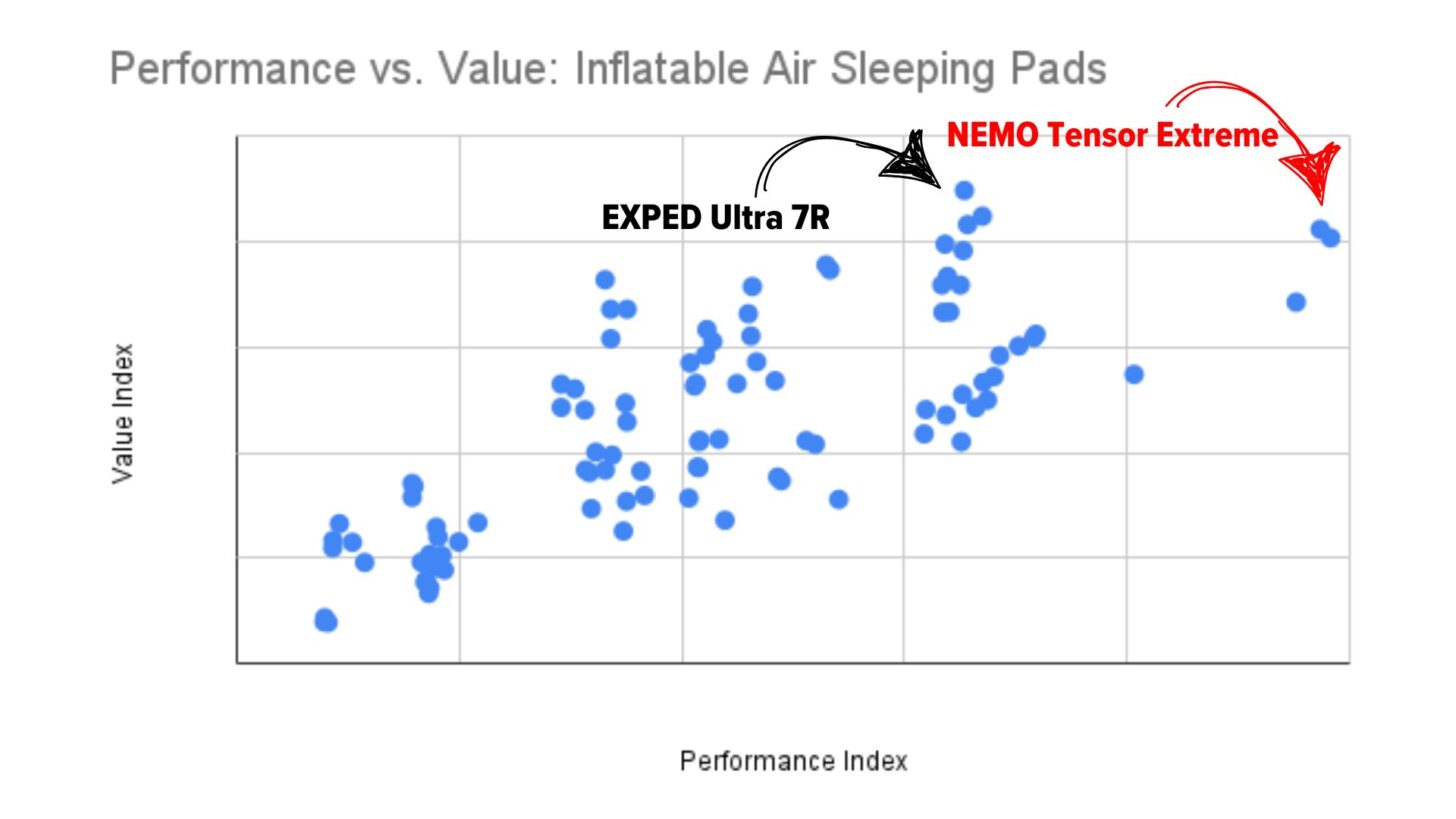
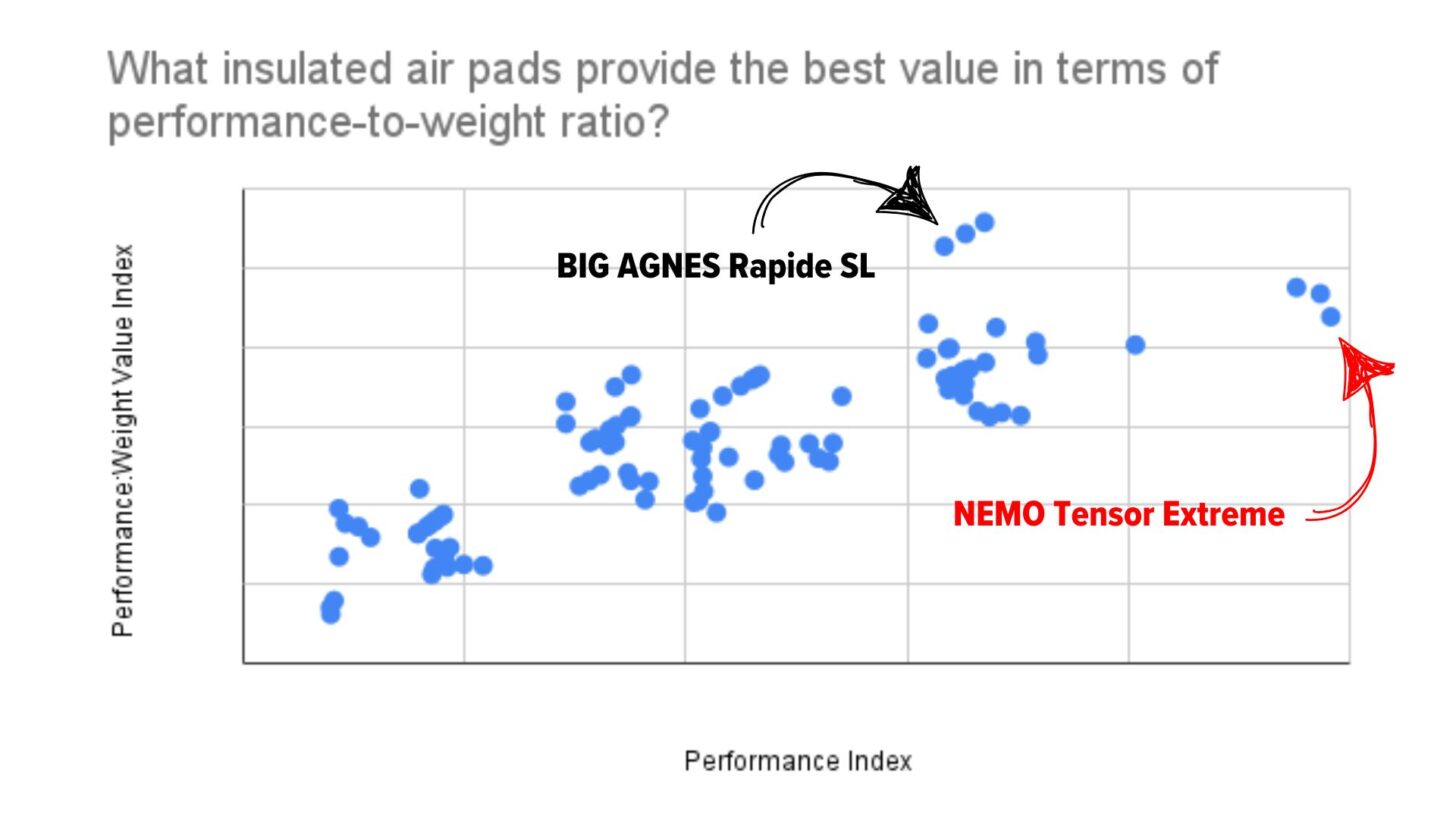
To evaluate the current market, we must look at the "Performance Index"—the sum of comfort and warmth per ounce—and the "Value Index," which measures these traits against product cost.
Market Leaders and State-of-the-Art Models
Our research identifies two manufacturers as the dominant market leaders: NEMO and Therm-a-Rest. Their success is largely driven by the adoption of the "Regular-Wide" (RW) geometry. The shift toward a 25-inch width provides the necessary platform for arm support, drastically reducing "roll-off" and allowing for natural sleep positions—a crucial advancement for side sleepers.

| Product | Thickness | R-Value | Weight (RW) | R/Weight Ratio |
|---|---|---|---|---|
| NEMO Tensor All-Season | 3.5 in | 5.4 | 19 oz | 0.28 |
| NEMO Tensor Extreme | 3.5 in | 8.5 | 22 oz | 0.39 |
| Therm-a-Rest XTherm NXT | 3.0 in | 7.3 | 20 oz | 0.37 |
| Rab Ultrasphere 5 | 3.5 in | 5.5 | 16 oz | 0.34 |
| Zenbivy Flex Air | 3.0 in | 4.8 | 24 oz | 0.20 |
The Efficiency Frontier
In terms of raw warmth-to-weight performance, the NEMO Tensor Extreme and the Therm-a-Rest NeoAir XTherm NXT currently sit at the pinnacle. However, for those seeking the best value-to-performance ratio, the Big Agnes Rapide SL has emerged as a top contender, providing the most "bang for your buck" by optimizing the warmth-to-weight ratio without the premium pricing of flagship models.

Baffle Architecture: The Mechanics of Stability
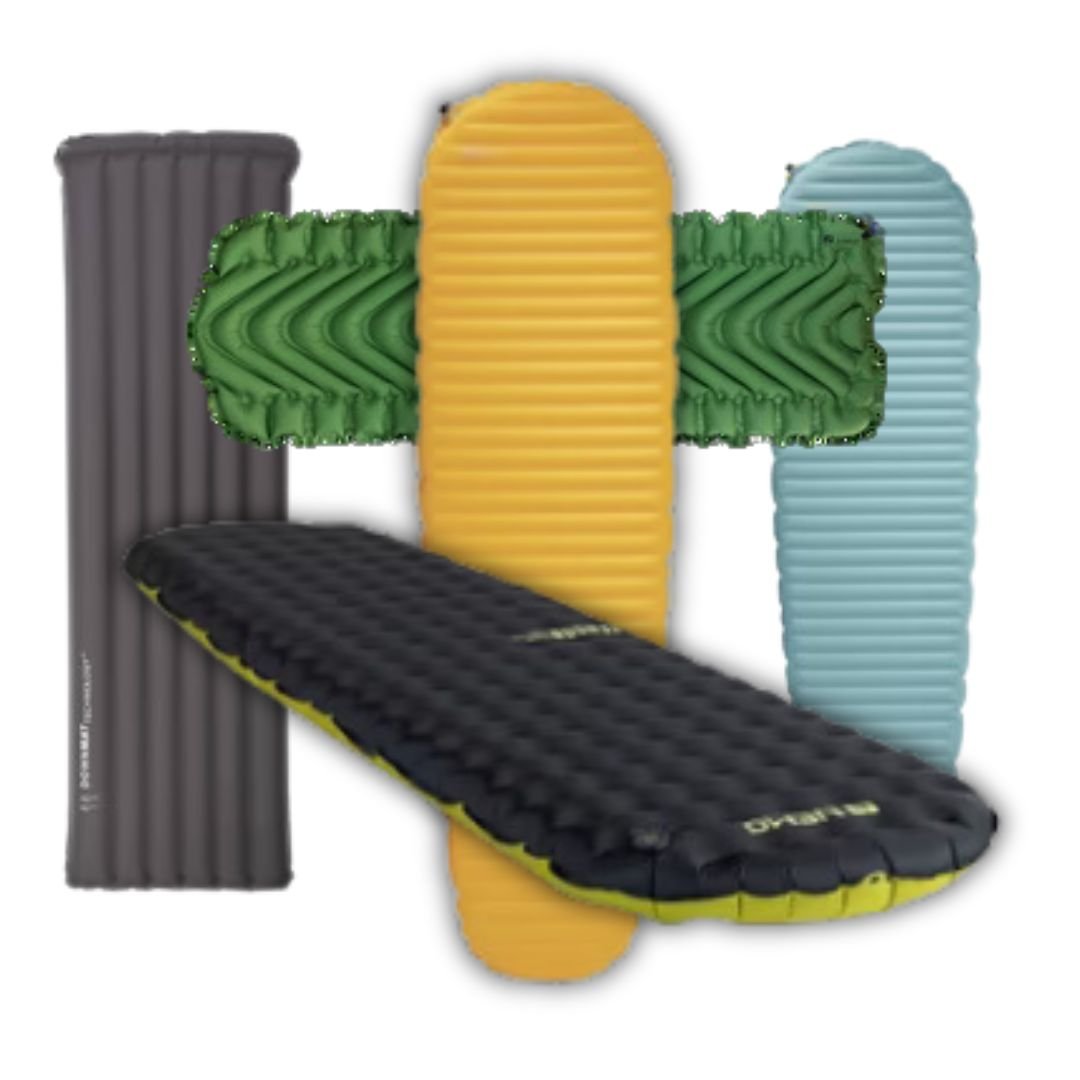
Stability—the ability of a pad to maintain its shape under load—is the most under-communicated metric in gear reviews. It is governed by four primary baffle architectures:
- Horizontal Baffles: Running side-to-side, these offer a predictable, contoured surface. They are generally the most comfortable for back sleepers but can suffer from "bottoming out" if not properly inflated.
- Vertical Baffles: Running head-to-toe, these provide consistent structural support along the body’s longitudinal axis, effectively preventing the "taco" effect where the edges curl upward.
- Air-Sprung Cells: Mimicking a pocket-sprung mattress, these dot-welded cells compress independently. This offers excellent pressure distribution but can feel "wobbly" to those accustomed to more rigid surfaces.
- 3D Welds: A modern innovation that allows for zoned thickness. By placing internal welds strategically, designers can create a thicker shoulder and hip area while maintaining a thinner, lighter leg section.
Implications for the Field: An Optimization Protocol
To achieve consistent sleep in the backcountry, users must treat their pad as a tunable system. Our field protocols suggest the following two-minute diagnostic:
- Deflection Targets: Do not inflate until "hard." Instead, aim for a deflection of roughly 10-15% under your weight. Side sleepers require higher pressure to prevent hip-to-ground contact, while back sleepers benefit from slightly lower pressures to accommodate spinal curvature.
- Temperature Compensation: Remember that air pressure drops as temperatures fall. A pad inflated at 70°F will lose approximately 1-2 PSI by the time the ambient temperature hits 30°F. Inflate, wait 10 minutes, and "top off" your pad before bed.
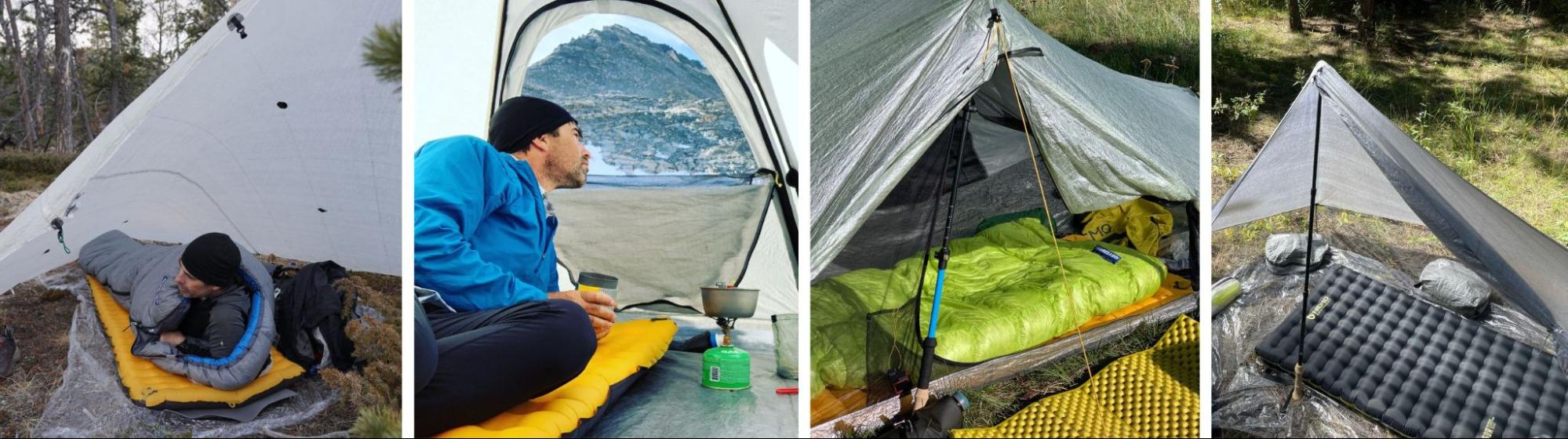
- System Integration: For extreme cold, the two-pad system remains the gold standard. Placing a thin closed-cell foam pad (like the Gossamer Gear Thinlight) under your inflatable pad adds a layer of puncture protection and thermal redundancy. Placing it on top provides a soft, non-slip surface that improves skin-to-pad interface comfort.
Official Manufacturer Perspectives and Quality Assurance
The market is currently flooded with white-label products sold through third-party global marketplaces. Our field testing of these $15–$85 options reveals a consistent failure in welded seam integrity and material quality control. Conversely, the established brands (NEMO, Cascade Designs/Therm-a-Rest, Sea to Summit, Exped) have invested heavily in proprietary valve technologies and puncture-resistant fabric laminates.
For those wary of the high price of premium pads, the REI Helix Insulated stands out as a reliable mid-tier option that avoids the quality pitfalls of unbranded imports. It offers impressive stability and warmth, proving that one does not always need to spend $300 to achieve a high-performance sleep system.
Summary of Recommendations
For the uncompromising ultralight enthusiast, the NEMO Tensor Extreme and Therm-a-Rest XTherm NXT remain the undisputed leaders in thermal efficiency and weight management. However, the emerging Rab Ultrasphere 5 deserves close attention for its stable baffle design and competitive weight.
Ultimately, the goal of modern sleep system engineering is to remove the gear from the equation. When a pad is properly sized, correctly inflated, and matched to the sleeper’s posture, it ceases to be a piece of equipment and becomes a neutral foundation for rest. By adopting these standardized protocols—selecting for geometry, tuning for pressure, and prioritizing durable, proven architecture—backpackers can ensure that their sleep quality is as reliable as their shelter or their pack.

Disclosure: This report was compiled using data from independent field tests and manufacturer-provided specifications current as of May 2026. Backpacking Light maintains an editorial policy independent of affiliate partnerships.