Introduction: The Foothills Frontier
The Canadian Rockies are globally renowned for their towering peaks and glacial lakes, but for the discerning angler, the true magic lies in the winding arteries of the foothills. Among these, the Blackstone River, situated northwest of Nordegg, Alberta, stands as a testament to the rugged, untamed beauty of the province’s interior. It is a stream that demands patience, rewards the observant, and offers a rare opportunity for anglers to engage with one of the most aggressive predators in the freshwater world: the Bull Trout.
This report explores the realities of backcountry angling on the Blackstone, examining the gear, the strategy, and the environmental conditions that make this stream a premier destination for those willing to venture off the Forestry Trunk Road.
Chronology: A Morning on the Blackstone
The experience began in the pre-dawn silence of a late-season excursion. As the mercury hovered near the freezing mark, the reality of backcountry camping—hard gravel, thin sleeping pads, and the biting chill of a mountain morning—served as an effective alarm clock.
06:00 AM: The camp, established in the dark the previous evening, stirred. The ritual of breaking camp and preparing tackle is a mandatory process in the backcountry, where every piece of gear must be accounted for before hitting the water.
07:30 AM: With the morning routine concluded and a reluctant, late-rising partner successfully roused, the expedition moved toward the riverbank. The Blackstone, approximately 20 meters wide at this reach, exhibited the classic characteristics of a productive trout stream: moderate flow, clear water, and structural complexity that provides sanctuary for salmonids.
08:30 AM: After an hour of trekking downstream, the team encountered a primary pool—a deep, slow-moving section of the river where the current breaks against rock formations, creating an ideal feeding station.
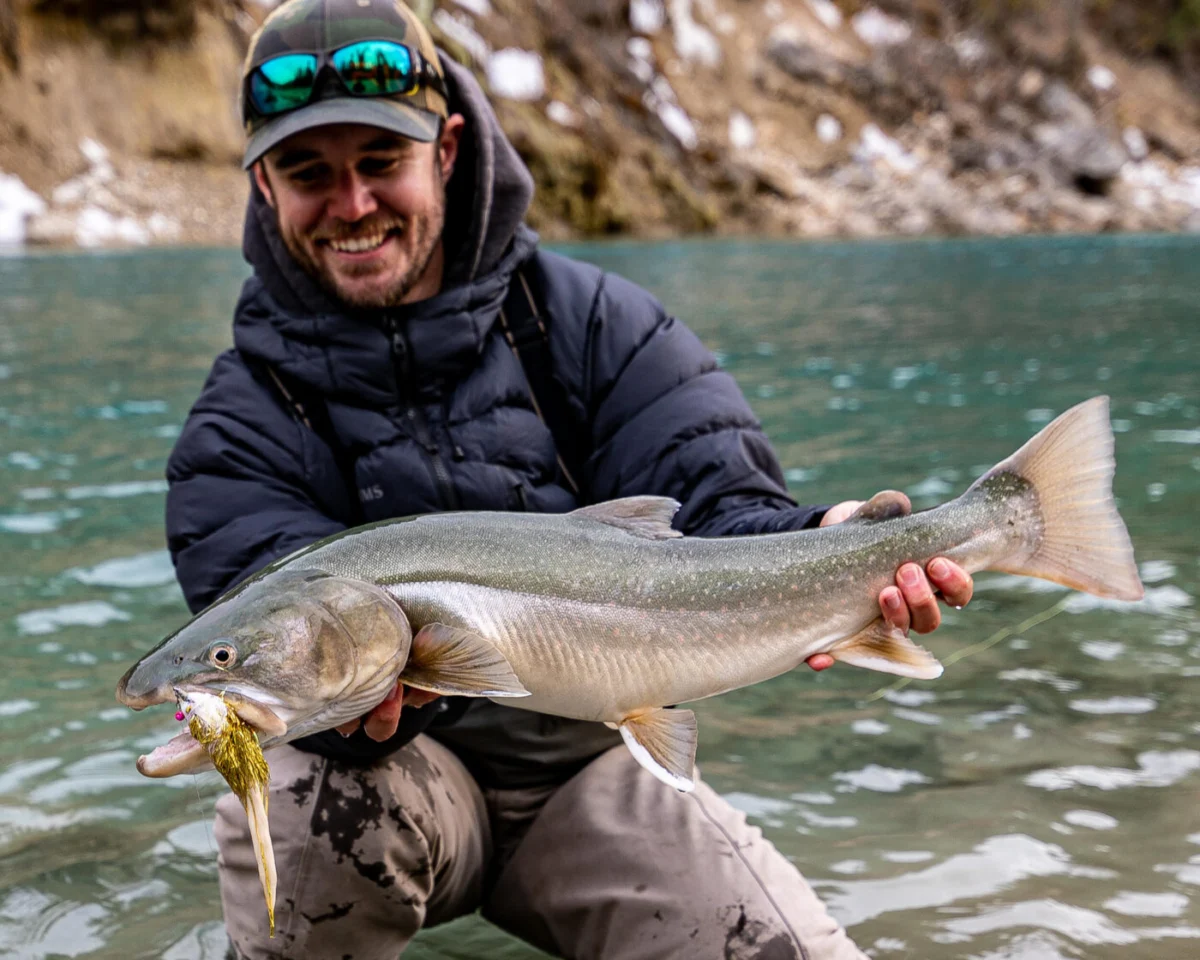
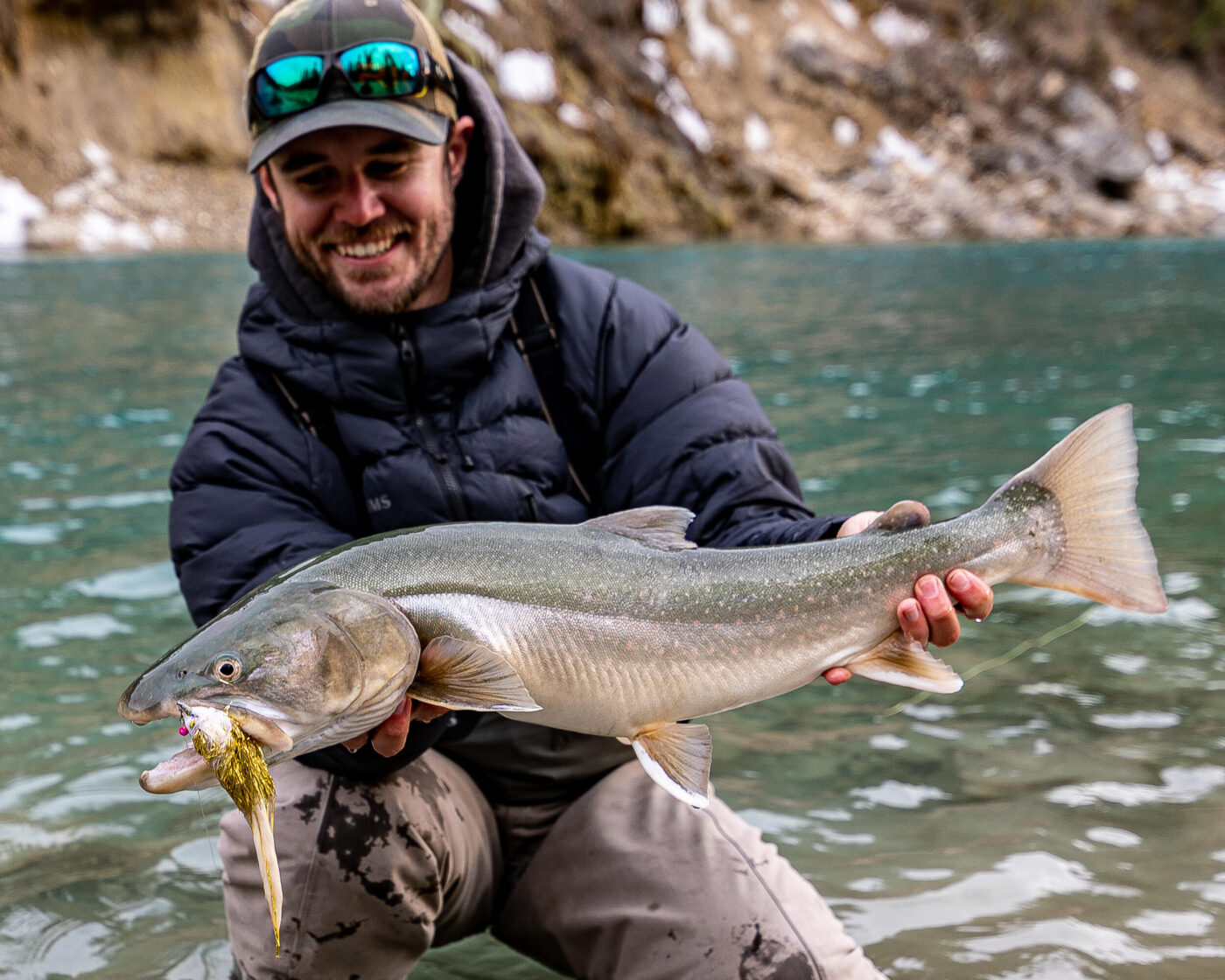
09:00 AM – 11:00 AM: The tactical phase of the trip commenced. Initial attempts with prospector patterns—specifically the Red Humpy and the Stimulator—yielded little interest. A shift in strategy toward matching the hatch with a Pale Morning Dun resulted in immediate success, hooking a robust cutthroat estimated at 20 inches. The morning concluded with the definitive test: successfully targeting a Bull Trout with a large terrestrial pattern, a feat that validated the river’s reputation for aggressive top-water feeding.
Supporting Data: Gear and Tactical Considerations
The Blackstone is not a river that requires a fleet of specialized rods or heavy-duty gear. Instead, it rewards the "minimalist" approach. The primary challenge for the modern angler is avoiding the tendency to over-pack.
Essential Tackle Breakdown
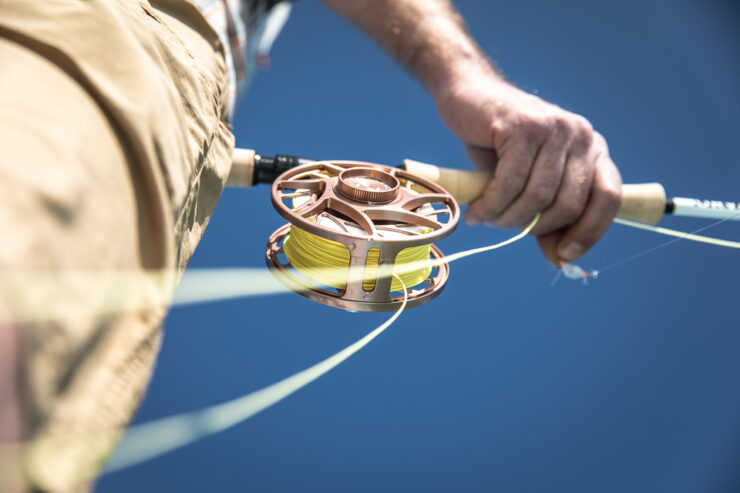
- The Rod and Reel: A standard 9-foot, 5-weight rod is the industry standard for this water. During this expedition, an Echo Carbon XL paired with a Redington Crosswater reel proved perfectly capable. For backup, a basic 5-weight setup—even store-brand alternatives—serves adequately if the primary rig fails.
- The Fly Selection: Efficiency is key. The following categories were utilized to navigate the changing conditions:
- Dry Flies: Standard foothill patterns that mimic local mayflies and caddis.
- Nymphs: Bead-head patterns are essential for probing the deeper, colder pockets where fish congregate during the heat of the day.
- Terrestrials: Large, buoyant flies like the "Fat Albert" serve as excellent attractors, particularly when targeting aggressive Bull Trout that are willing to strike at the surface.
The "Net" Lesson
One critical observation for any angler visiting the Blackstone is the necessity of proper landing equipment. The omission of a landing net on this trip underscored a vital rule of thumb: in the excitement of a backcountry excursion, secondary gear often gets overlooked. While the landing of a 20-inch cutthroat was achieved through careful manual handling, the risk to the fish and the potential for a lost trophy highlight why a net is a non-negotiable piece of equipment.
Official Perspective: The Bull Trout Phenomenon
The Blackstone River holds a unique place in regional angling literature. As noted in Barry Mitchell’s seminal (though aging) guidebook, the Blackstone is one of the few streams in Alberta where Bull Trout are known to rise to dry flies.
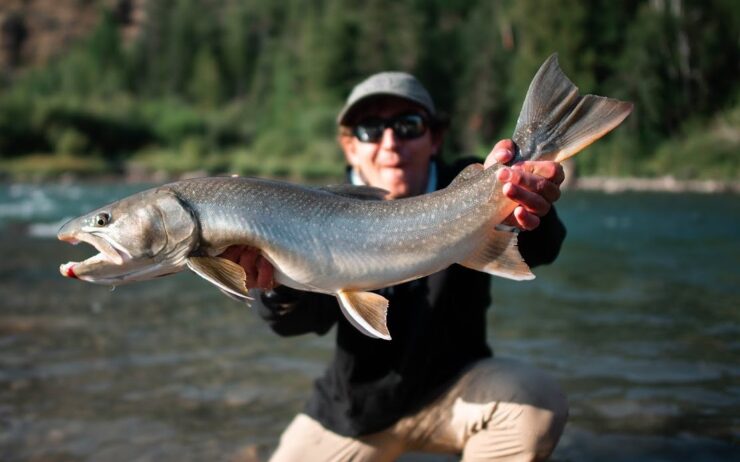
Bull Trout (Salvelinus confluentus) are a threatened species in many parts of their range, often characterized by their predatory nature and their preference for cold, clean water. Their behavior on the Blackstone is an anomaly that draws enthusiasts from across North America. Unlike many other species that are cautious feeders, the Bull Trout in these waters exhibit a predatory ferocity. When they hit a dry fly, they do so with an explosive, aggressive strike that differentiates them from the more subtle sipping behavior of cutthroat or rainbow trout.
Implications for Conservation and Tourism
The Blackstone River serves as a microcosm for the broader challenges facing Alberta’s riparian ecosystems. As interest in fly-fishing grows, the pressure on these delicate waterways increases.
1. The Role of Responsible Angling
The ability of the Blackstone to support such an active Bull Trout population is dependent on water quality and temperature. Anglers must practice "Catch and Release" with extreme care. The use of barbless hooks is not just a recommendation; it is a necessity to ensure that these apex predators can be returned to the water with minimal physiological stress.
2. Environmental Stewardship
The proximity of the river to the Forestry Trunk Road makes it accessible, but that accessibility comes with a cost. Camping on gravel bars and utilizing undeveloped access points requires a "Leave No Trace" mentality. The preservation of the Blackstone is not merely about the fish; it is about maintaining the integrity of the stream bank, preventing erosion, and protecting the fragile spawning grounds that exist further upstream.
3. The Future of Foothills Angling
As guidebooks become outdated and local conditions shift due to climate change and human impact, the role of the individual angler as an observer becomes paramount. Reporting on the health of the fish populations and the quality of the water is essential for the provincial government to maintain effective management strategies.
Conclusion
The Blackstone River is a destination that captures the essence of the Canadian wilderness. It provides an ideal classroom for the angler looking to transition from novice to expert, offering the chance to test gear, observe behavioral patterns in Bull Trout, and appreciate the aesthetic beauty of a quintessential mountain stream.
However, success on the Blackstone requires more than just the right fly or the right rod. It requires an understanding of the environment, a respect for the species, and the foresight to carry the proper tools—even when the excitement of a 6:00 AM start threatens to cloud one’s judgment. Whether you are seeking the thrill of a surface-feeding Bull Trout or the serenity of a quiet morning in the foothills, the Blackstone remains a premier, if demanding, angling experience.
About the Author: Adelaide Gentry is a leading voice in the paddling and angling community. With over a decade of field experience navigating the waterways of North America, Gentry provides expert analysis on equipment, technique, and conservation for those who seek the path less traveled.