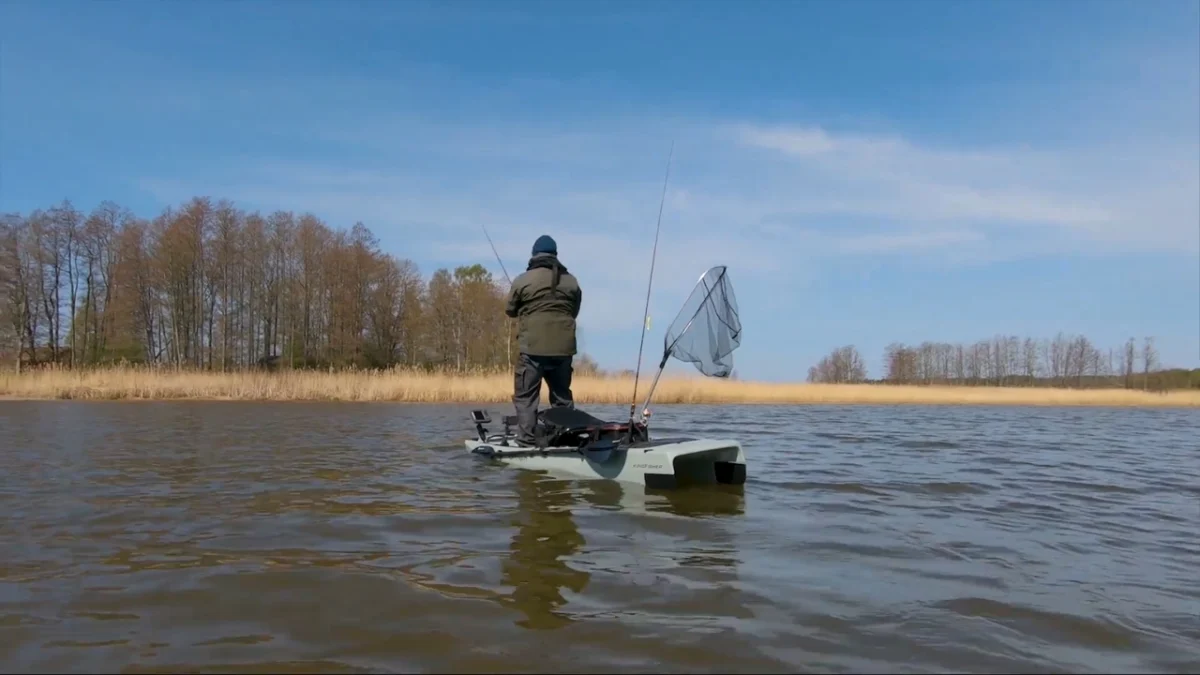
There is an unparalleled thrill to the strike—the moment a heavy-hitting predator slams your lure, turning a calm morning on the water into a high-stakes tug-of-war. For the kayak angler, this connection is visceral, intimate, and often physically exhausting. Yet, as any veteran of the sport will tell you, the journey from the water to the dinner plate is fraught with variables. Not every fight is meant to culminate in a feast.
Years spent navigating diverse waterways have taught me a hard-earned lesson: some fish are better off back in the drink. Whether it is due to an unpalatable, silt-heavy flavor, a skeletal structure that renders them nearly impossible to clean, or genuine health risks that could turn a gourmet meal into a medical emergency, discerning the difference is a vital skill. This guide explores the "why" behind the bad reputation of 12 common species and provides a framework for when to harvest and when to practice conservation.
The Triad of Avoidance: Categorizing Unpopular Catches
When anglers disparage certain species, the complaints generally fall into three distinct camps:
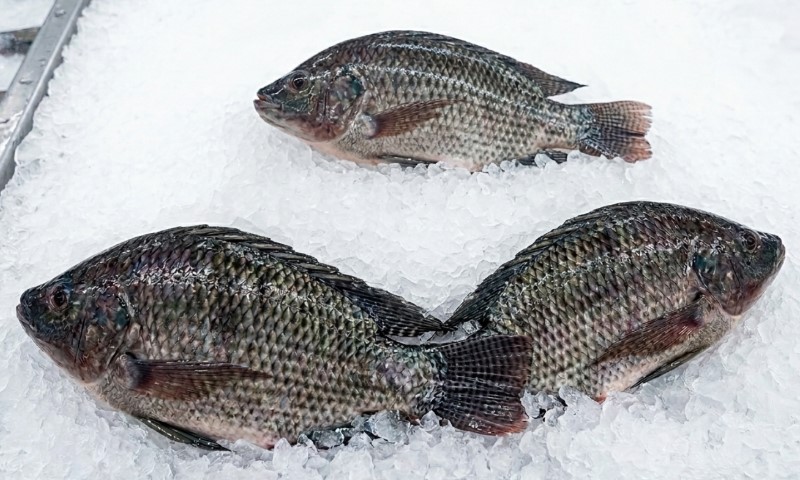
- The "Mudsuckers": These freshwater species often inhabit stagnant, bottom-heavy environments. Their diet leads to a flavor profile dominated by geosmin, an organic compound produced by algae and bacteria that imparts a distinct "muddy" or "earthy" taste.
- The Oily Predators: Often found in saltwater, these species possess high oil content. If not bled, iced, and processed with surgical precision, these oils oxidize, turning the meat rancid and resulting in a sharp, metallic, or "battery-like" flavor.
- The "Trash Fish": These are the labor-intensive species. Defined by excessive intramuscular bones, tough scales, or parasitic loads, they often require more time to process than the resulting fillet is worth.
Quick Ranking: The Most Polarizing Catches
| Rank | Fish | Main Taste Issue | Safety Worry | Our Take |
|---|---|---|---|---|
| 1 | Common Carp | Muddy, bony | Local contaminants | Keep from clean water only |
| 2 | Bowfin | Mushy texture | Handling is key | Eat fresh or release |
| 3 | Gizzard Shad | Oily, bony | Rare table fish | Use as bait |
| 4 | Large Bluefish | Strong/fishy | Mercury/PCBs | Bleed, ice, trim dark meat |
| 5 | Jack Crevalle | Metallic/bloody | Needs handling | Keep only smaller fish |
| 6 | Bigmouth Buffalo | Coarse/muddy | Advisory waters | Smoke or grind |
| 7 | Freshwater Drum | Divisive taste | Mercury advisories | Check local rules |
| 8 | Large Black Drum | Wormy, coarse | Parasites | Keep "puppy drum" only |
| 9 | Gar Roe | Flesh can be good | Roe toxicity | Never eat gar eggs |
| 10 | Barracuda | Flavor varies | Ciguatera | Avoid in reef zones |
| 11 | Shark | Ammonia-like | Mercury/spoilage | Usually skip |
| 12 | King Mackerel | Strong flavor | High mercury | Avoid large specimens |
Official Guidelines: Safety Beyond the Plate
Flavor is inherently subjective, but safety is an objective reality tracked by federal agencies. Both the FDA and the EPA maintain strict guidance regarding fish consumption, particularly for top-tier predators. Because these species occupy the highest levels of the aquatic food chain, they are prone to bioaccumulation—the process by which mercury and chemical runoff concentrate in the fatty tissues of the fish over time.
The "Choice to Avoid" list, frequently updated by the FDA, includes species like king mackerel, marlin, shark, and swordfish. For the kayak angler, these aren’t just "flavor challenges"; they are biological risks. Always cross-reference your local water body’s advisory status with the EPA’s database. A fish that is safe to eat in one lake may be under a strict consumption ban just a few miles away due to localized industrial runoff.
The Anatomy of "Off" Flavors
When a fish tastes "off," the cause is usually environmental rather than biological. The aforementioned geosmin is the primary culprit in freshwater environments. While scientific research from DTU Food confirms that geosmin is not harmful to human health, it is chemically stable and potent enough to ruin an entire batch of fillets.
Furthermore, how a fish is handled in a kayak is critical. Many species, particularly oily ones like Bluefish or Jack Crevalle, suffer from immediate enzymatic breakdown if not properly bled and iced. A "fishy" taste is often just the result of poor post-catch management.
Deep Dive: The Species Breakdown
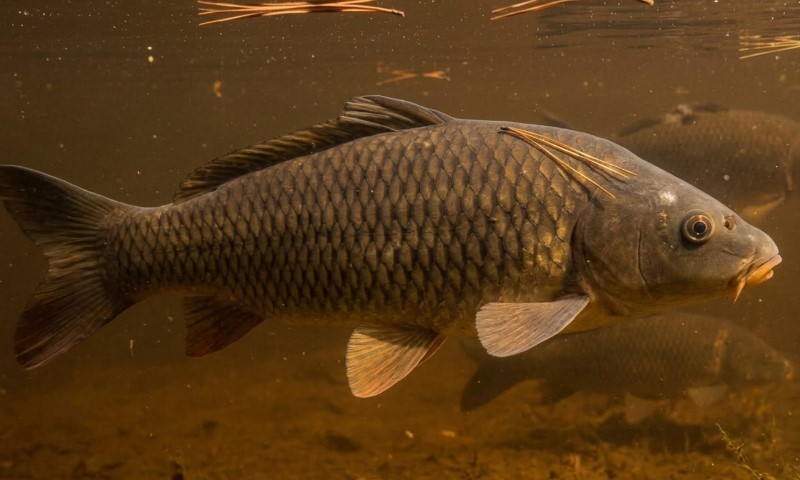
1. Common Carp: The Environmental Sponge
Carp are the ultimate environmental mirrors. As bottom feeders, they absorb the characteristics of their habitat. In murky, stagnant ponds, they are notoriously muddy. Furthermore, their complex Y-bone structure makes them a nightmare for amateur filleters. On a kayak, they present a secondary issue: they are covered in a thick, persistent slime that coats everything it touches.
- Best Use: Smoking is the preferred method, as high heat renders the fat and makes the meat easier to pick away from the bones.
2. Bowfin: The Prehistoric Mush
Bowfin flesh contains unique enzymes that break down muscle fibers rapidly upon death. Unless you have a high-capacity, well-insulated cooler on your kayak, the meat will turn into a cotton-like mush before you even reach the launch.
- Best Use: If you can get them on ice immediately, pan-frying is the only way to salvage the texture.
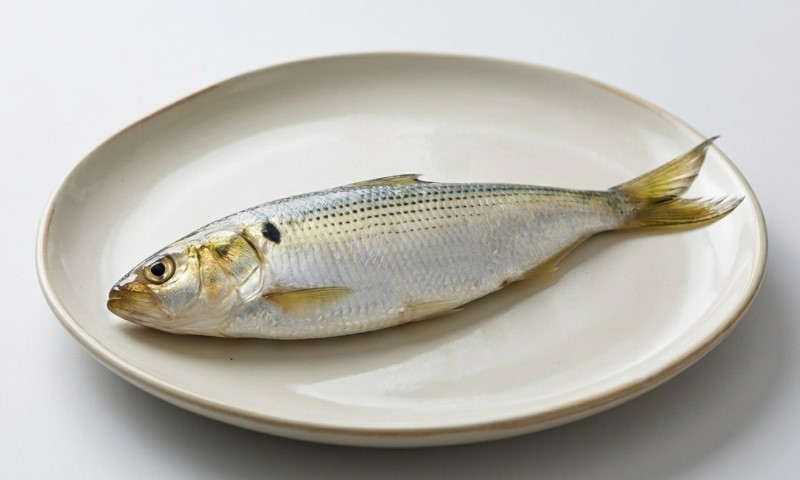
3. Gizzard Shad: The "Glitter" of the Water
Shad are a nuisance for the cook but a gift for the catfish angler. They are packed with tiny bones and shed scales that stick to gear for weeks. Their odor is pervasive, and their oily nature makes them poor candidates for the table.
- Best Use: Reserved exclusively for bait.
4. Large Bluefish: The Oily Fighter
Bluefish are aggressive, but their "rich" flavor is often a polite term for "overwhelmingly oily." To render them palatable, you must bleed them instantly. In a kayak, this often results in a messy deck that attracts insects.
- Best Use: Grill or smoke, but only after removing the dark lateral line.
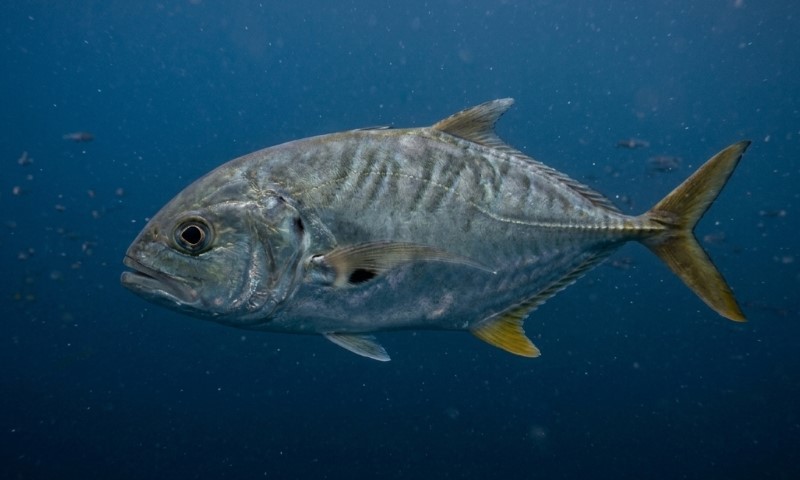
5. Jack Crevalle: The Metallic Challenge
While they provide one of the best fights in saltwater, Jacks have dark, bloody, and metallic-tasting meat. Experienced anglers keep only those under 5 lbs.
- Best Use: Heavy seasoning and citrus marinades.
6. Bigmouth Buffalo: The Rough Fish Revolution
Often mistaken for carp, these native North American fish are seeing a resurgence in popularity. They are tough to clean, but when properly prepared, they offer a firm, white meat.
- Best Use: Pressure cooking or smoking.
7. Freshwater Drum: The Bouncy Fillet
Drum are firm, but that firmness can easily become rubbery if overcooked. They are also prone to carrying parasites and are often subject to consumption advisories.
- Best Use: Chowders, where the texture is masked by liquids and vegetables.
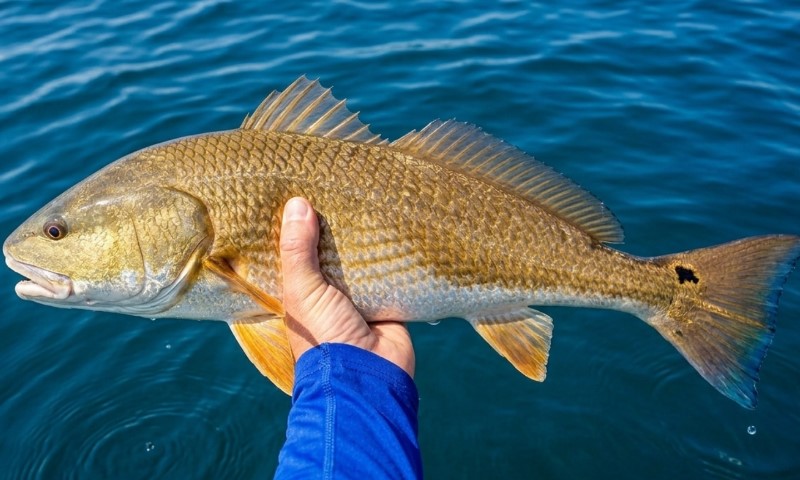
8. Large Black Drum: The Parasite Concern
While small "puppy drum" are excellent, the large bulls are often riddled with "spaghetti worms." While harmless if cooked, the visual is unappealing. They are also notoriously difficult to haul onto a kayak.
- Best Use: Catch and release only.
9. Gar Roe: The Toxic Danger
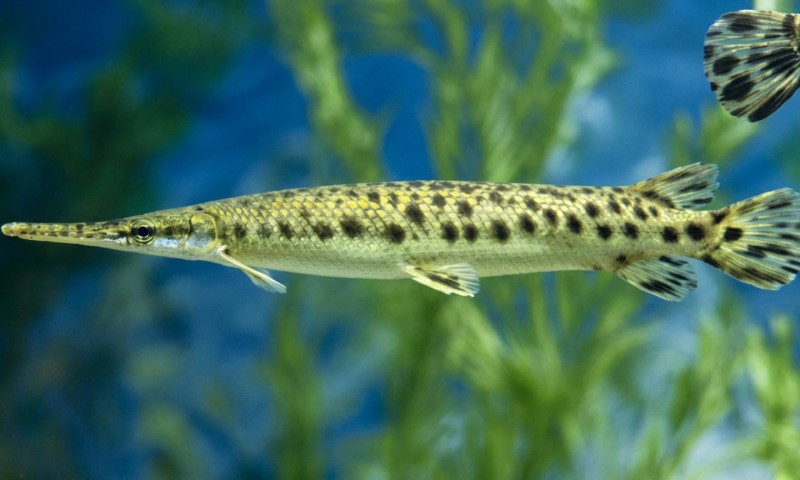
The meat of a gar is actually quite good—reminiscent of white fish or chicken—but the roe is highly toxic. If you are not an expert at cleaning gar, do not attempt to harvest them.
- Best Use: Only the meat, and only with extreme caution.
10. Barracuda: The Ciguatera Gamble
Barracuda are the primary carriers of Ciguatera, a heat-stable toxin that cannot be cooked out. It is a dangerous, unpredictable risk.
- Best Use: Photograph and release.
11. Shark: The Ammonia Trap
Sharks excrete urea through their skin. If not bled and soaked in milk, the fillets will taste strongly of ammonia. Given their slow growth rate and high mercury, they are best left in the water.
- Best Use: Catch and release.
12. Pelagic Giants (Marlin, Swordfish, King Mackerel)
These large fish are susceptible to scombroid poisoning if they spoil. On a kayak, it is almost impossible to keep a large pelagic fish at the temperature required to prevent histamine buildup.
- Best Use: Leave for the commercial or offshore boat market where proper cold-chain logistics are available.
The Ethical Imperative for Kayak Anglers
Being a kayak angler grants us a unique, intimate connection to the ecosystem. We are not just participants; we are stewards. Ethical angling requires us to recognize our limitations. If you are not equipped to handle a fish—if you don’t have the space for a proper cooler, the gear to process it safely, or the knowledge to prepare it—the most ethical choice is to release it.
There is no shame in a "skunked" day or a day where everything caught goes back. By prioritizing the health of the fishery and our own safety, we ensure that these waters remain vibrant for the next generation of paddlers. Respect the resource, understand the risks, and always err on the side of caution. Happy paddling, and may your lines remain tight and your harvests sustainable.