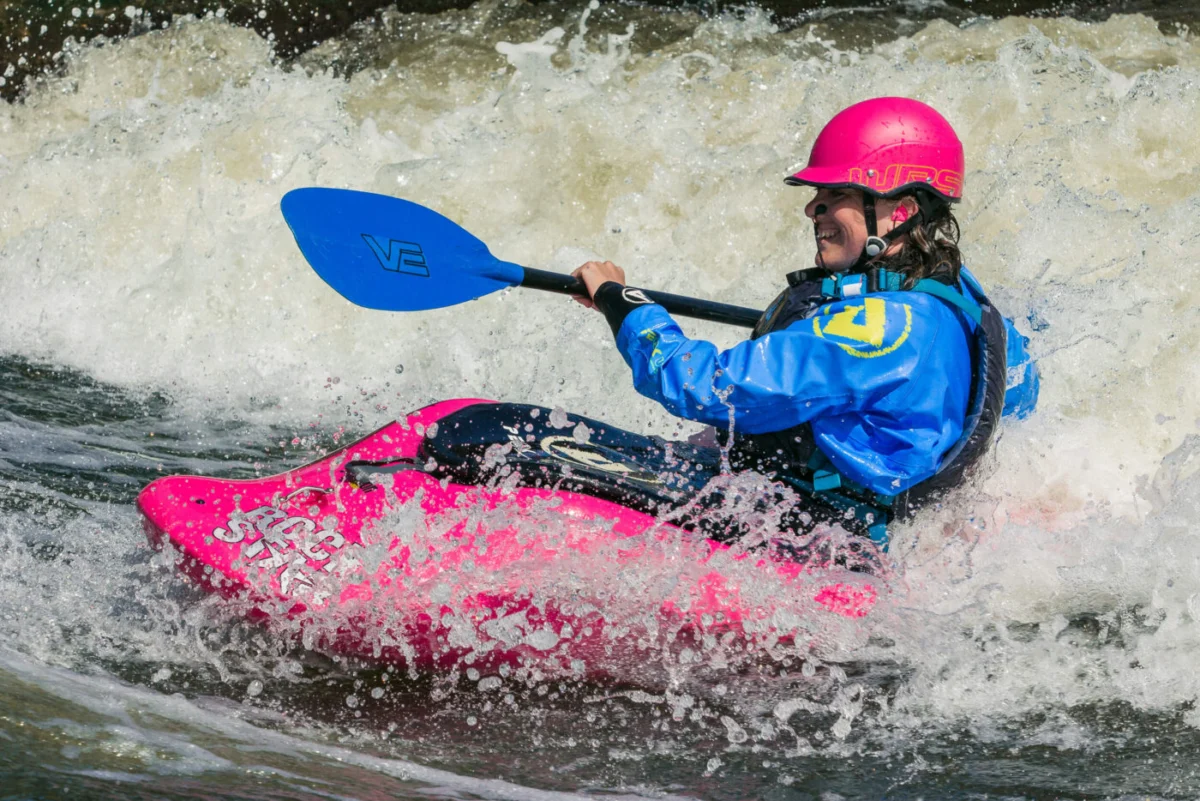
For many whitewater enthusiasts, the search for the "perfect" kayak is an odyssey—a balance between technical performance, personal comfort, and the psychological confidence required to navigate turbulent water. Among the pantheon of playboats that have defined the sport over the last two decades, the Wavesport Project X stands as a titan. It is a vessel that has bridged the gap between raw, freestyle aggression and the functional reliability required for river running.
This deep dive explores the technical specifications, the evolution of the design, and the enduring legacy of a kayak that continues to serve as the gold standard for paddlers looking to bridge the gap between intermediate skill and expert-level freestyle mastery.
Technical Specifications and Design Philosophy
The Wavesport Project X was engineered with a singular focus: to offer a high-performance playboat experience that does not sacrifice the responsiveness necessary for dynamic river navigation. It is a boat that encourages active, aggressive paddling, rewarding the user for every micro-adjustment made during a descent.
Key Specifications
The Project X is available in a versatile range of sizes to accommodate varying body types and paddling styles:
- 48 (Small): Designed for lightweight paddlers, offering high agility.
- 56 (Medium): The "sweet spot" for many, featuring a length of 5’11”, a weight of 32 lbs, and a volume of 56 gallons.
- 64 (Large): Built for larger frames, maintaining the same characteristic pop and responsiveness.
The boat supports a weight range of 100 to 260 lbs across the model line, ensuring that from youth competitors to seasoned veterans, there is a chassis tailored to their needs. The outfitting system is a hallmark of the Project X, featuring highly adjustable components that allow the paddler to create a "snug" fit. This connectivity is vital; in a playboat, the kayak must act as a seamless extension of the lower body, allowing for precise edge transitions and immediate feedback from the current.
A Chronology of Development and Performance
The Project X did not arrive in a vacuum; it was the culmination of Wavesport’s iterative design process. Before its release, the market was split between "river runners"—which offered stability but lacked the "pop" needed for freestyle tricks—and pure playboats, which were often too unstable for anything other than a dedicated play feature.
The Learning Curve
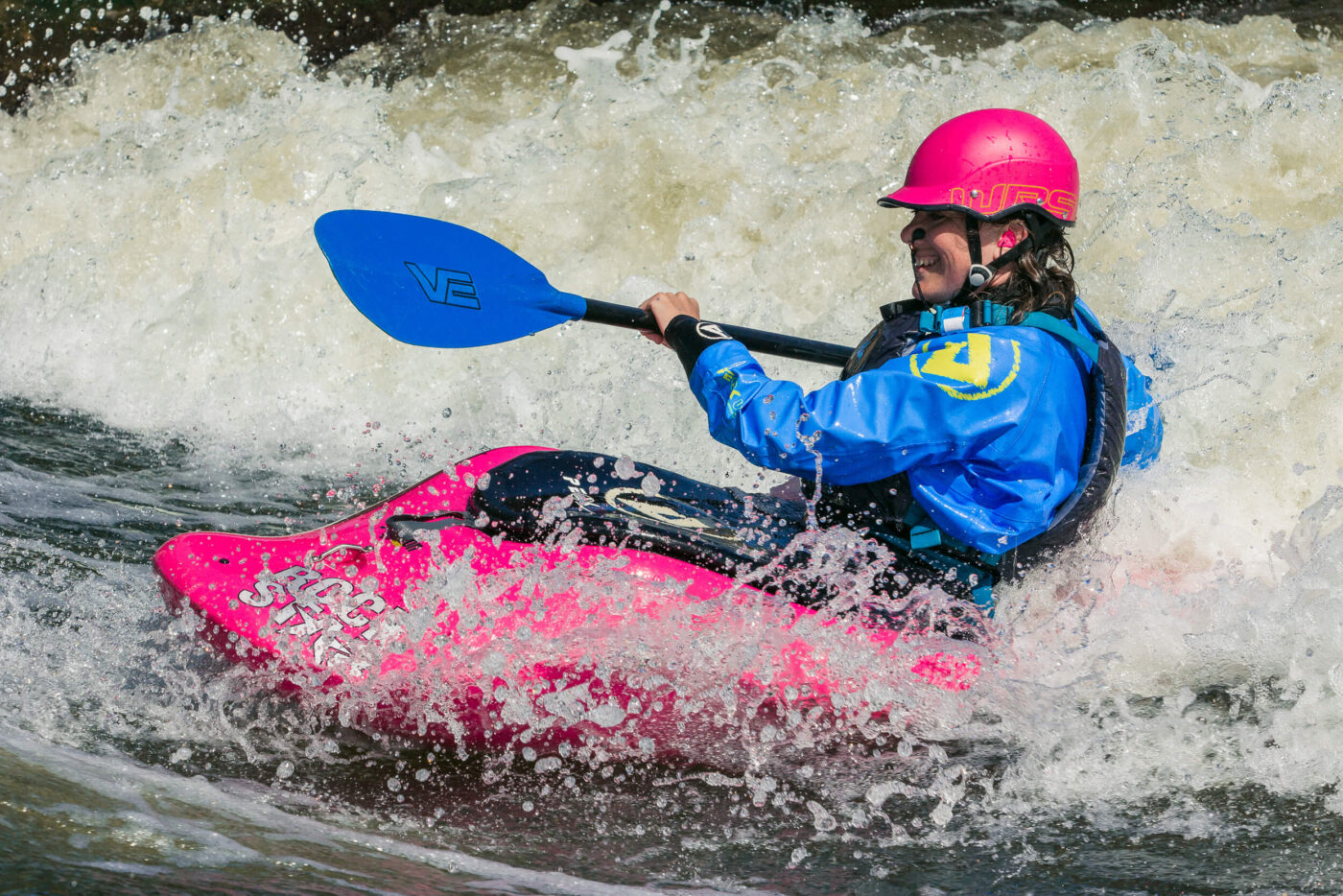
For many paddlers, the Project X served as a "baptism by fire." Its sensitivity to the water is legendary. While a beginner might initially find the boat "twitchy" or "wobbly," this characteristic is intentional. By requiring the paddler to master their balance and core engagement, the Project X accelerates the learning curve. Within months of regular use, a paddler who has spent time in a Project X typically demonstrates superior boat control compared to those who learned in more forgiving, "numb" plastic creek boats.
Evolution in the Field
Over the years, the Project X has been tested on everything from the massive, pushy waves of the Ottawa River to the technical, narrow confines of Ontario’s smaller creek runs. In the spring, when water levels rise and the river transforms into a high-volume corridor of power, the Project X’s ability to track—a rarity for a boat of its category—provides a critical safety margin. It allows the paddler to punch through holes and navigate away from "bus-sized" waves with a level of authority that is often missing in other freestyle-oriented hulls.
Supporting Data: Why Connectivity Matters
In the world of whitewater sports, "outfitting" is the difference between a controlled descent and a struggle for survival. The Project X’s outfitting architecture is designed to minimize the internal volume of wasted space.
Ergonomics and Responsiveness
The "tight fit" mentioned by enthusiasts is not a design flaw; it is a feature. When the hips, knees, and feet are securely braced against the interior, the input lag between a paddler’s desire to carve and the boat’s reaction is virtually zero.
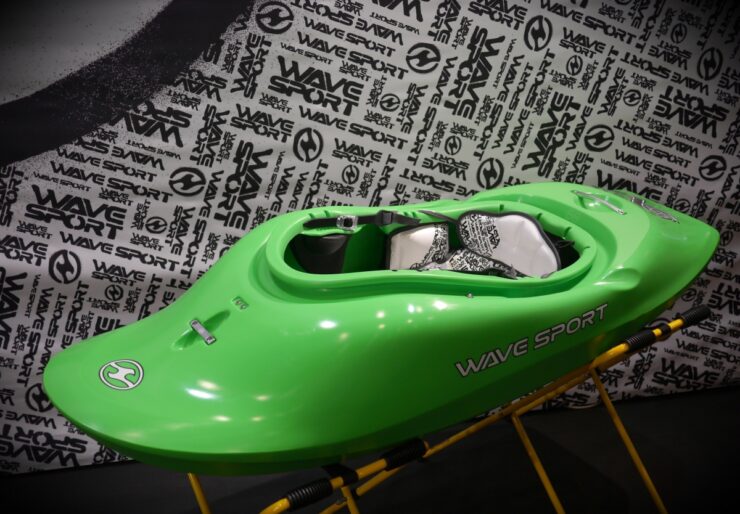
- Tracking Performance: The hull shape is optimized for both surfing and directional stability.
- Volume Distribution: The 56-gallon capacity (in the medium model) is distributed to allow for aggressive vertical moves—loops, cartwheels, and blunts—without the boat feeling overly sluggish in flat water.
However, data from long-term owners suggests areas for improvement. The surface material of the outfitting, while comfortable, is prone to peeling after years of exposure to UV radiation and heavy abrasion. Furthermore, the lack of a dedicated water bottle anchor point—a common grievance—forces paddlers to store hydration in the stern, which can lead to weight distribution issues in smaller, more sensitive configurations.
Official Perspectives and Industry Impact
While Wavesport has continued to iterate on its designs, the Project X remains a reference point for many professional instructors. According to experts like Adelaide Gentry, the Project X is a "confidence-building machine."
The industry consensus is that the Project X helped define the "crossover" era of kayaking. It proved that a boat could be small and playful enough for a rodeo hole, yet sturdy enough to tackle Class IV rapids on a multi-day trip. This versatility has made it a favorite on the used market. Because the plastic used in the manufacturing process is highly durable, many of these boats are still in active service a decade or more after their initial production run.
Implications for the Modern Paddler
Why should a modern paddler, presented with a myriad of newer, carbon-fiber, and thermoformed options, consider a legacy boat like the Project X?
The Value Proposition
- Durability: The rotomolded plastic construction of the Project X is arguably tougher than many modern, weight-conscious alternatives. It can withstand repeated impacts against granite and limestone without significant structural fatigue.
- Skill Acquisition: By learning in a boat that doesn’t "pamper" the paddler, the user gains a more visceral understanding of water physics.
- Cost-Effectiveness: Because the design is "older," used models are exceptionally affordable. For a beginner or intermediate paddler looking to upgrade their skills without the $2,000+ price tag of a brand-new freestyle boat, the Project X represents the best "bang for your buck" in the industry.
Addressing Limitations
The primary drawback remains the lack of creature comforts. The modern paddler expects integrated water bottle storage, more advanced hip-pad adjustment systems, and perhaps lighter composite materials. However, for those who prioritize performance and reliability, these are minor inconveniences. The Project X is a tool for those who want to feel the river, not just float over it.

Conclusion: A Lasting Legacy
The Wavesport Project X is more than just a piece of sporting equipment; it is a vessel of transformation. It forces the paddler to confront the water, to learn the nuance of edge control, and to find the balance between stability and play.
While every boat has its quirks—be it the need for stronger outfitting materials or the desire for a better hydration system—the Project X’s core design remains unimpeachable. Whether you are catching your first surf on a local wave or navigating the complex, high-volume rapids of the Ottawa, the Project X stands ready.
If you are a prospective buyer, do not let the age of the design deter you. A well-maintained Project X is a masterclass in kayaking geometry. It is a boat that turns a standard day on the water into a high-octane adventure, ensuring that no ride is ever boring and no skill plateau remains unconquered. It is, and will likely remain, one of the most significant playboats in the history of the sport.