As outdoor recreation continues to see a massive surge in popularity, more Americans are finding their solace on the water. With over 181 million participants—nearly 60% of the U.S. population—engaging in outdoor activities in 2024, the demand for accessible, nature-based hobbies has never been higher. Among these, paddlesports have emerged as a dominant force, hooking approximately 30 million people nationwide.
However, for the prospective paddler, the path to the water is often blocked by a fundamental dilemma: the choice between a canoe and a kayak. While both serve as vessels for exploration, they are distinct machines designed for different environments, skill sets, and social needs.
The Core Distinction: Mechanics and Design
At its most basic level, the difference between a canoe and a kayak is a matter of physics and ergonomics.
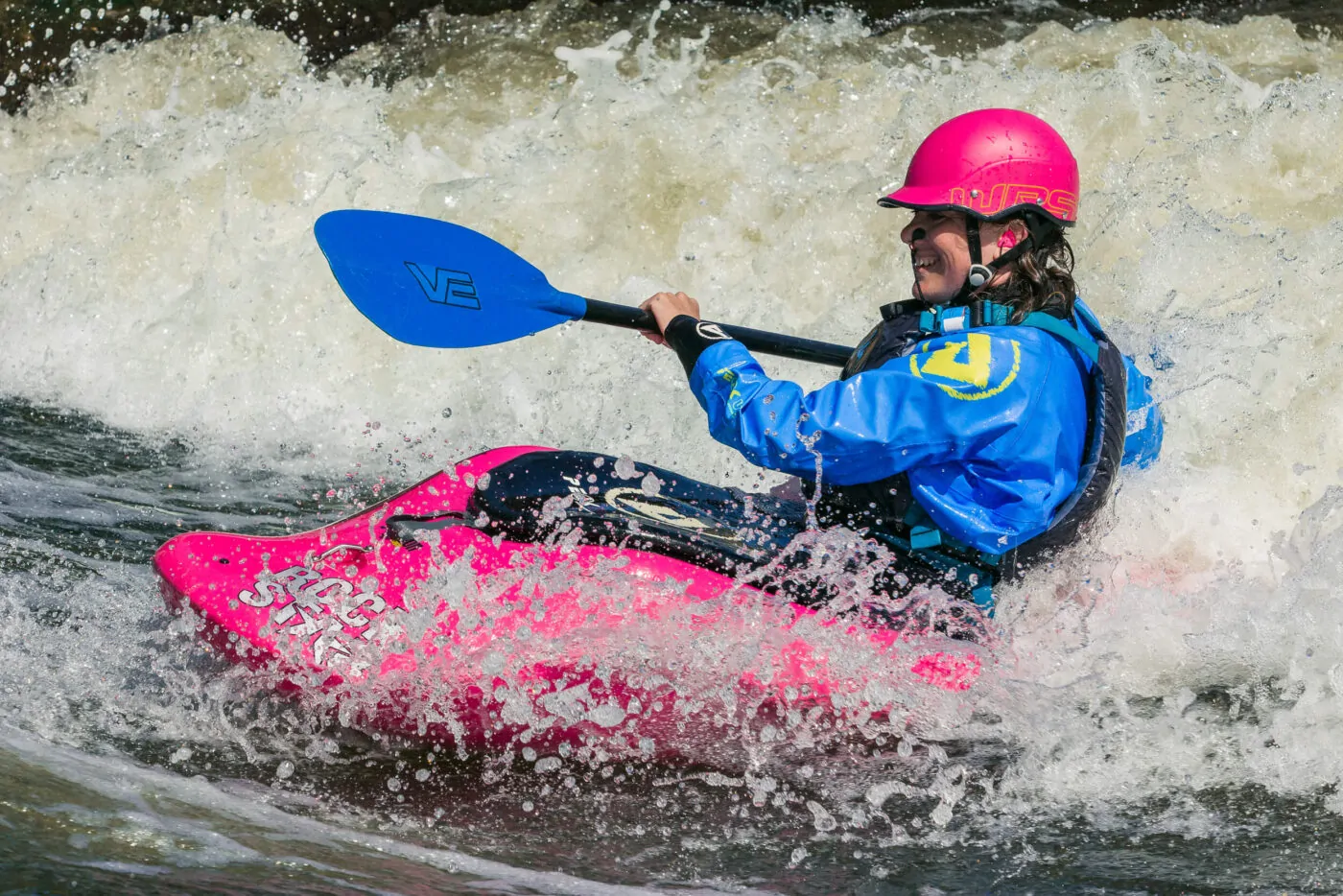
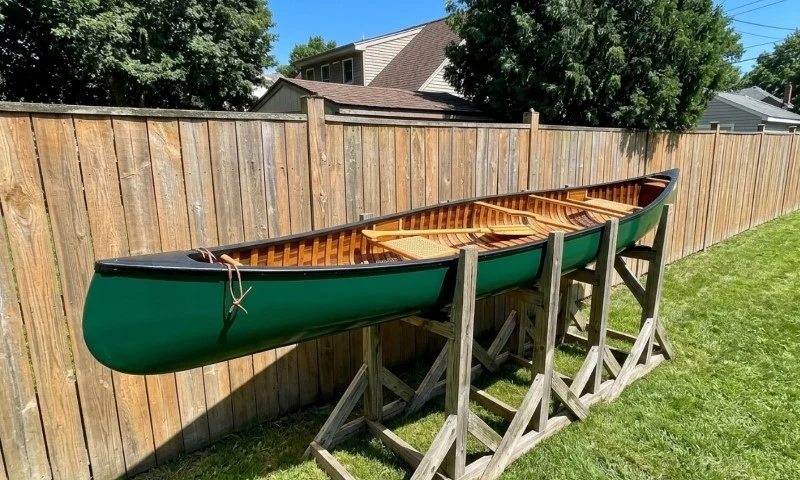
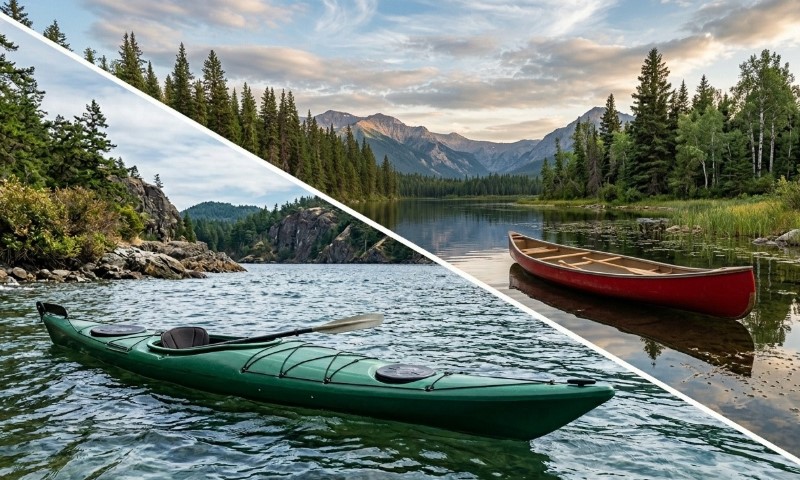
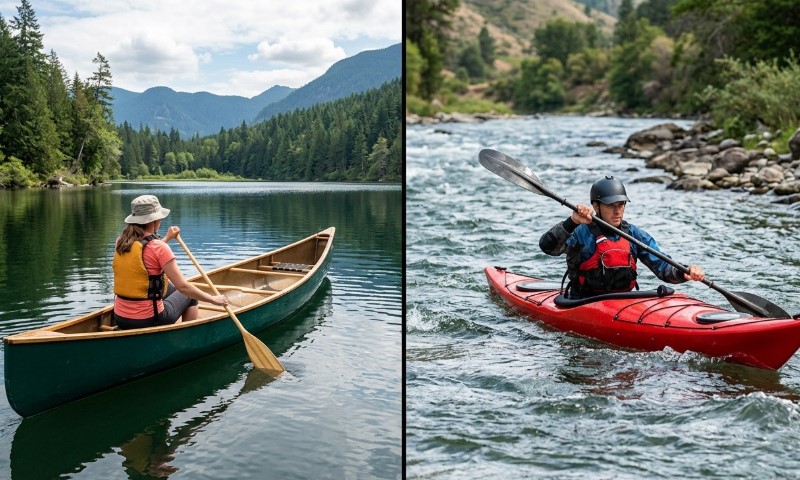
A canoe is typically an open-deck vessel where the paddler sits on a raised bench or kneels on the floor, utilizing a single-bladed paddle. This design, often likened to a floating SUV, prioritizes capacity and versatility. In contrast, a kayak places the paddler in a lower, more enclosed position—or a "sit-on-top" configuration—using a double-bladed paddle. The kayak acts as a sleek, low-profile sports car, designed for efficiency, speed, and handling in varying wind conditions.
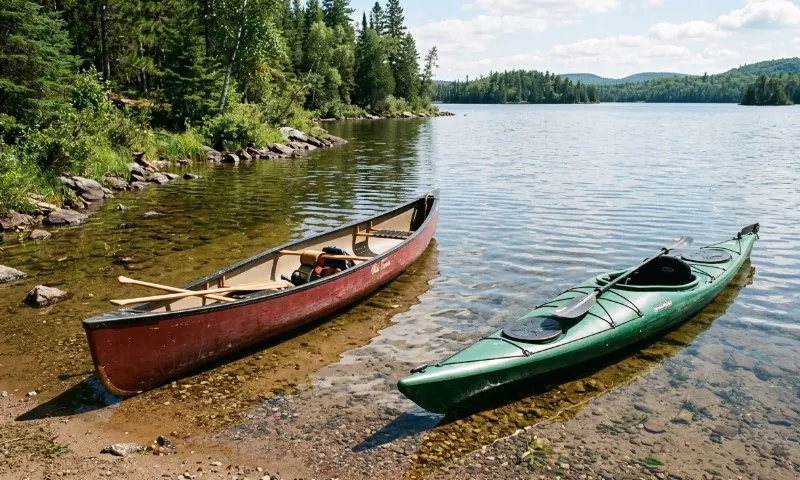
The International Canoe Federation (ICF) maintains a strict technical distinction: kayak athletes sit and swap the paddle from side to side, while canoe athletes typically stay on their knees, keeping the paddle on one side of the boat. While modern recreational gear has blurred these lines—with sit-on-top kayaks offering open-deck convenience—the fundamental ergonomic differences remain the defining features of each craft.
Chronology of Evolution: From Survival to Leisure
The history of these vessels is as deep as the waters they navigate.
- Ancient Origins: The kayak originated in the Arctic, developed by Inuit and Aleut hunters. Built as "skin-on-frame" boats, they were designed for survival, stealth, and stability in frigid, turbulent northern waters.
- The Canoe’s Legacy: Simultaneously, the canoe—often carved from logs or fashioned from birch bark—became the primary mode of transport for indigenous peoples across North America. It was the "pickup truck" of its day, essential for trade, travel, and moving entire families and their goods across vast river systems.
- The Modern Era: By the mid-20th century, the shift toward mass-produced materials like fiberglass, plastic, and aluminum moved these boats from tools of survival to pillars of the multi-billion-dollar outdoor recreation industry. Today, advancements in rotomolded plastics and carbon fiber have made these boats more durable and accessible than ever before.
Data-Driven Decision Making: The Trade-offs
When evaluating which boat to purchase, one must consider the "Real-World Consequence" of design choices.
| Factor | Canoe | Kayak |
|---|---|---|
| Paddle | Single-blade | Double-blade |
| Wind Resistance | High (acts like a sail) | Low (better handling) |
| Storage | Superior (open cargo) | Moderate (hatch dependent) |
| Stability | High initial stability | High secondary stability |
| Ease of Entry | Generally higher | Lower (requires agility) |
Data suggests that for beginners looking for solo adventures, the kayak is often the superior choice. The double-bladed paddle provides a symmetrical stroke that makes tracking (moving in a straight line) significantly easier for the novice. Conversely, maneuvering a canoe solo requires a sophisticated "J-stroke," a technique that demands practice and patience.
Official Guidance and Safety Implications
Safety is not a suggestion; it is a prerequisite for water sports. According to the U.S. Coast Guard’s 2024 Recreational Boating Statistics, a staggering majority of boating fatalities are linked to a single failure: the absence of a wearable personal flotation device (PFD).
The National Park Service (NPS) emphasizes that many fatal incidents involve "cold water shock." Even in temperate climates, the water temperature may be significantly lower than the air, leading to rapid incapacitation if a paddler capsizes. A life jacket stowed in a storage hatch is useless in an emergency. The governing standard is simple: if you are on the water, the life jacket should be on your body.
Furthermore, the legal landscape is evolving. Paddlers should be aware that "Boating Under the Influence" (BUI) laws apply to canoes and kayaks just as they do to powerboats. In many jurisdictions, operating a non-motorized vessel while impaired can lead to heavy fines or criminal charges.
Choosing Your Craft: A Strategic Approach
To determine the best fit for your lifestyle, consider these five critical questions:
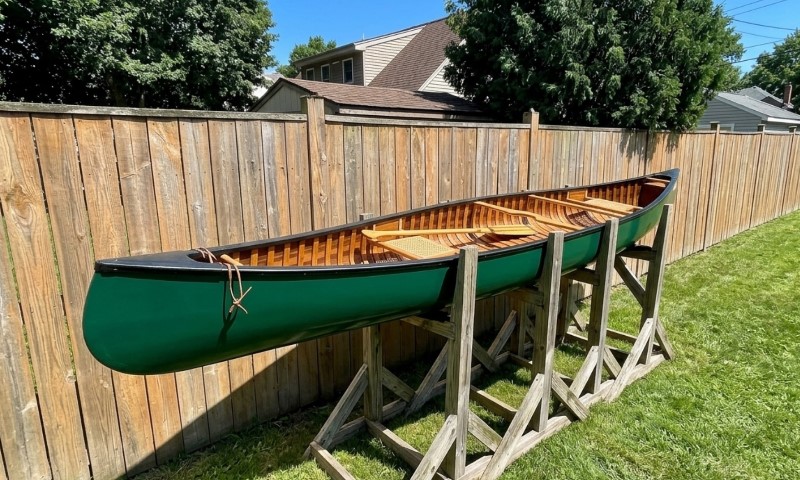
- Storage: Do you have the space for a 16-foot canoe, or do you need a compact, sit-on-top kayak?
- Transportation: Can you physically lift your chosen boat onto your vehicle’s roof rack alone?
- Company: Are you usually paddling solo, or are you responsible for children, pets, or significant amounts of camping gear?
- Environment: Will you be tackling wind-swept lakes or meandering, narrow streams?
- Budget vs. Utility: Are you looking for a basic recreational hull, or a high-end, rigged-out fishing vessel?
The Case for the Canoe
Choose a canoe if you prioritize communal experiences. It is the premier choice for families, anglers requiring extra tackle space, and campers who need to transport bulky gear. The elevated seating position provides a superior vantage point for wildlife viewing and navigating shallow, obstacle-ridden rivers.
The Case for the Kayak
Choose a kayak if you prioritize performance, fitness, and solo control. Their lower center of gravity makes them remarkably stable in choppy water, and their ability to "slice" through wind gusts makes them ideal for open reservoirs or coastal inlets. For the fitness-minded, the kayak offers a more consistent aerobic workout through repetitive, bilateral strokes.
The "Rent-Before-You-Buy" Mandate
Industry experts and seasoned guides unanimously agree: never purchase a boat before testing it in a real-world environment. Renting from a local outfitter allows you to experience the weight of the hull, the comfort of the seat, and the ease of transportation without the long-term commitment.
If you are a casual, once-a-year paddler, you may find that an inflatable kayak provides the best balance of portability and fun. If you are an enthusiast looking to cover miles of river, a rigid touring kayak or a lightweight composite canoe will be worth the investment.
Conclusion: The Best Boat is the One You Use
Ultimately, the debate between canoe and kayak is secondary to the act of getting outdoors. A high-tech, expensive kayak that collects dust in the garage is a failure of investment; a modest, well-used canoe that creates family memories is a success.
As you look toward the 2026 season, remember that your choice should reflect your actual habits, not your aspirations. Assess your water, your gear, and your physical needs. Once you have made the choice, invest in a quality PFD, learn the local water safety regulations, and—most importantly—ensure your boat is ready to launch whenever the weather clears. The water is waiting.