Tanzania remains the crown jewel of African tourism, a destination where the raw majesty of nature meets the growing global demand for responsible, sustainable travel. As modern travelers shift their focus toward experiences that prioritize conservation and authentic community engagement, Tanzania’s diverse ecosystems have risen to the forefront. From the vast, uncrowded plains of the southern circuit to the iconic, snow-capped summits of Mount Kilimanjaro, the nation offers a template for how ecotourism can protect wildlife while providing transformative human experiences.
The Southern Circuit: Africa’s Hidden Gem
For the traveler seeking to escape the crowds of the popular northern parks, the Southern Circuit of Tanzania represents the frontier of authentic ecotourism. This region, characterized by its rugged beauty and immense biodiversity, is home to some of the most vital wildlife sanctuaries on the continent.
Core Destinations of the South
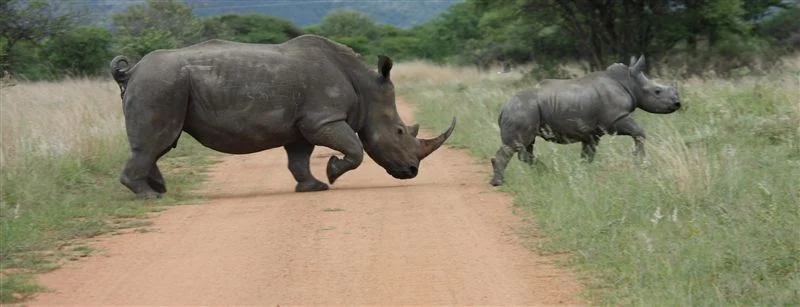
- Nyerere National Park (formerly Selous): As one of the largest protected wildlife areas in Africa, Nyerere offers an unparalleled immersion into the wild. It is a vital stronghold for African wild dogs, lions, and elephants.
- Ruaha National Park: Known for its dramatic landscapes and high concentrations of predators, Ruaha provides a sense of isolation and intimacy with nature that is increasingly rare.
- Mikumi and Udzungwa: These parks serve as the gateway to the southern experience, offering everything from vast savannahs to the lush, mountainous rainforests of the Udzungwa Mountains, which are biodiversity hotspots for endemic species.
- The TAZARA Experience: The journey itself is part of the charm. The TAZARA railway route provides an eco-friendly, slow-travel alternative to internal flights, allowing visitors to traverse the breathtaking landscapes of the southern interior while minimizing their carbon footprint.
The southern circuit is highly recommended for those looking for 10-day safari packages. Because the region is less commercialized, the eco-lodges found here are often more economical, allowing travelers to enjoy luxury and comfort without the premium price tags often associated with the northern parks.
Bridging the Gap: Combining Northern and Southern Circuits
While the South offers solitude, the North remains the heart of Tanzania’s classic wildlife experience. Destinations such as the Serengeti (including the Ndutu and Grumeti regions), the Ngorongoro Highlands, Tarangire, and Arusha National Park are essential for those wishing to witness the Great Migration and the highest density of wildlife in East Africa.
For travelers with the time, a "combo" itinerary—ranging from 9 to 16 days—offers the best of both worlds. By blending the high-octane wildlife encounters of the North with the serene, off-the-beaten-path ecotourism of the South, visitors can experience the full spectrum of Tanzania’s ecological richness.
Professional Insights: Planning for Success
The logistics of a Tanzanian safari are as critical as the destination itself. According to industry experts at Kilimanjaro Tanzanite Safaris DMC, successful travel hinges on meticulous planning and an adherence to the principles of responsible tourism.
Photographic and Filmmaking Expeditions
For nature photographers and filmmakers, the equipment is as essential as the guide. Kilimanjaro Tanzanite Safaris provides specialized 4×4 Toyota Landcruisers—equipped with either pop-up or open-roof configurations—designed specifically for optimal photography angles. These vehicles are the standard for ensuring that wildlife encounters are captured without disrupting the natural behavior of the animals.
The Kilimanjaro Commitment
Mount Kilimanjaro represents a unique segment of ecotourism. Climbing the "Roof of Africa" is a physical and mental challenge that requires significant preparation. Travelers must consider several pillars for a successful climb:
- Route Selection: From the scenic Lemosho and Shira routes to the iconic Machame, the choice of path dictates the acclimatization profile and the ecological zones traversed.
- Acclimatization and Safety: Responsible operators prioritize the health of the climber over the speed of the ascent. Proper safety setups, including oxygen supplies and regular health checks, are non-negotiable.
- Training: Pre-trip conditioning is vital. A climb should never be a test of endurance without prior physical preparation.
Official Perspectives: The Philosophy of Responsible Travel
The shift toward "Responsible Travel" is not merely a marketing buzzword in Tanzania; it is a necessity for the survival of the country’s natural heritage. Destination Management Companies (DMCs) play a pivotal role in this ecosystem. By advising tourists on the best times to visit—such as the dry season for game viewing or the shoulder seasons for bird watching—they help disperse the pressure of tourism across the calendar, preventing the degradation of sites through over-visitation.
Furthermore, responsible tourism involves educating the visitor. A genuine ecotourist should understand the local culture, respect wildlife boundaries, and support businesses that invest in the local community. Whether it is packing light to reduce aircraft load or choosing lodges that utilize solar power and waste-management systems, every decision counts.
Implications: The Future of Tanzanian Tourism
The rise of the Southern Circuit and the professionalization of trekking and safari services have profound implications for Tanzania’s economy and environment.
Economic Impact
By promoting the southern circuit, Tanzania is successfully distributing tourism revenue to regions that were previously underserved. This creates jobs in rural communities, incentivizing local populations to protect wildlife rather than resort to poaching.
Environmental Stewardship
As the global climate crisis continues, the role of ecotourism in conservation is more critical than ever. Revenue from park fees and safari bookings provides the direct funding needed for anti-poaching units, habitat restoration, and wildlife monitoring. When a traveler books a safari with a reputable operator, they are effectively paying for the protection of the very landscapes they have come to admire.
The Traveler’s Checklist
To ensure a successful and ethical trip, travelers should focus on the following:
- Seasonality: Research the best times to visit specific parks to avoid heavy crowds and maximize wildlife sightings.
- Packing Lists: Use vetted packing lists to ensure you carry only what is necessary, reducing weight and waste.
- Route Comparison: Always compare trekking routes for Kilimanjaro to ensure the level of difficulty aligns with your physical capability.
- Booking Early: With the increasing demand for sustainable travel, top-tier eco-lodges and experienced guides are often booked months in advance.
Conclusion: A Call to Responsible Adventure
Tanzania is a destination that demands respect. Whether you are navigating the TAZARA railway through the southern bush, witnessing the vast migration in the Serengeti, or pushing toward the summit of Kilimanjaro, your presence has an impact. By choosing to travel with companies that prioritize ecotourism, you are not just a spectator; you are a participant in the conservation of one of the world’s most precious natural treasures.
The modern safari is an intersection of luxury, education, and duty. By planning your journey with care—selecting the right circuit, preparing your gear, and choosing partners who respect the land—you ensure that the beauty of Tanzania remains intact for generations to come. The wild is waiting; it is up to us to ensure we visit it in a way that allows it to flourish.