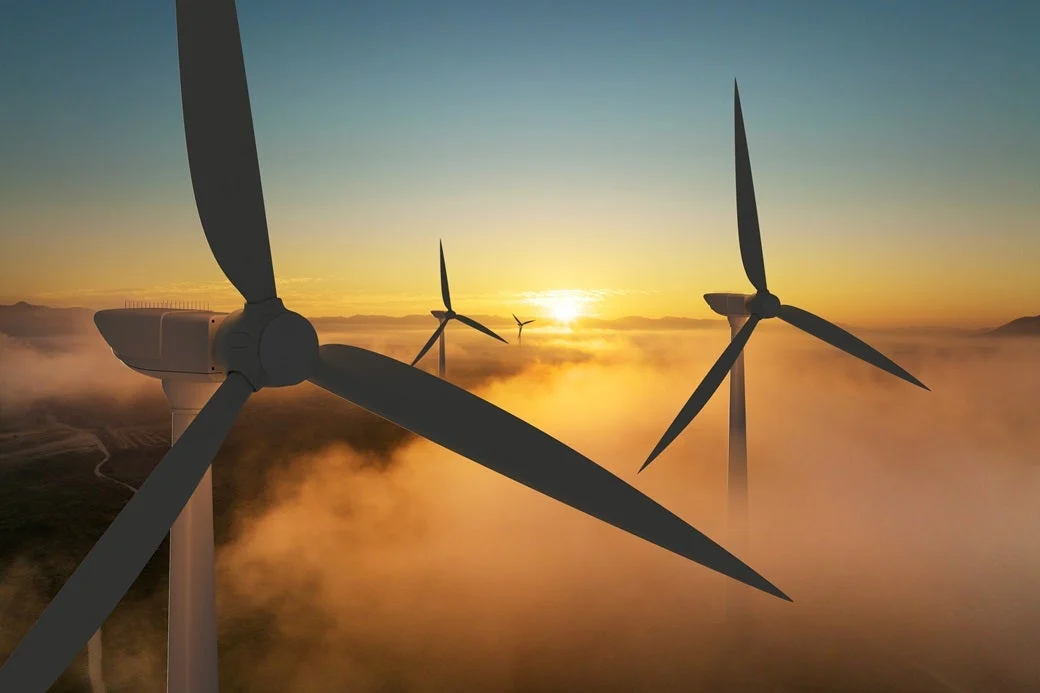
The global transition to renewable energy hinges on the reliability of wind power. As turbines increase in size and reach, the mechanical stresses placed on their drivetrains—specifically the gearboxes—have intensified. At the heart of these complex systems lies a silent, elusive, and costly threat: White-Etching Cracks (WEC). Responsible for approximately 60% of high-speed bearing failures in wind turbines, WEC represents a critical barrier to operational efficiency and the levelized cost of energy (LCOE).
Main Facts: Understanding the WEC Phenomenon
White-etching cracks are subsurface microstructural alterations in bearing steel. The term "white-etching" refers to the appearance of these affected areas under a microscope after a metallurgical etching process; they appear as pale, featureless regions. Unlike conventional fatigue, which usually manifests on the surface, WEC develops deep within the bearing material.
By the time these cracks propagate to the surface, the structural integrity of the bearing is often compromised beyond repair. Because they remain invisible to standard visual inspections until the terminal phase of failure, WEC has earned a reputation as the "silent killer" of wind turbine drivetrains.
The mechanics of WEC are complex. They are not triggered by a single cause but are instead the result of a "perfect storm" of mechanical, electrical, chemical, and operational factors. Whether it is hydrogen embrittlement, high-frequency vibrations, or stray electrical currents, the convergence of these stresses creates a subsurface environment where steel microstructures are transformed, leading to brittle fracture and premature spalling.
A Chronology of Reliability: From Recognition to Mitigation
The history of WEC in the wind industry is a relatively recent but intense evolution.
- Early 2000s: As wind turbines scaled up in capacity, reports of premature bearing failures began to emerge. Initially dismissed as standard surface fatigue, forensic analysis of failed bearings revealed the peculiar "white" microstructural zones.
- 2010–2015: The industry recognized WEC as a distinct failure mode rather than an isolated manufacturing defect. Research shifted toward the role of hydrogen in steel, leading to the identification of "hydrogen-assisted rolling contact fatigue."
- 2015–2020: Technical bodies, including the American Clean Power (ACP) association and DNV-GL, began formalizing standards for lubricant testing. The focus shifted from reactive replacement to proactive asset management.
- 2020–Present: The industry has moved toward a holistic "systems approach." Today, WEC mitigation is no longer just about the steel; it is about the integration of advanced materials, specialized coatings, and real-time, data-driven lubrication monitoring.
Supporting Data and Technical Variables
The persistence of WEC is fueled by the harsh operating environment of the nacelle. Wind turbine gearboxes are required to transform low-speed, highly variable rotor motion into the high-speed input necessary for power generation. This transformation involves immense pressure on the bearings.
The Role of Hydrogen Embrittlement
Research published in Engineering Failure Analysis by Kürten et al. highlights that lubricant degradation acts as a primary catalyst. Under extreme pressure and temperature, the chemical breakdown of oil can release atomic hydrogen. This hydrogen diffuses into the steel lattice. Once the steel is "charged" with hydrogen, it loses its ductility, becoming susceptible to crack initiation at the microscopic level—a process known as hydrogen embrittlement.
Frictional Stress and Tribofilms
The contact zone between the roller and the race is a high-energy environment. If the lubricant fails to maintain a stable "tribofilm"—a microscopic protective layer—metal-to-metal contact occurs. This leads to localized flash temperatures, which can induce phase changes in the steel, further accelerating the formation of white-etching zones.
Official Industry Perspectives and Standards
Industry leaders have shifted their stance on WEC from "unavoidable risk" to "manageable condition."
The American Clean Power (ACP) organization has emphasized that lubricants must be treated as a primary asset rather than a consumable. Their standards suggest that lubricant selection must be tailored to the specific climatic envelope and load profile of the turbine.
Furthermore, certification bodies like DNV-GL have established rigorous testing protocols. For instance, the DNV-GL design evaluation certification for specific gear oils, such as the Mobil SHC™ Gear 320 WT, signals a paradigm shift. These certifications acknowledge that specific chemical formulations can actively mitigate the conditions that lead to WEC, moving beyond mere lubrication to active component protection.
Six Pillars of WEC Prevention
To combat this phenomenon, operators must adopt a comprehensive strategy. The following six pillars represent the current industry gold standard for WEC mitigation:
1. Mitigating Hydrogen Embrittlement
Operators must minimize the sources of hydrogen. This involves rigorous moisture control, ensuring that water contamination does not enter the lubrication system. Furthermore, using additives that inhibit the chemical degradation of the oil is critical to preventing the release of nascent hydrogen.
2. Reducing High Frictional Stress
Load management and viscosity selection are paramount. Proper viscosity ensures that the bearing remains "floated" on a film of oil even during cold starts or high-load transients. Advanced friction-controlled additives can further dampen the localized energy spikes that drive WEC.
3. Upgrading Bearing Materials and Heat Treatments
When replacing components, standard steel may no longer be sufficient. The use of carbonitrided steels, high-nitrogen alloys, and specialized heat treatments can increase the residual compressive stress on the surface, making the steel significantly more resistant to crack propagation.
4. Deploying Protective Coatings
Black oxide coatings have emerged as a front-line defense. By altering the surface chemistry of the bearing, these coatings modify frictional behavior and provide a barrier that restricts the diffusion of hydrogen into the bearing steel. For high-risk applications, ceramic or diamond-like carbon (DLC) coatings provide even greater resilience.
5. Preventing Electrical Pitting
Stray currents—often caused by issues in the generator or converter—can track through the bearing, causing micro-arcs. This creates "pitting," which serves as an entry point for further damage. Proper grounding and, where necessary, the use of insulated bearing housings, are essential to stop electrical energy from reaching the rolling elements.
6. Integrating Advanced Condition Monitoring
Visual inspection is insufficient. Operators must implement a robust condition-monitoring program that includes oil analysis for wear debris, moisture content, and additive depletion. Online monitoring systems that provide real-time data from remote, hard-to-access turbines allow operators to intervene before a micro-crack becomes a catastrophic failure.
Implications for the Future of Wind Energy
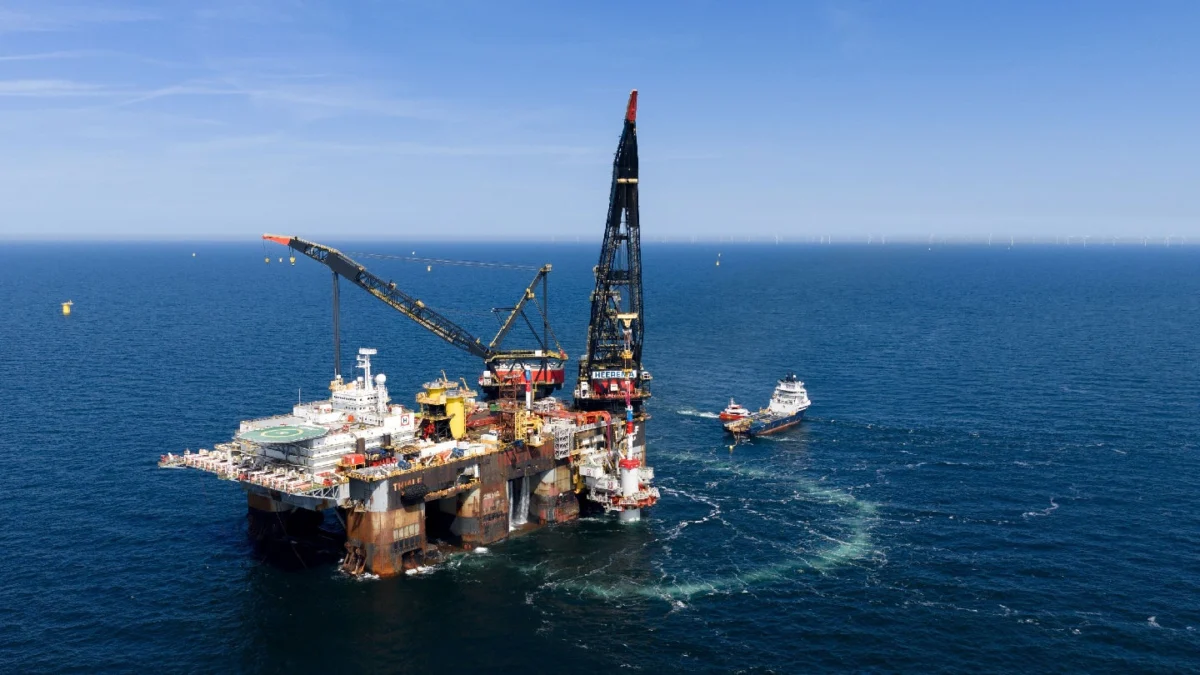
The economic implications of WEC are profound. A single gearbox failure can result in hundreds of thousands of dollars in replacement costs, combined with weeks of lost production and the logistical nightmare of heavy-lift crane mobilization.
As the wind industry moves toward larger, offshore platforms, the cost of failure will only rise. Therefore, the transition from reactive maintenance to an "asset management" philosophy is not merely a technical preference—it is a financial necessity.
By integrating WEC-resistant lubricants, advanced materials, and digitized monitoring, owners can significantly extend the service life of their fleets. The goal is to shift the gearbox from being the "weak link" of the turbine to a high-reliability component that matches the lifespan of the turbine structure itself.
In conclusion, while white-etching cracks remain a formidable adversary, the industry is no longer in the dark. Through a combination of material science, chemical innovation, and proactive management, the threat of premature bearing failure can be contained. The future of wind energy relies on this level of precision, ensuring that the invisible forces at play deep within our turbines are as well-managed as the massive structures themselves.
For more information on implementing these strategies, owners and operators are encouraged to consult current DNV-GL standards and review recent whitepapers on specialized lubricant performance and metallurgical advancements in bearing design.