Executive Summary: A Milestone for Polish Energy
In a significant leap forward for Poland’s renewable energy ambitions, Heerema Marine Contractors has successfully concluded a massive four-month offshore construction campaign. The project involved the installation of 100 wind turbine foundations and two complex substation jackets for the Bałtyk 2 and Bałtyk 3 offshore wind farms.
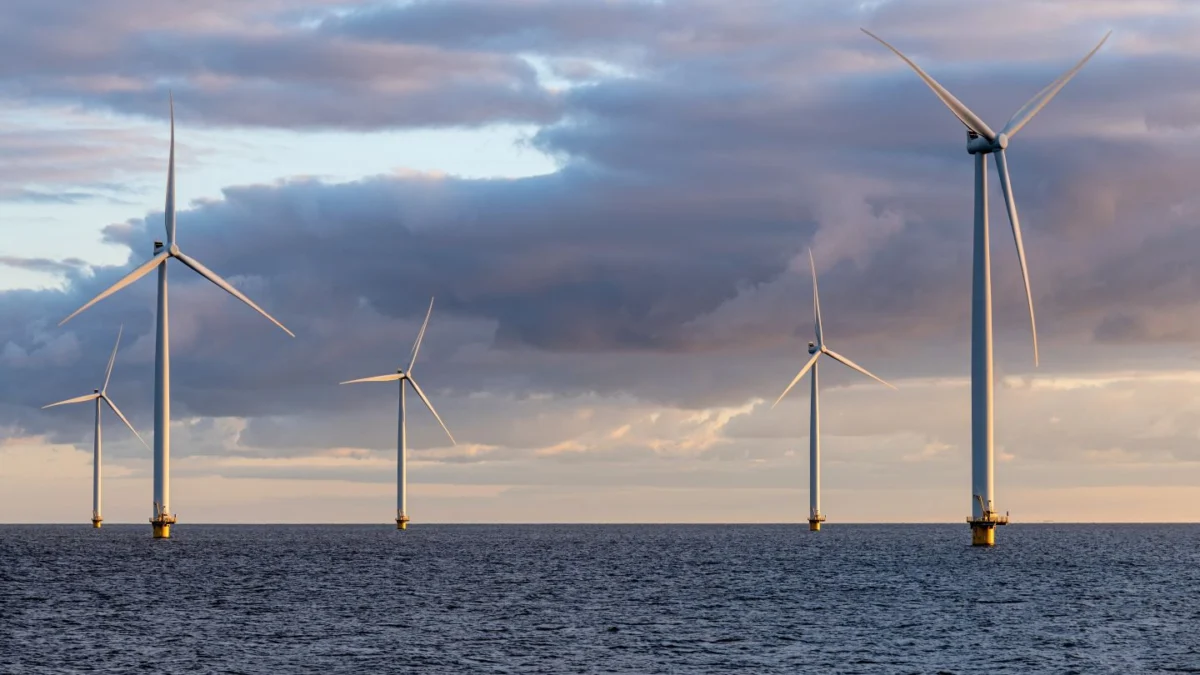
These twin projects, a joint venture between Norwegian energy giant Equinor and Polish developer Polenergia, represent a cornerstone of the Baltic Sea’s burgeoning offshore wind sector. With a combined capacity of 1.44 gigawatts (GW), the wind farms are set to become a vital artery in Poland’s energy grid, capable of powering over two million households upon their expected full commercial operation in 2028.
The Scale of Operations: Engineering at Sea
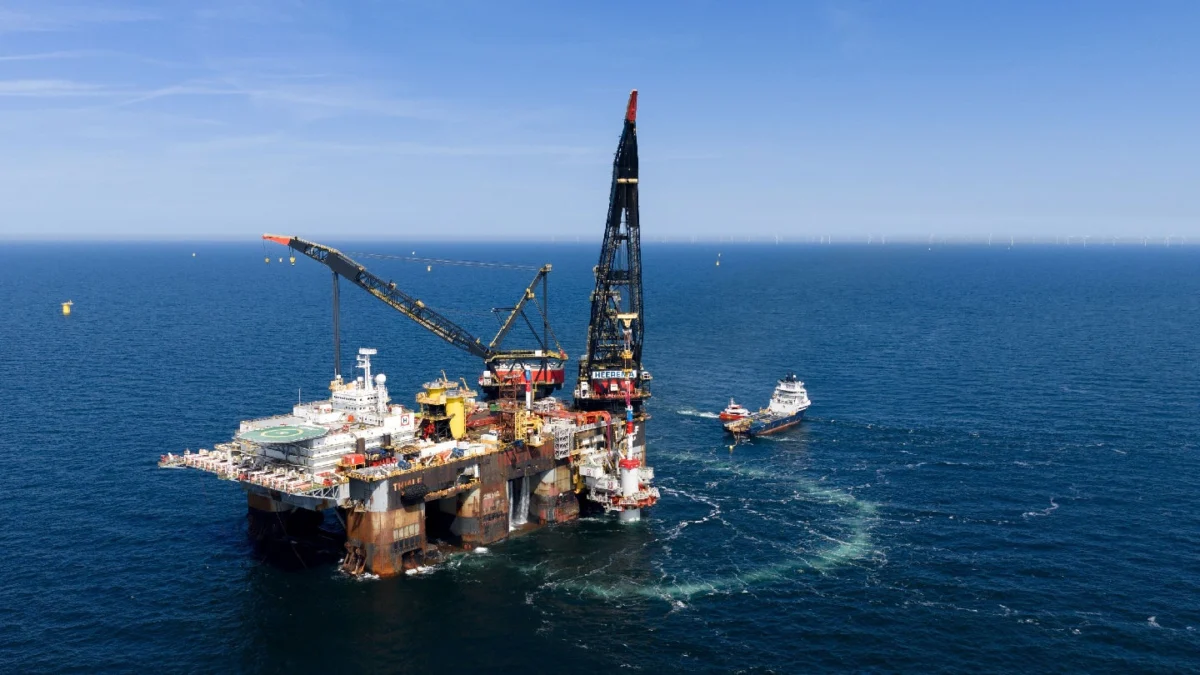
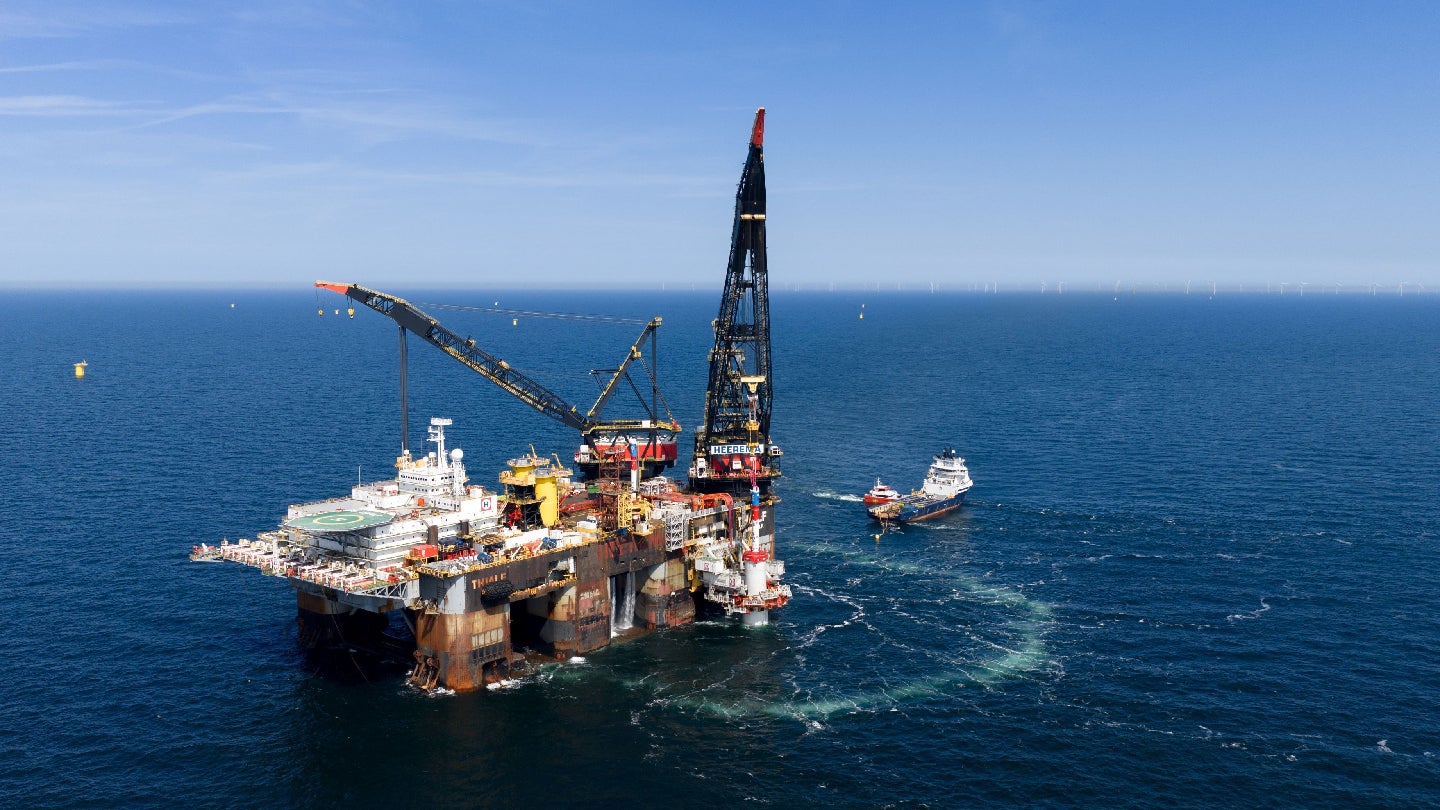
The installation campaign, described by industry experts as a logistical masterpiece, required a level of coordination rarely seen in the region. To manage the immense scope of the project, Heerema Marine Contractors utilized the Thialf—a semi-submersible crane vessel (SSCV) of staggering proportions. Measuring over 200 meters in length and 88 meters in width, the Thialf served as the heavy-lifting heart of the operation, supported by a fleet of nearly 35 auxiliary vessels.
Technical Specifications and Heavy Lifting
The complexity of the operation cannot be overstated. The project team oversaw the placement of:
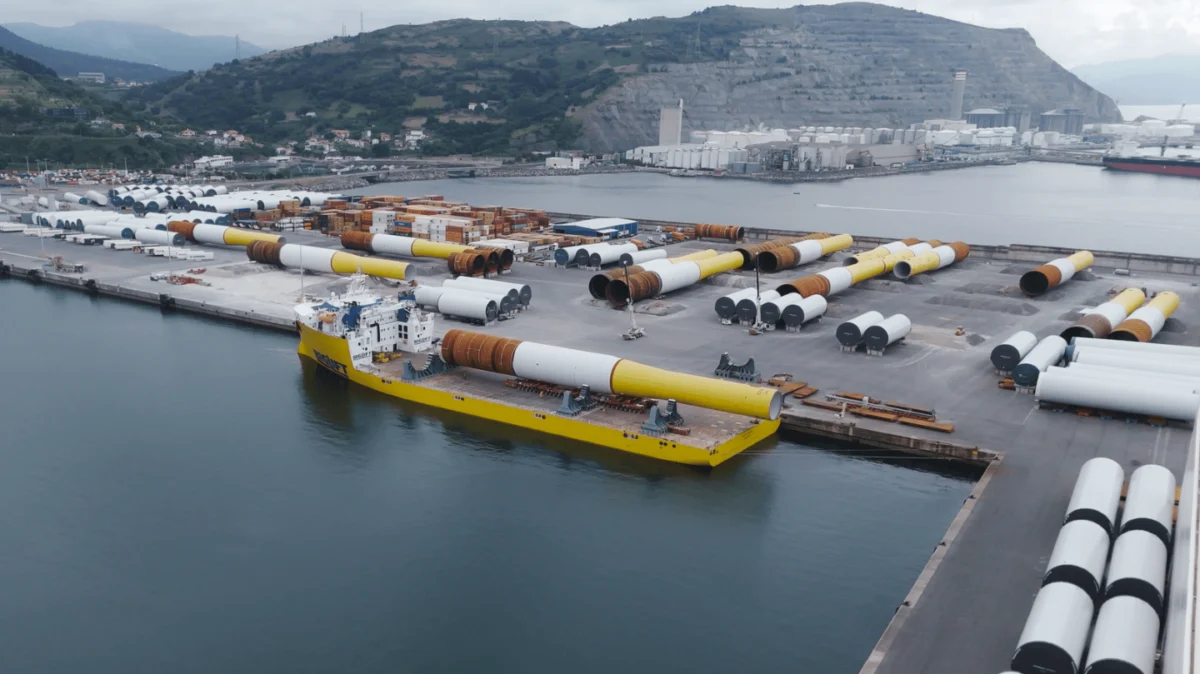
- 100 Monopiles: These foundations, the structural anchors for the turbines, reach lengths of up to 70 meters.
- 100 Transition Pieces: Standing approximately 17 meters tall and weighing 400 tonnes each, these pieces were installed with the majority of their permanent electrical and mechanical equipment pre-fitted to expedite the final assembly phase.
- Two Substation Jackets: These critical structures, which facilitate the transmission of electricity from the turbines to the onshore grid, measure 30m x 30m, stand 50 meters high, and weigh roughly 3,500 tonnes each.
The coordination required a multi-faceted approach involving fabrication yards across Europe, international marine contractors, and a dedicated network of ports. The Port of Łeba emerged as a strategic hub during this campaign, providing essential support for marine operations and acting as a primary base for future maintenance activities.
Chronology of Development: From Concept to Seabed
The successful installation of these foundations is the culmination of years of rigorous planning, permitting, and engineering.
- Preparation Phase (2022–2025): Equinor and Polenergia engaged in extensive seabed surveys, environmental impact assessments, and procurement negotiations. This period saw the securing of the supply chain and the finalizing of the technical designs for the monopiles and transition pieces.
- Mobilization (Early 2026): By early 2026, the logistical framework was in place. The fabrication of the transition pieces and jackets reached completion at specialized yards, and the Thialf was prepared for its deployment in the Baltic.
- The Installation Campaign (Mid-2026): Over a four-month window, the offshore team executed the heavy-lift work. This phase was synchronized with the laying of export cables, preparations for inter-array cabling, and seabed protection works to ensure the long-term stability of the structures.
- Current Status (Late 2026): With the foundations securely in place, the focus has shifted to the next phase of construction, including the ongoing manufacturing of the turbines themselves and the expansion of the onshore infrastructure required to integrate the 1.44GW of power into the Polish national grid.
Industry Implications and Strategic Significance
The Bałtyk 2 and 3 projects serve as a bellwether for Poland’s energy transition. For decades, the nation has relied heavily on coal; however, the shift toward offshore wind is now a national imperative to meet decarbonization targets and ensure energy sovereignty.
The Role of Offshore Expertise
Heerema Marine Contractors’ role extends beyond mere installation. By utilizing specialized equipment like the Thialf, the company has demonstrated the viability of large-scale offshore projects in the challenging conditions of the Baltic Sea. As Marcel de Nooijer, CEO of Heerema Marine Contractors, stated:
"Bałtyk 2 and 3 will become an important source of renewable electricity for Poland, supporting both the country’s energy transition and long-term energy security. We are proud to have contributed our offshore expertise to a project of this scale."
Grid Integration and Economic Impact
The broader construction effort is a massive industrial undertaking. While the foundations are now in place, work continues on the inter-array cables and the export cabling systems. In May 2026, SPIE Wind Connect was awarded a contract by Seaway7 to carry out the termination and testing of 66kV inter-array cables, ensuring that the infrastructure is ready to handle the high-voltage output from the turbines.
Onshore, the project is equally demanding. The grid connection infrastructure is currently under development, ensuring that once the first power is generated in 2027, the flow of energy to the Polish consumer is seamless.
Looking Ahead: The Path to 2028
While this milestone marks the completion of the foundation phase, the project is far from finished. Heerema is scheduled to return to the site in the coming years to install additional substation modules, further refining the electrical infrastructure of the wind farms.
The Project Roadmap:
- 2027: Anticipated "First Power." This milestone will mark the moment the first few turbines are commissioned and connected to the grid, providing a tangible signal of the project’s success.
- 2028: Full Commercial Operation. By the end of this year, all 100 turbines are expected to be fully operational, contributing a steady stream of 1.44GW of clean energy to the Polish market.
A New Era for Polish Renewables
The Bałtyk 2 and 3 wind farms represent more than just a renewable energy project; they represent the modernization of Poland’s energy landscape. By leveraging the expertise of international players like Equinor, Polenergia, and Heerema, Poland is effectively positioning itself as a central player in the Baltic offshore wind market.
The successful completion of this foundation phase provides a blueprint for future offshore developments in the region. It highlights the importance of port infrastructure, the necessity of specialized heavy-lift vessels, and the power of collaborative multi-national engineering. As the world watches the Baltic Sea, the progress at Bałtyk 2 and 3 stands as a testament to what is possible when strategic planning meets industrial execution.
For the people of Poland, these wind farms promise a future of cleaner, more reliable electricity, significantly reducing the country’s carbon footprint and fostering a new, sustainable industrial sector that will drive economic growth for decades to come. With the foundations now firmly planted in the seabed, the transition to a greener energy future is no longer a distant goal—it is becoming a reality, one monopile at a time.