The Vanguard of Offshore Wind: Hornsea 3 and the Infrastructure Challenge
The global race toward decarbonization has reached a new engineering milestone. Located approximately 120km off the Norfolk coast in the North Sea, the Hornsea 3 offshore wind farm is poised to redefine the scale of renewable energy production. As the world’s largest offshore wind project, Hornsea 3 represents a monumental shift in the UK’s energy landscape, aiming to supply clean, sustainable electricity to more than 3.3 million British homes.
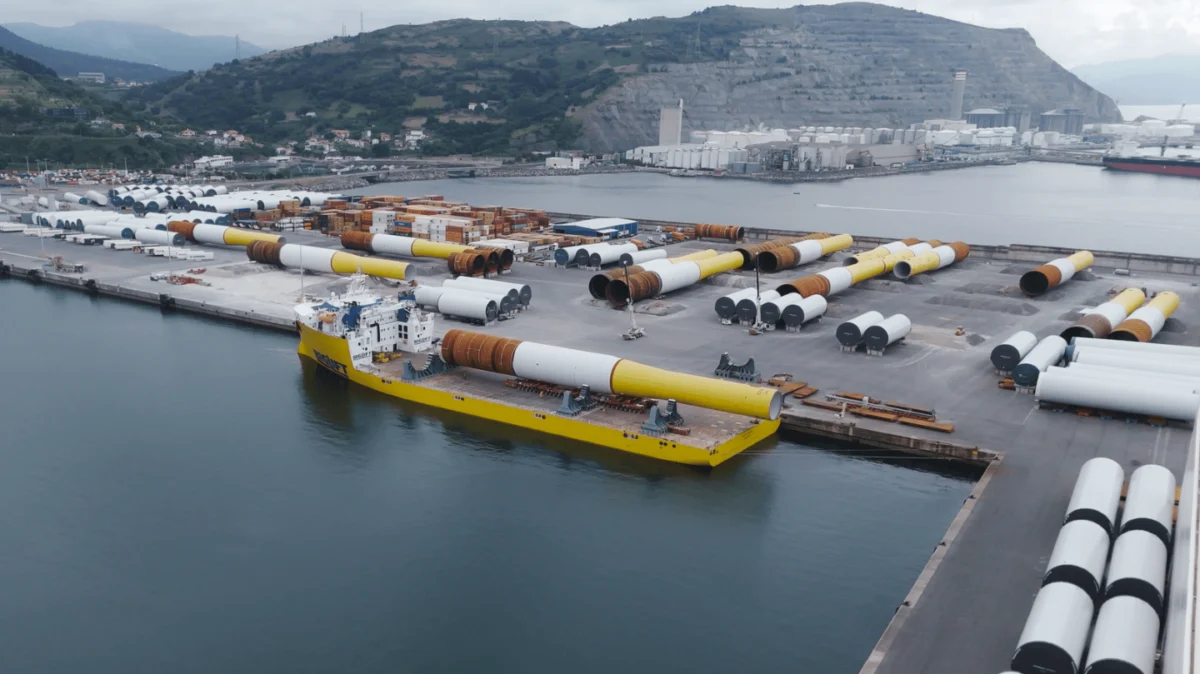
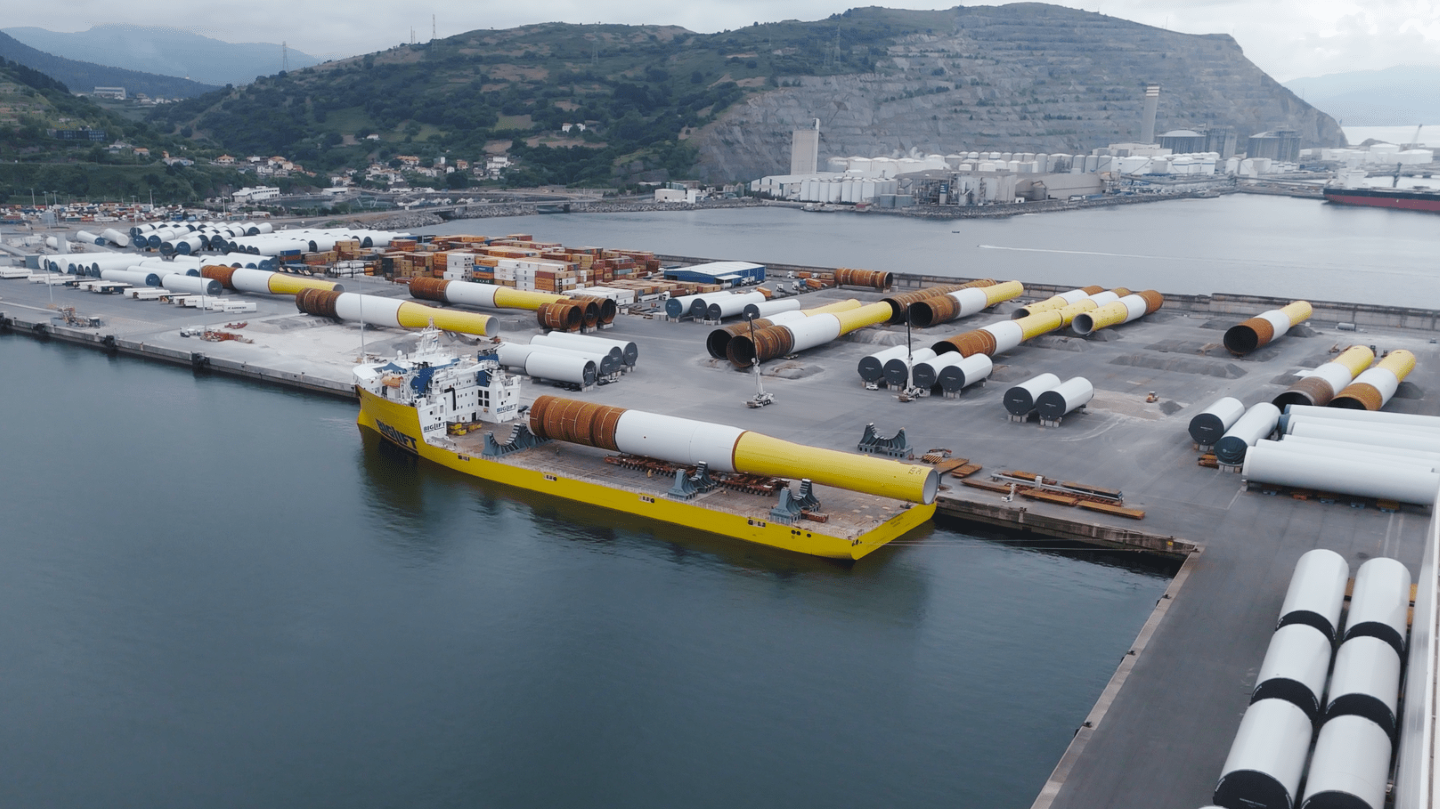
However, such an ambitious project requires infrastructure of an unprecedented magnitude. To support the massive 15MW-plus wind turbines required for the project, Ørsted—the lead developer—has turned to Haizea Wind Group to supply the foundation structures. Recently, the Spanish manufacturer completed the delivery of the largest monopiles ever produced in southern Europe, marking a triumph of industrial logistics and structural engineering. These massive steel foundations, which serve as the "anchor" for wind turbines in the turbulent North Sea, are 11 meters in diameter, exceed 105 meters in length, and weigh over 2,300 tonnes each.
Chronology: From Bilbao to the North Sea
The successful deployment of these foundations is the result of years of meticulous planning and international cooperation.
- Facility Expansion (2022–2024): Recognizing the increasing demand for larger turbine components, Haizea Wind Group invested heavily in its Port of Bilbao facility. The expansion included upgrading its 200,000m² site to accommodate the production of components for turbines exceeding 15MW. The site now boasts six high-capacity production halls and specialized storage facilities.
- Production Phase (2025): Throughout 2025, the facility operated at peak capacity, utilizing advanced welding and rolling technologies to manufacture the record-breaking monopiles.
- The Logistics Operation (Early 2026): Moving components of this size required a multi-firm logistics strategy. Grúas Aguado managed the intricate port-side preparation, while Mammoet—a global leader in heavy lifting—deployed self-propelled modular transporters (SPMTs) to shift the 2,300-tonne structures.
- The First Installation (May 2026): Cadeler, the firm responsible for the load-out and installation, successfully installed the first fully commissioned monopile foundation at the Hornsea 3 site, marking the transition from manufacturing to active construction.
- Completion of Delivery (August 2026): Haizea Wind Group finalized the delivery of the remaining monopiles, ensuring the project remains on schedule for its target operational date.
Supporting Data: The Anatomy of a Titan
To understand the complexity of the Hornsea 3 project, one must look at the data underpinning these monopiles. Each foundation is a feat of material science. The 11-meter diameter is designed to provide structural stability in the deep, often high-velocity waters of the North Sea, where wind speeds can be extreme.
The manufacturing process at the Port of Bilbao is currently unique in Spain; Haizea Wind Group is the only facility in the nation capable of producing structures of this massive scale. With a workforce of more than 900 employees, the facility is a cornerstone of the European wind energy supply chain.
The logistical chain is equally impressive. The coordination between Grúas Aguado, Cadeler, and Mammoet demonstrates the "industrial ecosystem" required to build modern offshore wind farms. Every centimeter of movement for a 2,300-tonne component is calculated using precision sensors and specialized hydraulic equipment, ensuring that the structural integrity of the steel remains uncompromised during transit.
Official Perspectives: Building a Sustainable Future
While Ørsted has been tight-lipped regarding the specific financial contracts, the company has consistently emphasized the necessity of these large-scale foundations in achieving the UK’s Net Zero targets. By utilizing larger turbines and, consequently, larger monopiles, the project reduces the total number of foundations needed, thereby minimizing the environmental impact on the seabed and improving the project’s overall cost-efficiency.
Industry analysts suggest that the success of the Hornsea 3 supply chain serves as a blueprint for future North Sea projects. By centralizing production in massive coastal facilities like Bilbao and utilizing specialized installation vessels like those operated by Cadeler, developers are successfully navigating the "scale-up" problem that has historically plagued offshore wind energy.
Implications for the Global Energy Transition
The delivery of these monopiles holds significant implications for the future of the offshore wind sector:
1. The Scaling of Wind Turbines
The shift toward 15MW-plus turbines is no longer theoretical. The successful installation of these foundations proves that the industry has successfully scaled its manufacturing and installation capabilities to match the growth in turbine size. As turbines continue to grow in capacity, the "Haizea model"—large, port-based manufacturing hubs—will likely become the standard.
2. Supply Chain Resilience
The European wind industry has faced significant headwinds regarding supply chain bottlenecks. By investing in the Port of Bilbao, Haizea Wind Group has helped alleviate some of this pressure. The project proves that with the right infrastructure investments, European manufacturers can maintain a competitive edge in a market that is increasingly contested by global players.
3. UK Energy Security
Hornsea 3 is a critical component of the UK’s energy strategy. By providing power to 3.3 million homes, the farm contributes significantly to reducing the UK’s reliance on imported fossil fuels. The reliability of the supply chain—demonstrated by the timely delivery of these massive foundations—is a major victory for the UK government’s renewable energy targets.
4. Setting the Global Standard
Haizea Wind Group’s portfolio—which includes major projects like Dogger Bank, Hollandse Kust Zuid, and Hornsea Two—establishes the company as a global authority in foundation manufacturing. As other nations in Asia and the Americas begin to develop their own offshore wind sectors, the methodologies developed during the Hornsea 3 project will serve as a global benchmark for engineering excellence.
Conclusion: Engineering the Horizon
The Hornsea 3 offshore wind farm is more than just a collection of turbines; it is an engineering marvel that signifies the maturity of the renewable energy sector. The monopiles manufactured by Haizea Wind Group stand as a testament to human ingenuity—massive steel pillars that will support the backbone of the UK’s future power grid.
As the project continues to advance toward full operation, the lessons learned from the manufacture, transport, and installation of these components will undoubtedly influence the next decade of offshore energy development. With the North Sea serving as a proving ground for the latest in wind technology, the success of Hornsea 3 is a vital step toward a future where clean, infinite, and reliable energy is not merely a goal, but a reality.
The collaboration between Haizea Wind Group, Ørsted, Cadeler, and their logistical partners underscores a fundamental truth about the energy transition: it is a collective, industrial undertaking. By combining advanced manufacturing, sophisticated logistics, and visionary project management, the industry is proving that it has the capacity to meet the world’s growing energy needs while simultaneously safeguarding the environment for generations to come.
As we look toward the final commissioning of Hornsea 3, we do so with the knowledge that the technical hurdles of the past have been cleared, paving the way for even larger, more efficient, and more sustainable offshore energy projects in the years ahead.