In a significant move that underscores the shifting landscape of the American renewable energy sector, Inox Solar Americas has finalized a major supply agreement to provide 767MW of high-performance photovoltaic (PV) modules to a leading US-based renewable energy developer and independent power producer (IPP). The deal, which focuses on three utility-scale projects spread across North Carolina and Texas, marks a pivotal moment for domestic solar manufacturing, highlighting the industry’s increasing emphasis on supply-chain traceability, regulatory compliance, and long-term bankability.
The unnamed customer, a key player in the development, financing, and operation of utility-scale solar and energy storage assets, selected Inox Solar Americas based on its commitment to US-manufactured components and its robust compliance with stringent federal trade and energy policies.
Main Facts: The Scope of the Agreement
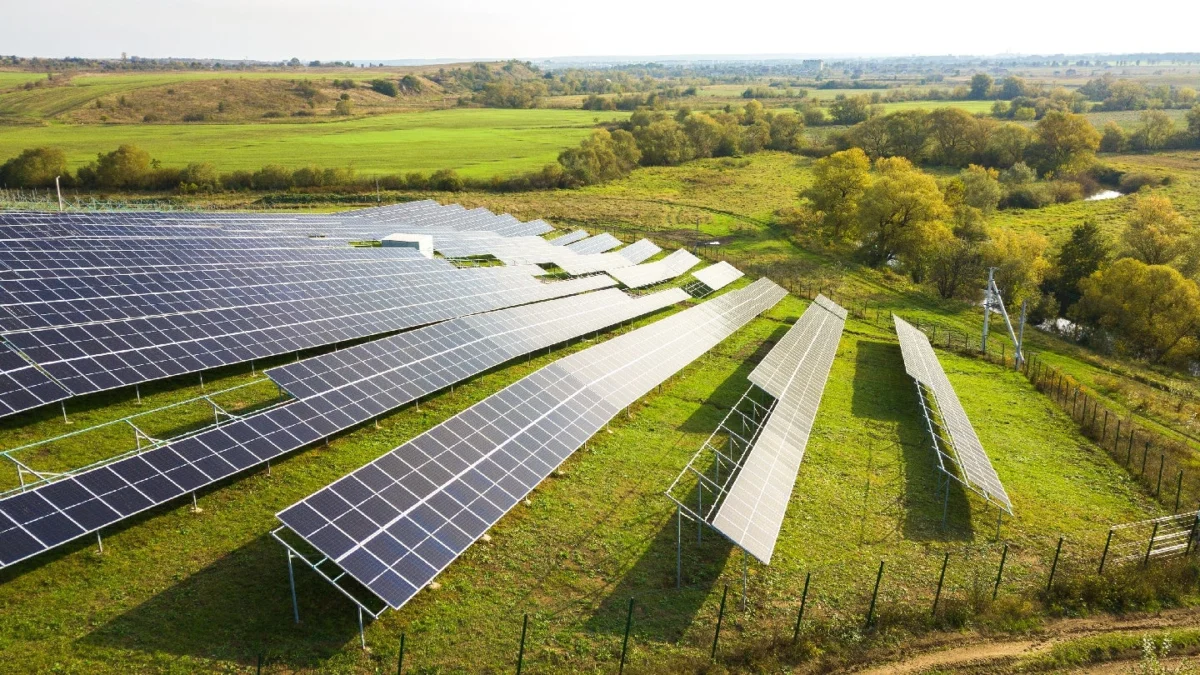
The supply contract, which is set to commence deliveries in 2027, covers a total capacity of 767MW. This capacity will be distributed across three distinct utility-scale solar farms, reflecting the growing appetite for large-scale energy projects in the Southern and Southeastern United States.
- Project Distribution: The 767MW will be partitioned into three individual sites: a 71MW facility, a 102MW installation, and a massive 594MW solar park.
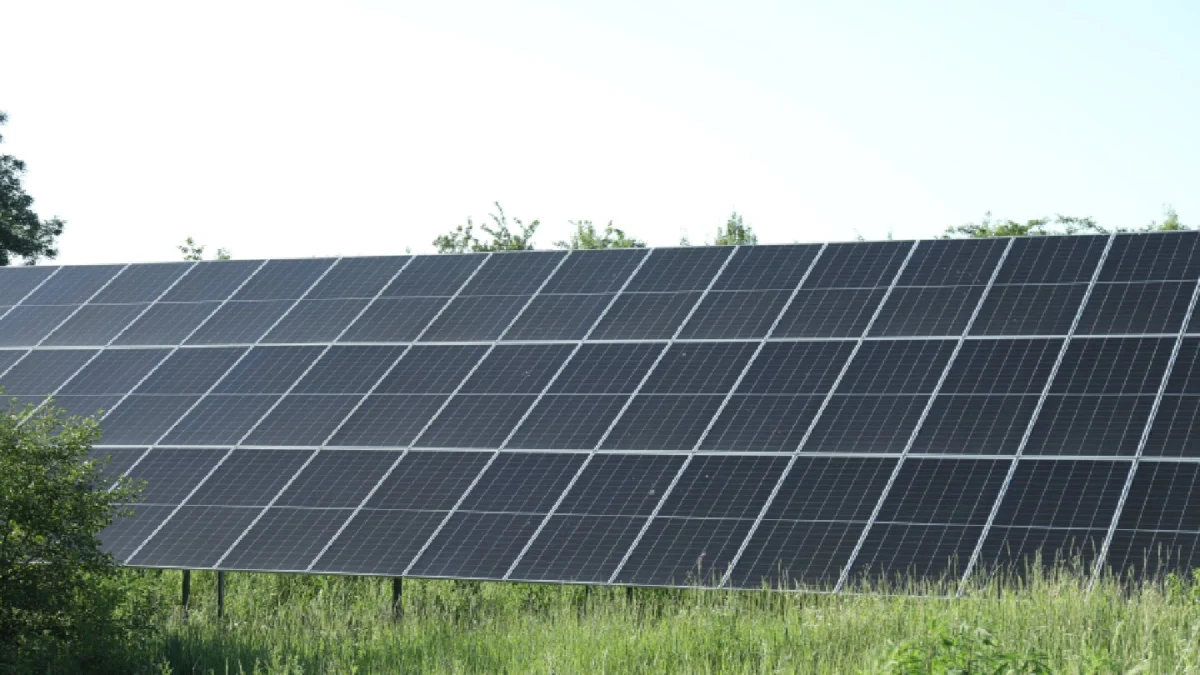
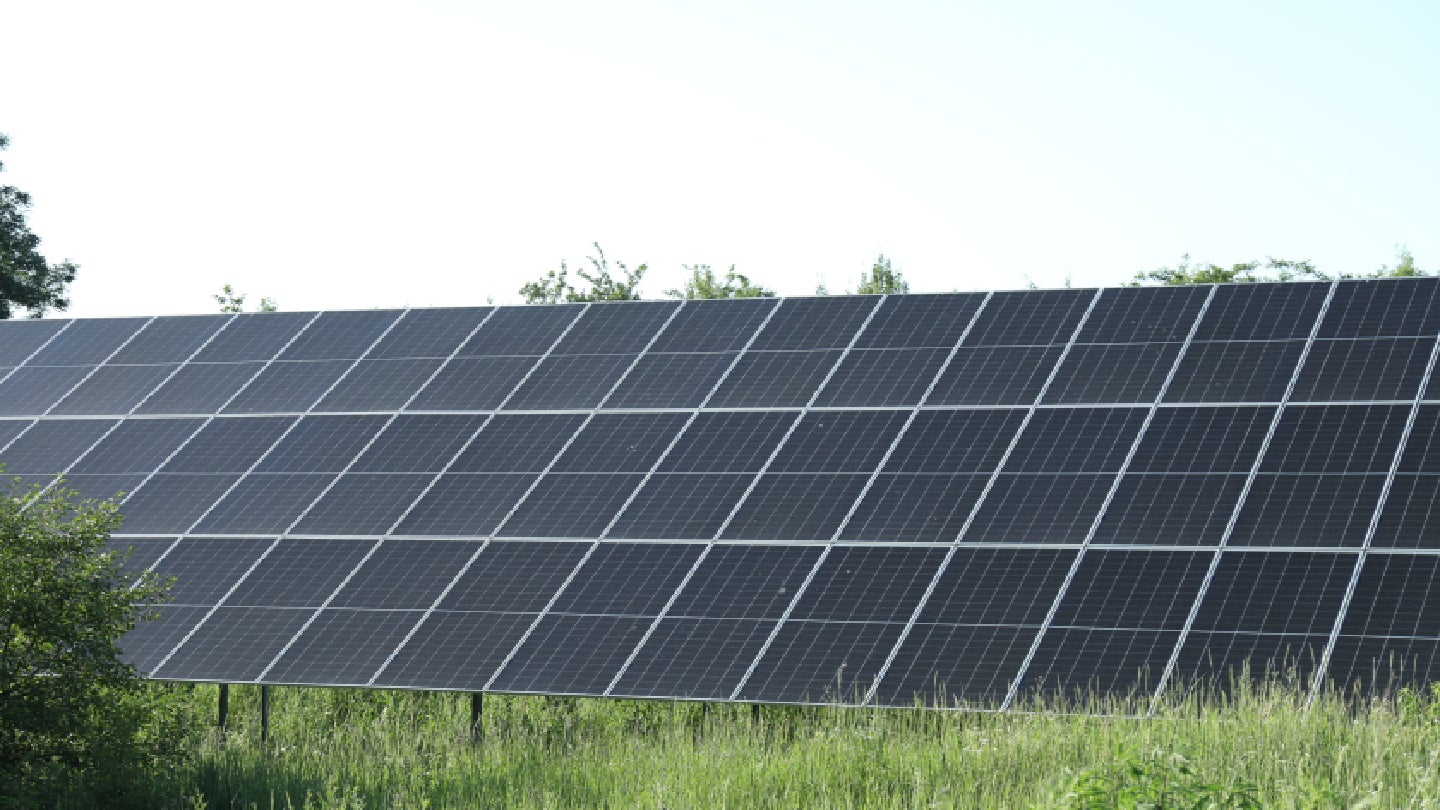
- Technological Foundation: The projects will utilize Inox Solar Americas’ proprietary "Vega Series" bifacial modules. These modules are engineered for maximum efficiency, incorporating advanced Galaxion N-Type PV cells available in both single-glass and dual-glass configurations.
- Domestic Focus: By manufacturing these modules within the United States, Inox Solar Americas is positioning itself as a strategic partner for developers looking to maximize domestic content incentives—a crucial factor under the current US energy tax credit framework.
Chronology of Development and Delivery
The road to this 767MW contract has been defined by a meticulous approach to supply chain security and manufacturing readiness. As the US solar market moves toward 2027, the timeline for this deployment reflects the long-term planning inherent in major infrastructure projects.
- Late 2024–2025 (Strategic Planning): Inox Solar Americas focused on hardening its domestic supply chain, ensuring that every component—from wafers to the final assembly—aligns with the "Foreign Entity of Concern" (FEOC) guidelines and other trade compliance standards.
- 2026 (Manufacturing Ramp-Up): The company expanded its domestic manufacturing capacity, gearing up for the volume required to fulfill this massive order without compromising on quality or traceability.
- 2027 (The Delivery Phase): The calendar year 2027 serves as the primary window for project mobilization. Deliveries will be phased to align with the construction schedules of the three sites in North Carolina and Texas, ensuring a steady stream of modules for the balance-of-system (BOS) integration.
- Post-2027 (Operational Lifecycle): Following installation, Inox Solar Americas will provide long-term customer support, ensuring that the Vega Series modules perform at peak capacity throughout the project’s expected 25-to-30-year operational life.
Supporting Data: Why the Industry is Shifting
The decision to award this contract to Inox Solar Americas is not merely about price; it is a response to the "new normal" of the US solar industry, where risk mitigation has become as critical as electricity generation.
The Rise of Domestic Content
Under the Inflation Reduction Act (IRA), solar developers are incentivized to utilize modules that meet specific domestic content requirements. By choosing a manufacturer with a strong US-based production footprint, the IPP is better positioned to qualify for "bonus" tax credits, which can improve the internal rate of return (IRR) for these utility-scale projects by several percentage points.
Supply-Chain Transparency as a Risk Factor
In recent years, the solar industry has faced intense scrutiny regarding the origin of components. Regulatory requirements concerning forced labor, environmental standards, and the aforementioned FEOC rules have forced developers to be hyper-vigilant. Inox Solar Americas has addressed this by:
- Tighter Supplier Qualification: Implementing rigorous audit processes for all upstream material providers.
- Greater Visibility: Leveraging blockchain or sophisticated tracking systems to provide a "paper trail" for every cell and module produced.
- Domestic Sourcing: Reducing reliance on global logistics chains that are susceptible to geopolitical volatility.
Technical Performance
The Vega Series bifacial modules represent the current state-of-the-art in utility-scale PV. Bifacial technology, which captures sunlight on both sides of the panel, is particularly effective in large, ground-mounted installations where ground albedo (reflection) can be optimized. The use of Galaxion N-Type cells further enhances efficiency, offering lower degradation rates over time compared to traditional P-Type cells.
Official Responses and Strategic Vision
Ashok Nair, President and CEO of Inox Solar Americas, characterized the agreement as a validation of the company’s long-term business model.
"Our customers are looking beyond module performance to domestic content, supply-chain transparency, regulatory compliance, product reliability, and long-term bankability," Nair stated during the announcement. "This agreement demonstrates our ability to meet these priorities with reliable, high-performance PV modules manufactured in the US."
Nair’s comments highlight a fundamental shift in the solar procurement process. In the past, "cost per watt" was the sole arbiter of success. Today, the "cost of compliance"—the risk that a project could be stalled or disqualified due to non-compliant components—has become a primary driver for decision-makers. By offering a "compliance-ready" product, Inox Solar Americas has effectively hedged the regulatory risks for its client.
Implications for the Future of US Solar
This 767MW contract has significant implications for the broader renewable energy market.
Setting a Benchmark for Developers
The collaboration sets a new benchmark for how IPPs should evaluate suppliers. By prioritizing a manufacturer that integrates directly into the US industrial ecosystem, the developer is insulating its assets against future trade shocks. This sets a precedent for upcoming project auctions, where lenders and investors will likely demand similar levels of traceability and domestic manufacturing commitment.
Impact on Domestic Manufacturing
The scale of this order—nearly a gigawatt—provides the necessary volume for Inox Solar Americas to achieve economies of scale, further lowering the cost gap between US-made modules and their international counterparts. As these facilities continue to operate, the "multiplier effect" on the US economy—including job creation in manufacturing, logistics, and site engineering—will strengthen the case for further government support of the domestic solar sector.
A Template for Large-Scale Deployment
The geographic diversity of the project (North Carolina and Texas) showcases the versatility of the Vega Series. These states represent different regulatory environments and climates, yet both are central to the US energy transition. The success of this project could serve as a pilot for similar large-scale deployments across the Midwest and the Desert Southwest.
The Role of Bankability
Perhaps the most significant takeaway is the emphasis on "long-term bankability." For projects that are financed over 20 years, the supplier must be able to guarantee warranty support and technical reliability for the duration of the debt. By proving its financial stability and its commitment to the US market, Inox Solar Americas has signaled to the financial community that it is a permanent fixture in the renewable landscape.
Conclusion
The 767MW supply deal between Inox Solar Americas and its unnamed IPP partner is a testament to the maturation of the US solar market. As the sector moves toward 2027, the focus is clearly shifting toward sustainability in its truest sense: economic, regulatory, and technical sustainability.
By delivering high-performance, domestically manufactured modules that meet the highest standards of transparency and compliance, Inox Solar Americas is not just selling hardware; it is providing a cornerstone for a more resilient and secure energy grid. As the industry watches these projects break ground in North Carolina and Texas, the success of the Vega Series will likely serve as a harbinger for the future of utility-scale solar in the United States.