The energy transition in Northern Europe has reached a significant inflection point. RWE, one of the world’s leading renewable energy developers, has officially announced that the first turbine at its Nordseecluster A offshore wind farm has successfully delivered electricity to the German national grid. This achievement marks a pivotal step in the development of the broader 1.6GW Nordseecluster project, a massive infrastructure undertaking located in the German North Sea, approximately 50km north of the island of Juist.
As Germany intensifies its efforts to phase out fossil fuel reliance and bolster its industrial decarbonization strategy, the Nordseecluster stands as a cornerstone of the nation’s renewable energy ambitions. The project is not merely an engineering feat; it is a strategic asset designed to secure the long-term energy independence of the German economy.
The Core Facts: A New Pillar of German Wind Power
The Nordseecluster project is divided into two distinct phases: Nordseecluster A and Nordseecluster B. The current milestone concerns Phase A, which is slated to provide 660MW of clean, sustainable energy once fully operational.
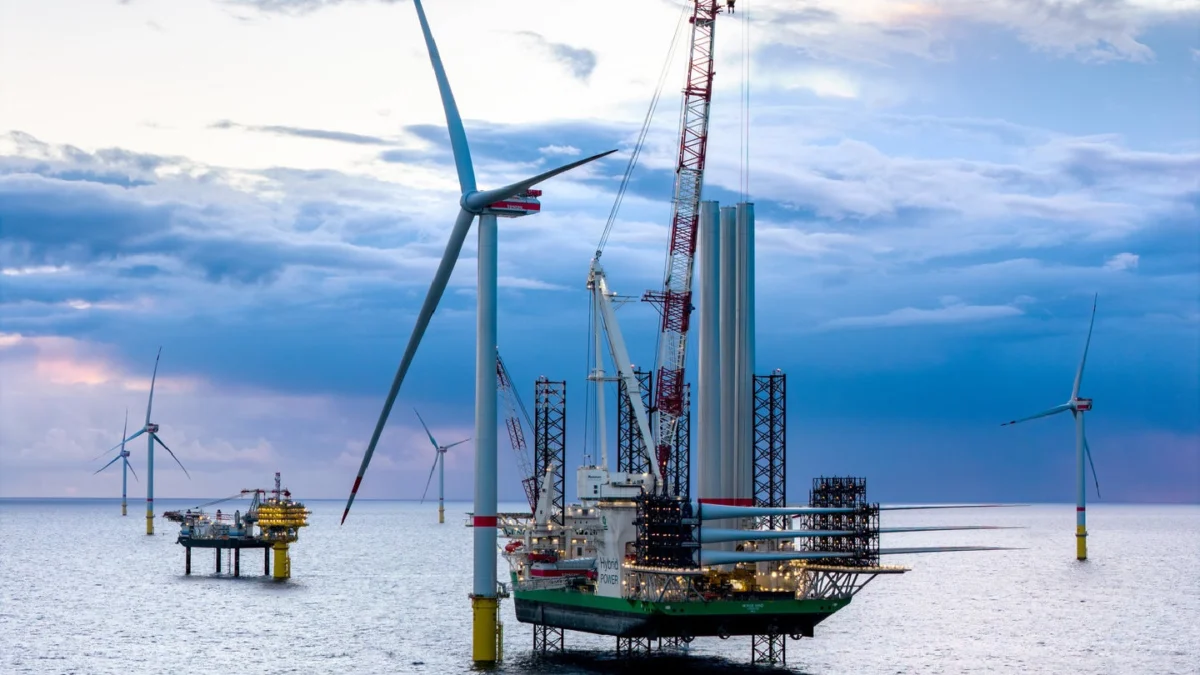
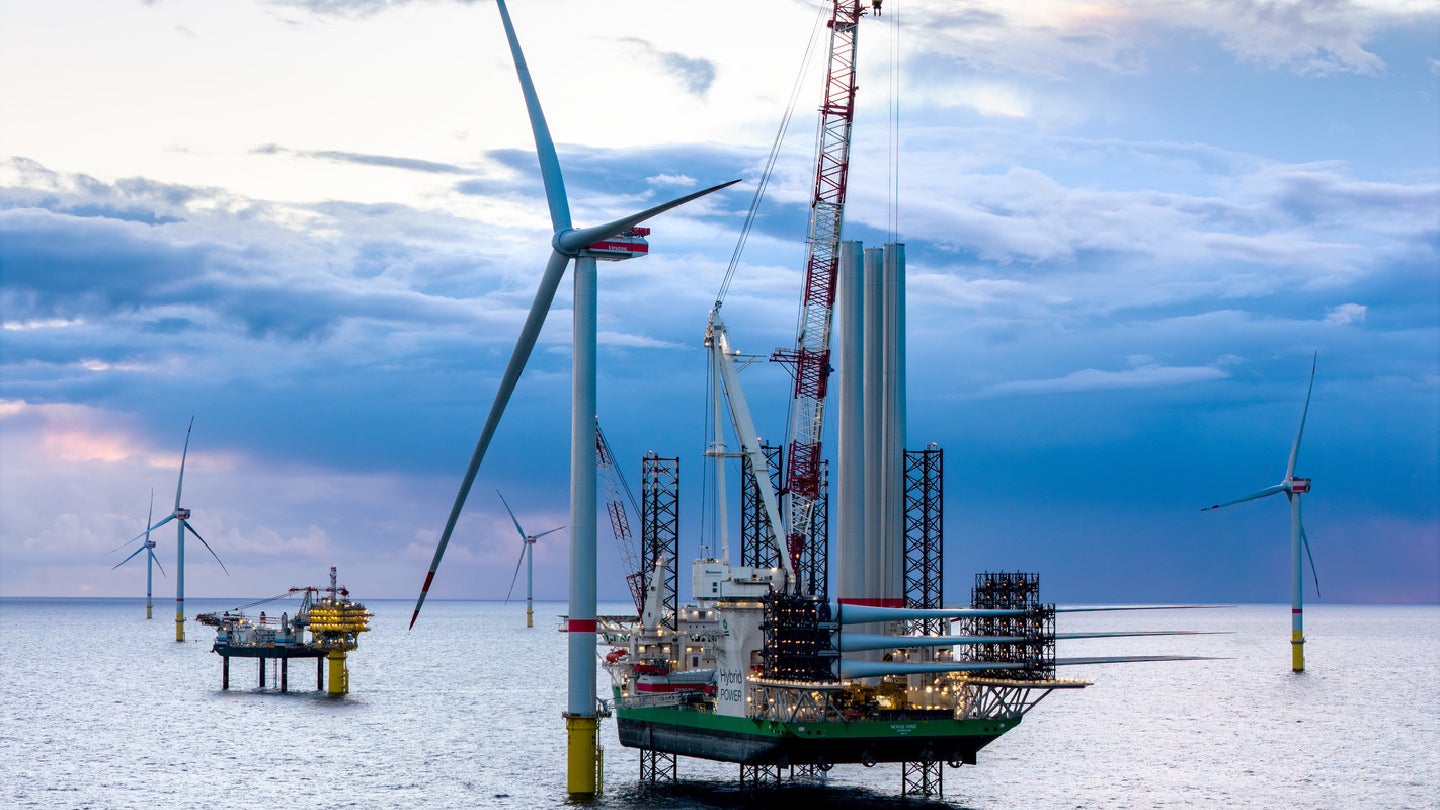
The installation process, which began in earnest last month, utilizes the high-specification installation vessel Norse Wind, operated by DEME. The current scope involves the deployment of 44 advanced Vestas wind turbines. As these units are erected, they undergo a rigorous, incremental testing and commissioning process to ensure grid stability and mechanical integrity before being permanently integrated into the transmission network.
Electricity generated at the site follows a sophisticated path: energy flows from the individual turbines to two dedicated offshore substations. Within these hubs, the electricity is converted to the required transmission voltage, ensuring it can be transported efficiently via the grid operator’s converter stations to the mainland. The dual-substation configuration is a necessity dictated by the project’s two separate grid connection points, ensuring redundancy and operational flexibility.
Chronology of Development: From Concept to Current Flow
The journey of the Nordseecluster is a testament to meticulous planning and large-scale industrial coordination.
- Project Inception and Partnership: The project was solidified through a strategic partnership between RWE, which holds a majority 51% stake, and Norges Bank Investment Management, which maintains a 49% interest. This collaborative structure leverages RWE’s deep technical expertise in offshore construction with the financial backing of a global institutional investor.
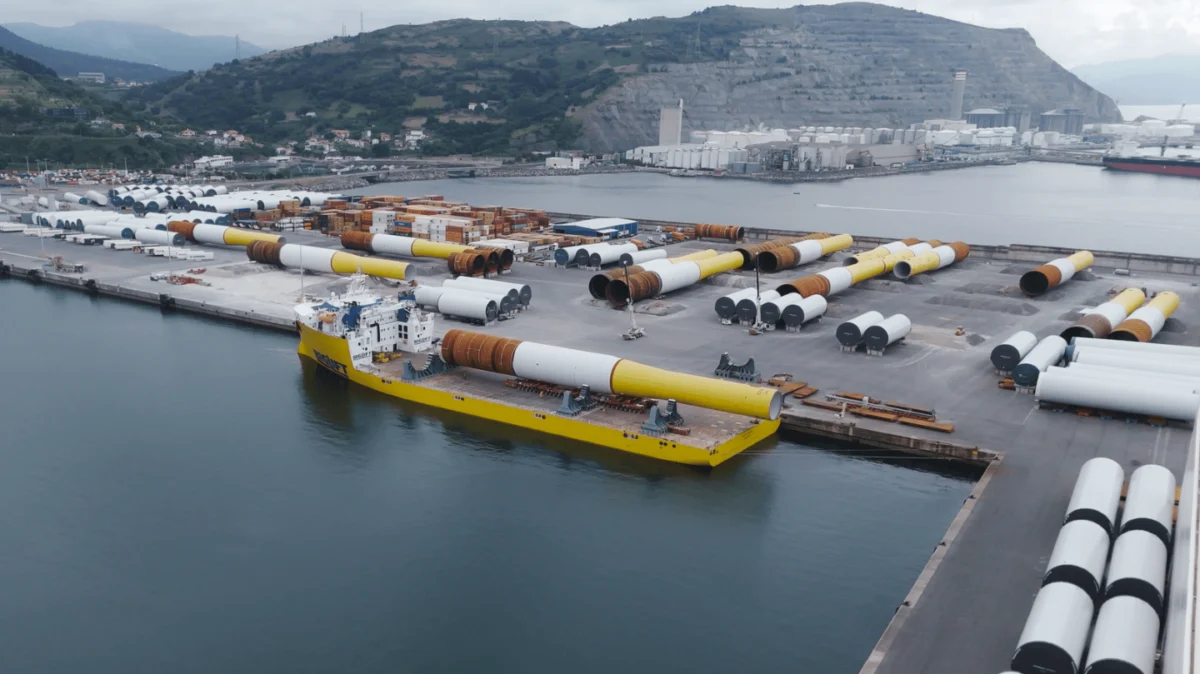
- Early Construction Phases: Following the final investment decisions and the securing of necessary permits, the supply chain was activated. Foundations and specialized components were manufactured across Europe, with Vestas tapped to provide the turbines for both phases.
- The Installation Campaign: The arrival of the Norse Wind vessel marked the transition from onshore fabrication to offshore installation. The successful erection of the first turbine and the subsequent synchronization with the grid occurred in mid-2026.
- Phase A Completion Target: RWE is currently operating on a tight, disciplined schedule, with full grid integration and commercial operation of the 660MW Nordseecluster A expected by early 2027.
- Phase B Outlook: Looking ahead, the focus will shift toward the 900MW second phase. Foundation installation for this stage is scheduled to commence in 2027, with the installation of 60 additional Vestas turbines planned for 2028. Full commercial operation for the entire 1.6GW cluster is targeted for early 2029.
Supporting Data and Engineering Specifications
The sheer scale of the Nordseecluster project warrants closer examination of the figures involved. Once completed, the cumulative capacity of 1.6GW will position it as one of the largest offshore wind hubs in the North Sea.
Performance Metrics
- Total Projected Output: The combined wind farms are expected to generate approximately 6.5 terawatt-hours (TWh) of electricity annually. This volume is sufficient to power the equivalent of hundreds of thousands of German households while supporting the energy-intensive needs of the German industrial heartland.
- Technological Scale: With 44 turbines in Phase A and 60 in Phase B, the project represents an investment in high-efficiency turbine technology. These machines are designed to withstand the harsh conditions of the North Sea while maximizing energy capture through advanced aerodynamics and optimized power electronics.
- Grid Infrastructure: The project’s reliance on dual offshore substations highlights the complexity of modern offshore wind integration. These stations act as the vital bridge between the volatile wind resource and the stable requirements of the national grid, utilizing advanced power conversion technology to minimize transmission losses.
Official Responses: Strategic Vision and Operational Pride
The milestone was met with optimism from RWE’s leadership, who view the project as a validation of the company’s long-term renewable strategy.
Sven Utermöhlen, CEO of RWE Offshore Wind, emphasized the importance of the project in the context of European energy security. "The Nordseecluster is RWE’s largest offshore wind project currently under construction," Utermöhlen stated. "It is progressing exactly as planned, with the first turbine now generating electricity and feeding power into the German grid."
He further highlighted the human and logistical effort involved: "This milestone showcases the exceptional performance of our teams and supply chain partners. Once fully operational, this 1.6GW project will make an important contribution to Germany’s energy security while helping to decarbonize the industry."
For RWE, the Nordseecluster is not just a collection of turbines; it is a flagship of their "Growing Green" strategy. By maintaining operational management across the project’s entire lifespan, RWE is ensuring that the facility remains an efficient, long-term contributor to the energy transition.
Implications for the German Energy Market
The successful commissioning of the first turbine at Nordseecluster A carries profound implications for Germany’s energy landscape.
1. Strengthening Energy Security
In the wake of the global energy crisis of recent years, Germany has prioritized the rapid expansion of domestic renewable sources. By bringing 1.6GW of capacity online in the North Sea, the project helps reduce dependency on imported fossil fuels, creating a more resilient and autonomous energy mix.
2. Decarbonization of Industry
The German industrial sector—often referred to as the Mittelstand and large-scale manufacturing—requires vast amounts of reliable, carbon-neutral electricity to remain competitive in a world transitioning to "green steel" and "green chemicals." The Nordseecluster provides a significant injection of clean power that will help these industries reach their net-zero targets without sacrificing productivity.
3. Supply Chain Confidence
The fact that RWE and its partners have successfully moved from foundation to grid-feed on schedule sends a positive signal to the broader offshore wind market. It demonstrates that despite inflationary pressures, supply chain bottlenecks, and logistical challenges, the European offshore wind industry has the capacity to execute large-scale, complex infrastructure projects.
4. Future-Proofing the Grid
The dual-point connection architecture of the Nordseecluster provides a template for future offshore projects. By investing in robust grid connectivity now, the project developers are ensuring that the North Sea remains the "powerhouse of Europe," capable of scaling up as more wind farms are added in the coming decade.
Conclusion: A Benchmark for the Future
As the Norse Wind continues its work in the North Sea, the successful integration of the first Nordseecluster turbine stands as a landmark achievement. It represents the convergence of high-level engineering, financial collaboration, and a clear-eyed political mandate for a greener future.
With Phase A tracking toward a 2027 completion and Phase B already in the procurement and manufacturing stages, the project provides a clear roadmap for the next three years of growth. As these 104 total turbines eventually spin in unison, they will do more than just produce electricity—they will anchor the next generation of Germany’s energy independence, proving that the scale required for total decarbonization is not only possible but is already being built on the seabed of the North Sea.