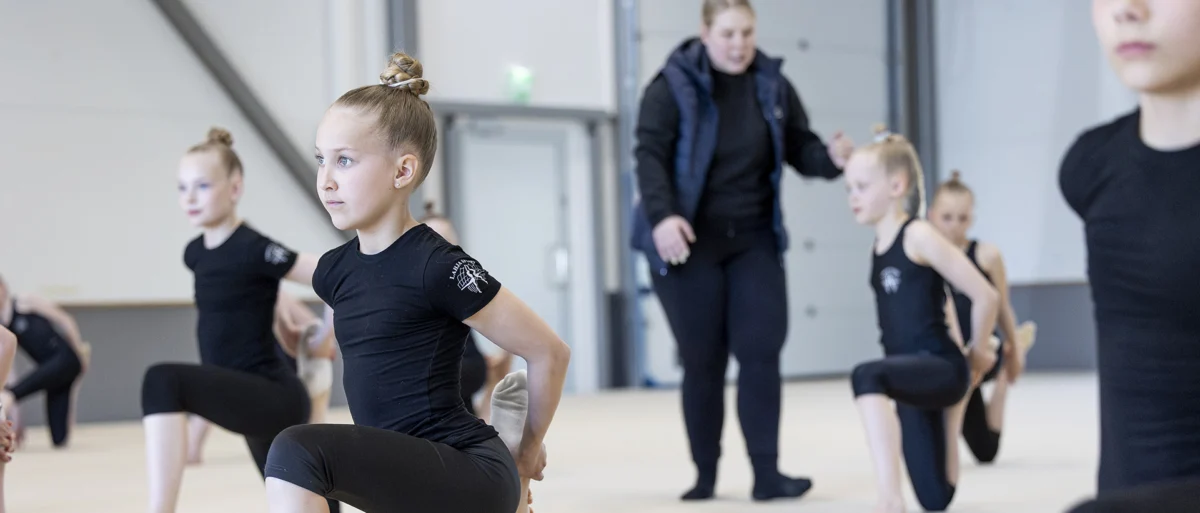
In an era where sedentary lifestyles and early specialization threaten the long-term well-being of young athletes, Finnish gymnastics club Lahja Sport has emerged as a beacon of reform. By rethinking the "gymnast’s path," the club is successfully combating the societal challenges of physical inactivity and the premature burnout of young sports participants. Their model, which prioritizes holistic development, individual flexibility, and open communication, serves as a blueprint for how organized sports can adapt to the needs of modern children.
The Core Philosophy: Flexibility as a Foundation
At the heart of Lahja Sport’s mission is the belief that high-level athletic achievement does not have to come at the expense of a well-rounded childhood. While the club is known for its competitive excellence, its internal structure is designed to accommodate a spectrum of commitment levels.
"We have built our activities to respond directly to the challenge of children’s diminishing physical activity," explains Karita Aalto, the club’s coaching manager. "We understand that not every child aspires to be an Olympian, and forcing early specialization is counterproductive to both physical health and psychological development."
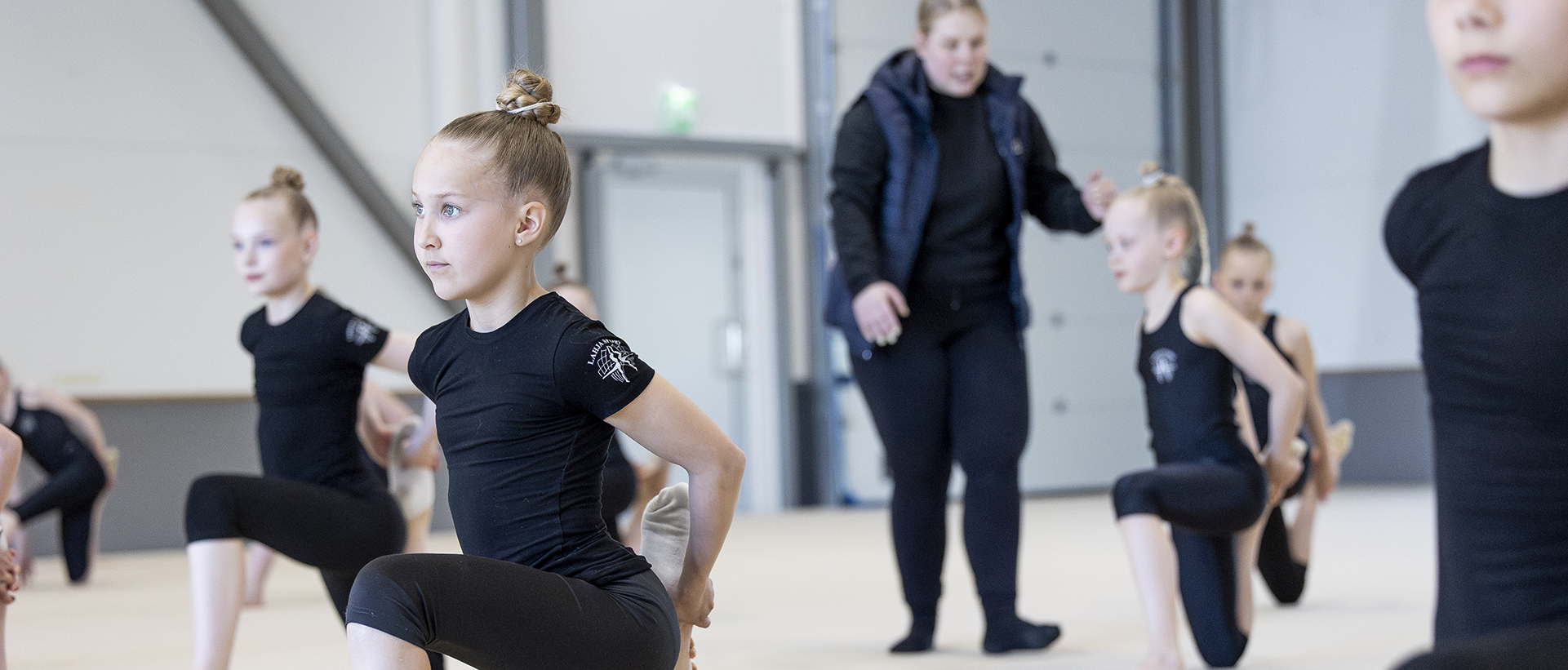
The club’s "Gymnast’s Path" is organized into two-year age brackets. Within these brackets, families can choose between various tiers of intensity—ranging from highly competitive paths to more moderate, recreational options. This modular approach allows for flexibility in both time commitment and financial investment, ensuring that the sport remains accessible as a child’s interests and life circumstances evolve.
Chronology of a Transformation
The shift at Lahja Sport did not happen overnight. It was a multi-year effort to align the club’s operational reality with the broader, evolving standards of the Finnish Gymnastics Federation.
- Initial Assessment: Recognizing that traditional, rigid training structures were leading to high attrition rates, the club leadership began auditing their pedagogical approach.
- The Pilot Phase: The club introduced the concept of "age-bracketed paths," allowing for individual tailoring within larger groups.
- Integration of Feedback Loops: The club moved away from top-down management, implementing structured "How are you?" (MiKu) surveys and feedback sessions, ensuring that the voice of the athlete remained central to the coaching strategy.
- Expansion of Partnerships: By incorporating the Aseman Lapset (Children of the Station) "Friends" tutoring program, the club expanded its focus from purely physical training to include emotional intelligence and self-awareness training.
The Athlete’s Perspective: A Voice in the Arena
For 11-year-old Kerttu Kankaanpää, the club’s approach has transformed the experience of training from a chore into a community-driven passion. Kankaanpää, who experimented with several sports before finding her home in gymnastics, emphasizes the social dimension of the sport.
"In gymnastics, something just felt right from the first session," Kankaanpää notes. "But the best part is definitely the team. We train hard, but we are also very close. I’ve made real friends here."
Crucially, Kankaanpää feels empowered to communicate her needs to her coaches. "We can request different types of stretches or warm-up games. At the end of the season, we get a survey where we can voice our wishes for the next term—things like team composition or training environments. It’s great to know that my opinion actually impacts how we train."
Supporting Data: Why the Model Works
The urgency of Lahja Sport’s model is supported by broader research into youth sports in Finland. Current data indicates a concerning trend: children are entering organized sports earlier, yet they are also dropping out earlier. This premature "professionalization" of childhood often results in a loss of interest and physical development gaps caused by repetitive, single-discipline training.
The Finnish Gymnastics Federation’s guidelines for children’s sports now emphasize:
- Safe Training Environments: Prioritizing physical and psychological safety over early performance.
- Controlled Training Volumes: Avoiding the overuse injuries associated with high-intensity training in prepubescent bodies.
- Cost Management: Keeping the barrier to entry low to ensure socio-economic diversity.
- Body Positivity: Promoting a healthy relationship with one’s own physical self.
By aligning with these pillars, Lahja Sport has not only retained more members but has also reported higher levels of engagement and athlete satisfaction.
Official Responses and Strategic Implications
The leadership at Lahja Sport, including Executive Director Kristiina Viikari, views the club’s role as that of an advocate. "We want to be the adults who listen," Viikari states. "We tell our members and their families that no one should be left to struggle alone with their thoughts. If something is bothering you, we want to know about it."
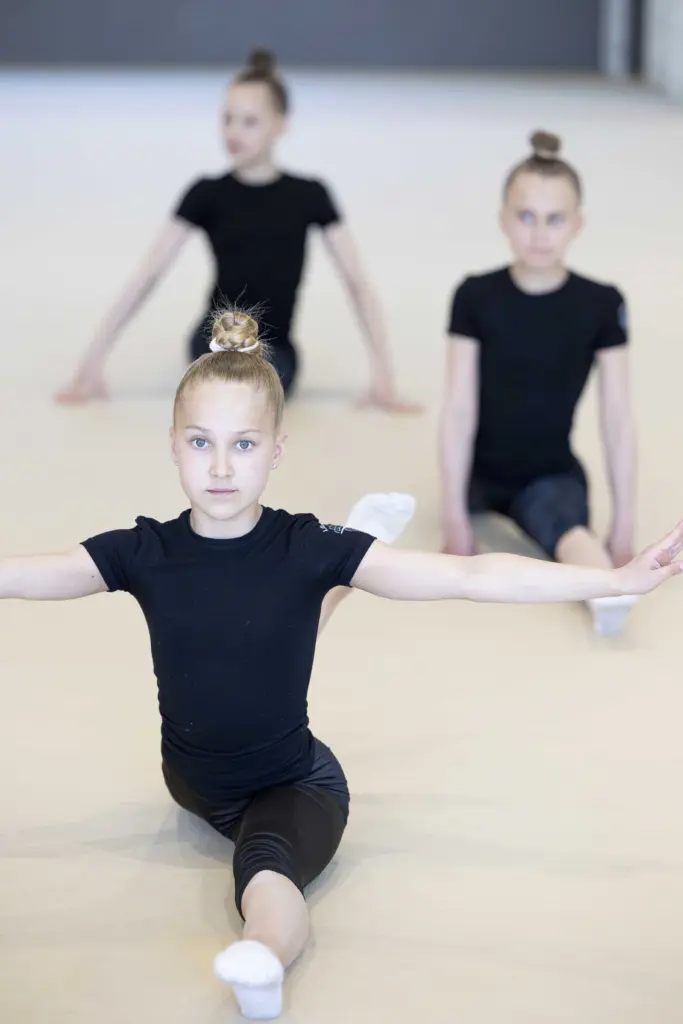
This commitment to an "open-line" culture is reflected in their administrative practices. From audio-message check-ins for the youngest members to monthly MiKu surveys for older athletes, the club has institutionalized empathy.
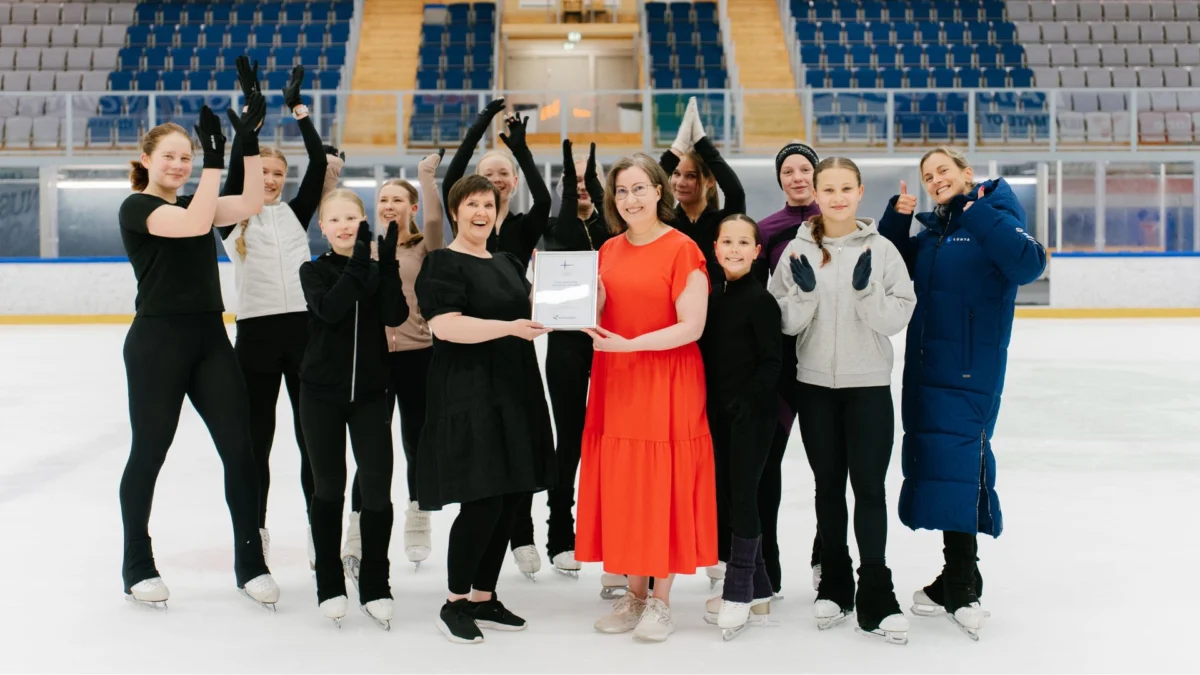
Liisa Lappalainen, Manager of Competence Development at the Finnish Gymnastics Federation, has lauded the club’s efforts. "When a club understands that short-term ‘wins’ do not build long-term sustainability, and that a healthy, positive everyday environment is the foundation for both durability and future success, they have grasped something truly significant," Lappalainen says.
Implications for the Future of Finnish Sports
The initiative by Lahja Sport is part of a larger, systemic shift involving the Finnish Olympic Committee and 40 different sports federations. The national consensus is clear: the current trajectory of youth sports is not sustainable.
- Combating Sedentary Trends: By encouraging multi-sport participation and avoiding early specialization, clubs can help children develop a broader range of motor skills, which leads to better long-term health outcomes.
- Redefining "Success": The focus is shifting from "winning at all costs" to "keeping them in the game." The goal is to ensure that children remain active well into their adult lives, regardless of whether they reach an elite professional level.
- Community Cohesion: By fostering an environment where children feel heard and valued, clubs like Lahja Sport are creating communities that extend beyond the training hall, providing vital social support networks.
Conclusion: A New Standard
Lahja Sport serves as a profound example of how a sports organization can function as more than just a training facility. By integrating emotional support, open communication, and a flexible training model, they are tackling the crisis of youth inactivity head-on.
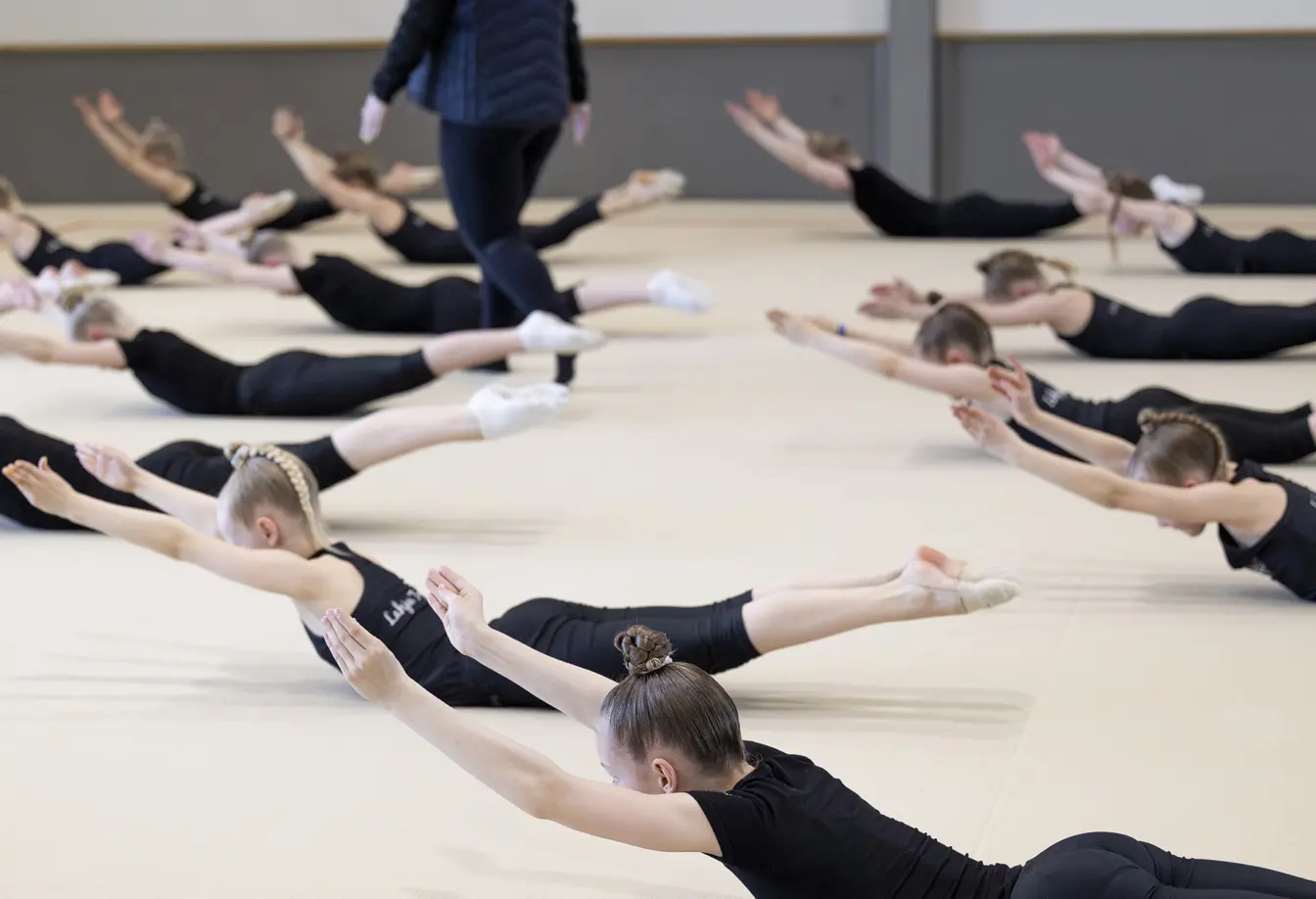
As the Finnish sports community continues to debate the future of youth athletic development, the lessons learned in the halls of Lahja Sport are clear: the future of sports is not just in the strength of the athlete, but in the strength of the community surrounding them. When children are given the agency to shape their own athletic journey, they do not just become better gymnasts—they become more resilient, self-aware, and active individuals ready to take on the challenges of the world.
For parents, coaches, and administrators, the takeaway is simple: listen to the athletes. Their voices are the most reliable metric of a club’s success. As Lahja Sport continues to refine its approach, it stands as a testament to the power of human-centric coaching in an increasingly performance-obsessed culture.