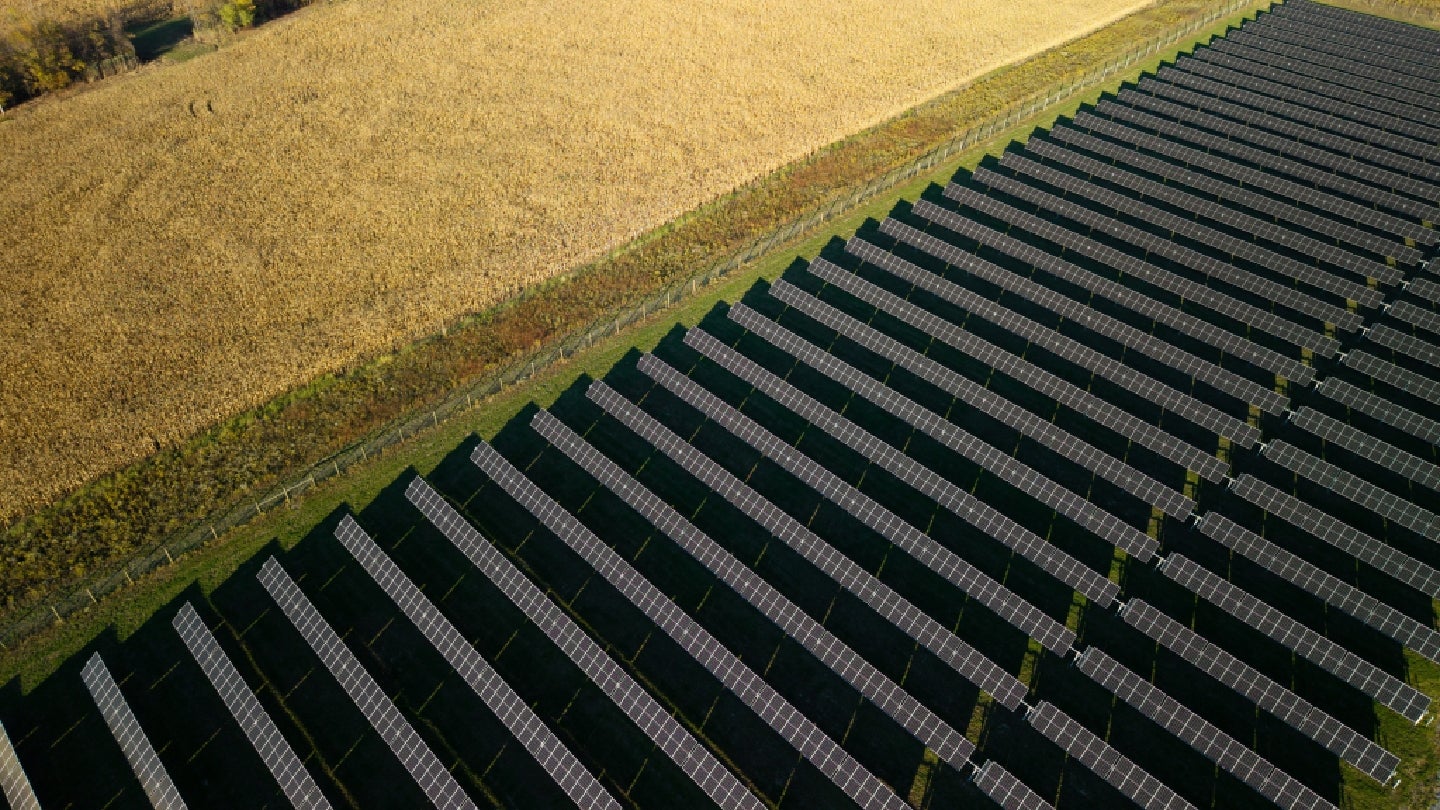
Arad, Romania – In a landmark development for the European renewable energy landscape, independent power producer (IPP) Rezolv Energy has officially received the final legal authorization to commence construction on the Dama Solar project. Located in the strategically vital Arad County of western Romania, the project is poised to redefine the continent’s renewable capacity. With an installed capacity of 1.2 gigawatts (GW), Dama Solar is projected to become the largest solar power plant in Europe upon its commissioning in 2028.
The authorization, granted by the Romanian Energy Regulatory Authority (ANRE), marks the culmination of an extensive planning phase and serves as a green light for what is arguably the most ambitious solar installation in the region’s history.
Main Facts: A New Benchmark for Renewable Capacity
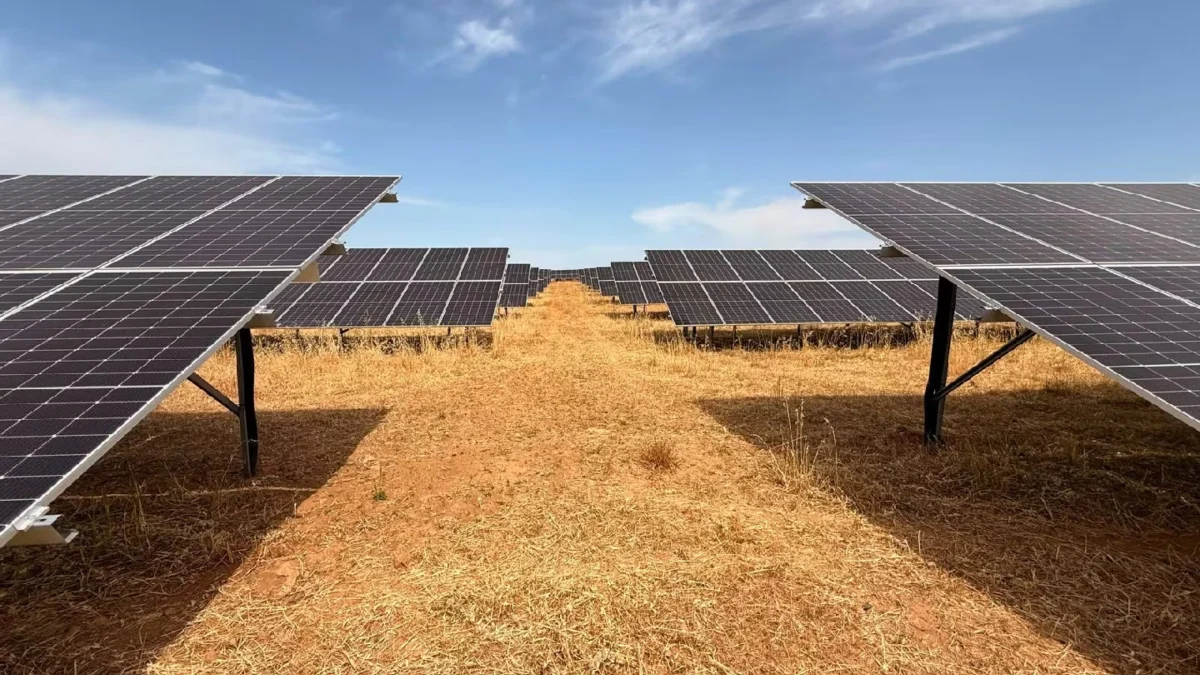
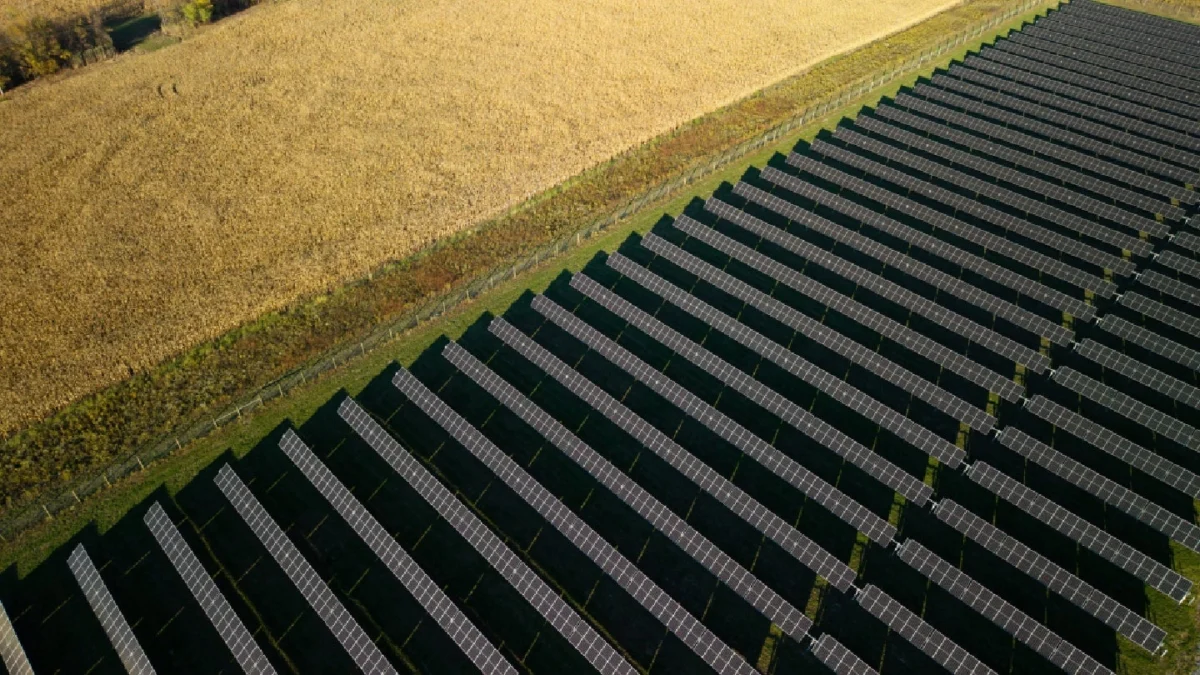
Dama Solar is not merely a utility-scale solar farm; it is a critical piece of infrastructure designed to bolster Romania’s energy security while contributing significantly to the European Union’s decarbonization targets. By leveraging cutting-edge photovoltaic (PV) technology and optimized plant architecture, Rezolv Energy has scaled the project to a massive 1.2GW.
The site, situated in the northwestern reaches of Arad County, was selected for its exceptional solar irradiance, flat topography, and proximity to the 400kV transmission ring. This location also offers vital grid interconnection points with Hungary, facilitating regional energy integration.
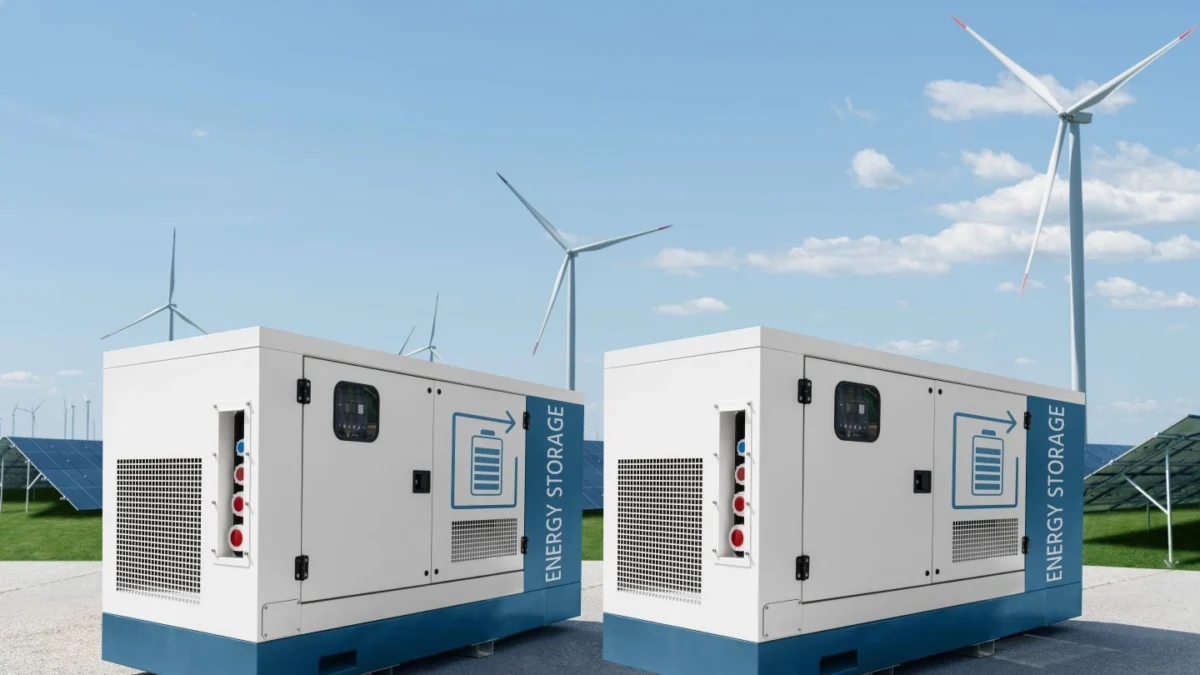
Beyond its sheer size, the project includes an integrated battery energy storage system (BESS). This addition is crucial, as it allows the facility to store excess energy during peak sunlight hours and dispatch it during periods of high demand, effectively mitigating the intermittent nature of solar power. The project is expected to provide enough clean electricity to power more than 280,000 households, potentially servicing the energy needs of nearly one million people.
Chronology of Development
The journey toward the Dama Solar project began with a rigorous site selection process that prioritized both environmental suitability and grid accessibility.
- 2025/Early 2026: Rezolv Energy identified the Arad County site, citing its favorable geographical position and proximity to the 400kV grid.
- Late 2025: Initial design phases were completed, followed by a period of optimization that saw the integration of the latest solar PV technological advancements.
- 2025 (Second Auction): The Romanian Ministry of Energy awarded two significant Contracts for Difference (CfD) to the project, providing the necessary financial framework to guarantee long-term price stability.
- August 2026: The Romanian Energy Regulatory Authority (ANRE) officially issued the setting-up authorization, clearing the path for physical construction.
- Upcoming Milestones: Rezolv is currently finalizing the procurement processes and securing the final financial close, with the project expected to reach full operational capacity by 2028.
This timeline stands in contrast to the rapid development of the company’s recent successes, such as the 225MW St. George solar park in Silistra, Bulgaria, which reached full operation in under three years from the acquisition of development rights.
Supporting Data and Technical Specifications
To understand the scale of Dama Solar, one must look at the technical data supporting its operation. The site is designed to be highly resilient, utilizing high-efficiency panels that maximize energy yield even in varying atmospheric conditions.
Grid Connectivity and BESS
The integration of a large-scale Battery Energy Storage System (BESS) is a hallmark of modern utility-scale planning. In the context of the Romanian grid, this BESS acts as a stabilizer, preventing grid congestion and ensuring that the 1.2GW output does not overwhelm local transmission infrastructure. The proximity to the Hungary-Romania interconnectors means that Dama Solar will play a role in the broader Trans-European energy market.
Economic Impact and Employment
The economic ripple effects of the Dama Solar project are expected to be substantial. Rezolv Energy has projected the creation of over 500 new jobs over the next three years. These roles span the spectrum from construction and civil engineering to long-term operations, maintenance, and facility management.
Furthermore, the project’s business model—selling electricity to commercial and industrial users via long-term Power Purchase Agreements (PPAs)—provides a hedge against the volatile energy prices that have historically plagued the European market.
The Ecological Component: A 82ha Nature Reserve
A unique and often overlooked aspect of the Dama Solar project is its commitment to biodiversity. Rezolv Energy has dedicated 82 hectares of the project site to the establishment of a nature reserve.
Industry experts consider this one of the largest private-led nature restoration initiatives linked to a solar scheme in Southeastern Europe. By integrating the reserve directly into the site plan, Rezolv is setting a new industry standard for "nature-positive" renewable energy projects. This initiative aims to maintain local flora and fauna, demonstrating that large-scale industrial infrastructure and ecological preservation are not mutually exclusive.
Official Perspectives and Strategy
Rezolv Energy’s leadership has emphasized that the design of Dama Solar is the result of iterative improvements. By incorporating "recent technological advancements," the team has been able to extract more power from the same footprint than was initially anticipated in the project’s infancy.
The support from the Romanian Ministry of Energy through the CfD mechanism is a testament to the government’s commitment to the "Green Deal" objectives. For the Romanian state, the project represents a shift from traditional power generation toward a modernized, sustainable energy matrix. By backing projects of this scale, the government aims to lower the weighted average cost of electricity for the nation’s industrial sector, thereby enhancing the country’s competitiveness as a manufacturing hub in Eastern Europe.
Implications for the European Energy Market
The implications of the Dama Solar project extend far beyond the borders of Arad County.
1. Shift in the Regional Power Balance
As Romania brings 1.2GW of solar capacity online, it strengthens its position as a net exporter of clean energy within the Black Sea and Balkan regions. This helps reduce the reliance on fossil-fuel-based imports and stabilizes the regional grid.
2. The Rise of the PPA Market
The reliance on long-term PPAs for the sale of Dama Solar’s electricity signals a shift in how energy is financed. Corporations are increasingly looking for ways to lock in green energy prices to meet their ESG (Environmental, Social, and Governance) targets. Dama Solar will provide a massive, reliable source of green energy that will likely attract major industrial players to Romania.
3. Setting a Global Precedent
The combination of massive scale, battery storage, and an attached nature reserve provides a blueprint for future solar projects worldwide. It addresses the three biggest challenges facing renewables: Scale (capacity), Reliability (BESS/Storage), and Public Acceptance (environmental restoration).
4. Economic Resilience
For the local economy in Arad, the influx of investment and the creation of 500+ jobs provide a significant boost. The project acts as a catalyst for infrastructure improvements in the area, potentially drawing further investment in related tech and service industries.
Conclusion: Looking Toward 2028
As Rezolv Energy moves into the final stages of pre-construction—securing final financing and finalizing procurement—the eyes of the European energy sector remain fixed on Romania. The Dama Solar project is more than just a collection of solar panels; it is a manifestation of the transition toward a cleaner, more stable, and more profitable energy future.
With the regulatory hurdles cleared, the focus now shifts to the physical execution. If the pace of development matches the ambition of the design, Dama Solar will not only stand as the largest solar plant in Europe but as a beacon of what is possible when policy, technology, and environmental responsibility align. By 2028, the sun shining on the plains of Arad will be doing more than fueling crops; it will be powering a significant portion of Europe’s industrial heartland, marking a definitive victory in the continent’s march toward net-zero.