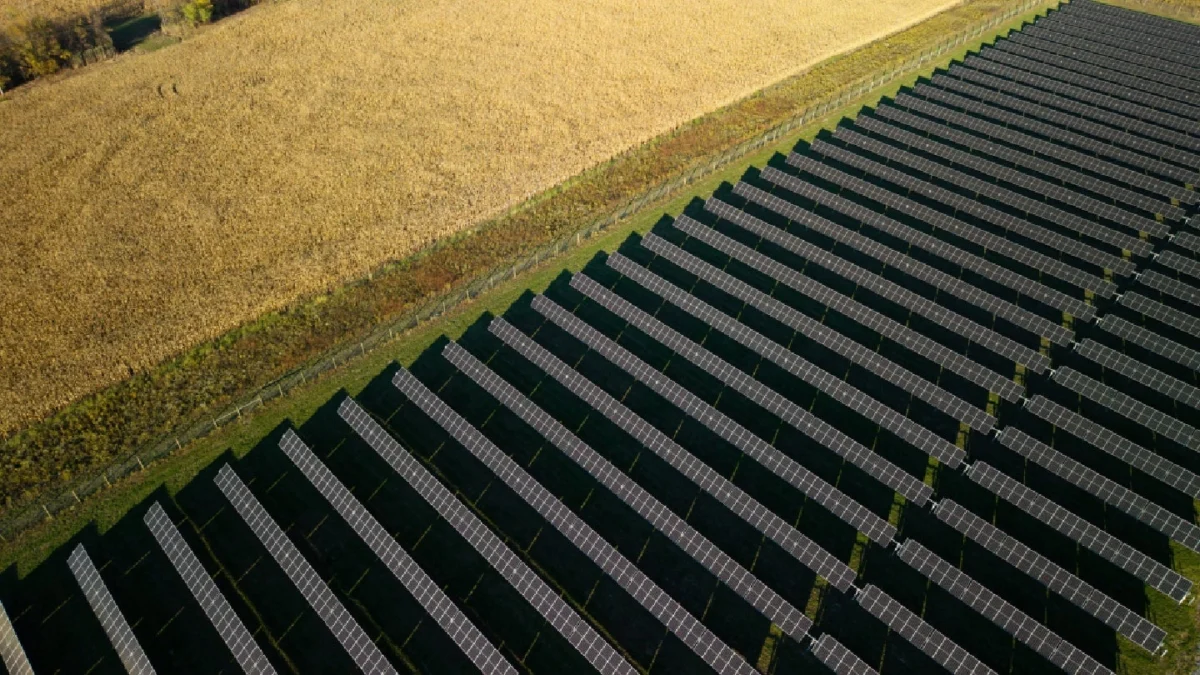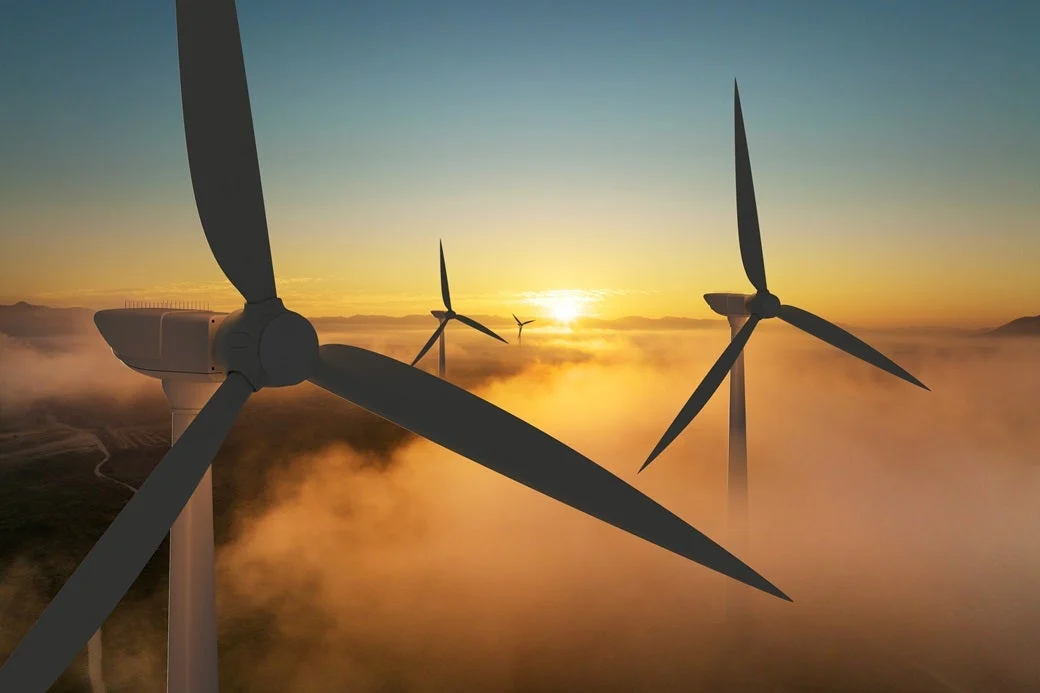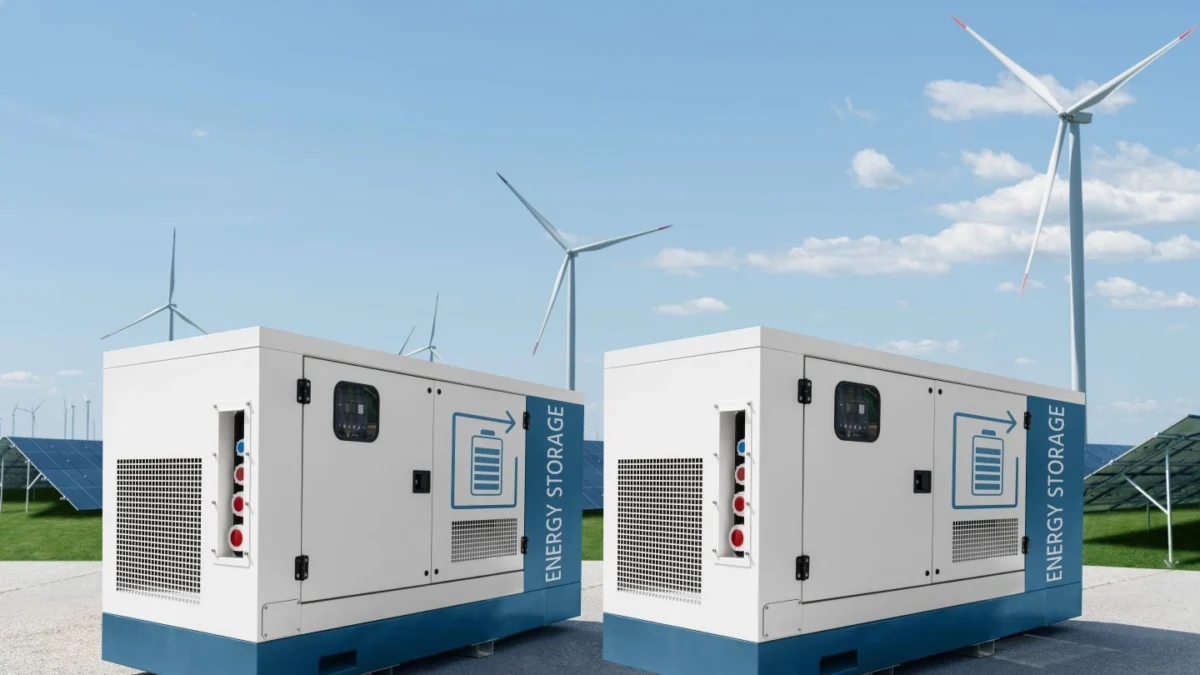
In a defining moment for South America’s renewable energy landscape, global independent power producer (IPP) Sonnedix has successfully closed a $1.3 billion (1.22 trillion pesos) financing transaction. This capital injection, the largest of its kind for the company’s Chilean operations, is set to solidify Sonnedix’s position as a cornerstone of the nation’s decarbonization strategy. The deal serves a dual purpose: refinancing 1GW of existing solar and wind capacity while simultaneously fueling the development of 117MW of cutting-edge battery energy storage systems (BESS).
The Core Transaction: Powering Chile’s Grid Stability
The financial arrangement is a testament to the maturation of Chile’s renewable energy market. By bundling 1GW of operational wind and solar assets—which already generate stable, predictable cash flows through a mix of investment-grade private power purchase agreements (PPAs) and regulated revenue streams—Sonnedix has optimized its capital structure.
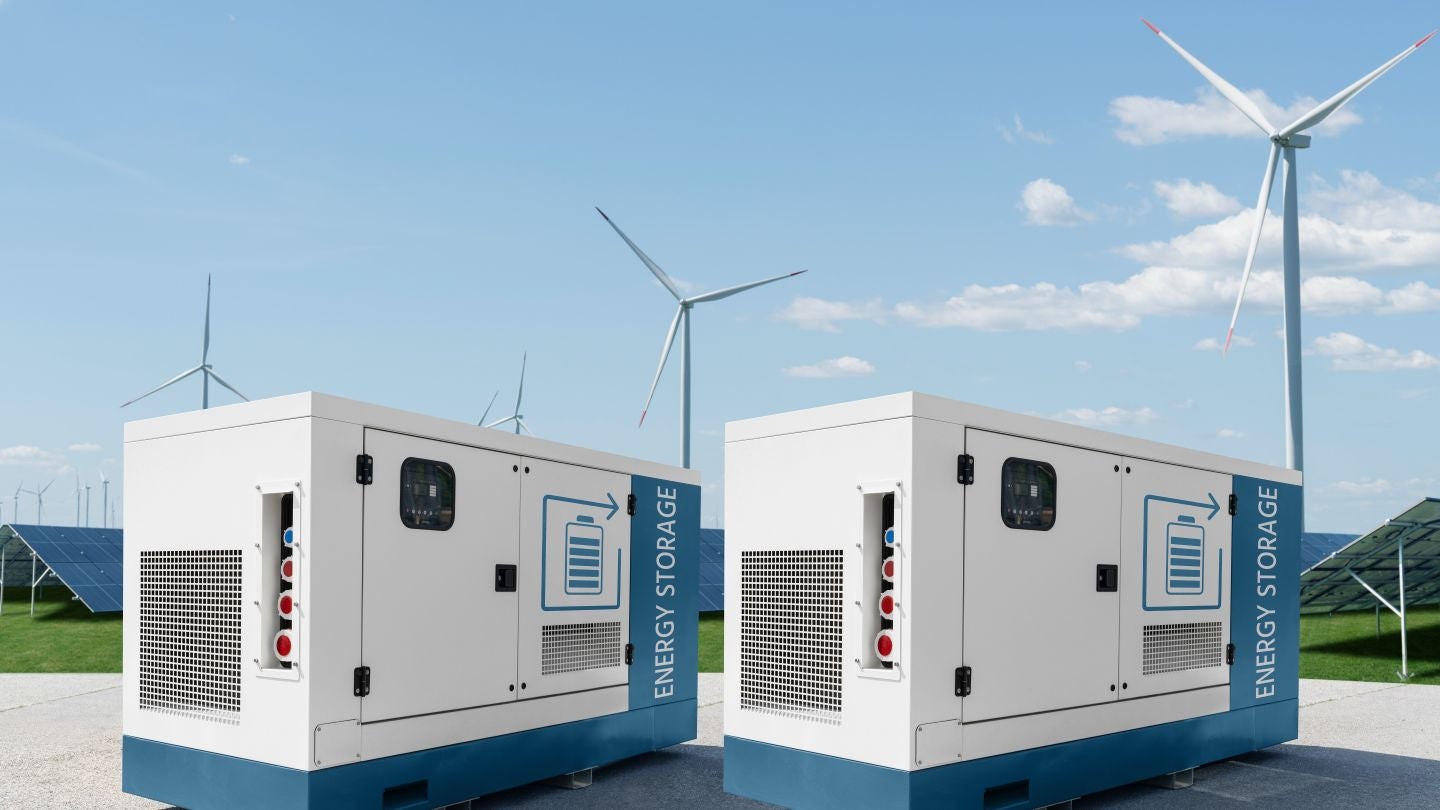
This refinancing is not merely a balance-sheet exercise; it is a strategic maneuver to accelerate the integration of battery storage. As Chile’s grid experiences increasing penetration of intermittent renewable energy, the 117MW BESS project currently under construction is critical. These systems will allow Sonnedix to store excess solar and wind power during peak production hours and dispatch it when demand surges, effectively mitigating the intermittency challenges that have historically plagued grid operators.
A Chronology of Strategic Growth
The road to this $1.3 billion milestone is part of a broader, multi-year expansion strategy for Sonnedix. The company’s footprint in Chile has evolved from initial solar development to a complex, hybrid energy infrastructure model.
- Early Development Phase: Sonnedix established a strong foothold in the Atacama region, leveraging Chile’s world-class solar irradiance.
- Portfolio Diversification: Over the past few years, the company shifted from a purely generation-focused entity to a hybrid utility, incorporating wind and exploring storage integration.
- The 2026 Milestone: The September 2026 announcement marks the culmination of months of negotiations with a consortium of international financial institutions, providing the liquidity needed to scale current operations and pipeline projects.
- Global Context: This success follows the company’s aggressive expansion in other regions, including the July 2026 acquisition of a 260MW BESS portfolio in Tuscania, Italy, signaling a global shift toward BESS as a core competency.
Supporting Data: By the Numbers
Sonnedix’s global and regional statistics illustrate the scale of this transaction:
- Total Global Portfolio: 12GW capacity.
- Operational Assets: 5GW globally.
- Under Construction: Over 1GW globally.
- Development Pipeline: Exceeding 6GW.
- The Chilean Transaction: $1.3 billion in debt financing, involving seven major commercial banks.
The deal’s complexity is highlighted by the extensive advisory network involved. The financing was spearheaded by a consortium of lenders including BNP Paribas, Bank of America, Crédit Agricole CIB, and Santander, who served as joint lead arrangers and bookrunners. They were joined by BBVA, Goldman Sachs, and MUFG as mandated lead arrangers.
The advisory ecosystem supporting the deal included:
- Financial Advisory: BNP Paribas, with Centrus providing hedging advisory.
- Legal Counsel: White & Case (New York law) and Morales y Besa (Chilean law) for Sonnedix; A&O Shearman (New York law) and Guerrero Olivos (Chilean law) for the lenders.
- Technical and Market Expertise: Aurora Chile (Market), Enertis (Technical), EY (Tax and Modelling), and Marsh (Insurance).
Official Responses: Strategic Vision
The leadership at Sonnedix has emphasized that this deal is as much about trust as it is about capital.
Axel Thiemann, CEO of Sonnedix, commented on the significance of the achievement: "This record refinancing demonstrates the ongoing confidence our partners have in our ability to execute at scale, and in our commitment to driving sustainable, long-term solutions that support the energy transition. This milestone is a testament to the hard work and exceptional commitment of our Chilean teams, our partners, and our global network."
Miguel García Mascuñán, CFO of Sonnedix, highlighted the operational agility afforded by the new financial structure: "This deal gives us the flexibility we need to keep moving fast. With a stronger financial base in place, Sonnedix Chile can focus resources on new storage and hybrid projects, and keep building on the momentum we have created in the country."
Implications for the Energy Transition
The implications of this $1.3 billion deal extend far beyond Sonnedix’s internal balance sheet.
Grid Resilience and Energy Security
Chile’s energy grid is in a state of transition. With the retirement of coal-fired power plants, the reliance on wind and solar has surged. However, these sources require "firming"—the ability to provide power when the sun isn’t shining or the wind isn’t blowing. The 117MW of battery storage is a direct response to this necessity. By securing this financing, Sonnedix is essentially de-risking the grid, providing a blueprint for how IPPs can support national energy security.
Setting a Benchmark for Project Finance
The involvement of seven major global banks suggests that international investors view the Chilean renewable sector as a "mature" market. The high level of technical and legal due diligence conducted by firms like EY and Enertis indicates that projects are becoming increasingly sophisticated. This success is likely to lower the cost of capital for future renewable energy projects in the region, as lenders become more comfortable with the risk profile of hybrid (solar/wind + BESS) assets.
Scaling the Hybrid Model
Sonnedix is moving away from single-technology projects. The future of the energy transition, as indicated by the company’s recent activity in both Italy and Chile, lies in the "hybridization" of assets. By co-locating BESS with existing wind and solar farms, Sonnedix is maximizing the value of its grid connection points. This approach is more land-efficient and grid-friendly than building standalone storage or generation facilities, a model that is expected to be replicated across the company’s 6GW development pipeline.
Conclusion: A New Chapter for Sonnedix
The $1.3 billion financing deal is a pivotal moment for Sonnedix, marking its transition into a mature, multi-technology energy provider. By successfully leveraging its stable, operational portfolio to fund future-ready battery infrastructure, the company has effectively navigated the volatility of the global energy market.
As Chile continues its ambitious path toward carbon neutrality, the partnership between institutional capital and proactive developers like Sonnedix will remain the primary engine of progress. With a robust 12GW global portfolio and a clear focus on technological integration, Sonnedix is well-positioned to maintain its leadership role in the global shift toward a sustainable, electrified future. Whether through further battery deployments in Europe or the continued expansion of its Chilean hybrid assets, the company has demonstrated that it possesses the financial engineering, technical expertise, and strategic vision to scale at the pace required by the climate crisis.