Chile’s energy sector is undergoing a profound structural transformation. Over the past decade, the nation has evolved into a global poster child for rapid decarbonization, driven by an aggressive expansion of solar and wind capacity. However, as the grid reaches a new level of maturity, the focus of the energy transition is shifting. While solar and wind are the engines of this growth, the stability of the entire system is increasingly anchored by an aging but indispensable fleet of hydropower plants.
According to the Chile Power Outlook, Update 2026 by GlobalData, the country is transitioning from an era of "generation-first" expansion to a more nuanced phase defined by grid optimization, transmission infrastructure, and energy storage. In this new landscape, hydropower is no longer the primary vehicle for growth—it is the essential, dispatchable bedrock upon which the volatile promise of renewables rests.
Main Facts: A System in Transition
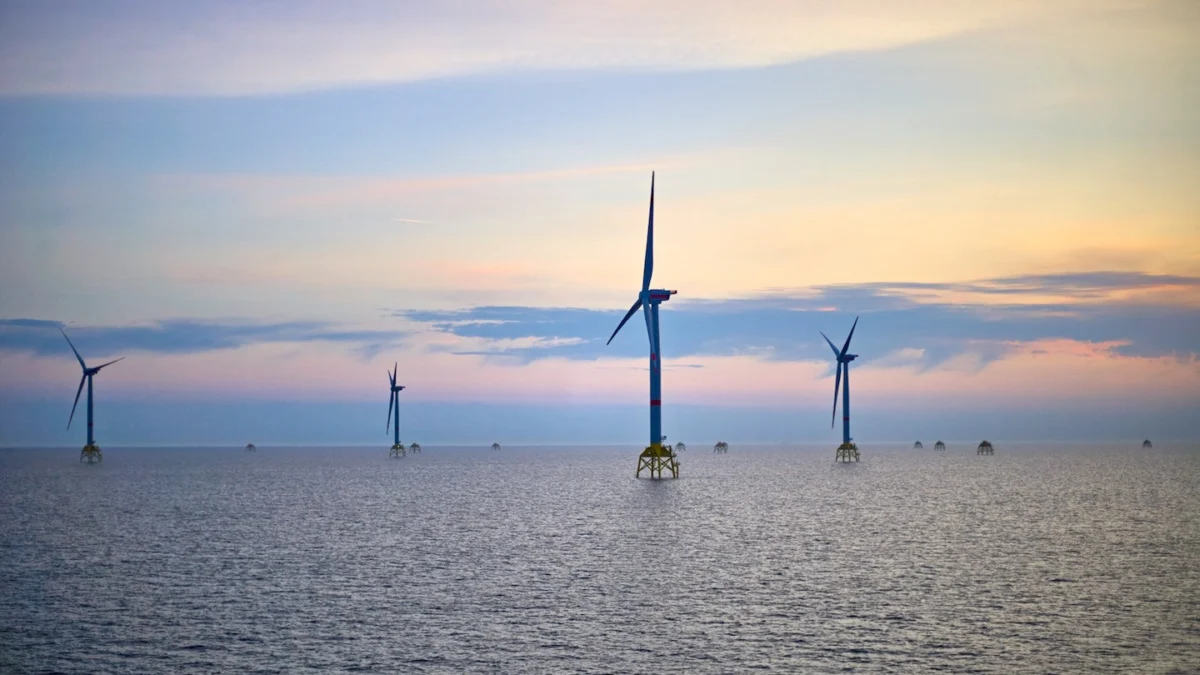
The scale of Chile’s energy evolution is staggering. The nation’s installed generating capacity is projected to nearly double, jumping from 37.6GW in 2025 to 74.2GW by 2035. This expansion is overwhelmingly dominated by solar PV and wind, which are set to displace coal-fired thermal generation as the country marches toward its 2050 zero-emission target.
However, the rapid influx of intermittent renewable energy has created a "flexibility gap." As solar output peaks during the day and drops off in the evening, the grid requires a stable, responsive baseline. This is where the existing hydroelectric fleet proves its value. Despite accounting for nearly 19% of the country’s installed capacity in 2025, hydropower is not expanding in the way it once did. The days of mega-dam projects are largely in the rearview mirror, replaced by a strategy of maintaining existing assets to balance the system.
Chronology: The Evolution of Chile’s Energy Mix
To understand why investment is shifting, one must look at the timeline of Chile’s energy policy:
- 2015–2020: The "Solar Boom." Chile leveraged its northern Atacama Desert to become a world leader in low-cost solar energy, significantly lowering electricity prices and proving the viability of large-scale renewable integration.
- 2021–2024: The "Transmission Bottleneck." As renewable capacity surged, the transmission network failed to keep pace. Significant curtailment—where renewable energy is generated but cannot reach the grid—became a systemic issue, with over 6TWh of energy wasted in 2025 alone.
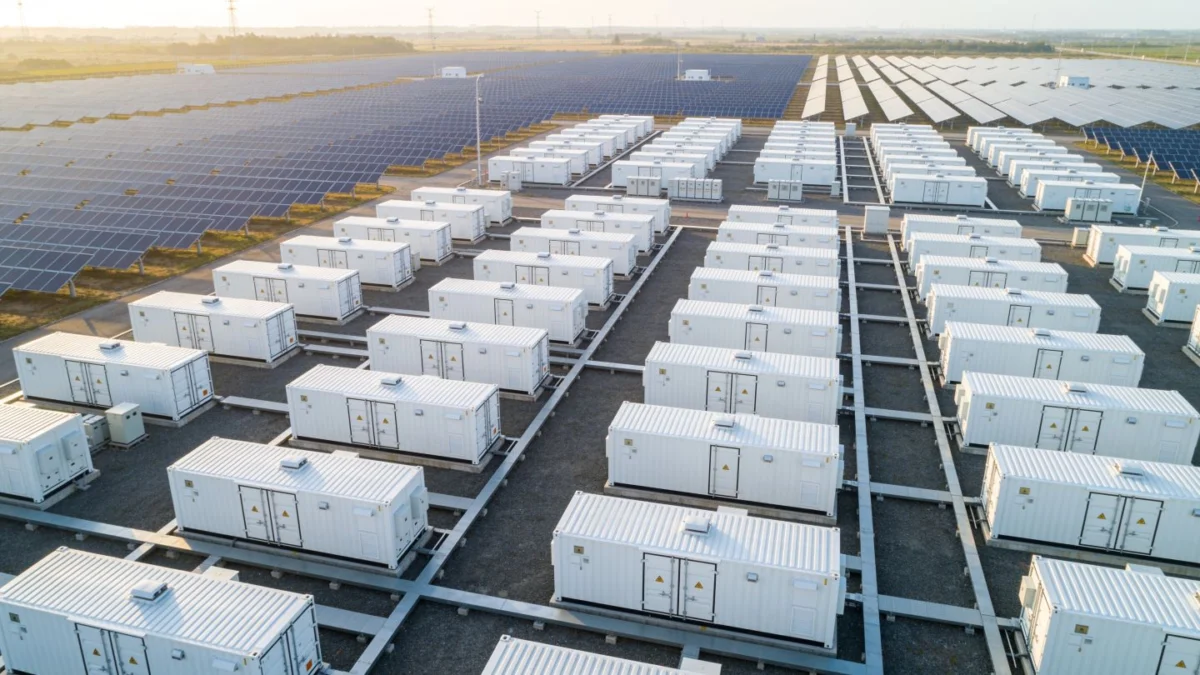
- 2024–2026: The Era of Regulation and Storage. The passage of the Energy Transition Law in 2024 signaled a pivot. Government policy began focusing on incentivizing battery energy storage systems (BESS) and fast-tracking critical transmission projects, such as the Kimal-Lo Aguirre HVDC line.
- 2026–2035: The "System Integration" Phase. The next decade will be defined by the integration of green hydrogen production, data center electrification, and industrial electrification, all of which will rely on a highly flexible, decarbonized grid.
Supporting Data: The Numbers Behind the Shift
The economic data paints a clear picture of shifting priorities. Between 2026 and 2030, an estimated US$30 billion will be injected into Chile’s power sector. The allocation of this capital is telling:
- Solar PV: ~74% of total investment.
- Onshore Wind: ~22% of total investment.
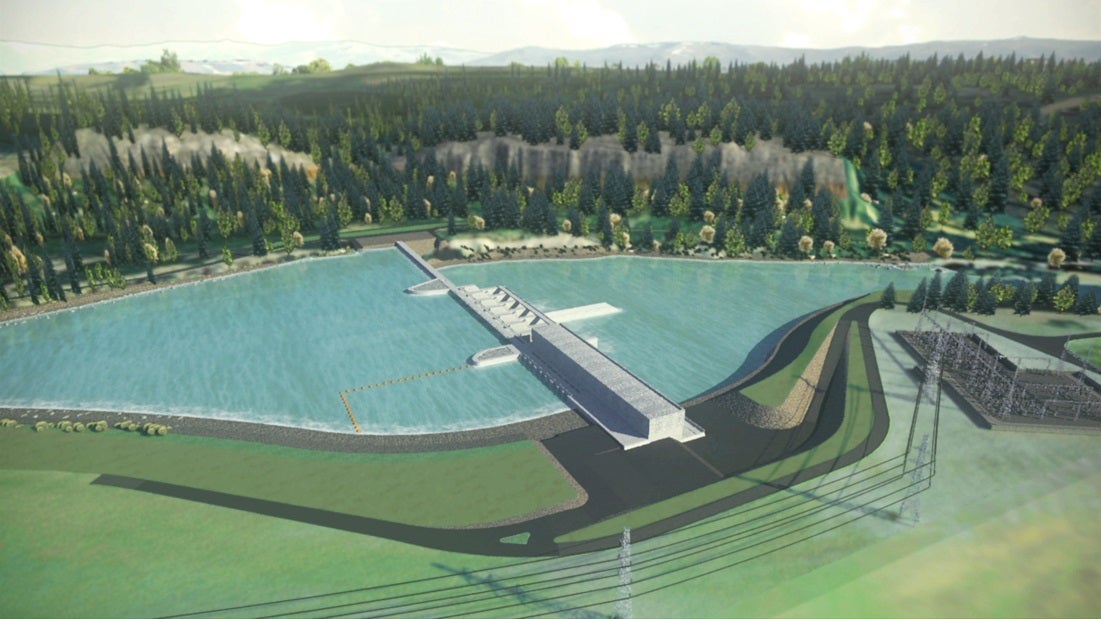
- Hydropower: ~1.1% of total investment.
While new investment in hydropower is negligible, its role remains central. Installed capacity for large hydro is expected to remain stagnant at approximately 7.1GW through 2035, barely moving from the 7.0GW reported in 2025. Yet, generation output is forecast to remain a critical variable. While 2025 saw a dip in output to 17.9TWh due to hydrological volatility, capacity is expected to stabilize at 19.3TWh by 2035 as utilization strategies improve.
The demand-side figures are equally critical. Annual electricity consumption is expected to climb from 83.6TWh to 117.8TWh by 2035. This 34TWh increase—a massive leap—is driven by the "electrification of everything," including the expansion of mining operations, the nascent green hydrogen industry, and the increasing power requirements of modern digital infrastructure like data centers.
Official Perspectives and Industry Challenges
Industry experts and policy analysts agree that the "new" hydropower strategy is one of endurance rather than expansion. The barriers to new large-scale hydro projects are multifaceted:
- Environmental and Social Sensitivity: Public opposition to major damming projects has grown, making permitting processes for new greenfield sites increasingly complex and politically fraught.
- Hydrological Stress: Chile has endured over a decade of below-average rainfall. This persistent drought has reduced reservoir levels in the central regions, creating a physical constraint that prevents the hydropower fleet from operating at peak theoretical capacity.
- The Transmission Gap: As noted by the GlobalData report, more than 70% of transmission projects under construction faced delays in 2025. This has hindered the ability to move hydropower and other renewable energy from resource-rich areas to industrial hubs.
Despite these challenges, official policy continues to view existing hydro as a "strategic reserve." By providing ancillary services—such as frequency control, reactive power, and black-start capabilities—these plants ensure that the rapid influx of intermittent solar and wind does not destabilize the national grid.
Implications: A Model for Latin America
The Chilean experience serves as a microcosm for the global energy transition. It highlights a universal lesson: Building generation is only half the battle.
1. The Value of Dispatchability
As solar and wind become cheaper, the "market value" of electricity fluctuates. Hydropower’s ability to "turn on" when the sun sets or the wind dies makes it the most valuable asset in the portfolio. Chile’s shift toward battery storage is an attempt to replicate this dispatchability artificially, but for the foreseeable future, hydro remains the most cost-effective provider of grid-scale stability.
2. The Infrastructure Deficit
Chile’s experience with curtailment underscores the danger of ignoring grid infrastructure. Without the Kimal-Lo Aguirre HVDC line and similar transmission upgrades, the country risks a "renewable paradox"—having too much energy on paper while suffering from local shortages and price volatility.
3. The Future of Small-Scale Hydro
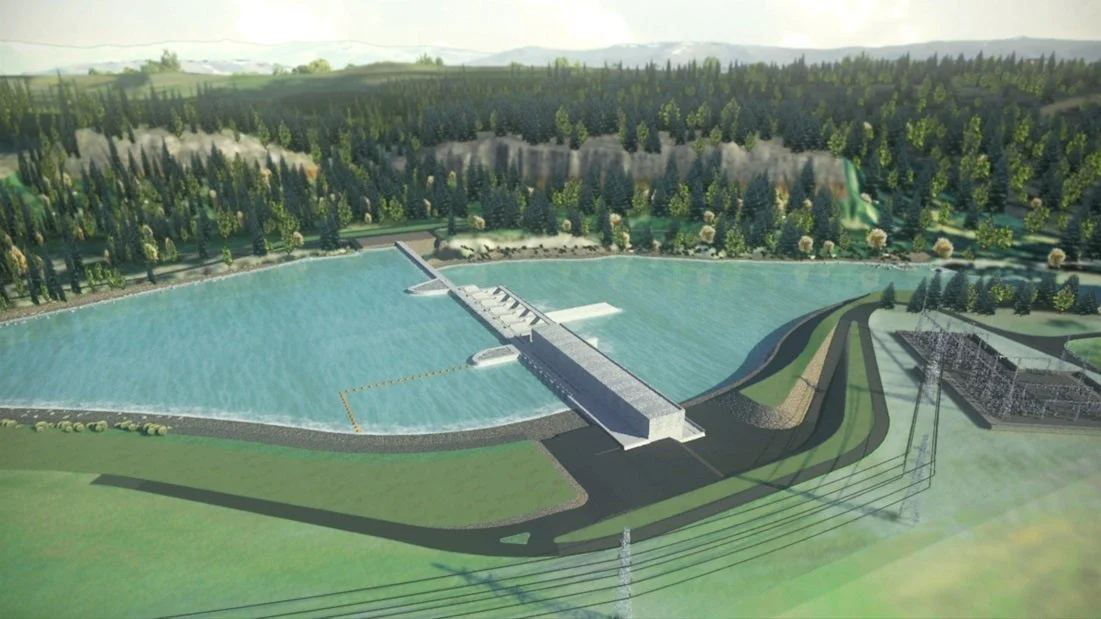
While large-scale dams are off the table, the development of smaller, "run-of-river" or distributed hydro projects—such as the 90MW Rucalhue project or smaller schemes like the 3MW Don Eugenio facility—suggests that there is still a niche for hydropower. These projects have a lower environmental footprint and can be integrated into local grids, supporting the decentralization of energy production.
Conclusion
Chile is successfully navigating the transition from a resource-driven energy economy to a technology-driven one. By accepting the maturity of its hydroelectric fleet and redirecting capital toward the "connective tissue" of the grid—transmission lines and battery storage—Chile is positioning itself as a leader in the global race to net-zero.
Hydropower may no longer be the face of the Chilean energy sector, but it remains the silent engine. As the country looks toward 2035 and its goal of 80% renewable electricity, the existing dams will continue to serve as the critical shock absorbers for a grid that is becoming cleaner, more complex, and more reliant on the seamless interaction between weather-dependent renewables and the steady, reliable hand of hydroelectric power.
For more in-depth analysis on the metrics, regulatory shifts, and competitive landscapes of the Chilean power market, stakeholders are encouraged to consult the full GlobalData Power Intelligence Centre report.