The Baltic Sea is dotted with thousands of islands, but few possess the peculiar, almost mystical character of Abruka. Located just a short ferry ride from the vibrant summer hub of Kuressaare on Saaremaa, Estonia, Abruka offers a stark contrast to the bustling tourist trails of the mainland. It is a place where time seems to slow down, where the forest feels like a relic of a bygone era, and where the rhythmic pace of island life is dictated by the seasons rather than the clock.
This article explores the unique ecological, historical, and recreational significance of Abruka, a destination that serves as a vital bridge between the Nordic landscape and the temperate forests of Central Europe.
Main Facts: The Geographical and Ecological Significance
Abruka, spanning approximately eight square kilometers, is more than just a tranquil escape. Its crown jewel is a protected broad-leaved forest, designated as a nature reserve in 1937. This forest is widely regarded by botanists and ecologists as the northernmost reach of the Central European deciduous forest belt.
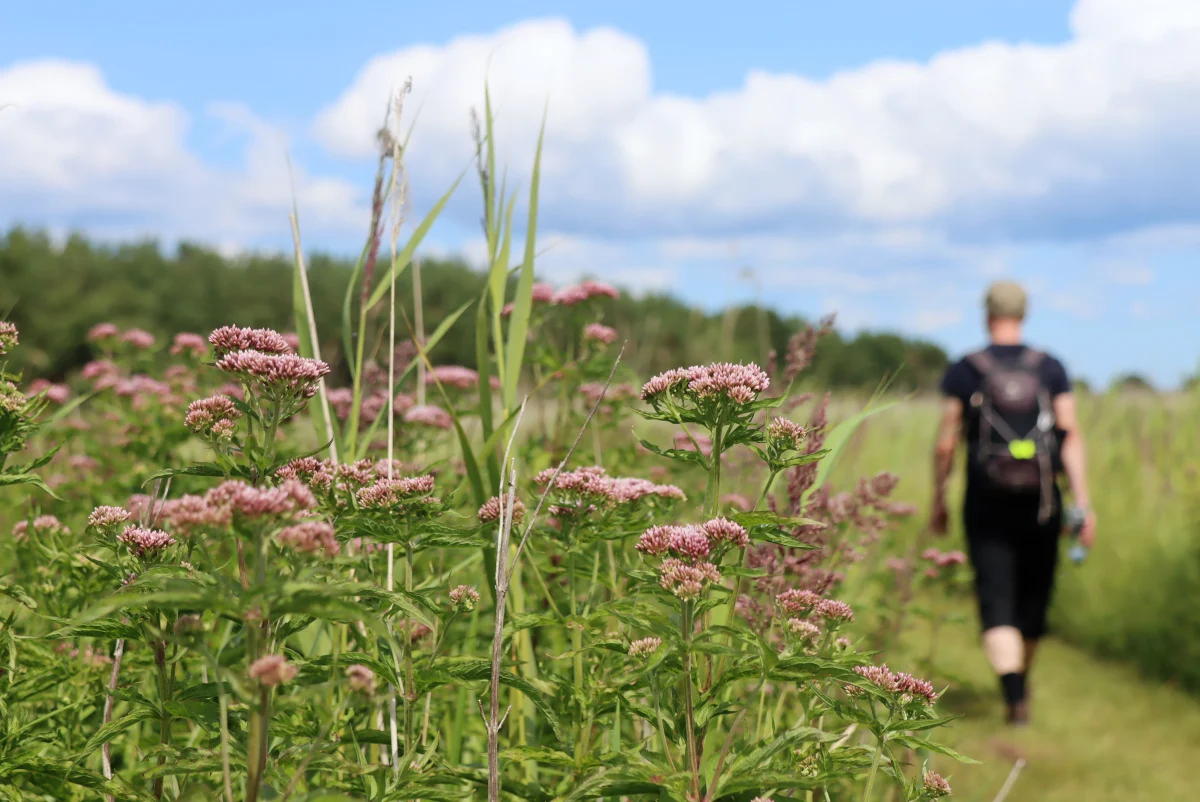
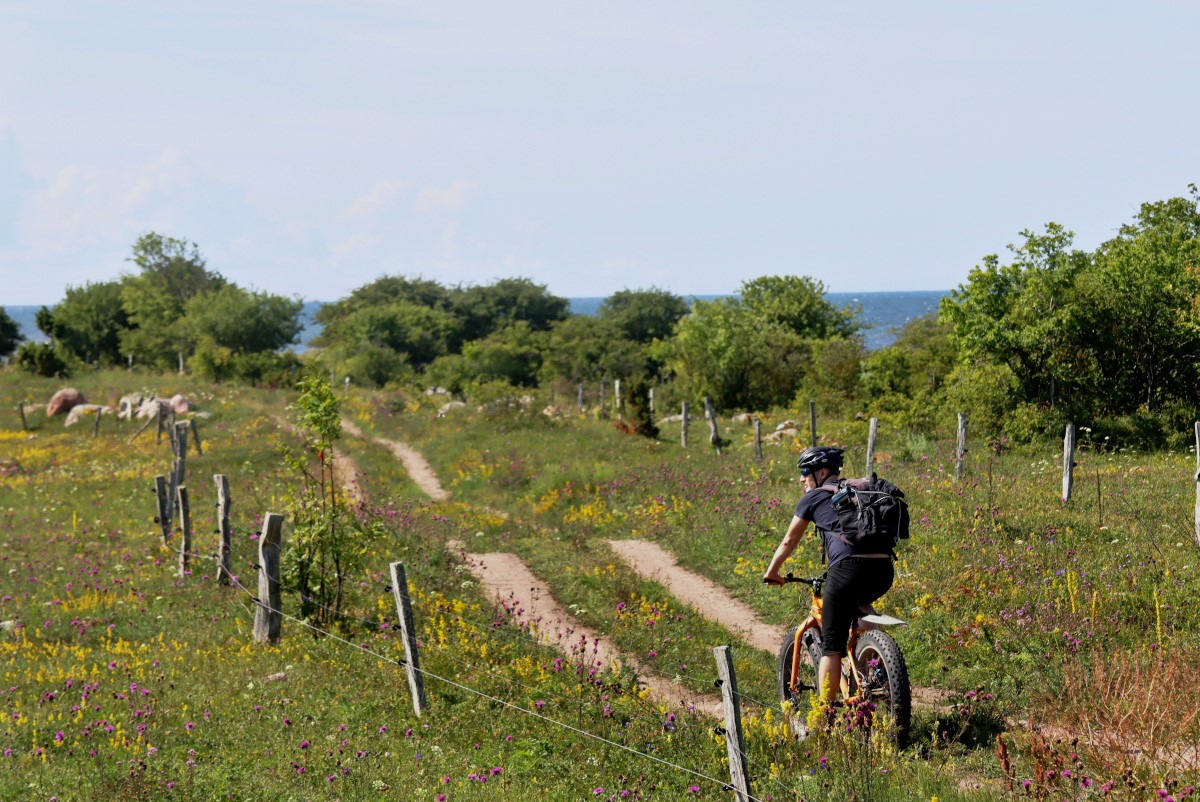
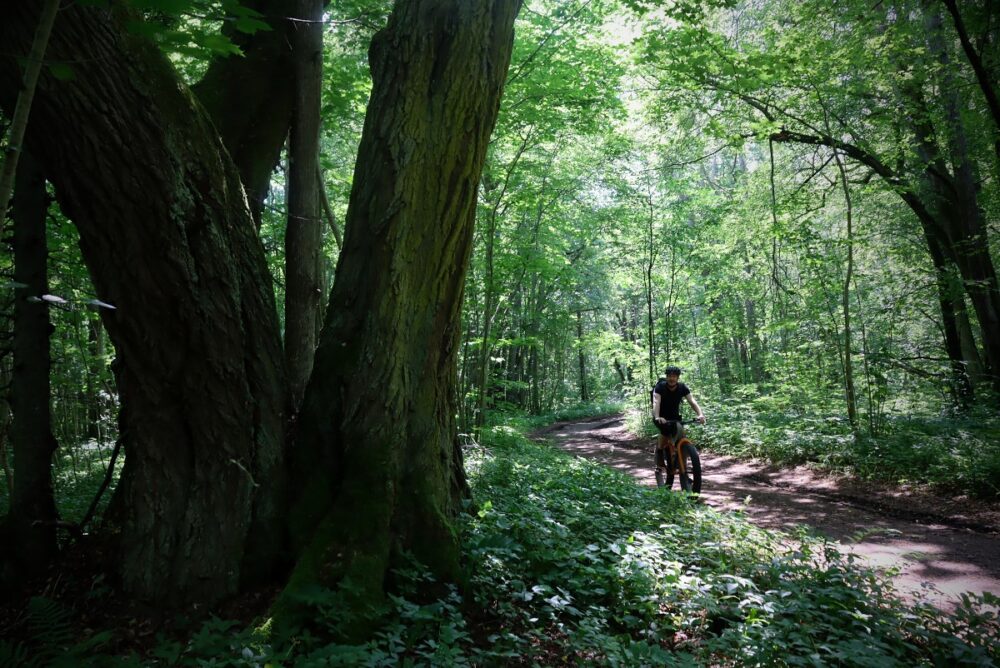
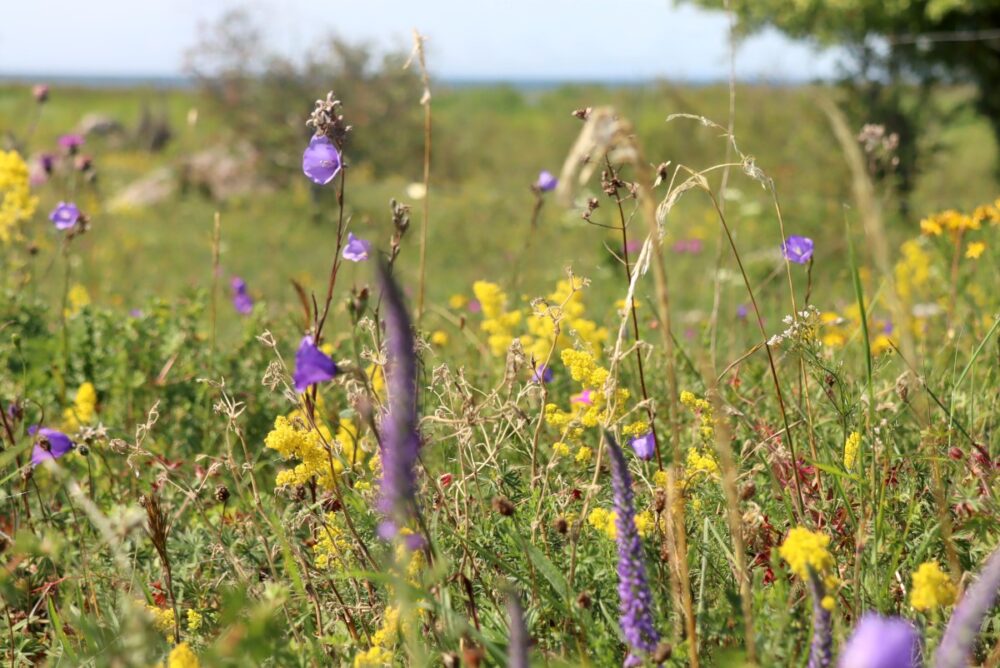
The island’s ecosystem is characterized by its lush, towering oaks and lime trees, many of which are draped in ivy, creating a canopy that feels distinctly un-Nordic. This "Central European" pocket, nestled in the heart of the Baltic, provides a refuge for diverse flora and fauna that are rarely seen in such density this far north. During the summer months, the island’s meadows burst into a kaleidoscope of colors, hosting species such as bellflowers, lady’s bedstraw, knapweeds, and the striking, deep-red bloody cranesbill.
Chronology: A Day Trip into the Past
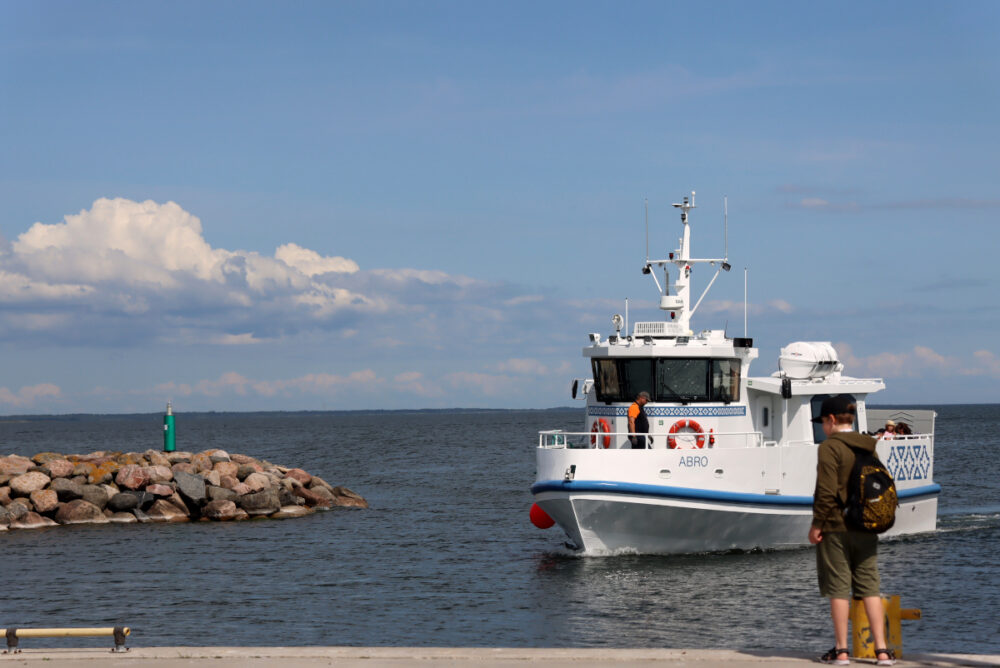
A journey to Abruka begins in the port of Roomassaare, near Kuressaare. As the ferry leaves the dock, the thirty-minute crossing acts as a sensory threshold. Leaving the hum of modern tourism behind, the traveler arrives in a village that feels profoundly sleepy, yet deeply authentic.
Morning: Pedaling Through the Green Heart
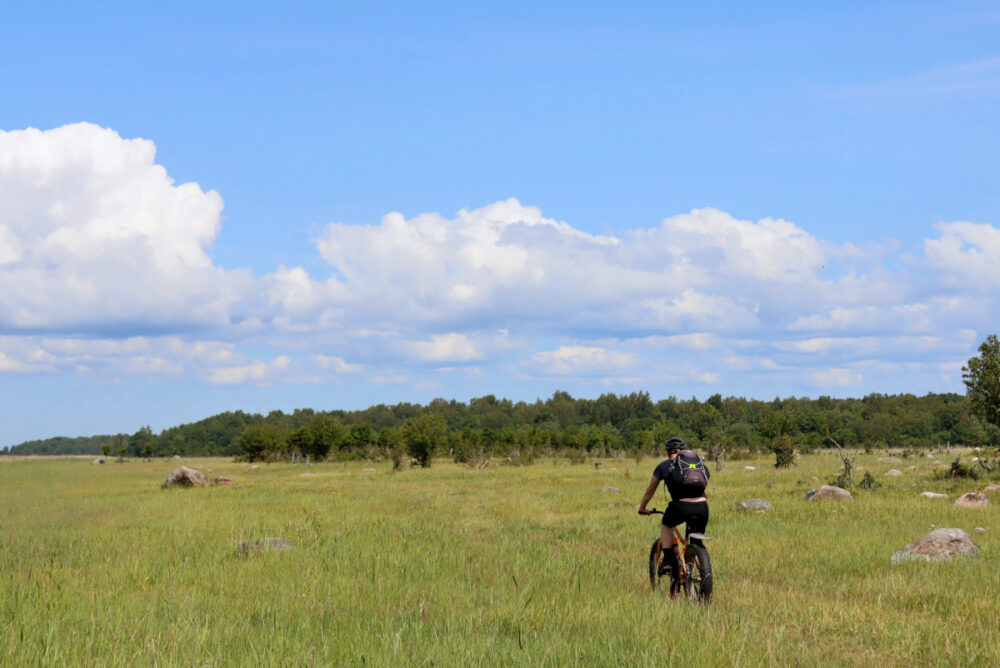
Upon arrival, the most effective way to traverse the island is by bicycle. A gravel path cuts through the island’s center, leading directly into the heart of the protected forest. The experience of cycling here is surreal; the thick, shaded canopy provides a natural cooling effect against the summer heat, while the gnarled, ivy-covered trunks of ancient trees cast long, dramatic shadows.
Midday: The Coastal Meadows and Wildlife
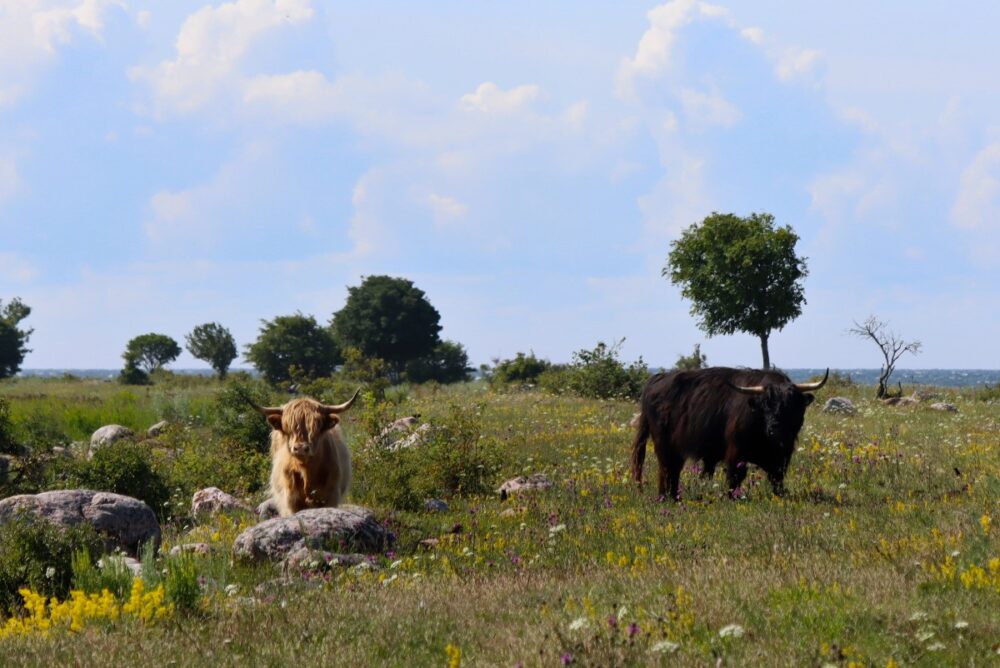
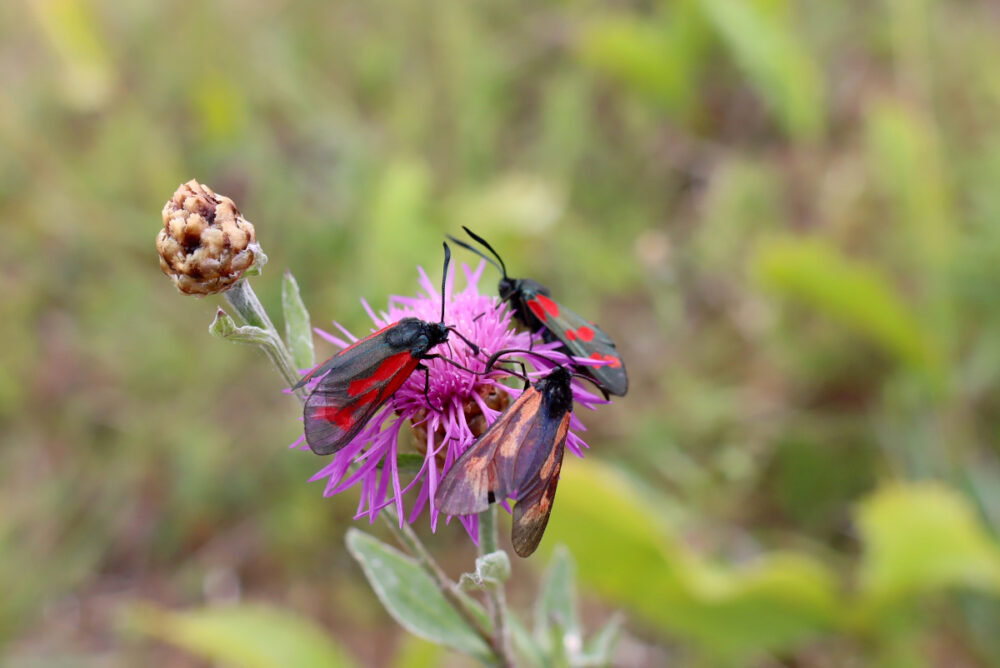
By midday, the path reaches the southern tip of the island. Here, the dense forest gives way to sprawling, vibrant coastal pastures. These meadows are home to Highland cattle, which play a crucial role in maintaining the landscape through natural grazing. The area is a paradise for lepidopterists—the air is filled with the flutter of vibrant black-and-red butterflies, specifically the six-spot burnet (Zygaena filipendulae), which thrive in the island’s undisturbed floral abundance.
Afternoon: The Crossing to Vahase
A unique feature of an Abruka excursion is the accessibility of neighboring islands. A marked wading route connects the southwestern shore of Abruka to the smaller island of Vahase. For those willing to shed their shoes and wade through the shallow waters—which reach only to the mid-thigh at their deepest—it offers a refreshing, tactile connection to the Baltic landscape. While Vahase is less densely forested than its larger neighbor, it is home to massive glacial erratics—boulders left behind by the ice age. These boulders, often equipped with ladders for visitors to climb, serve as tangible markers of the region’s geological history.
Supporting Data: Biodiversity and Conservation
The conservation efforts on Abruka are essential for maintaining its status as a living laboratory. The 1937 protection order was a forward-thinking move that has prevented the industrial-scale forestry that transformed much of the surrounding region.
- Botanical Diversity: The forest contains an exceptional density of broad-leaved species, acting as a northern bastion for deciduous trees.
- Cultural Heritage: The local museum provides essential context, documenting the history of the islanders—a community that has historically relied on fishing and small-scale agriculture to survive in a relatively isolated environment.
- Island Connectivity: The ferry system and the unique wading paths demonstrate the reliance of these small communities on the seasonal variations of the Baltic water levels.
Official Perspectives and Cultural Value
The Estonian Ministry of the Environment and local conservation bodies emphasize that Abruka is not merely a recreational destination but a critical area for ecological monitoring. The forest serves as an indicator for how temperate species adapt to the warming climate of the northern Baltic.
Local historians and residents view the island as a living museum. With only a few dozen houses remaining, the community is small and tight-knit. The efforts to preserve the island’s history—through its museum and the maintenance of traditional grazing practices—are seen as a form of cultural stewardship. It is a reminder that in an age of globalization, small, isolated pockets of land can maintain a distinct identity that is both ecologically rich and culturally significant.
Implications: The Future of Eco-Tourism
The growing interest in "slow travel" has brought more visitors to Abruka, raising the question of how to balance tourism with conservation. The island’s infrastructure is deliberately minimal; there are no paved highways, no massive resorts, and no intrusive commercial development.
The implication for future visitors is clear: Abruka is a destination that demands respect. Its beauty is fragile, and its status as a "time capsule" relies on the preservation of its quiet, natural state. For those who visit, the experience is not just about the sights—the lighthouse, the ancient trees, or the wading route—but about the realization that such places are becoming increasingly rare.
Why Abruka Matters
- Ecological Resilience: As the climate changes, the northern migration of species makes the Abruka forest a critical site for scientific study.
- Educational Value: The island offers a tangible history lesson, bridging the gap between prehistoric geological events (the glacial boulders) and modern human settlement patterns.
- The "Slow" Experience: In a world of high-speed connectivity, the need to navigate the island by bike or on foot, and the necessity of checking ferry schedules and water levels, provides a profound mental reset for the modern traveler.
Conclusion: A Call to Return
For the casual visitor, a single day on Abruka is rarely enough. The island is deceptive in its size; what appears on a map as a small, manageable landmass reveals itself to be a labyrinth of botanical, historical, and geological wonders. Whether it is the shade of the ancient oaks, the vibrant colors of the coastal meadows, or the thrill of wading through the Baltic to reach a neighboring islet, Abruka leaves a lasting impression.
As the sun sets over the small village and the final ferry prepares to return to the mainland, one cannot help but feel the pull to return. Abruka is a place that does not just invite you to visit; it invites you to observe, to listen, and to appreciate the intricate balance of the natural world. It is a destination that stands as a testament to the enduring, quiet power of the Baltic landscape.