By Samuli Haapasalo | Vuosi luonnossa (A Year in Nature)
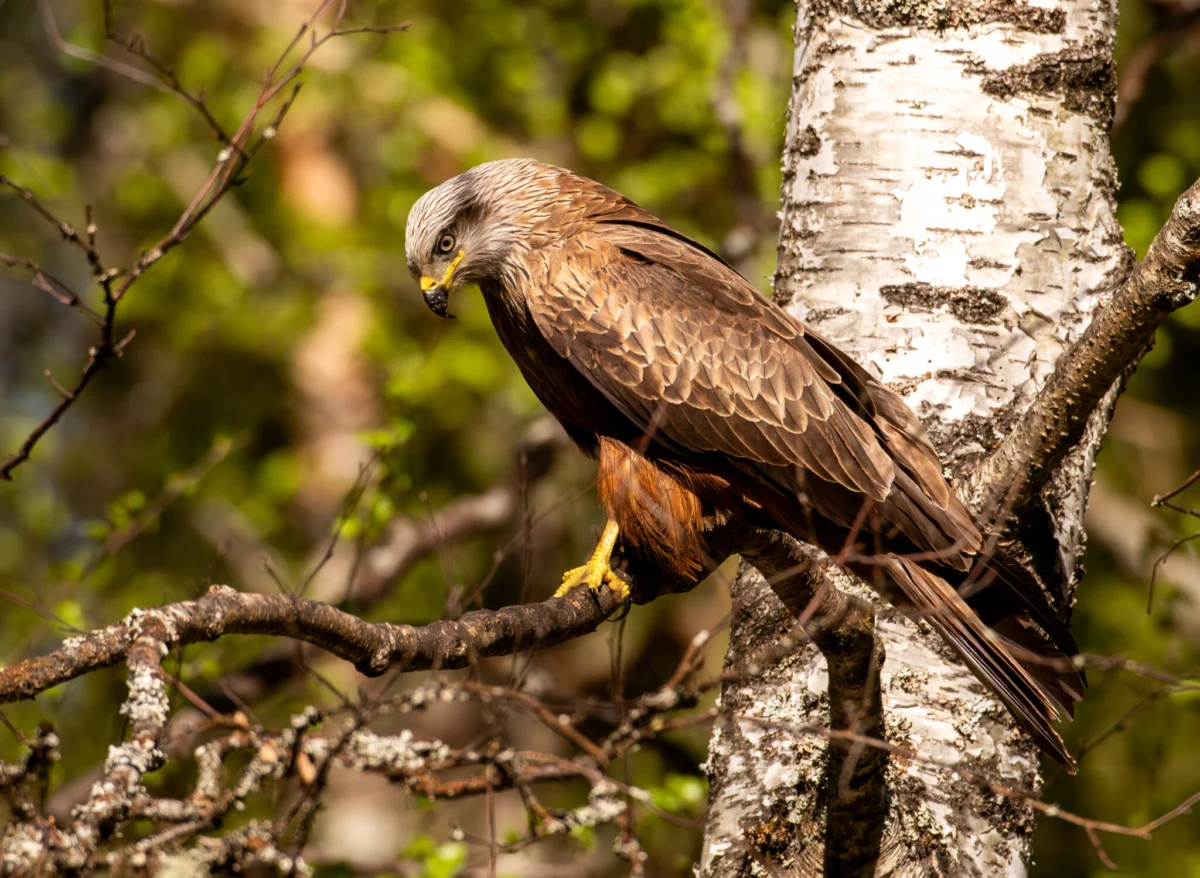
The red kite (Milvus milvus) is a bird that commands the sky with an effortless, fluid grace. Named for the distinct, deep fork in its tail—a feature that serves as a rudder for its lightning-fast maneuvers and precise aerial dives—the red kite is more than just a scavenger; it is a master of kinetic energy. To observe one is to witness a lesson in aerodynamics, as it pivots, hooks, and plunges with a sophistication that makes other raptors appear almost clumsy by comparison.
Main Facts: Anatomy of an Aerial Specialist
Physically, the red kite is a striking figure. It is a large, imposing raptor, often described as having the presence of a small eagle. Its silhouette is defined by long, slender wings and that signature forked tail, which allows for unparalleled maneuverability. While its size might suggest a heavy, powerful build, its flight pattern is remarkably light and graceful.
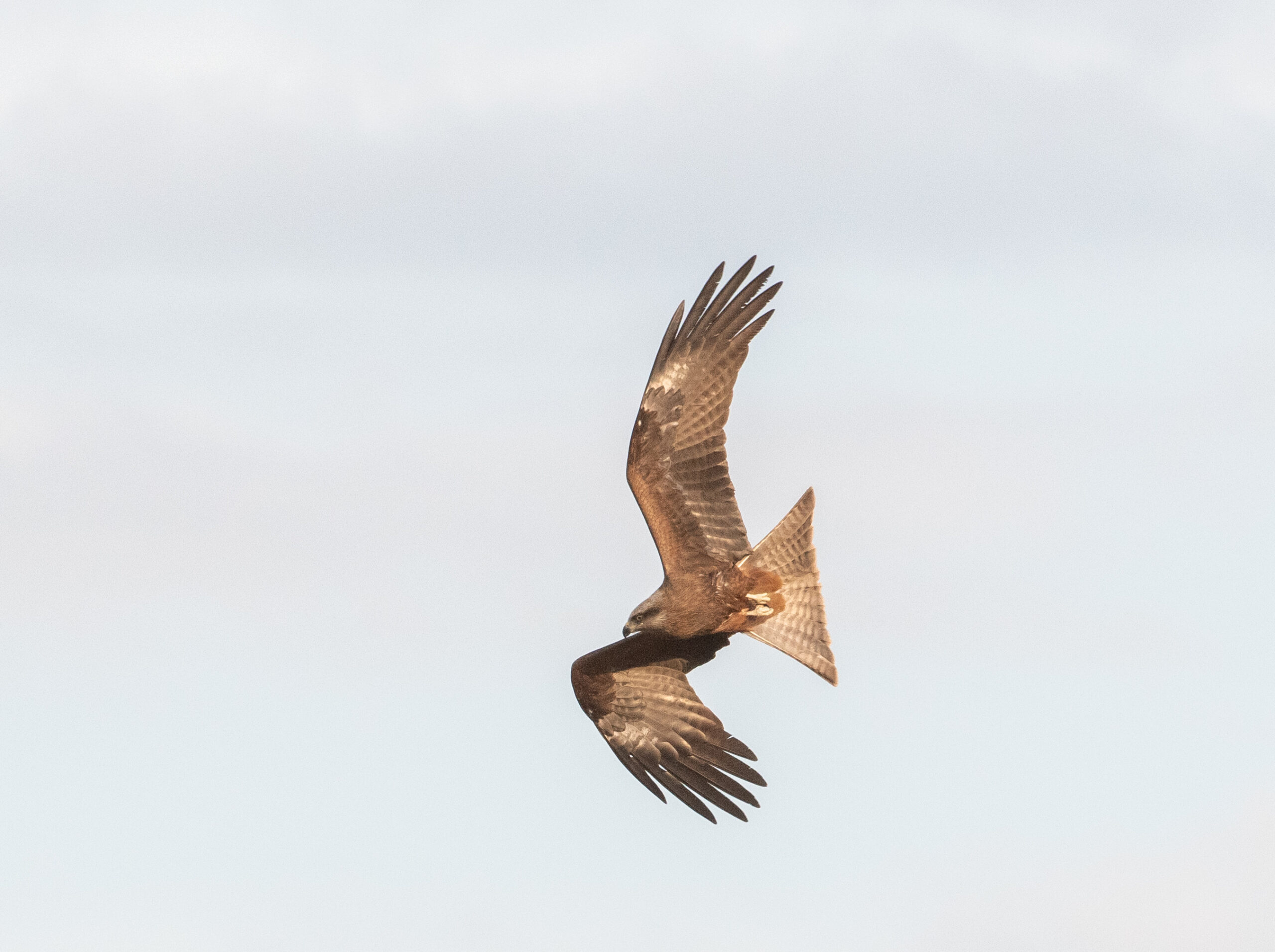
The plumage of the red kite is a tapestry of warm, earthy tones—a subtle, expressive blend of russet, brown, and buff that provides excellent camouflage against the landscape while appearing elegant in the sunlight. In contrast to the slightly smaller and more common black kite, the red kite is distinguished by the deeper notch in its tail and, often, more prominent pale patches on the wings.
This species is not just a master of flight; it is a master of opportunism. Across its global range—which spans across Europe, parts of Asia, and into Africa—the red kite has adapted to a variety of environments, from the wild, rugged terrain of mountainous regions to the outskirts of urban centers and even landfill sites, where it has learned to capitalize on human activity.
Chronology: A Season of Observation
In the context of the 2026 season, specifically in the entries leading up to the 27th week of the year, the red kite has emerged as a recurring, if elusive, subject. While the species was previously highlighted in the blog in the 21st week alongside the wolverine, its presence has become a point of fascination for nature photographers and researchers alike.
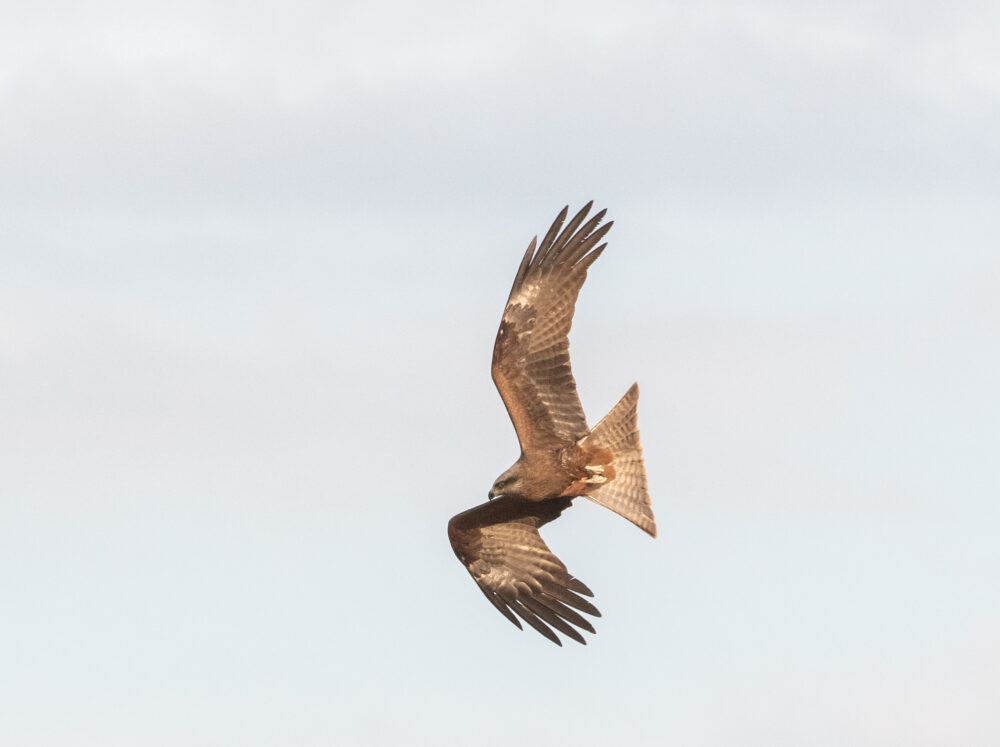
The primary location for observing these birds in Finland—particularly during the peak windows of May and August—is somewhat counterintuitive: the vicinity of hides used for photographing large carnivores. These sites, often laden with carrion to attract wolverines or bears, inadvertently become a buffet for the red kite.
Watching a red kite at these sites is a study in precision. It appears as if from thin air, diving with powerful, hooked motions toward the forest floor. It does not simply land to feed; it performs a "catch" at full speed, snatching a piece of carrion with its talons without breaking its momentum. Even more remarkably, the kite is a skilled kleptoparasite, often intercepting food from other birds—ravens and crows included—with a tactical superiority that leaves its competitors reeling.
Supporting Data: The Art of Dining on the Wing
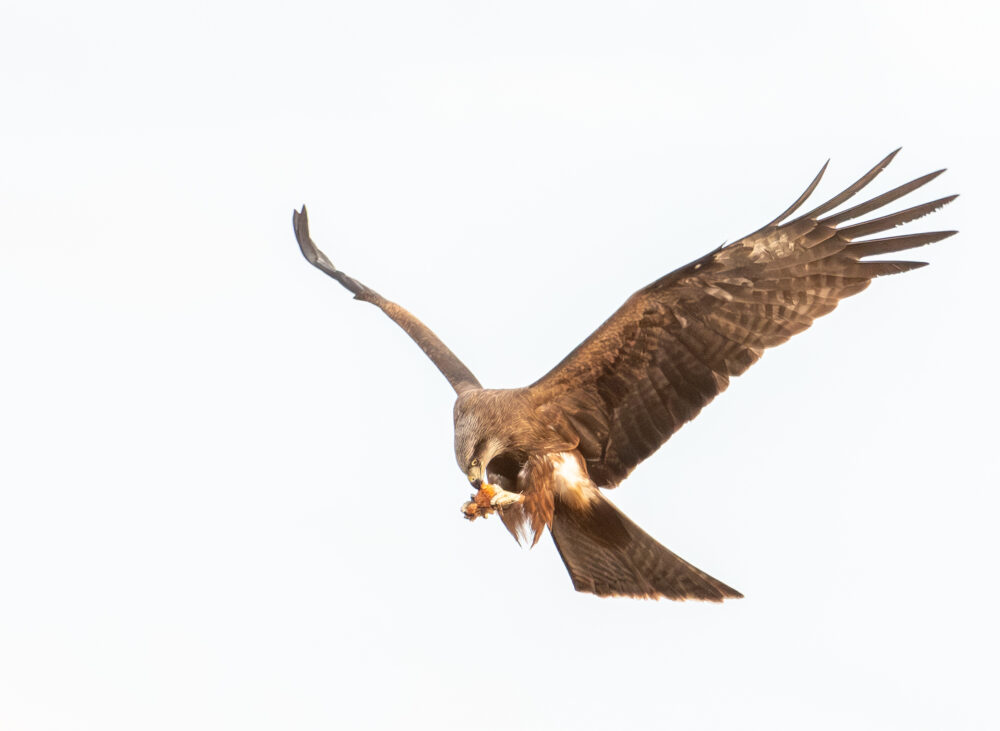
One of the most peculiar and fascinating behaviors of the red kite is its tendency to consume its prey while still in flight. When the bird secures a piece of carrion, it does not necessarily seek a perch to settle down. Instead, it utilizes its highly flexible neck and legs to contort its body in mid-air, allowing it to reach down to its talons and tear off bite-sized pieces of the meal while gliding.
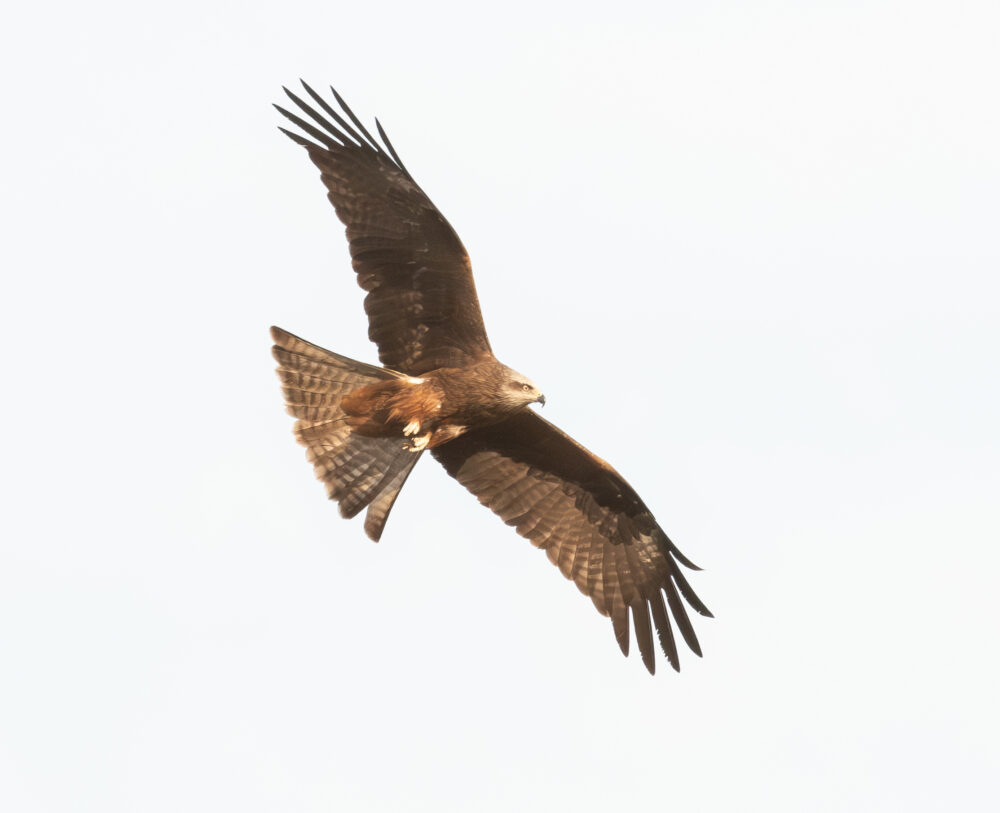
Why such a high-stakes, high-energy feeding strategy? Biologists and observers speculate that this is an evolutionary response to competition. At a carrion site, the presence of a raptor often attracts a crowd—hungry ravens, eagles, and terrestrial scavengers are all vying for the same prize. By staying in the air and consuming the meal on the wing, the red kite avoids the risk of being grounded and cornered by more dominant or aggressive predators. It is a strategy of constant movement, keeping the bird safe in its element: the sky.
Official Status and Population Dynamics
Despite its widespread success in parts of Central and Western Europe, the red kite remains a rare and precious visitor in the Finnish landscape. Current estimates suggest a precarious population of perhaps only 10 to 25 breeding pairs within Finland. Beyond these nesting pairs, the country sees a small number of migrating or summer-wandering individuals that pass through or linger in the region.
The disparity between the bird’s success elsewhere and its scarcity in Finland underscores the importance of monitoring and habitat preservation. The global distribution of the red kite is extensive, encompassing a variety of subspecies. The larger "isohaarahaukka" (a term sometimes used to distinguish larger forms or variations in the species) can be identified by its even deeper tail fork and more pronounced light wing markings.
In Finland, there is a collective hope among ornithologists and bird enthusiasts that the population might one day stabilize and grow. Adding a more robust red kite presence to the Finnish bird-of-prey community would be a significant ecological victory, bringing a touch of the continent’s dramatic aerial ballet to our northern skies.
Implications: The Future of the Red Kite in Finland
The presence of the red kite in Finland serves as an indicator of broader environmental trends. As an opportunistic scavenger, its survival is linked to the availability of food sources and the health of the ecosystems it inhabits. The fact that these birds are being recorded at photography hides suggests that they are highly sensitive to supplemental feeding opportunities, but it also highlights their struggle to find adequate, consistent food sources in the wild.
Conservationists argue that protecting the red kite requires a holistic approach. This means maintaining open, mosaic landscapes—a mix of fields, forests, and wetlands—which the species prefers for its hunting forays. Furthermore, the reduction of toxins and pesticides in the food chain is essential, as these raptors are particularly susceptible to secondary poisoning when consuming carrion or small mammals.
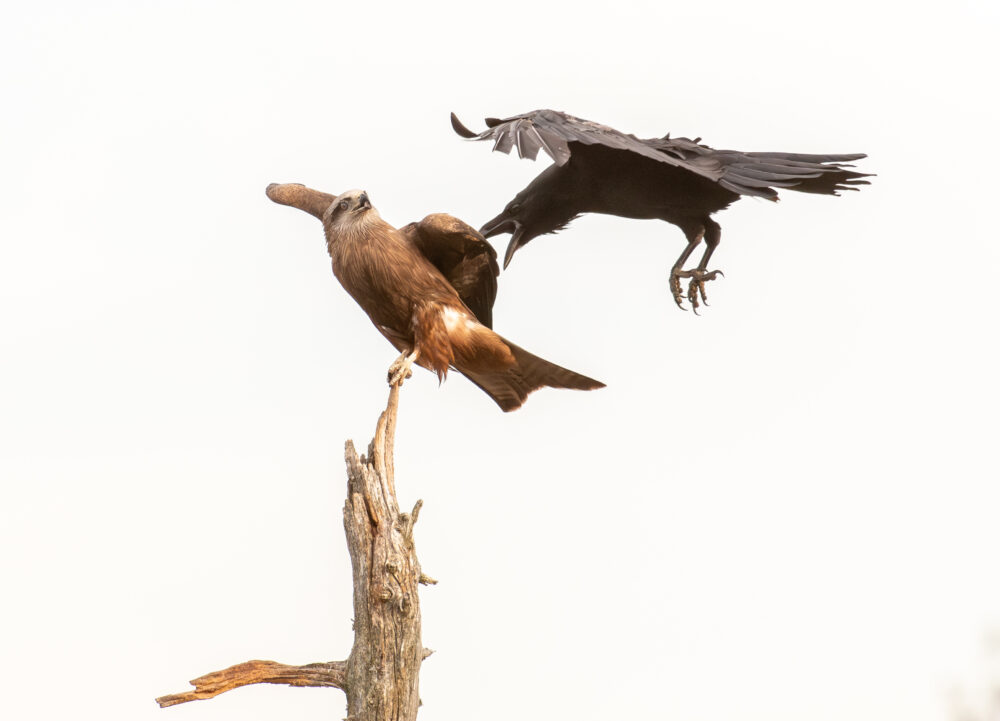
For the Finnish public, the red kite represents an opportunity to witness a world-class aerial performer. Their intelligence, agility, and unique social behaviors—often interacting with other species in complex, competitive dances—make them a vital part of the natural narrative.
As we look toward the remainder of the 2026 season and beyond, the red kite remains a symbol of the wild’s resilience. Whether they are dodging a territorial raven or performing a mid-air feast, they remind us that the natural world is defined not just by the creatures that live within it, but by the extraordinary ways they have evolved to master their environment.
To support the continued study and protection of such species, it is essential to back organizations that focus on environmental journalism and habitat conservation. The work done by researchers and photographers like those featured in Vuosi luonnossa is not merely for aesthetics; it is a documentation of life that informs us how to better coexist with the birds that share our horizon. As the seasons change, we wait with anticipation to see if the red kite will continue to grace our northern skies, a small but significant population that adds depth and drama to the Finnish wilderness.