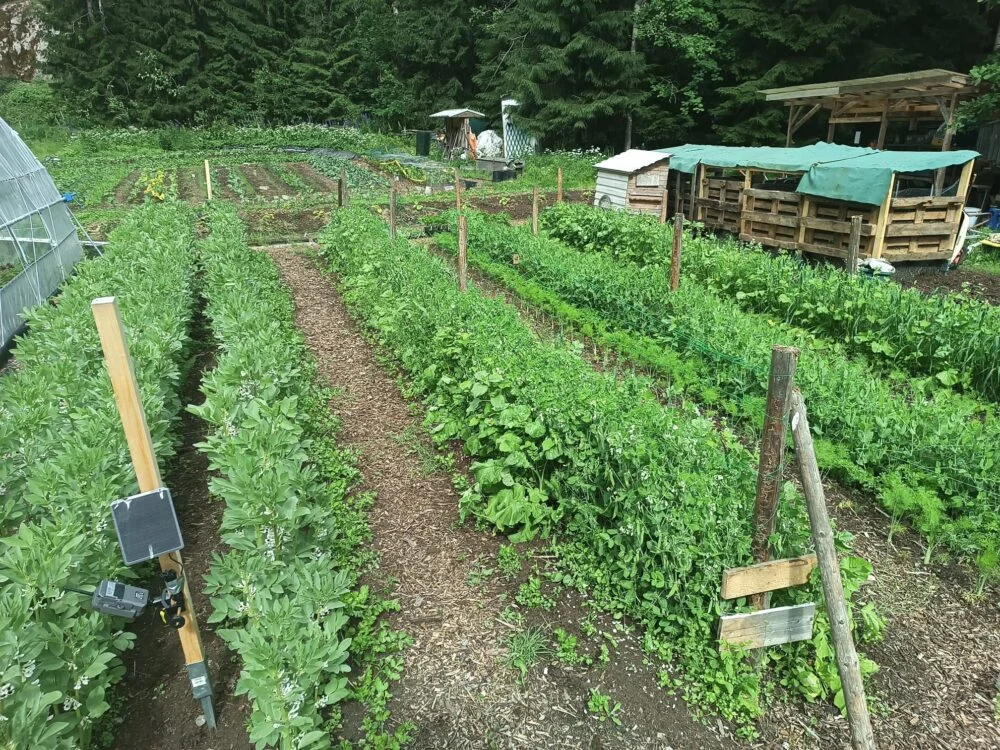
In the tapestry of a thriving vegetable garden, few plant families offer as much structural beauty, soil-enriching power, and culinary delight as the Fabaceae—the humble yet mighty legume. From the slender, climbing runner bean to the sturdy, protein-packed fava bean, legumes represent an essential cornerstone of sustainable gardening and nutrition. As we move through the heart of the summer season, it is the perfect time to celebrate the abundance provided by these nitrogen-fixing wonders.
The Science of Symbiosis: Why Legumes Are Garden Gold
At the root of every successful legume lies a fascinating biological partnership. Legumes are renowned for their ability to form a symbiotic relationship with Rhizobia bacteria. These microorganisms reside in small nodules on the plant’s root system, where they perform the "miracle" of nitrogen fixation—converting atmospheric nitrogen into a form that plants can readily utilize.
This unique capability not only fuels the vigorous growth of the beans and peas themselves but also enriches the surrounding soil, leaving behind a legacy of nutrients for the next generation of crops. For the gardener, this means that legumes act as natural fertilizers, making them an indispensable companion for nitrogen-hungry vegetables like brassicas or leafy greens. Incorporating a diverse range of peas, beans, and vetches into your planting rotation is one of the most effective strategies for maintaining soil fertility without the need for synthetic additives.
A Seasonal Chronology: From Early Sprouts to Autumn Harvests
The beauty of cultivating legumes lies in the extended harvest window they provide. A well-planned garden can offer fresh, nutrient-dense produce from the first warm days of spring well into the crisp weeks of late summer.
Spring: The First Taste of Green
As the soil begins to warm, the first highlight for the gardener is the pea shoot. Often overlooked, these tender, succulent greens are the perfect solution for those early-season cravings for fresh produce. By sowing seeds densely, one can harvest shoots while thinning seedlings for the main crop. They provide an essential burst of chlorophyll and delicate flavor at a time when the rest of the garden is still waking from its winter slumber.
Early Summer: The Crisp Snap of the Sugar Pea
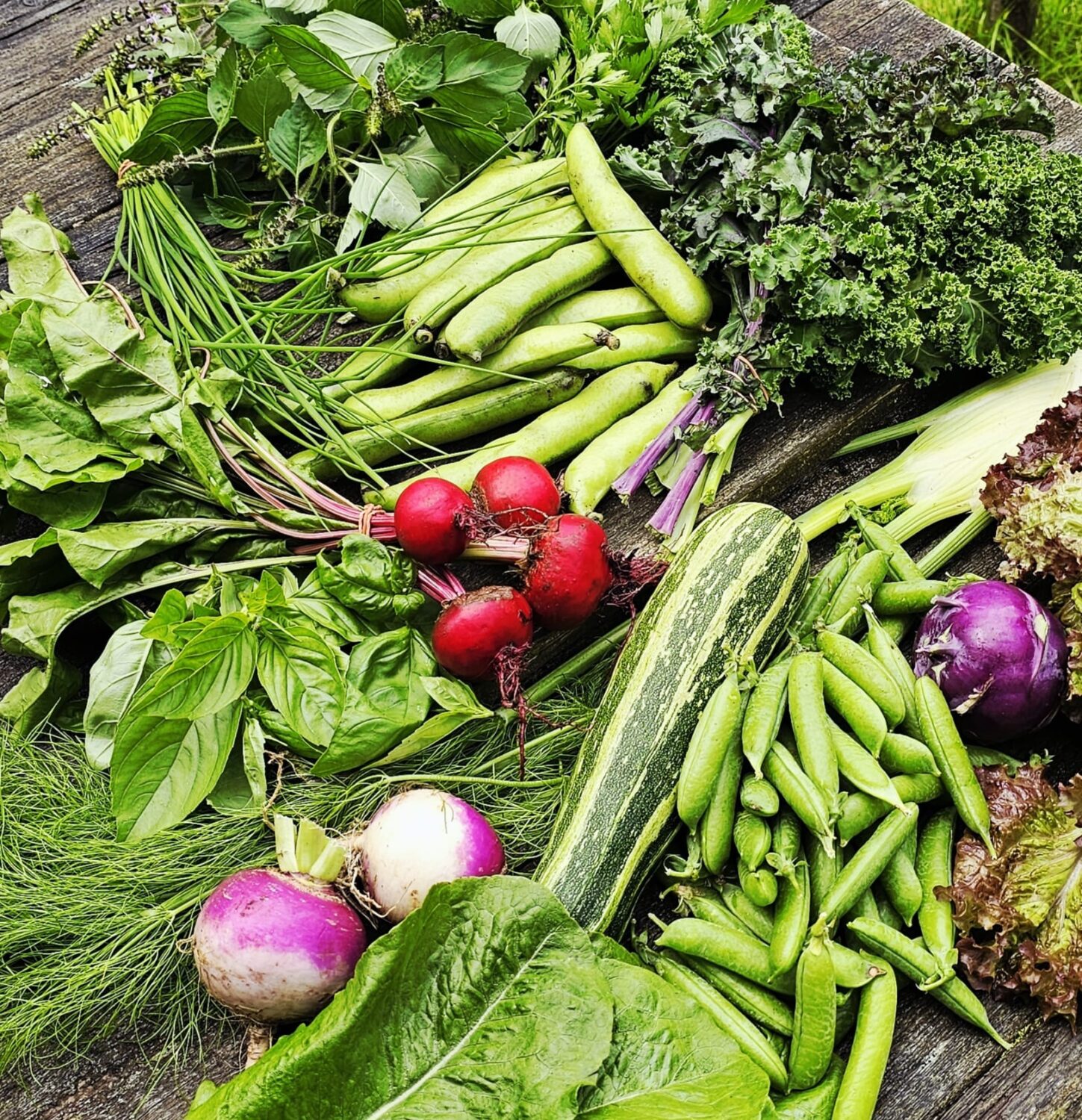
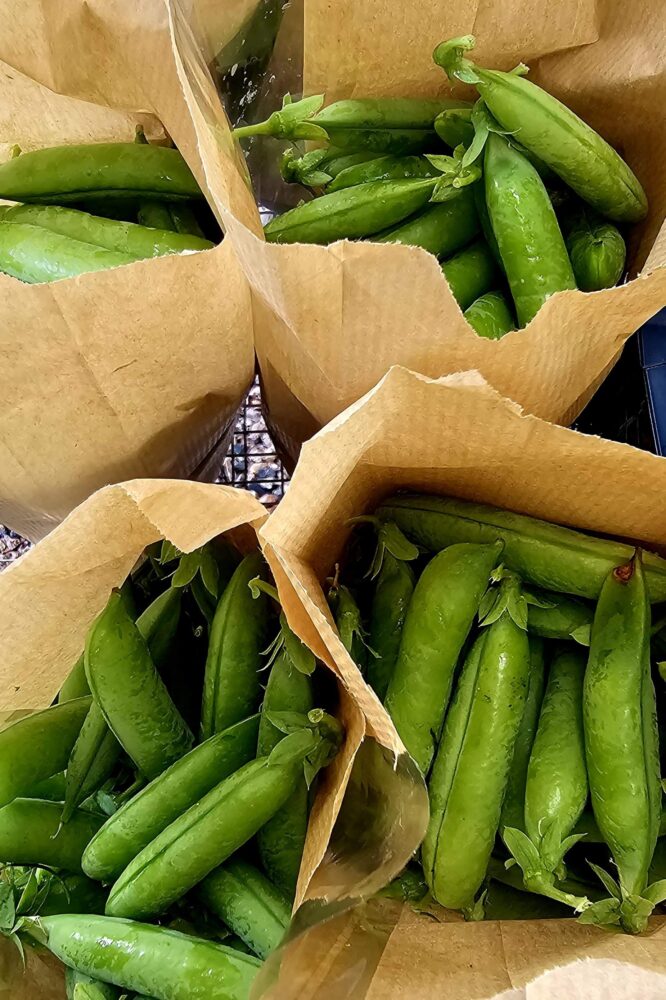
By mid-June, the focus shifts to the Pisum sativum, or sugar pea. Varieties like ‘Norli’ have become staples for many, offering crisp, edible pods that are as delicious raw in a garden salad as they are lightly seared in a summer stir-fry. These early-season producers are a testament to the success of careful variety selection, often providing a bountiful harvest well before the height of summer.
Mid-to-Late Summer: The Main Event
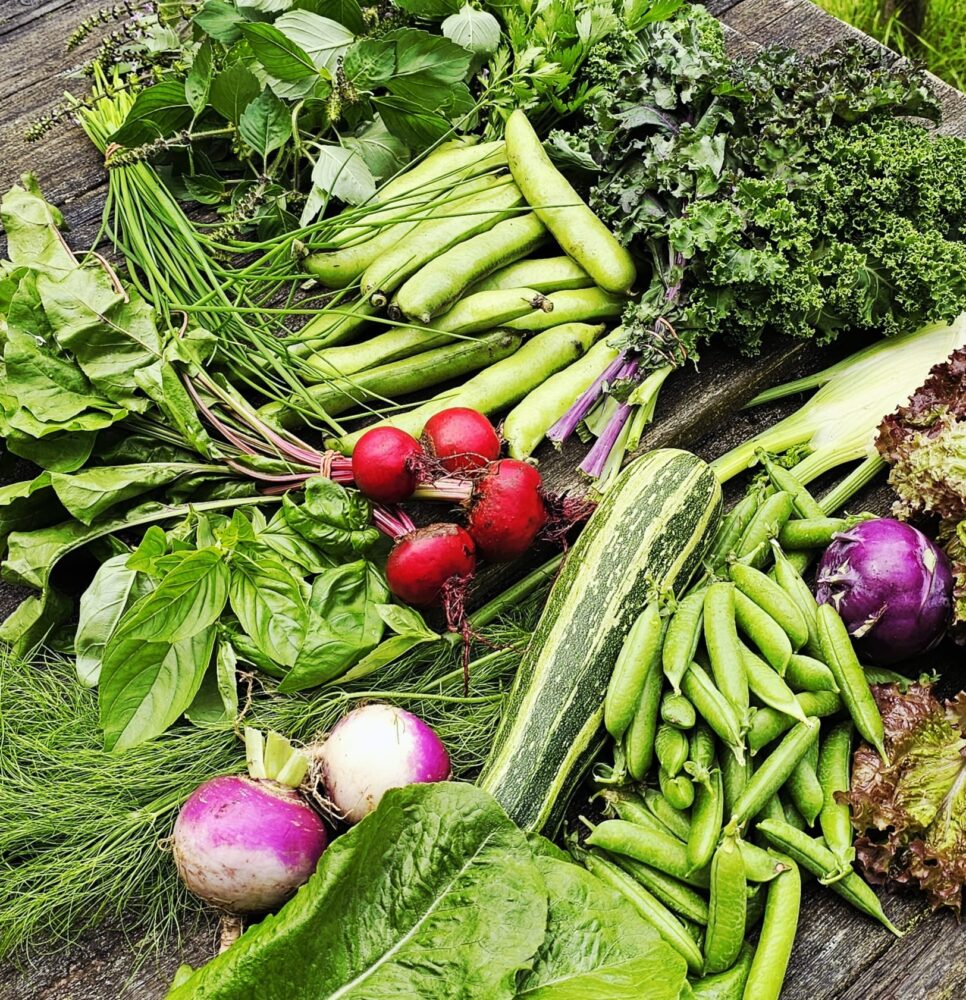
As July progresses, the garden transforms. This is the period when "shelling" peas, such as the reliable ‘Ambassador’ variety, reach their peak. While it is tempting to process these into classic soups, many gardeners find that the flavor of a freshly plucked pea is so superior that it never makes it past the garden gate.
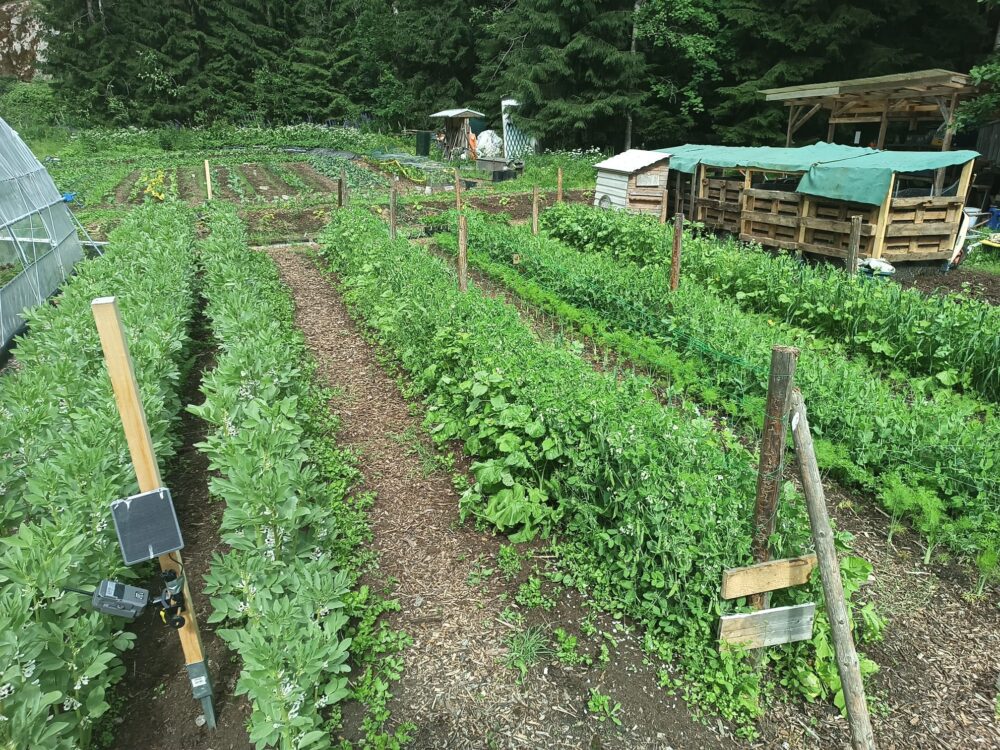
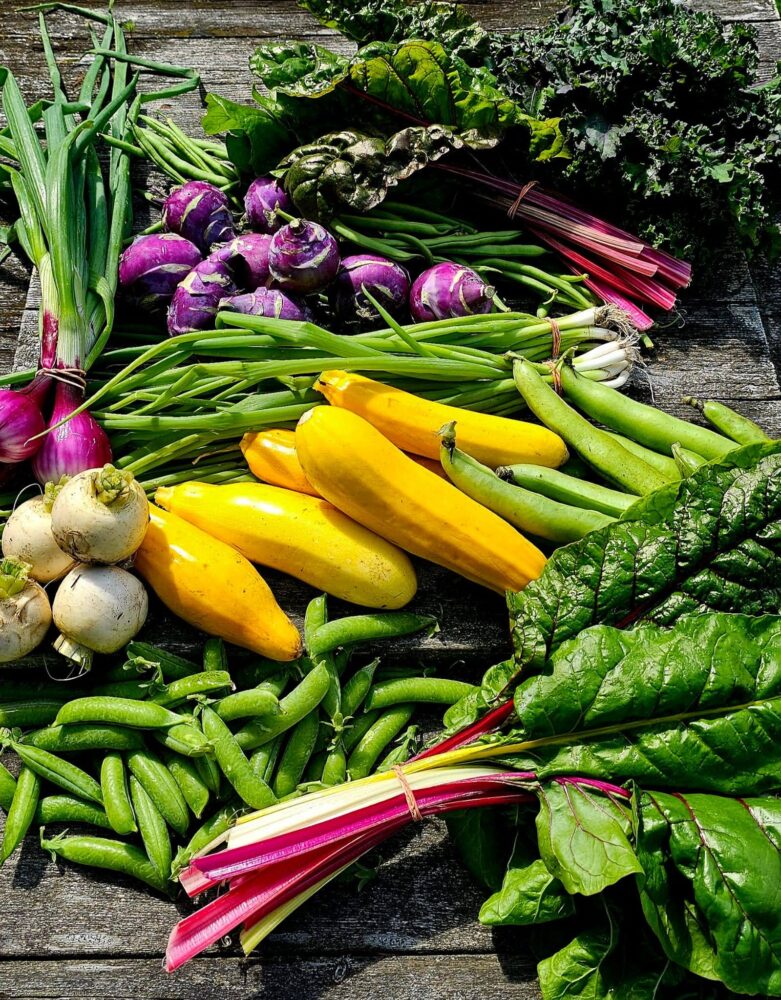
Simultaneously, the tall, regal fava beans (Vicia faba) and climbing beans (Phaseolus vulgaris) begin to dominate the landscape. Fava beans, in particular, require thoughtful support; their heavy, nutrient-dense pods can cause plants to topple if left untethered. Meanwhile, varieties like ‘Marona’ provide a consistent yield of tender green beans, while the exotic ‘Sanguigno’—a borlotti bean characterized by its stunning pink-marbled pods—adds a touch of visual drama to the vegetable bed.
Supporting Data: Culinary Heritage and Nutritional Density
The historical significance of the legume in Northern European diets cannot be overstated. Long before the potato arrived on the continent, the pea and the fava bean were the primary staples of the common diet. Throughout the early 20th century, these crops formed the backbone of local food security.
Today, we are witnessing a resurgence of interest in these ancient powerhouses. Modern nutritional science confirms what our ancestors knew instinctively: legumes are dense with plant-based protein, complex carbohydrates, and essential minerals. Despite this, a significant portion of current domestic production in many Nordic regions is still diverted to animal feed. The shift toward human consumption is not merely a trend; it is a necessary evolution toward more sustainable, plant-forward diets.
The Art of Fermentation
A common barrier to the frequent consumption of legumes is the digestive discomfort often associated with their high fiber and complex sugar content. However, traditional preservation methods offer a remedy. Fermenting beans and peas in a simple three-percent salt brine not only extends the shelf life but also enhances digestibility.
By pre-treating legumes through fermentation, the complex carbohydrates that often cause bloating are broken down, making the beans far easier for the human body to process. This simple, ancient technique transforms a heavy ingredient into a light, flavorful, and gut-friendly component of the daily meal.
Expert Perspectives: Integrating Legumes into Modern Cuisine
When discussing the culinary potential of the fava bean, it is useful to look toward regions where they have never fallen out of favor. In Ethiopia, for instance, the dish ful medames—a slow-cooked stew of fava beans, onions, and tomatoes—is a breakfast staple.
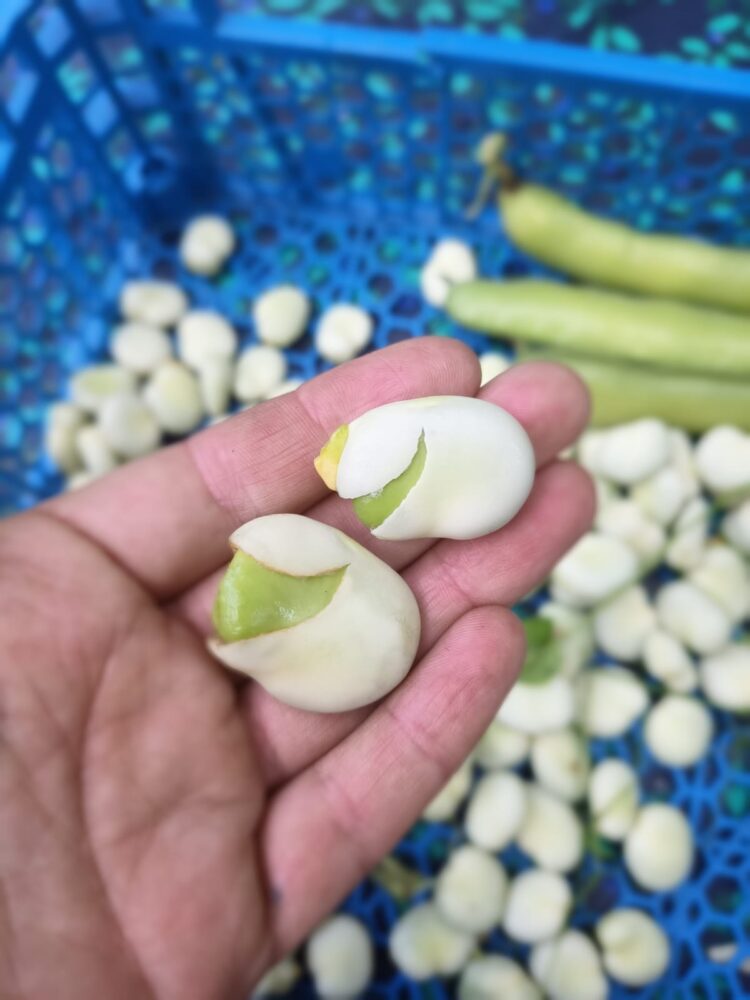
For the home cook, the preparation of fresh fava beans is a labor of love that yields high rewards. After a short blanching of 5 to 10 minutes in salted water, the outer, slightly bitter skin can be removed to reveal the bright, emerald-green interior. This "green gold" is remarkably versatile. It can be lightly mashed with herbs like dill and spread over toasted sourdough, or incorporated into robust vegetable soups. Indeed, for those attending summer gatherings, a bowl of freshly prepared, seasoned fava beans serves as a sophisticated, interactive alternative to traditional appetizers like shellfish.
Implications for the Future of Gardening
The diversity of the Fabaceae family extends beyond the common garden bed. Enthusiasts are now exploring perennial varieties such as the tuberous pea (Lathyrus tuberosus). Often referred to as "earth chestnuts," these plants produce small, dark, mouse-shaped tubers that offer a flavor profile remarkably similar to roasted chestnuts. While they remain a niche crop, they represent the untapped potential within the botanical world to provide unique, high-quality food sources from our own backyards.
Sustainability and Soil Health
The move toward incorporating more legumes into the garden is an investment in the future. As we face global challenges regarding soil degradation and the high environmental cost of industrial agriculture, the humble bean remains a model of efficiency. By fixing their own nitrogen and providing high-quality protein with minimal water and land requirements, legumes are the ultimate "climate-smart" crop.
Cultivating Community
The act of growing, harvesting, and sharing legumes is a communal experience. Whether it is the shared labor of shelling a bucket of peas on a porch or the excitement of discovering a new, exotic variety of runner bean, these plants connect us to the seasons and to each other.
As we look toward the remainder of the growing season, the message is clear: whether you have a large plot or a few containers on a balcony, there is always room for a legume. By embracing the full cycle—from the soil-enriching roots to the nutrient-dense harvest—we participate in a tradition that is as old as agriculture itself.
Conclusion: A Call to the Garden
As the summer wanes and the final harvests are gathered, let us reflect on the bounty of the bean. Through thoughtful selection, careful cultivation, and a willingness to explore traditional preparation methods like fermentation, we can unlock the full potential of these plants. May your harvest be plentiful, your soil remain rich, and your plate be filled with the vibrant, protein-packed treasures of the Fabaceae family.
Happy harvesting to all, and may your garden be a source of constant wonder and sustenance.