Introduction: A Season Between Two Worlds
In the Finnish Archipelago, the calendar says autumn, but the thermometer tells a different story. While the birch leaves have begun to surrender to the gold of October and the aspens glow with an intense, fiery crimson, the Saaristomeri (Archipelago Sea) remains locked in a stubborn, lingering embrace of summer. Meteorologically, the thermal autumn—defined as the point when the 24-hour mean temperature consistently falls below +10°C—has yet to arrive. Instead, the forecast remains a near-horizontal line, hovering stubbornly between 12 and 15 degrees Celsius.
This state of climatic limbo creates a unique atmosphere for those who venture into the national park. The air is mild, the water retains the warmth of the departing season, and the sharp bite of winter is still a distant promise. It is a time of quiet transition, where the vibrant life of the peak summer season has retreated, leaving behind a serene, almost meditative landscape that challenges our conventional understanding of the turning seasons.
Chronology: A Journey to Sandön
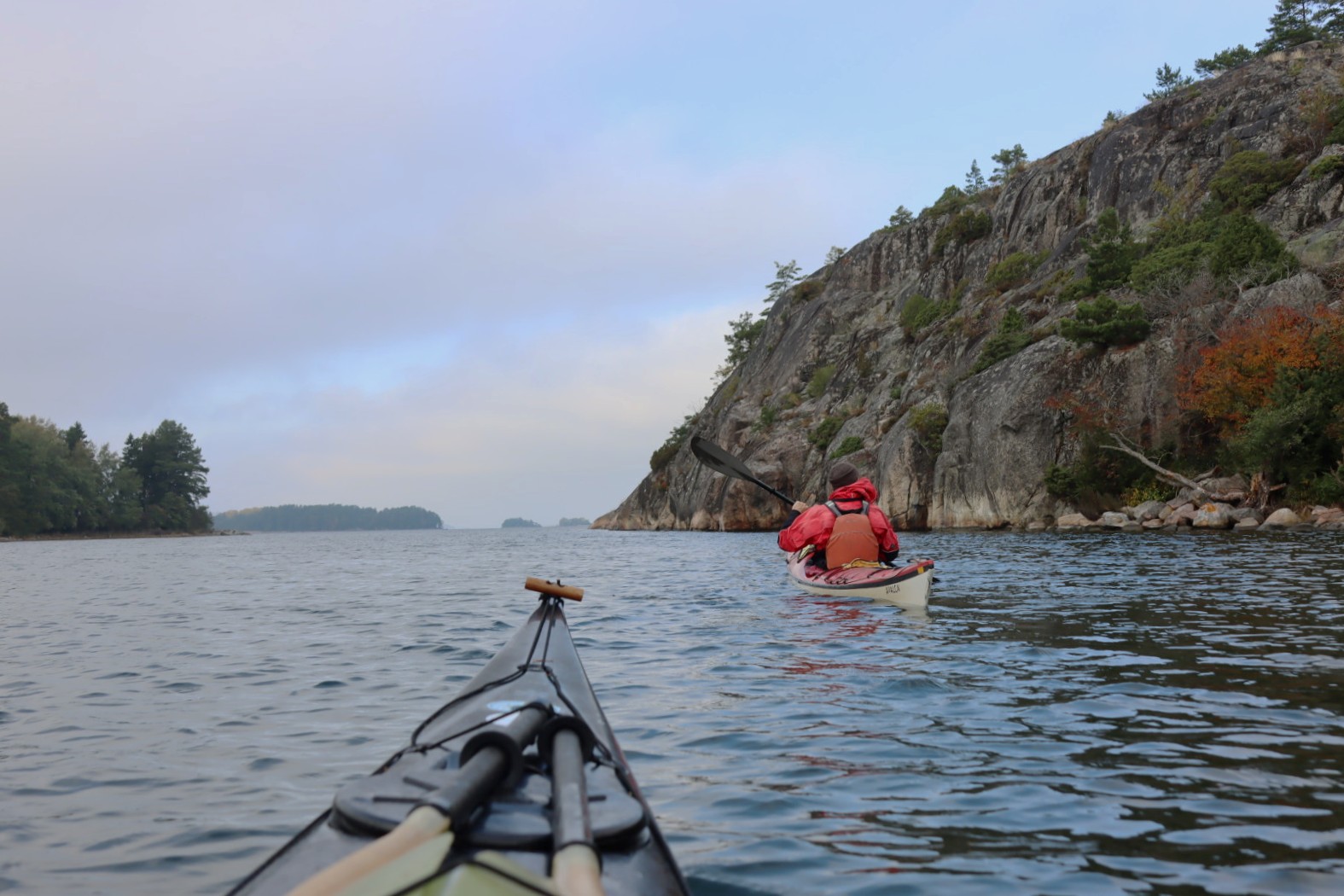
To witness this transition firsthand, we embarked on an overnight expedition to the island of Sandön, located deep within the Archipelago Sea National Park. The journey began under a shroud of mystery, as the vast, open horizon was swallowed by a thick, persistent mist. The sun, promised by the weather models, remained hidden, turning the day into a monochromatic study in grey.
Morning to Midday: The Silent Passage
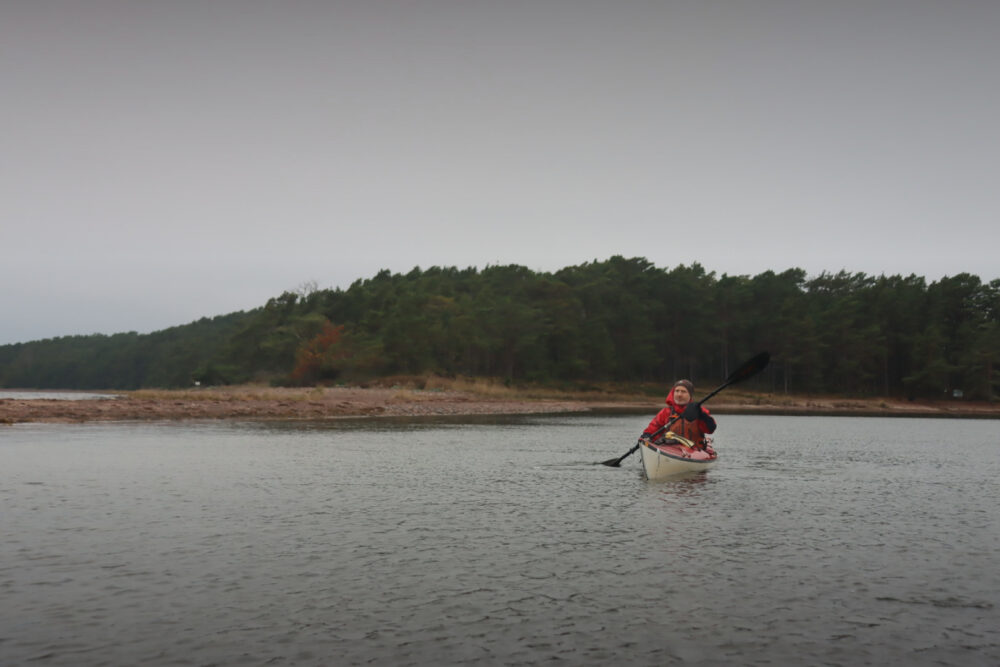
As we paddled through the quiet channels, the sensory shift was immediate. The familiar, frantic hum of motorboats—the soundtrack of the Finnish summer—was entirely absent. The busy ferry routes and crowded waterways were deserted, allowing us to traverse the sea with an uncharacteristic, profound sense of solitude. Without the need to navigate around heavy maritime traffic, the rhythm of the paddle against the water became the only constant.
Afternoon: The Arrival and the Challenge of Humidity
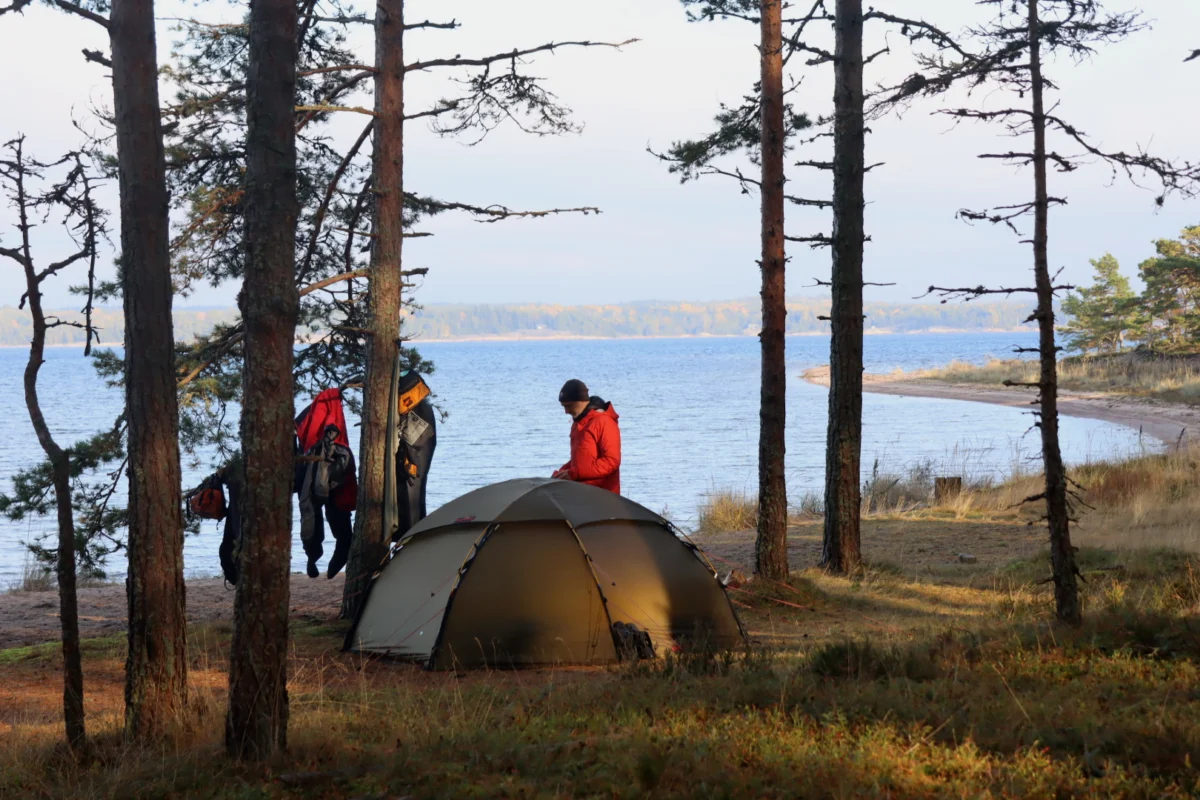
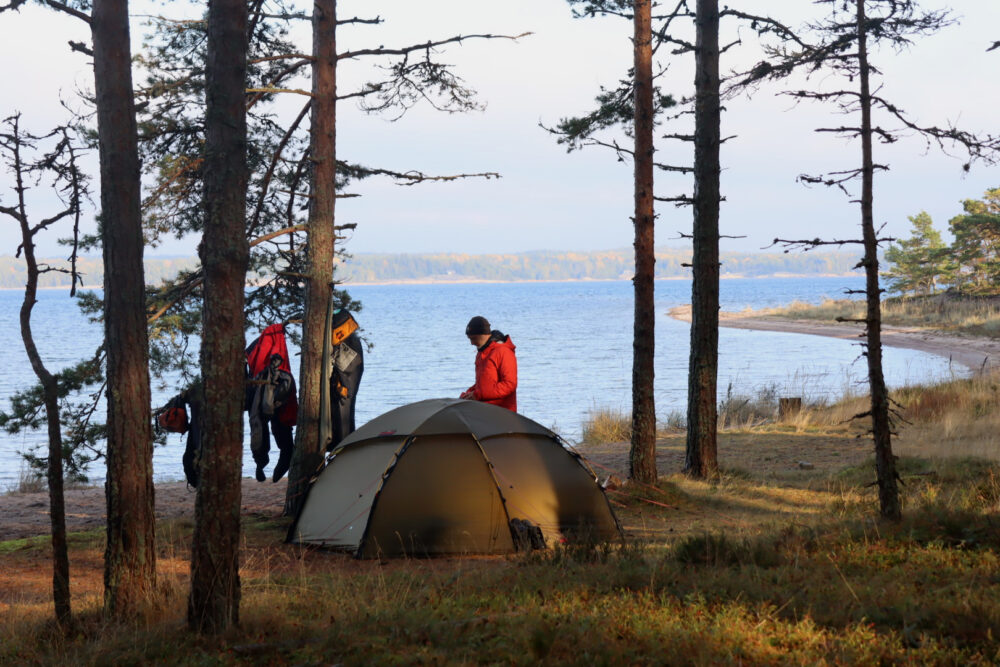
By late afternoon, we reached the western shore of Sandön. The pine forest offered a welcome, natural windbreak, a necessary respite as we set up our base camp. However, as we hung our salt-sprayed paddling gear from the sturdy branches of the pines, we encountered a defining characteristic of this particular season: the relentless, pervasive humidity.
Unlike the dry, crisp days of mid-summer, October in the archipelago is characterized by moisture that seems to hang suspended in the air. This humidity clings to everything—the surface of the kayaks, the fabric of the tents, and the layers of our clothing. Once an item is dampened by the evening mist, it refuses to dry. It serves as a stark reminder that while the temperature may be warm, the biological and atmospheric rules of summer no longer apply. Prolonged expeditions in such conditions would be challenging, as the persistent dampness creates a constant risk of mold and discomfort.
Supporting Data: The Phenomenon of "Thermal Inertia"
The unusual warmth we experienced is not merely a subjective feeling but a result of "thermal inertia"—the sea’s ability to store heat long after the sun’s intensity has waned. Because the Baltic Sea and the Archipelago Sea are massive bodies of water, they act as heat sinks.
- Temperature Stability: Data from local maritime stations consistently show that during mid-October, the water temperature remains several degrees warmer than the surrounding landmasses. This keeps the coastal air temperatures elevated, delaying the onset of the thermal autumn by several weeks compared to inland regions.
- Atmospheric Moisture: The lack of significant temperature fluctuations between day and night (the "horizontal line" in the forecast) prevents the typical autumnal cooling cycles. This results in the heavy, lingering mists that define the coastal landscape during this period.
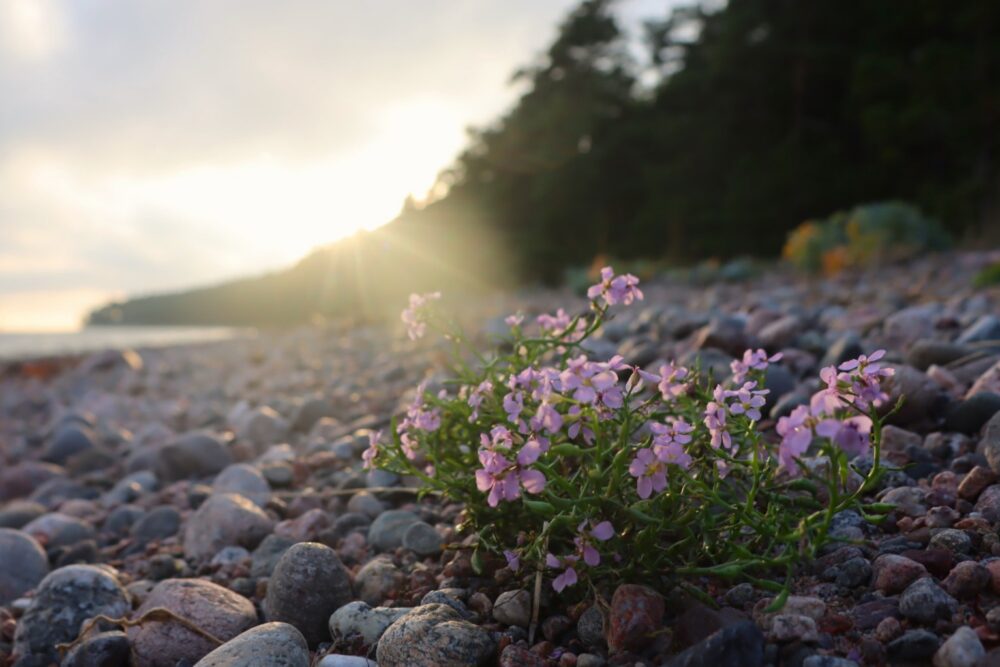
- Biological Indicators: Despite the calendar, the persistence of blue-green algae remnants in the water and the late-blooming flora confirm that the ecosystem is still operating on a summer-time schedule, even as the trees turn color.
The Aesthetic Shift: When the Sun Breaks Through
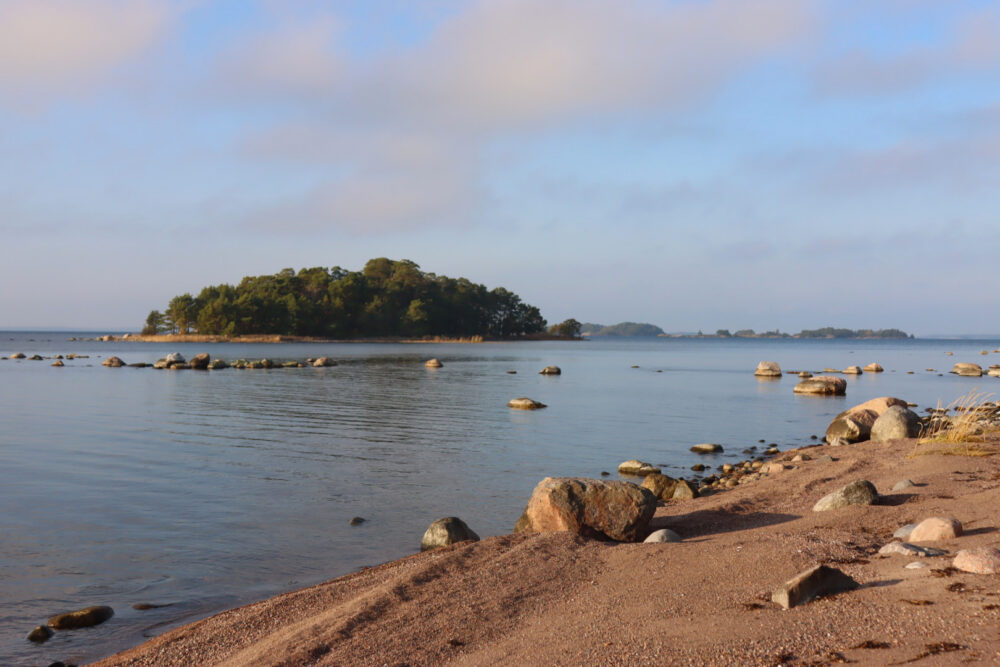
Before the light failed entirely, we wandered the shoreline. It was then that the clouds parted, providing one of those rare, transformative moments that define the archipelago. The dull, pastel-toned landscape was suddenly flooded with light, turning the scenery into an oil painting of profound intensity. The sand beneath our feet seemed to ignite with a golden luster, and the sea shifted from a flat, neutral grey to a deep, resonant indigo.
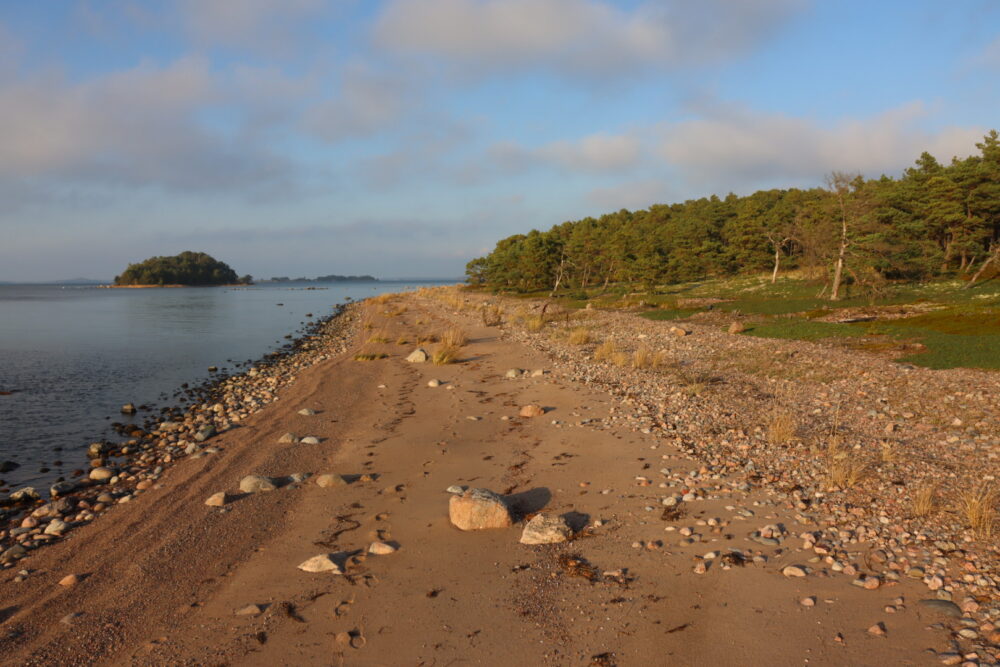
For a few fleeting moments, we stood on the wind-protected side of the island, where the water was perfectly still. It felt impossible to believe that it was October. We had been granted a reprieve—a "bonus summer"—that felt both beautiful and surreal. This juxtaposition of a cold-weather month with the warmth of a summer afternoon creates a psychological dissonance for the visitor; you are intellectually aware of the impending winter, but your senses are telling you that the season of warmth is still in full swing.
Official Perspectives and Environmental Context
While our experience was one of beauty, it sits within a broader context of shifting environmental norms. Climate scientists note that the extension of the "warm season" in the Baltic region is becoming increasingly common.
According to regional environmental reports, the delay in the cooling of the sea surface is affecting migratory patterns of birds and the dormancy cycles of coastal vegetation. While this creates a longer window for outdoor recreation and maritime activities, it also places stress on ecosystems that rely on a more rapid transition into the winter dormancy period. The "summer-like" October is no longer an anomaly; it is part of a warming trend that is fundamentally altering the character of the Finnish archipelago.
Implications: The Future of Archipelago Tourism
The experience at Sandön raises significant questions regarding the future of outdoor tourism in Finland. As the shoulder seasons expand, the traditional "peak season" definition is beginning to fray.
- Safety and Logistics: The increased humidity and shorter daylight hours require a higher level of preparation for paddlers and campers. Equipment that suffices in July is inadequate in October. The risk of hypothermia is deceptive; because the air feels warm, travelers may be less likely to carry the necessary emergency gear.
- Sustainability: With fewer visitors in October, the impact on the national park is minimal, allowing for a more intimate connection with nature. However, the increased pressure to extend the tourism season must be balanced against the need to protect sensitive island ecosystems during their transition periods.
- The Value of Quiet: Perhaps the most significant implication is the discovery of the "off-season." As the world becomes increasingly connected and noisy, the value of the deserted, misty, and silent archipelago in October provides a necessary psychological refuge.
Conclusion: A Final Reflection
As morning broke on our final day, the island of Sandön felt different again. The air was thick, almost tangible in its moisture. I had slept with my sleeping bag open—a testament to the lingering warmth—yet the dampness of the air was a constant reminder of the season.
We packed our gear, loaded the kayaks, and pushed off into the familiar, rhythmic cadence of the paddle. As we left the shore, a light drizzle began to fall, once again turning the world into a pastel-hued dreamscape. Our drysuits, essential in this environment, kept the cold at bay.
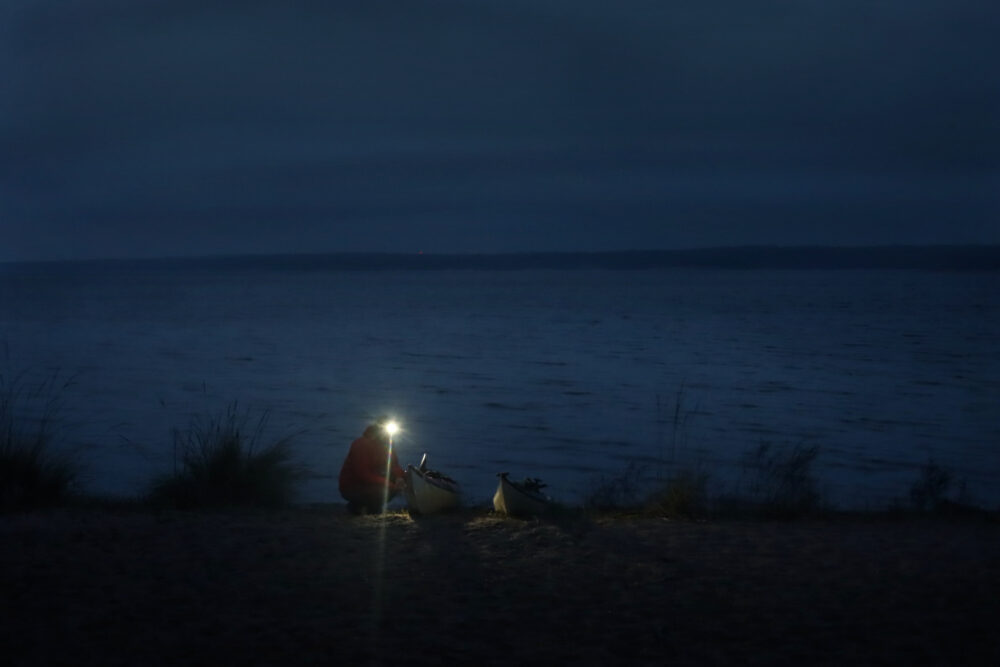
We will return to the archipelago. There is a profound, magnetic pull to these islands, particularly when the true autumn finally arrives to claim them, and before the heavy, final hand of winter shuts the water down. Until then, we carry the memory of that golden, surreal October afternoon—a reminder that nature, in its infinite complexity, often defies our calendars and expectations.