By Samuli Haapasalo
Published: August 18, 2026
At a casual glance, they are easily dismissed. Often described as nothing more than “greyish sparrows,” the pipits (Anthus) are frequently overlooked by the casual observer. Yet, to those who spend their lives listening to the rhythms of the wilderness, these birds are the essential soundtrack of the North. From the windswept arctic tundra to the desolate, rocky outcrops of the Baltic archipelago, the pipits serve as the connective tissue of our northern ecosystems.
In this deep dive into the avian life of the Varanger Fjord and beyond, we explore the subtle beauty, the ecological significance, and the identification challenges of these masterful survivors.
Main Facts: The Identity of the Pipits
Pipits are small, ground-dwelling passerines that belong to the family Motacillidae. While they share a superficial resemblance to sparrows, their behavior, vocalizations, and specialized anatomical features set them apart as distinct masters of open landscapes.
The primary species defining the northern landscape include:
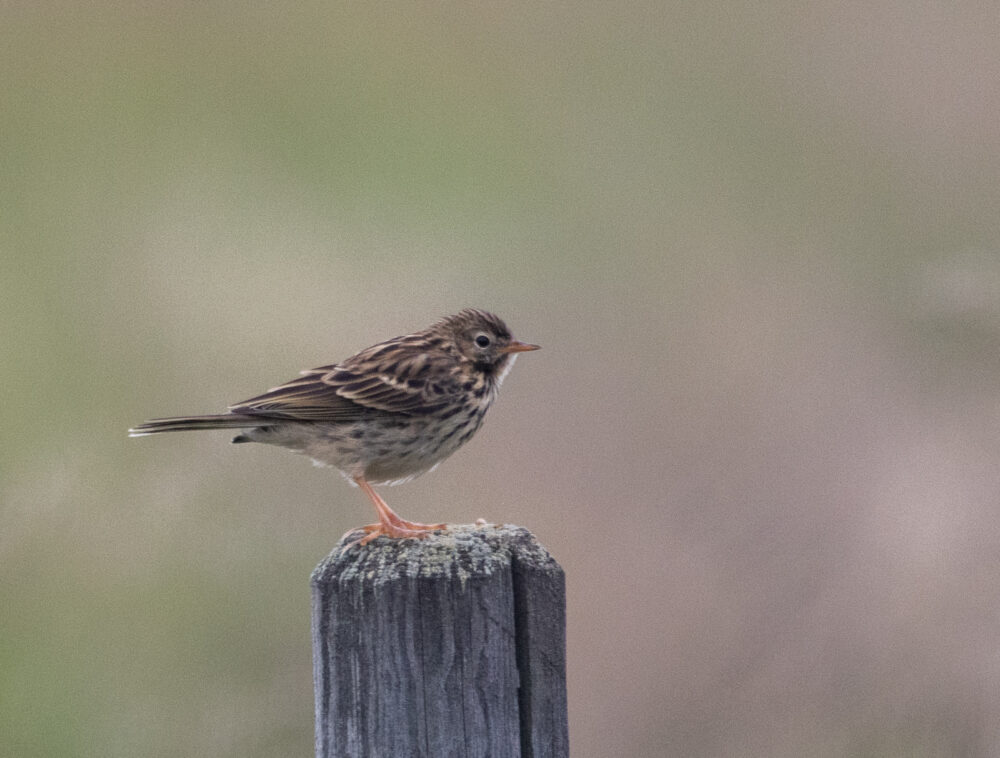
- The Meadow Pipit (Anthus pratensis): Perhaps the most common, its presence is the backbone of northern meadow and bog acoustics. Its rhythmic "ist-ist" call and characteristic "parachuting" flight display are defining features of the Finnish summer.
- The Red-throated Pipit (Anthus cervinus): A true denizen of the northern reaches of Lapland. Its sharp, elongated "psiii" call is a hallmark of the high north.
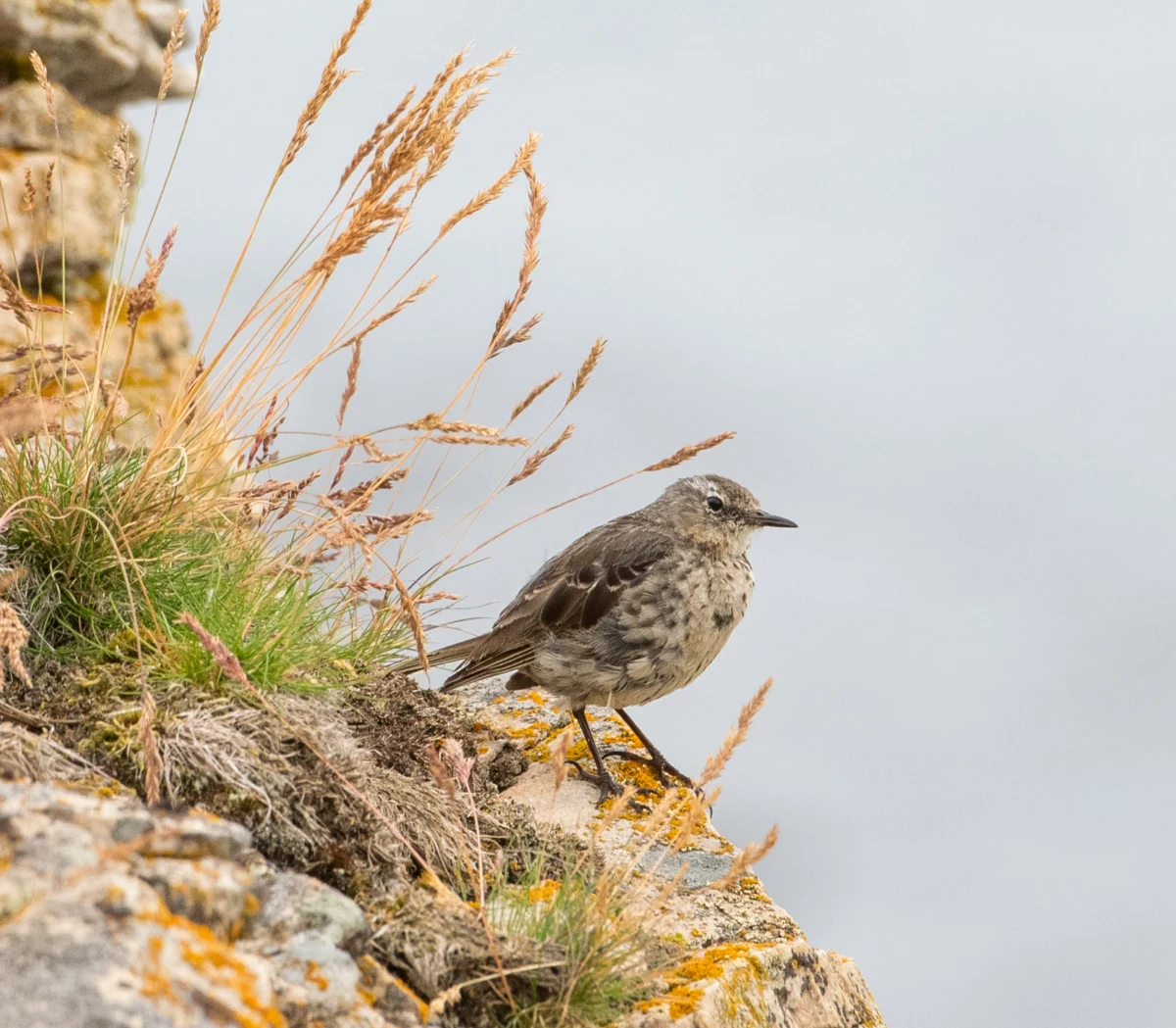
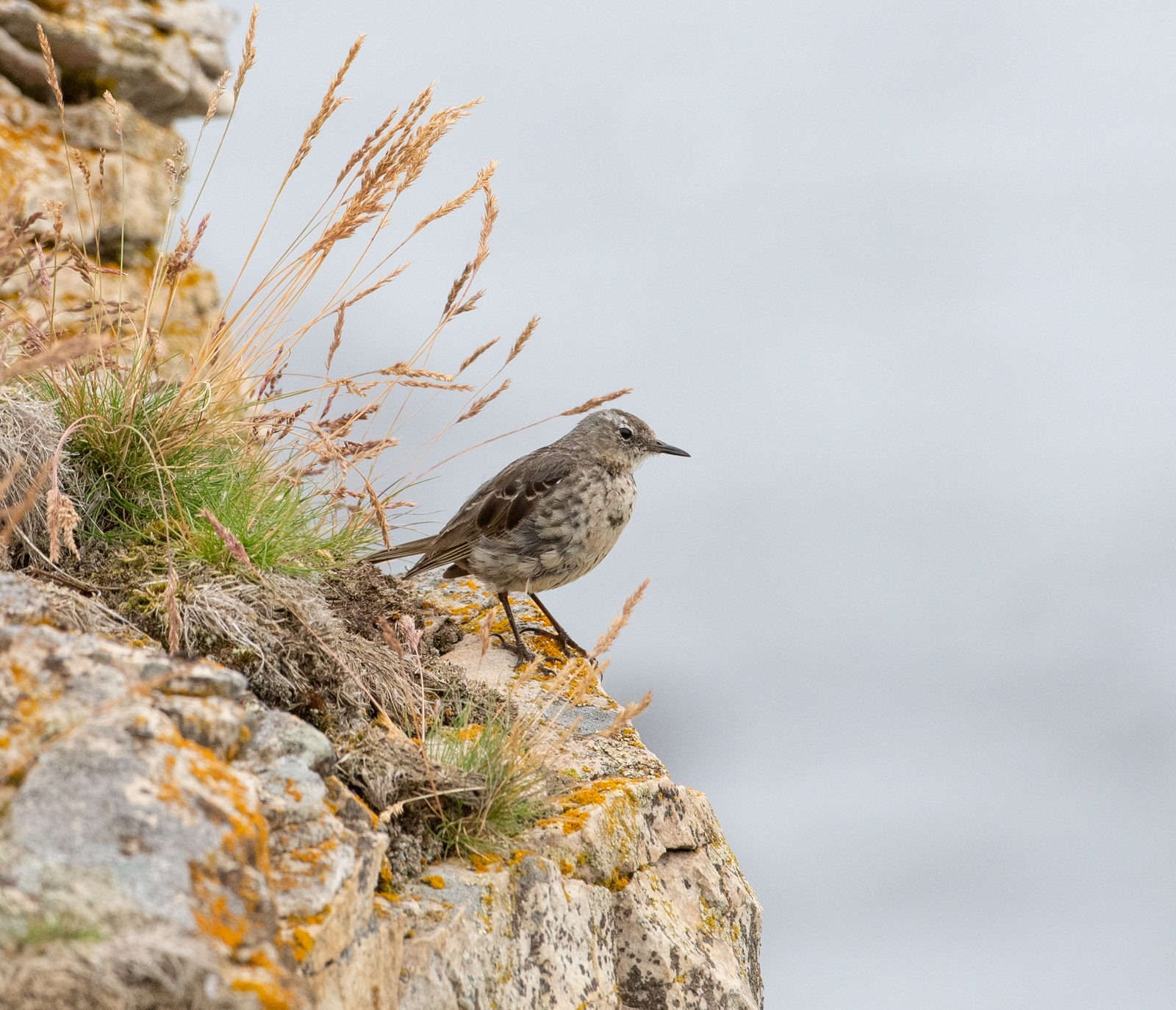
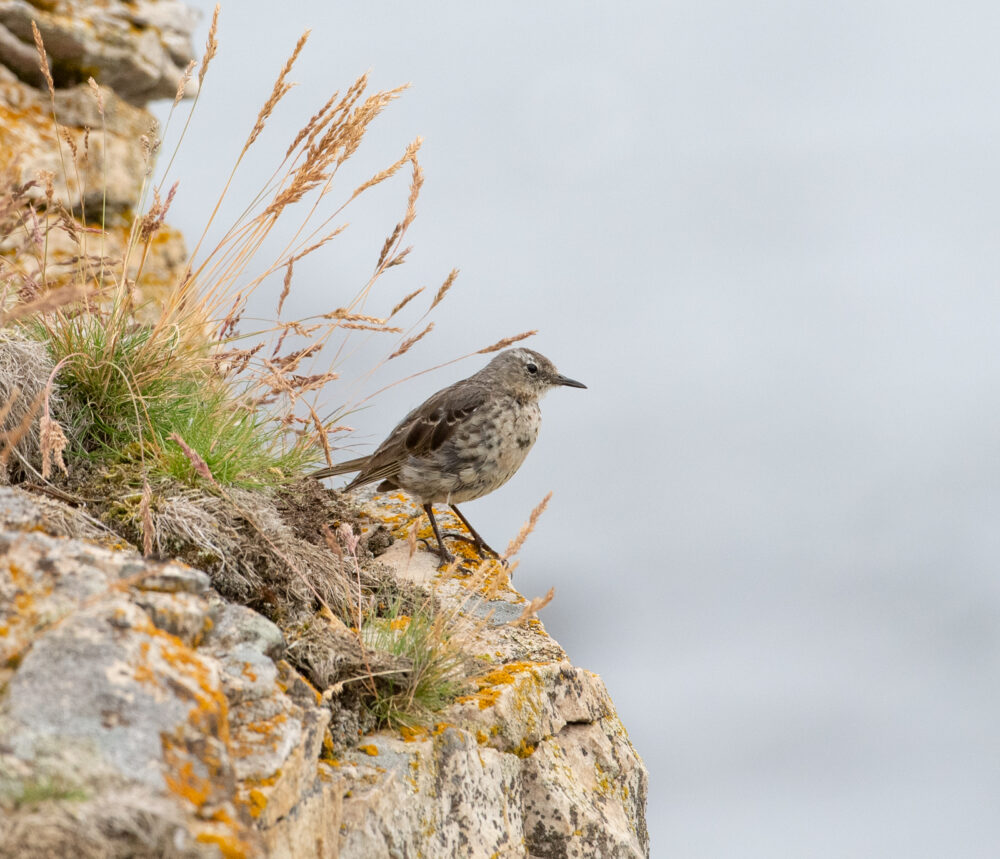
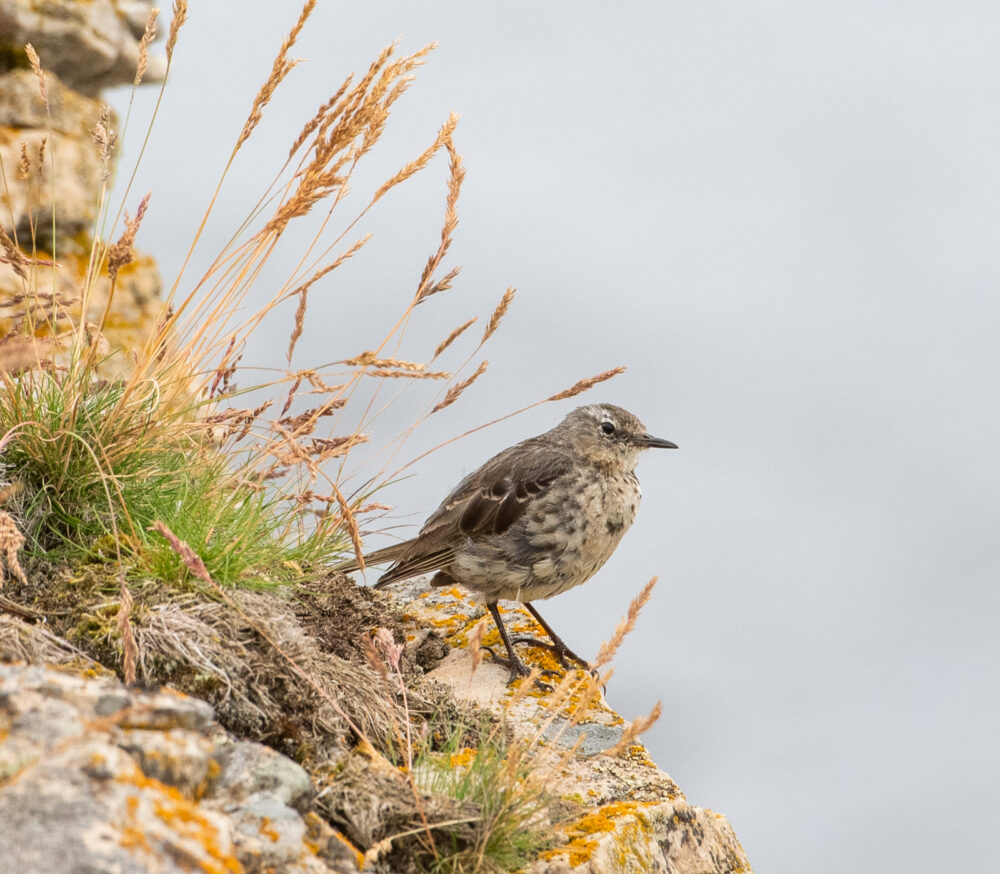
- The Rock Pipit (Anthus petrosus): The master of the barren coastline. Known for its precise, stoic demeanor, it occupies niches that few other passerines dare to inhabit.
- The Tree Pipit (Anthus trivialis): A bird that brings the dry pine heaths to life with its distinct song-flight.
Without these species, the northern wilderness would fall into a profound, unnatural silence. They are the architects of the soundscape, the small lives that make the vast emptiness feel like a living, breathing entity.
Chronology: Observations from the Varanger Fjord
During a late summer expedition (July–August 2026) to the Varanger Fjord in Northern Norway—specifically the Ekkerøy peninsula—the behavior of these birds provided a masterclass in adaptation.
Late July 2026: Upon arrival at the Ekkerøy bird cliffs, the immediate observation was the density of the bird life. While the site is famous for its Black-legged Kittiwakes, the presence of the Rock Pipit was striking. Unlike many other passerines that shy away from the cacophony of a seabird colony, the Rock Pipit exhibits a unique "neighborly" relationship with the larger cliff-dwellers.
Early August 2026: Detailed observations focused on the morphological distinctions between the Rock Pipit and the more common Meadow Pipit. While the Meadow Pipit is ubiquitous across the surrounding grasslands, the Rock Pipit maintains a strict adherence to the shoreline.
Mid-August 2026: Final synthesis of field notes revealed the specific identifiers for the Rock Pipit: long, dark legs; a relatively long, robust bill; a faint, blurred supercilium (eye-stripe); and a pale, barely discernible eye-ring. By comparing these specimens side-by-side with the Meadow Pipit, the differences become immediately apparent, turning a "greyish sparrow" into a creature of distinct individual character.
Supporting Data: Comparative Ecology and Identification
The distinction between the Meadow Pipit and the Rock Pipit is not merely academic; it is an exercise in observing evolutionary adaptation.
Morphological Comparison Table
| Feature | Meadow Pipit | Rock Pipit |
|---|---|---|
| Leg Color | Typically pale/pinkish | Dark/Brownish-black |
| Bill Length | Shorter, finer | Longer, more robust |
| Habitat Preference | Meadows, bogs, heaths | Coastal rocks, cliffs |
| Eye-ring | Often more distinct | Pale, barely visible |
The ecological strategy of the Rock Pipit is particularly fascinating. It is one of the few passerines that successfully occupies the "fringe" of seabird colonies. By nesting on the edges of cliff-side communities or on the adjacent rocky terrain, they benefit from the nutrient-rich environment without competing directly with the larger colonial breeders.
Official Responses and Conservation Status
The status of these birds, while stable in some regions, is subject to the broader pressures of environmental change.
In Finland, the Rock Pipit population remains sparse but has shown signs of stabilization and modest growth within the outer archipelagos of the Gulf of Finland and the Gulf of Bothnia. However, experts are watching closely as climatic shifts impact their breeding grounds.
Conversely, species like the Snow Bunting (Plectrophenax nivalis), which once shared the open tundra with the pipits, have seen a decline in their range. Ornithologists suggest that the shrinking availability of suitable habitat, combined with changing conditions in their southern wintering grounds, has forced a contraction of their northern presence. The pipits, though currently more resilient, serve as bio-indicators. If the pipits were to vanish, it would signal a total collapse of the trophic structures that support the northern heaths and coastal fringes.
Implications: The Fragile Soundscape
The study of pipits is not just about birdwatching; it is about the preservation of the northern character. The "psiii" of the Red-throated Pipit and the "ist-ist" of the Meadow Pipit are more than just sounds—they are cultural heritage. They are the sounds that greet the hiker in the fell, the researcher in the tundra, and the villager on the coast.
Why They Matter
- Ecological Niche Filling: Pipits consume vast quantities of insects in areas where other birds cannot survive, acting as a natural regulator of insect populations.
- Climate Change Sentinels: Because they are highly sensitive to vegetation changes in the tundra and coastal shifts, they provide real-time data on how the Arctic is changing.
- Human Connection: The proximity of the Rock Pipit to human-inhabited coastal areas makes them one of the most accessible symbols of wild, northern nature.
As we look toward the future, the implications are clear: we must protect the integrity of the open habitats these birds require. The loss of a "greyish sparrow" might seem insignificant to the uninitiated, but for the ecological balance of the North, it would be a silence that could never be filled.
Conclusion: A Continuous Journey
The expedition to Varanger Fjord has reinforced the importance of slow, attentive observation. In a world that prizes the flashy and the colorful, the humble pipit reminds us that there is profound value in the understated.
As we continue our journey through the "Year in Nature," we are reminded that our responsibility to the environment is not limited to the grand, iconic species. It extends to the creatures that stand on the edge of the cliffs, looking out over the sea, waiting for the next season.
We invite our readers to join us in this mission. By supporting professional environmental journalism, you ensure that the stories of these unsung sentinels—and the ecosystems they inhabit—continue to be told, understood, and ultimately, preserved for generations to come.
Stay tuned for our next installment in the "Year in Nature" series, where we shift our focus from the ground-dwellers to the giants of the water: the Black-throated Loon.