Date: July 28, 2026
Author: Tapio Kujala
For the dedicated entomologist in Finland, Estonia represents far more than a mere neighboring country. It is a biological frontier—a treasure trove of biodiversity that sits just a short ferry ride from Helsinki, yet feels like a different continent in terms of species richness. While the journey to Tallinn is shorter than a trip to Hämeenlinna, the ecological rewards are exponentially greater. This summer, the Finnish Entomological Society (Suomen Hyönteisseura) ventured across the Gulf of Finland for its annual spring excursion, uncovering a landscape teeming with life that many in Finland can only dream of encountering.
Main Facts: A Paradise of Biodiversity
The core motivation for this expedition was simple: many species that struggle to establish themselves across the maritime barrier of the Gulf of Finland thrive in the warmer, more varied microclimates of Estonia. Species that are classified as rarities or "near-threatened" in Finland are often common residents in the Estonian landscape.
The expedition focused on the coastal regions surrounding Tallinn, specifically targeting habitats that have been lost or are under-represented in the Finnish interior. By utilizing personal transport, our team gained the flexibility to chase weather windows and access remote shorelines, effectively turning a standard society outing into a comprehensive field study. The trip highlighted the stark contrast between the two countries, proving that the Estonian coast acts as a critical refuge for insects that are currently expanding their range northward or clinging to specialized niches.
Chronology: A Four-Day Deep Dive
The official Finnish Entomological Society excursion was slated for a weekend, but given the logistics of international travel, we opted to extend our stay, arriving on Thursday, July 23, 2026.
Thursday: Arrival and First Discoveries
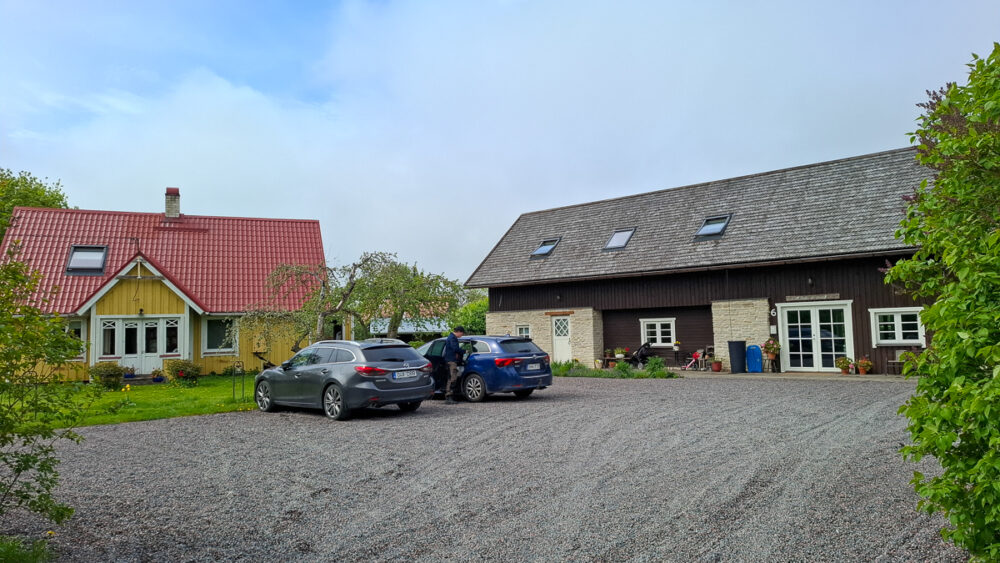
Upon arrival in Tallinn, we headed to Muraste, a coastal village located approximately 20 kilometers west of the city. We based ourselves at Loo Kodu & Köök, a charming, historically significant guesthouse dating back to 1901. The site, with its lush gardens and proximity to the coastline, provided the perfect base of operations.
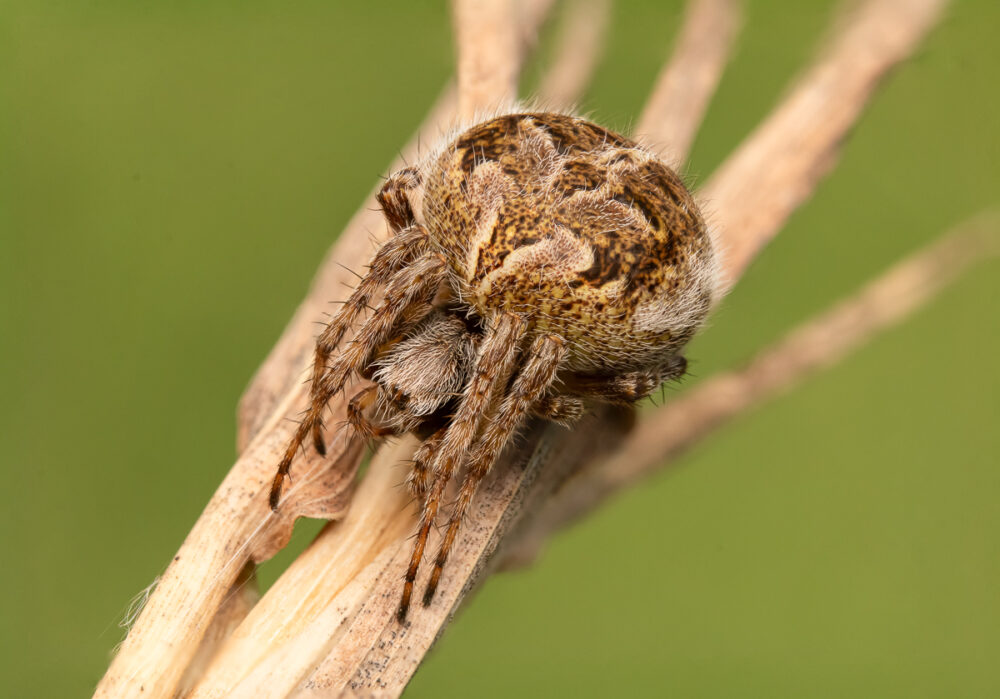
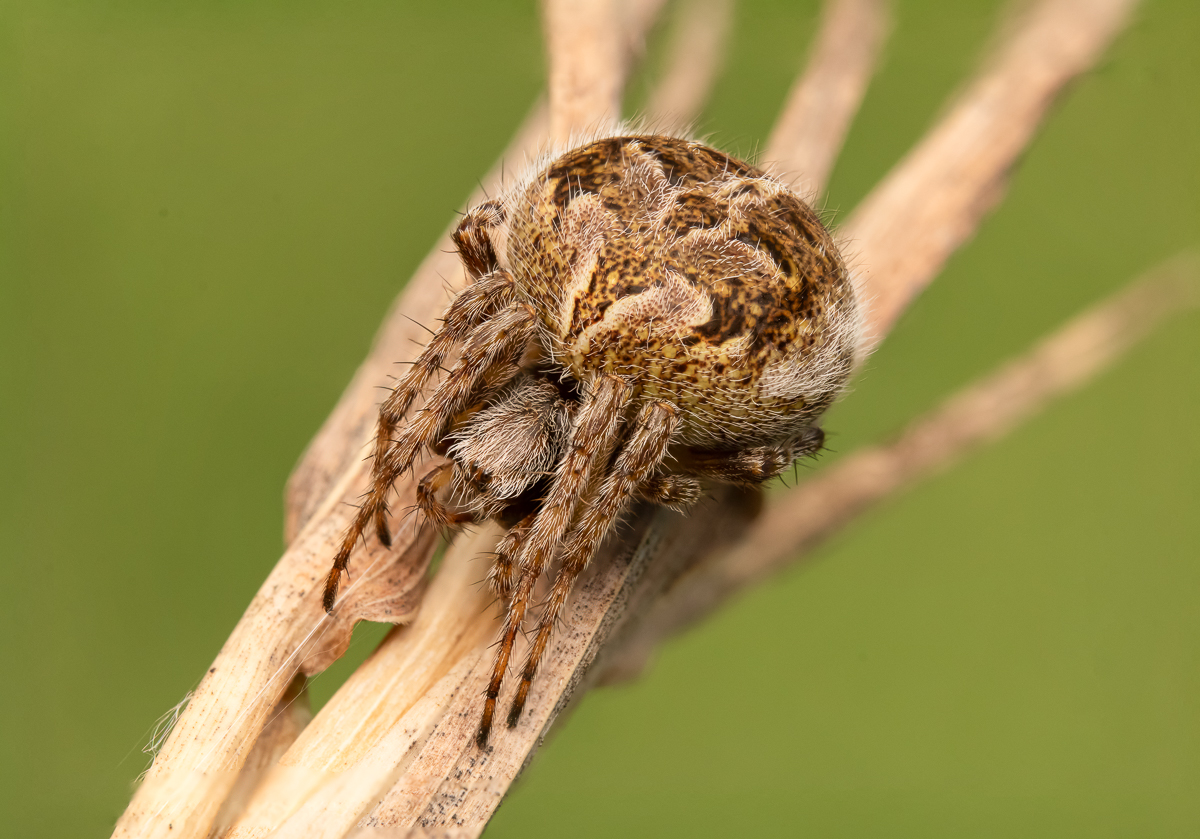
Despite a cold, drizzly start that hampered insect activity, the afternoon yielded immediate results. Among the brush and shoreline grasses, we identified several species of interest, most notably the Agalenatea redii, commonly known as the "Pörrökkä" (a type of orb-weaver spider). In Finland, this species is rare and considered "near-threatened," but in Estonia, it was abundant. Its presence served as a perfect introduction to the disparity in biodiversity between our nations.
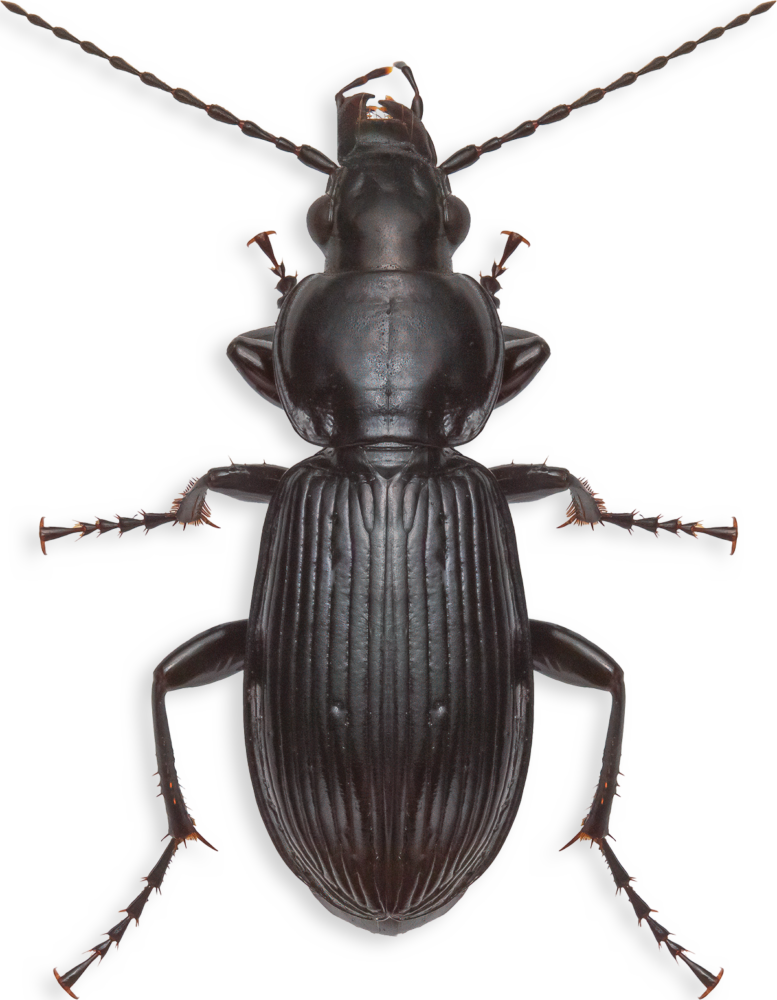
Later that day, we encountered a black ground beetle scurrying along the forest floor. After careful collection and examination, we identified it as a Pterostichus aethiops (kantosysikiitäjäinen). This predator, which favors the shade of old-growth forests and decaying wood, is an indicator of healthy, undisturbed habitats. Finding this beetle—a species elusive in many parts of Finland—felt like a triumph over the suboptimal weather.
Friday: The Coastal Survey
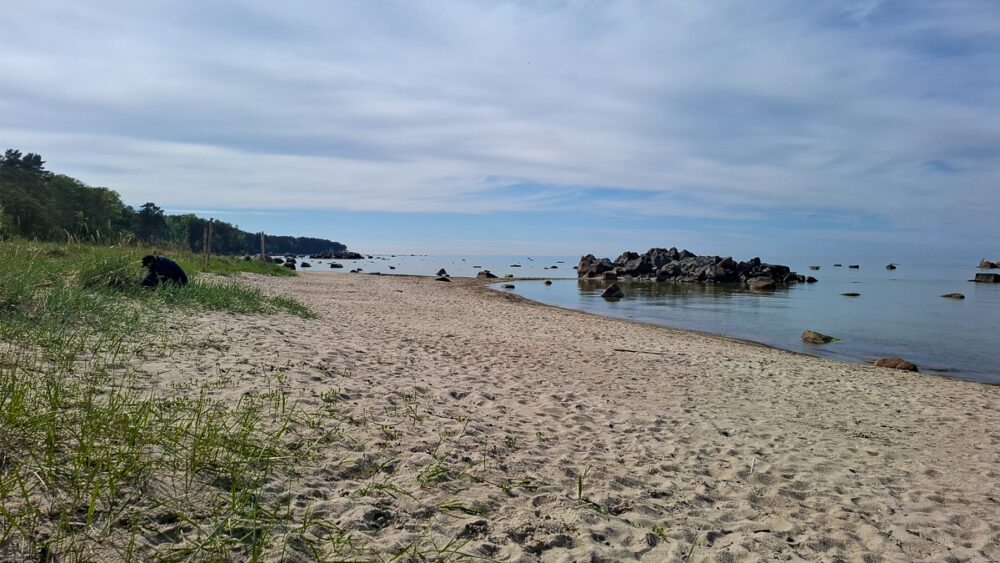
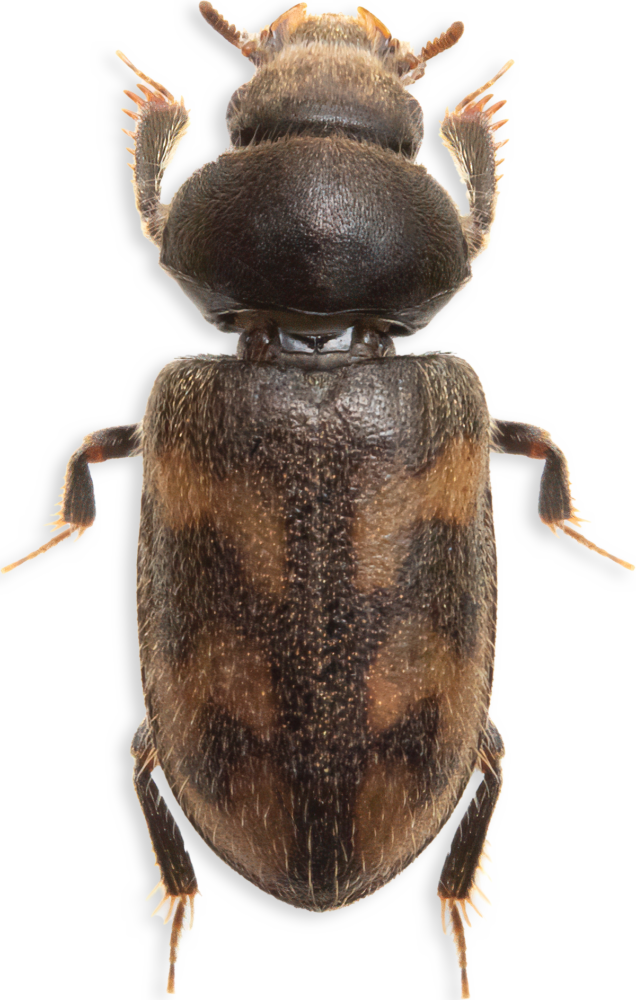
As the skies cleared on Friday, our focus shifted to the muddy shorelines and sandy dunes—habitats that are increasingly scarce in our own northern latitudes. We visited the beaches near Meriküla, where the real, specialized fauna began to emerge. Here, we located the Augyles hispidulus (hietatöyryläs), an endangered species in Finland that is restricted to limited coastal pockets. Observing these beetles in their natural state, tunneling through the mud, provided invaluable insight into their behavior—a stark contrast to the static data available in textbooks.

Supporting Data: Understanding Specialized Insects
The expedition provided a unique opportunity to study the behavioral ecology of two specific groups: the mud-dwellers and the reed-inhabiting weevils.
The Mud-Dwelling Specialists
The Augyles hispidulus (hietatöyryläs) belongs to the family Heteroceridae. These insects are master excavators. Using powerful, modified forelegs, they tunnel through saturated mud and sand, creating complex subterranean galleries.
- Acoustic Communication: A fascinating aspect of their biology is their ability to produce sound. Both adults and larvae can stridulate—rubbing body parts together to create a chirping noise. This sound is essential for locating mates in the dark, suffocating environment of their tunnels and likely serves as a defensive mechanism against predators.
- Dietary Habits: They act as nature’s filters, sifting through sand grains to consume algae, organic matter, and microbes, playing a critical role in the nutrient cycling of coastal ecosystems.
The Reed-Inhabiting Weevils
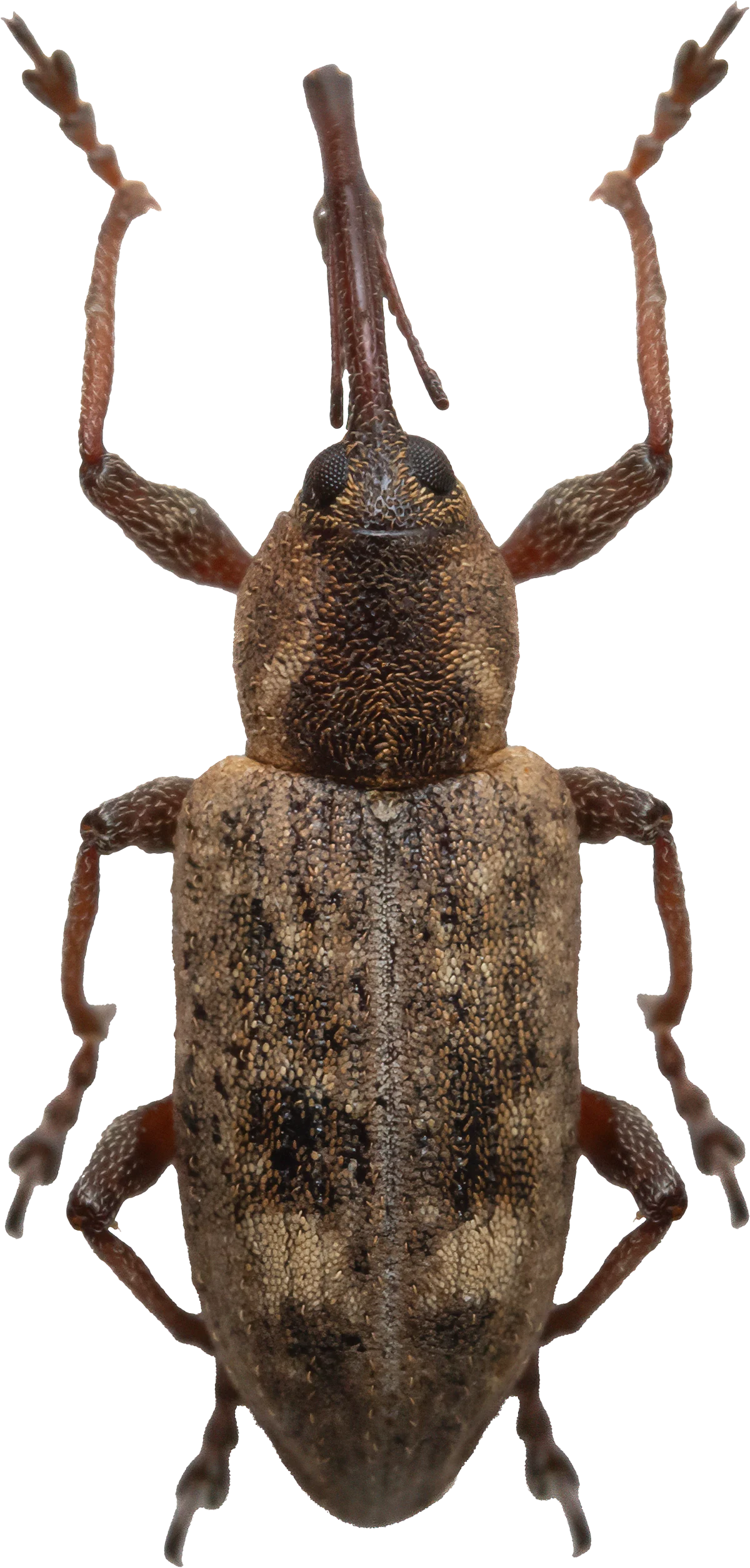
We also documented the presence of the Philopedon plagiatum (hietakeräkärsäkäs) and the Thryogenes festucae (isorytikärsäkäs). While the former is a plump, endearing beetle that thrives on dry, sandy dunes, the latter is a highly specialized creature.
The Thryogenes festucae possesses a long, slender body that constitutes nearly a third of its total length. Its rostrum (snout) is perfectly adapted for boring into the tough, fibrous stems of common reeds and sedges. By living entirely within the plant tissue, these weevils remain hidden from avian and insect predators, feeding on the nutrient-rich pith inside.
Official Responses and Conservation Implications
The Finnish Entomological Society’s presence in Estonia is not merely recreational; it is part of a broader effort to track the movement of species in a changing climate. Estonian authorities and local conservation groups have noted that the coastal regions of the Harju County are experiencing shifts in species composition.
"The data collected during this excursion serves as a vital barometer for regional biodiversity," noted one of the lead researchers. "By documenting the presence of species like the Pterostichus aethiops in Estonian coastal forests, we can better predict which species might successfully colonize southern Finland in the coming decades."
The primary implication of these findings is the need for habitat connectivity. As species shift their ranges, the preservation of coastal corridors—stretching from the Estonian limestone cliffs to the Finnish southern archipelago—is paramount. The "lost" species of Finland are essentially the "common" species of Estonia; therefore, the conservation efforts in one country directly influence the success of the other.
The Broader Context: Why Geography Matters
The success of this trip can be attributed to the "car-first" strategy. By having the ability to traverse the Estonian coastline freely, we were able to bypass the limitations of public transport and react to weather patterns in real-time. This level of mobility allowed us to target specific soil types and vegetation zones that are typically missed by larger, more rigid field expeditions.
The guesthouse, Loo Kodu & Köök, acted as more than just a place to sleep. Its history and location, set against the backdrop of an 125-year-old barn, provided an authentic experience of the Estonian countryside. The warmth of the local hosts, combined with the proximity to grocery stores and local eateries, made the logistical side of the research seamless.
For the reader, the lessons of this trip are twofold:
- Conservation is Transboundary: Insects do not recognize political borders. The health of the Baltic ecosystem is a shared responsibility, and the abundance of species in Estonia is a direct reflection of the habitat quality we must strive to maintain in Finland.
- The Value of Amateur Expertise: Much of the data collected on this trip relies on the passion of individuals. Whether it is identifying a subtle difference in the pronotum of a ground beetle or tracking the sound of a tunneling mud-beetle, the amateur entomologist remains the backbone of biodiversity monitoring.
Conclusion: Looking Ahead
The first half of our Estonian expedition concluded with the sun dipping below the horizon, illuminating the limestone cliffs of the coast. The trip had been a resounding success, offering a glimpse into the hidden lives of beetles and spiders that bridge the gap between our two nations.
As we prepared to head toward the crumbling limestone cliffs and storm-tossed shores for the next leg of our journey on Friday, the excitement among the group was palpable. Each discovery—from the smallest weevil to the most elusive ground predator—reminded us that the natural world, though fragile, remains full of wonders for those willing to look beneath the surface.
For more insights into the fascinating world of insects, please follow my progress on Instagram @hyonteismies. Your feedback, questions, and observations are always welcome as we continue to document the incredible diversity of our region.
Appendix: Species Identified During the Expedition
- Pörrökkä (Agalenatea redii): A striking orb-weaver spider, currently listed as near-threatened in Finland but widespread in Estonia.
- Kantosysikiitäjäinen (Pterostichus aethiops): A predatory ground beetle found in old-growth forest debris; a rare find in the northern reaches of its range.
- Hietatöyryläs (Augyles hispidulus): A mud-dwelling beetle notable for its social tunnel-building and acoustic behavior.
- Hietakeräkärsäkäs (Philopedon plagiatum): A robust, dune-adapted weevil.
- Isorytikärsäkäs (Thryogenes festucae): A highly specialized reed-borer, exhibiting extreme morphological adaptations for life within plant stems.
The next chapter of our travelogue will delve into the mysterious inhabitants of the northern limestone crags—stay tuned for more in-depth analyses of our findings.