Date: June 30, 2026
Author: Samuli Haapasalo | Vuosi luonnossa (Year in Nature)
The Finnish forest is often defined by its silence, but for those who know how to listen, the landscape is punctuated by the rhythmic, ancient calls of our native upland game birds. From the booming display of the Capercaillie to the subtle, whistling song of the Hazel Grouse, these birds serve as a barometer for the ecological health of our forests and agricultural landscapes. As we move through the summer of 2026, we find ourselves at a critical juncture regarding the stability of these iconic species.
Categorizing the Upland Game Birds
The term "upland game birds" (kanalinnut) encompasses a diverse group of species, each with unique habitat requirements and survival strategies.
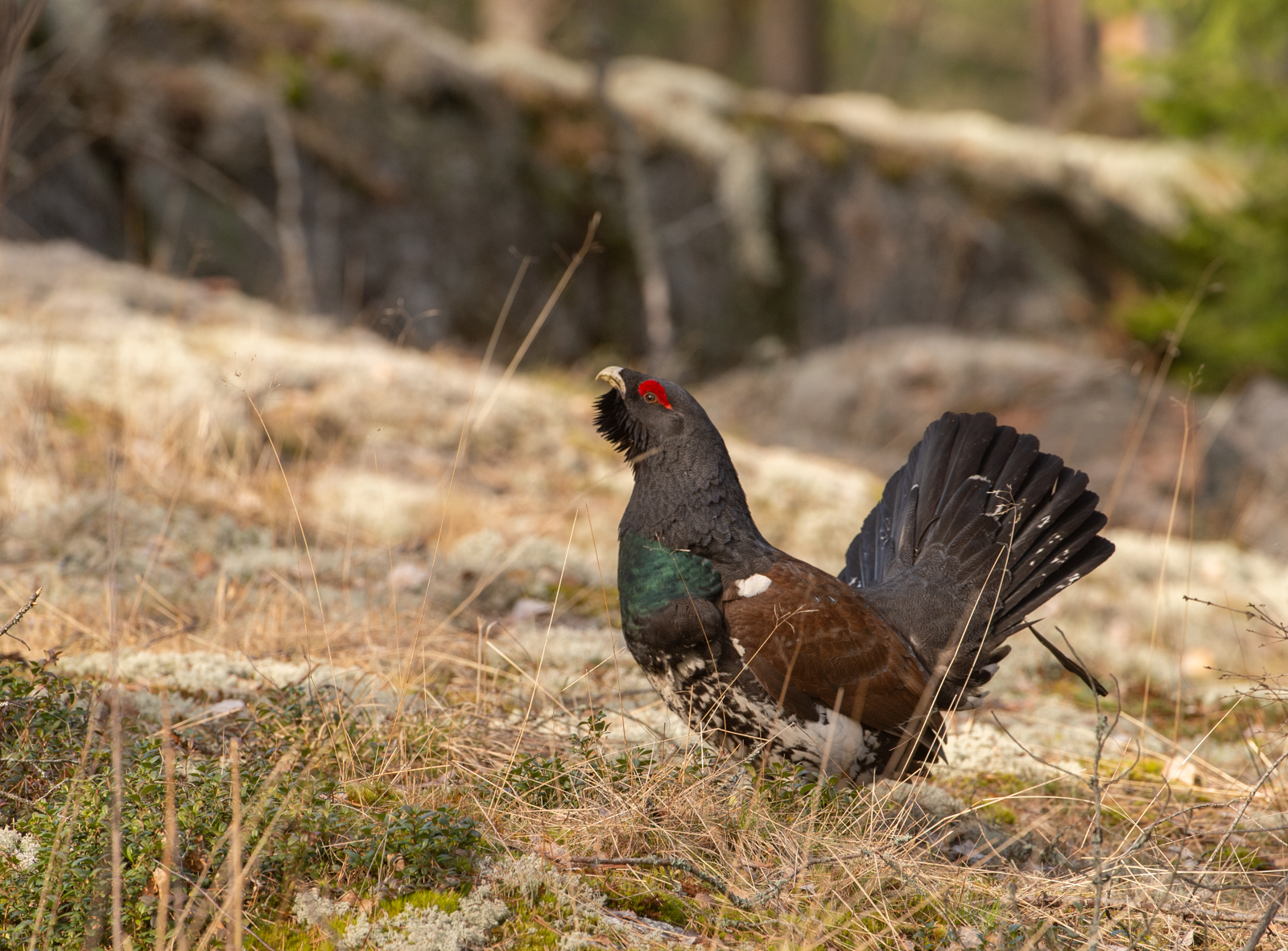
In the forest, we have the "Great Five": the Western Capercaillie (metso), the Black Grouse (teeri), the Willow Ptarmigan (riekko), the Rock Ptarmigan (kiiruna), and the Hazel Grouse (pyy). Complementing these are the "agricultural game birds," which thrive in the fringes of human cultivation: the Common Pheasant (fasaani), the Grey Partridge (peltopyy), and the Common Quail (viiriäinen).
The Giants and the Cryptic Dwellers: A Biological Overview
The Capercaillie: King of the Ancient Woods
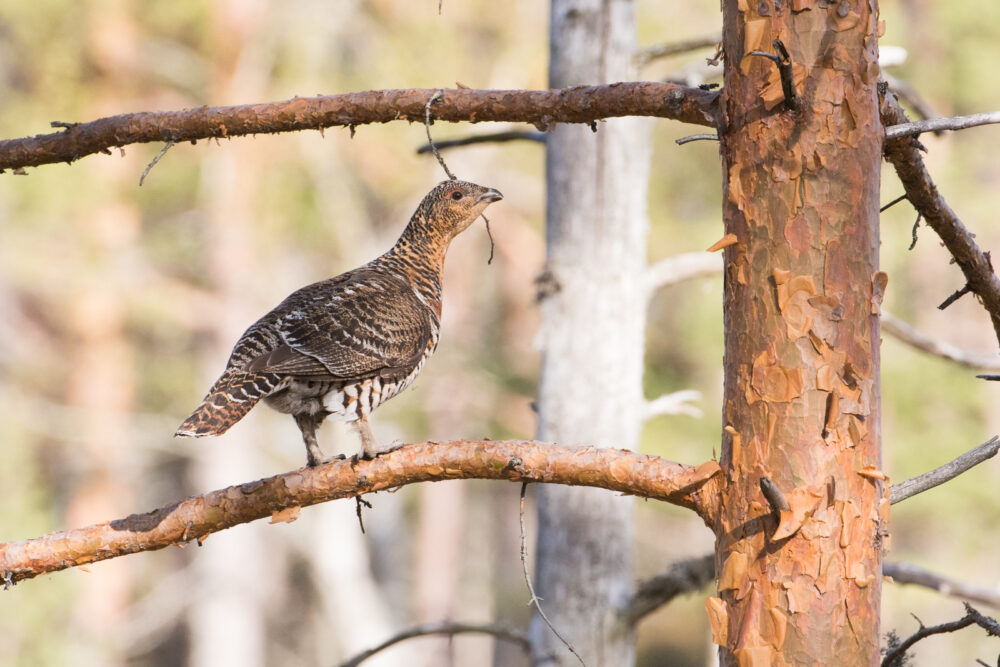
The Western Capercaillie stands as the undisputed monarch of the Finnish forest. A mature male can reach a length of 70 cm and weigh over six kilograms. In contrast, the female, or koppelo, is significantly smaller, her plumage a masterpiece of cryptic, mottled brown, allowing her to vanish into the forest floor while tending to her brood.
These birds require vast, intact, old-growth forests to thrive. They are particularly drawn to mixed forests and mature pine stands, which provide both essential food and shelter. Occasionally, one may encounter a hybrid between a Black Grouse and a Capercaillie, a bird known in Finnish folklore as the korpimetsokana.
The Black Grouse and the Hazel Grouse
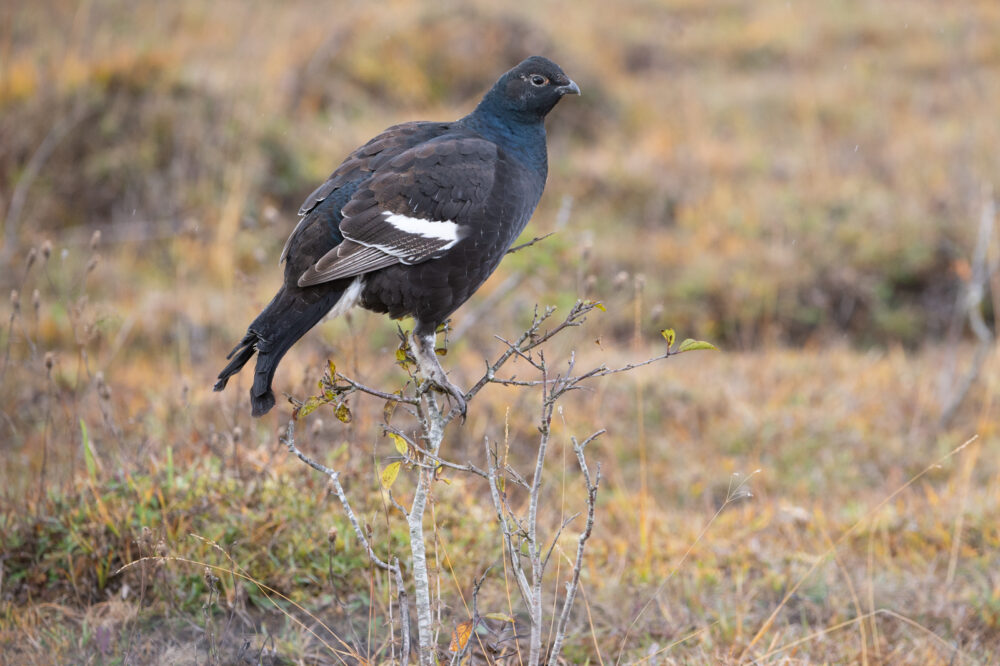
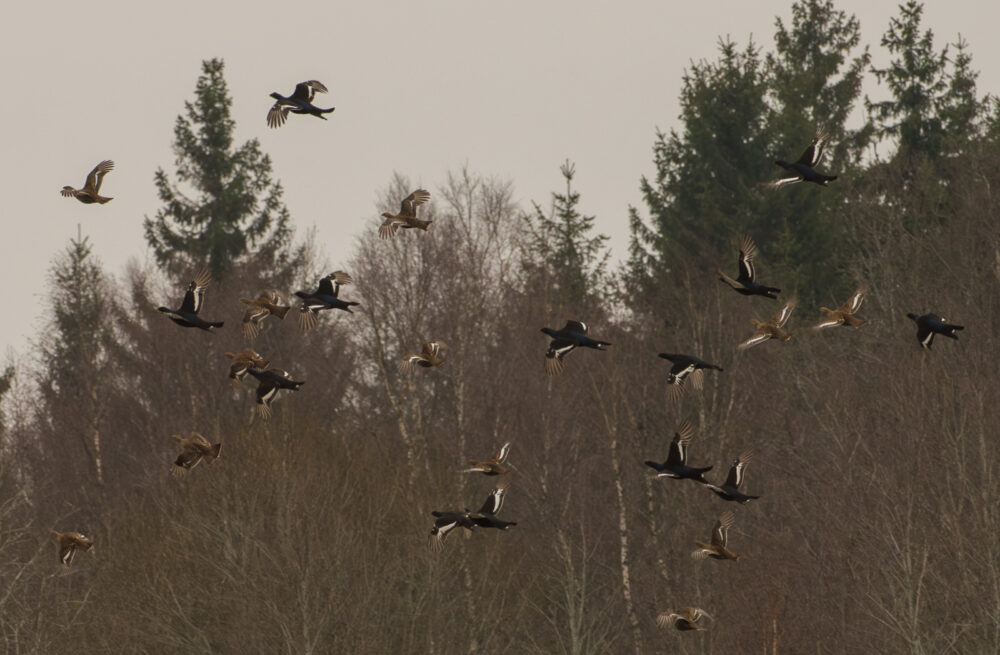
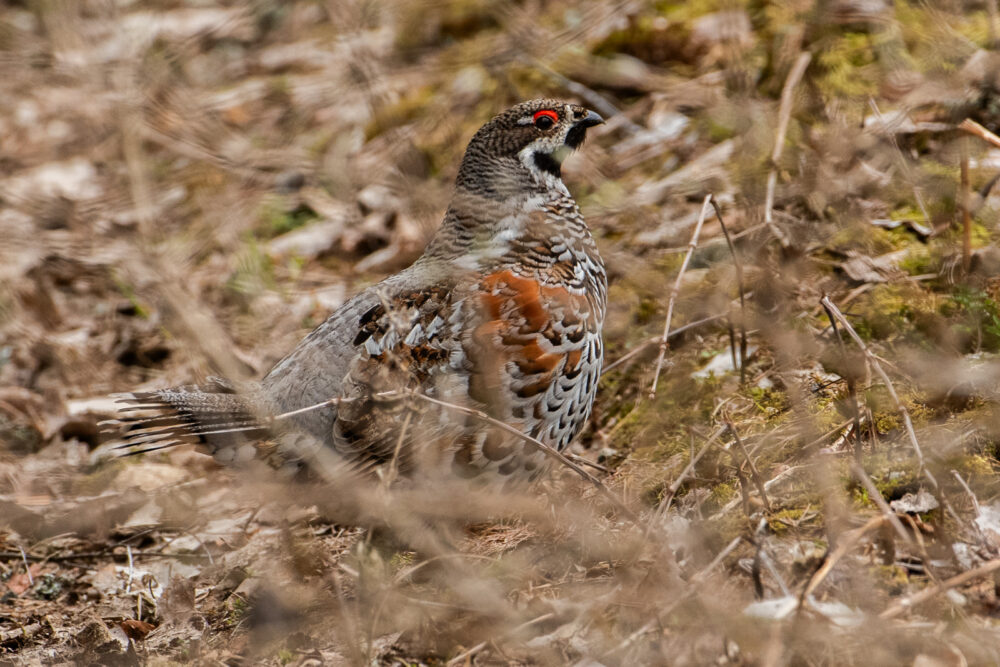
The Black Grouse remains the most numerous of the forest species, with an estimated population of 400,000 to 500,000 pairs. They are versatile, utilizing both open bogs and forest edges. The Hazel Grouse, by comparison, is more elusive and less numerous, requiring dense, shrubby forest cover. It is a master of camouflage, often heard long before it is seen.
Chronology of the Breeding Season
The survival of these birds is dictated by the narrow window of the Finnish summer. Currently, in late June, broods are active and moving. The success of the season is highly volatile; it depends heavily on the weather conditions during the first weeks of the chicks’ lives.
A cold, rainy June can be catastrophic for chick survival. When the weather turns, the mortality rate spikes, leading to significant annual fluctuations in population size. Historical data shows that these "good" and "bad" years are becoming more erratic, likely linked to broader climatic shifts that disrupt the synchronization between hatching and peak insect availability.
Supporting Data: Population Trends and Distribution
The data provided by ongoing monitoring efforts paints a sobering picture of distribution:
- Capercaillie: With approximately 300,000 pairs, their stronghold remains the eastern reaches of North Karelia and Kainuu. They are sensitive to fragmentation, and their numbers suffer when large, continuous forest tracts are broken up.
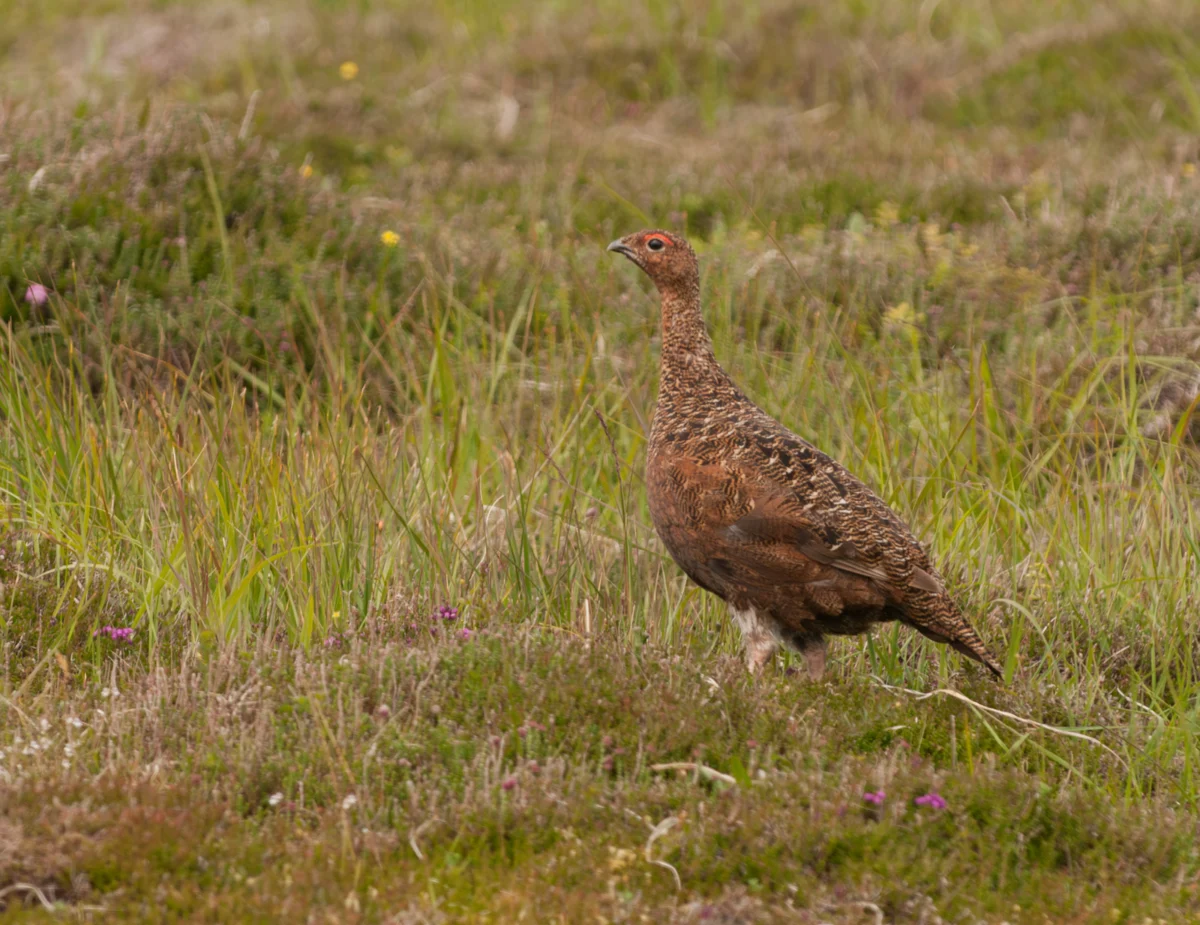
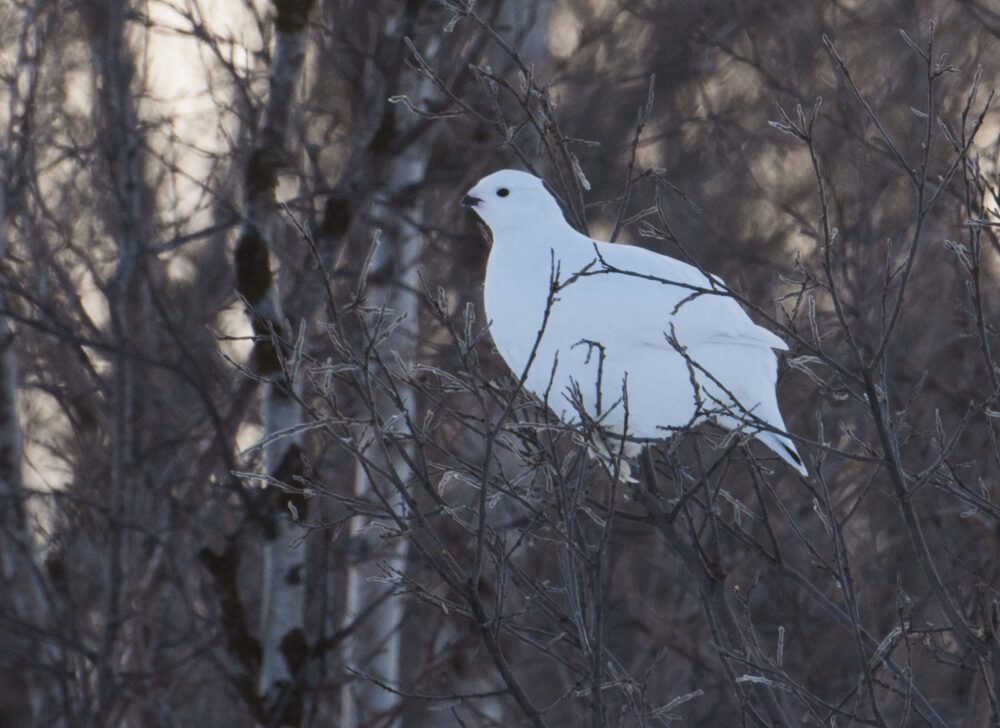
- Willow Ptarmigan: Once a common sight across the southern and central parts of Finland, the ptarmigan has retreated to the north. Today, they are primarily a bird of the Lapland fells, with only remnants of the population remaining on the wetlands of Suomenselkä.
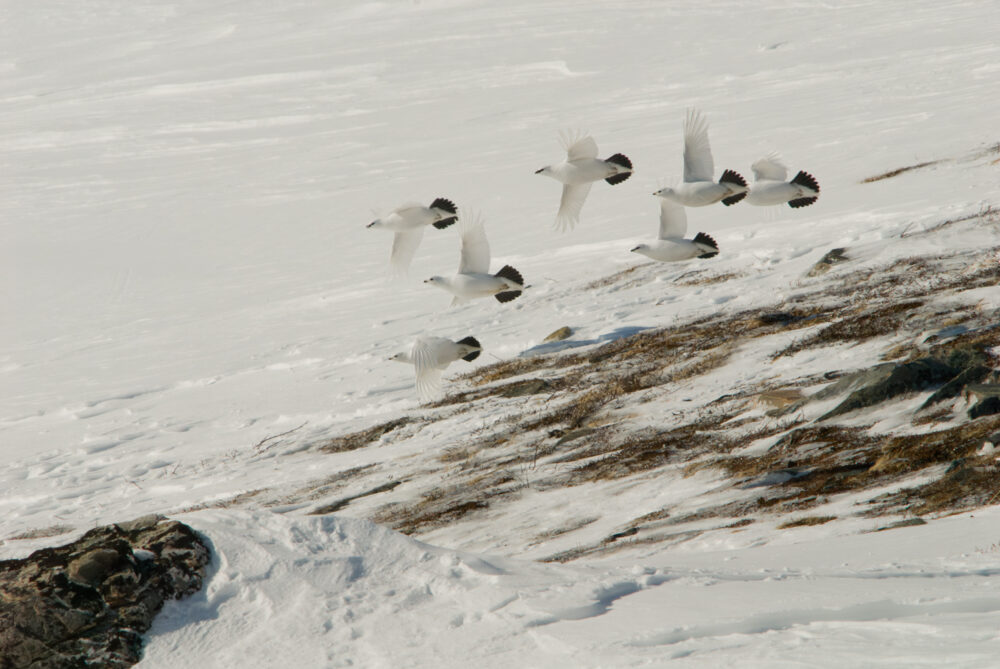
- Rock Ptarmigan: A specialized inhabitant of the high tundra and rocky fells, the population fluctuates around 3,000 pairs, though this can be higher in peak years. They are experts at surviving the Arctic winter, utilizing a specialized layer of fat and the "snow roosting" technique—burrowing into the snow to escape freezing winds.
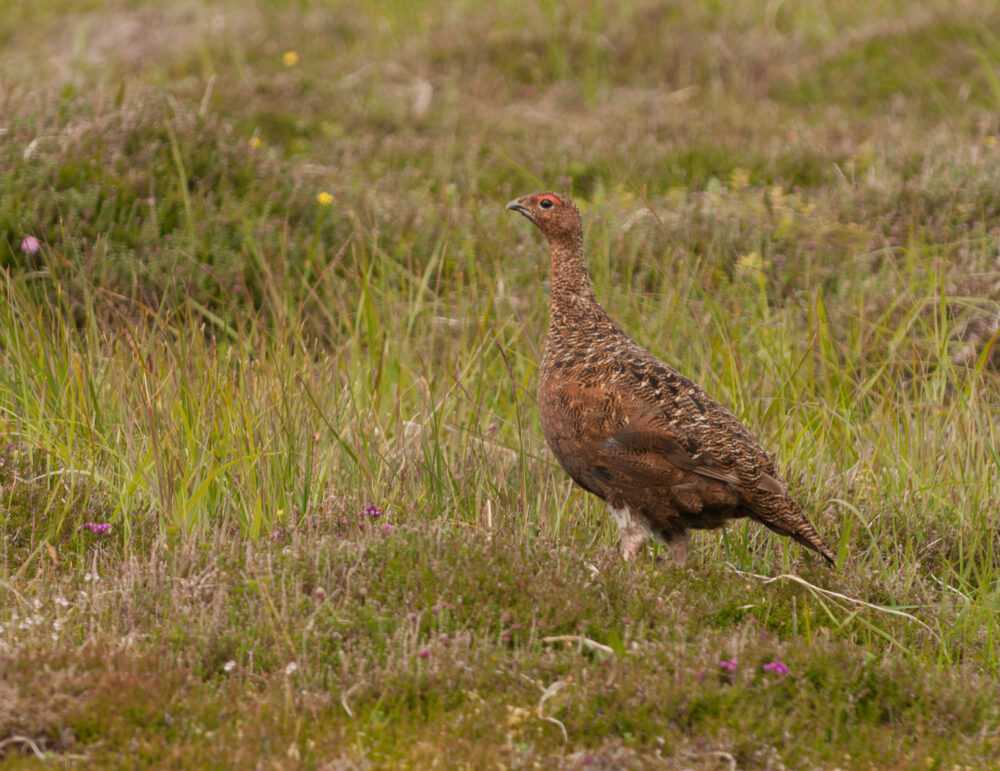
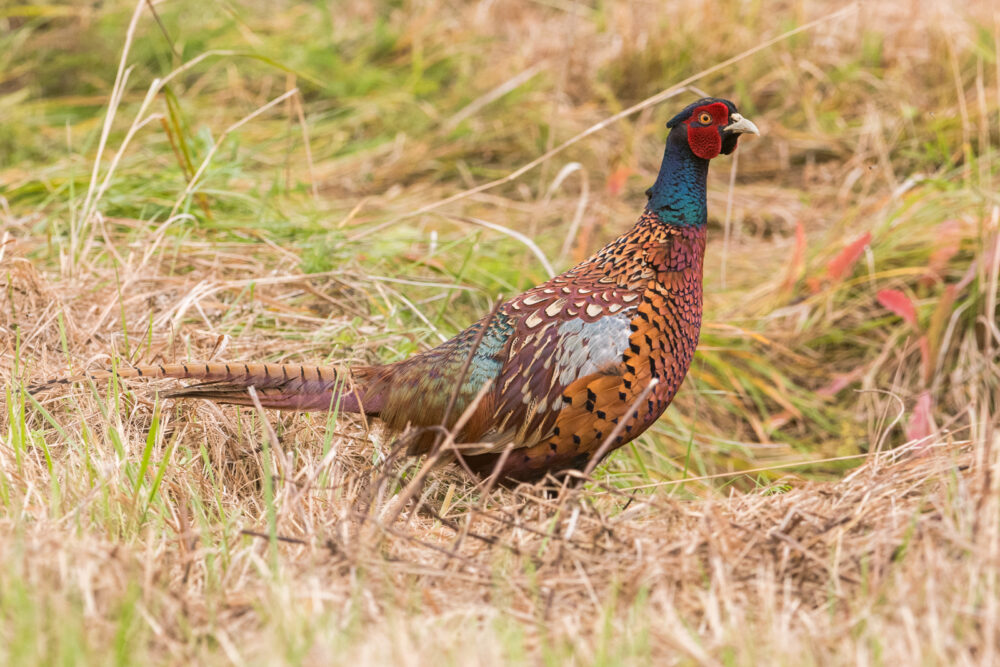
- Grey Partridge and Pheasant: The Pheasant, introduced by Karl Fazer in the early 1900s, has established a stable population of 15,000–20,000 pairs in cultural landscapes. The Grey Partridge, while struggling due to the loss of hedgerows and field-edge diversity, maintains a population of 9,000–20,000 pairs.
The Implications of Habitat Loss
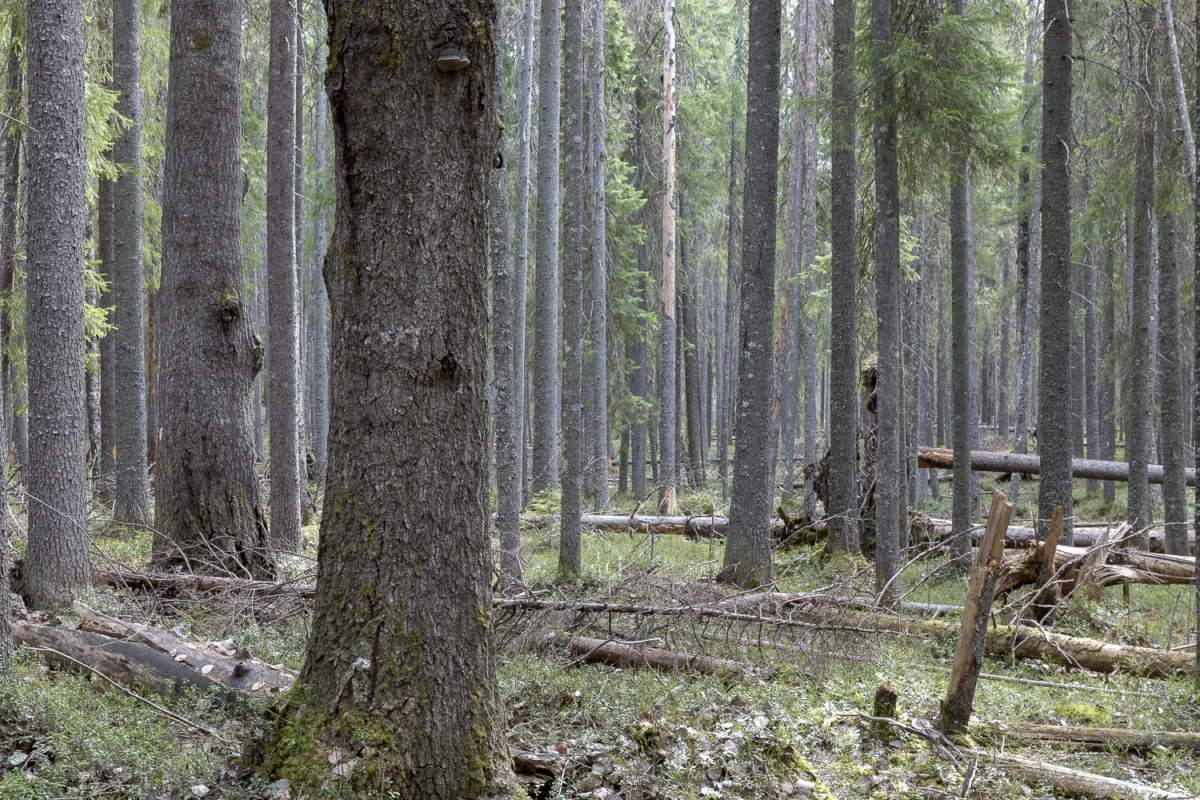
The most profound threat to these species is not just predation, but the homogenization of the landscape. Many modern forests in Finland have been reduced to "timber farms"—monocultures of the same age and species. These areas lack the structural diversity (undergrowth, varied tree ages, and berry-producing shrubs) necessary to support ground-nesting birds.
The Ptarmigan’s Dilemma
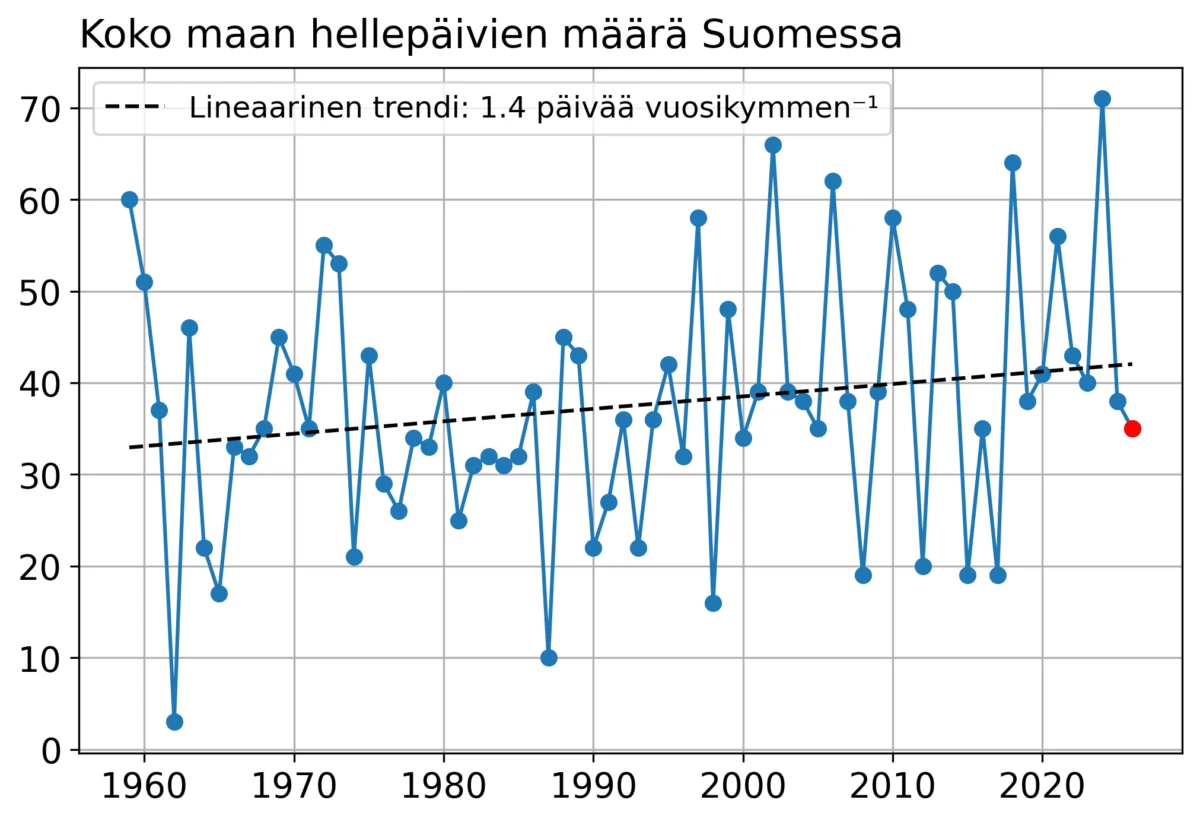
The Willow Ptarmigan is perhaps the most poignant example of climatic and landscape pressure. The drainage of wetlands for forestry has decimated their breeding grounds. Furthermore, the changing climate has caused a "mismatch" in their survival strategy: their white winter plumage, meant to blend in with snow, is now often exposed against dark, snowless ground as winter onset is delayed. This makes them easy targets for predators.
The Vanishing Field Edges
For the Grey Partridge and other agricultural birds, the intensification of farming has been detrimental. The removal of ditches, shrubbery, and small "islands" of uncultivated land has removed the protective cover these birds need to survive both the elements and avian predators like the Northern Goshawk.
Official Responses and Conservation Outlook
Conservationists argue that the current management of our forests must shift from a singular focus on timber volume to a broader ecological perspective.
"The state of our upland game birds is a direct indicator of our forests’ ecological integrity," notes recent ecological assessments. "If we want a sustainable future for both the environment and the forestry industry, we must prioritize biodiversity."
The "Year in Nature" project emphasizes that sound management requires:
- Landscape Connectivity: Preserving corridors between forest patches.
- Strict Protection of Breeding Sites: Limiting disturbances during the sensitive spring and early summer periods.
- Climate Adaptation: Protecting high-altitude refugia for species like the Rock Ptarmigan.
- Sustainable Hunting Regulations: Ensuring that harvest levels do not exacerbate the declines caused by habitat loss and poor breeding years.
Conclusion: A Call to Listen
As we move into the height of summer, the sharp, metallic calls of the partridge in the twilight or the distant, guttural display of a Black Grouse across a bog remind us of the wild heritage that still resides in our borders.
These birds are not just game species; they are symbols of the Finnish wilderness. Their continued presence is not guaranteed by tradition alone, but by our willingness to adapt our land-use practices. If we continue to treat our forests as mere "timber factories," we risk silencing the very sounds that define the Finnish landscape. True sustainability lies in restoring the complexity of the habitat—ensuring that the metso still has its deep, undisturbed pines and the riekko has its untouched, snowy fells.
The future of these birds is in our hands, and the time to ensure their survival is now, while the summer air is still filled with their songs.