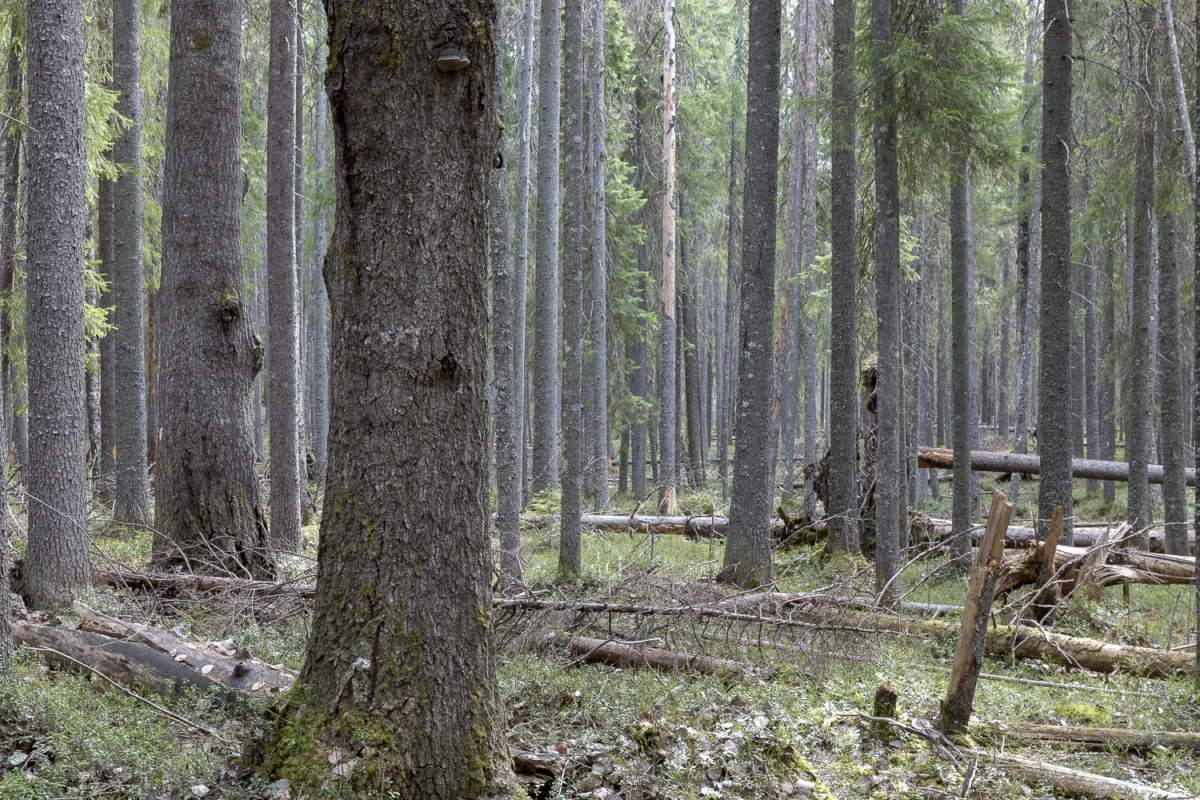
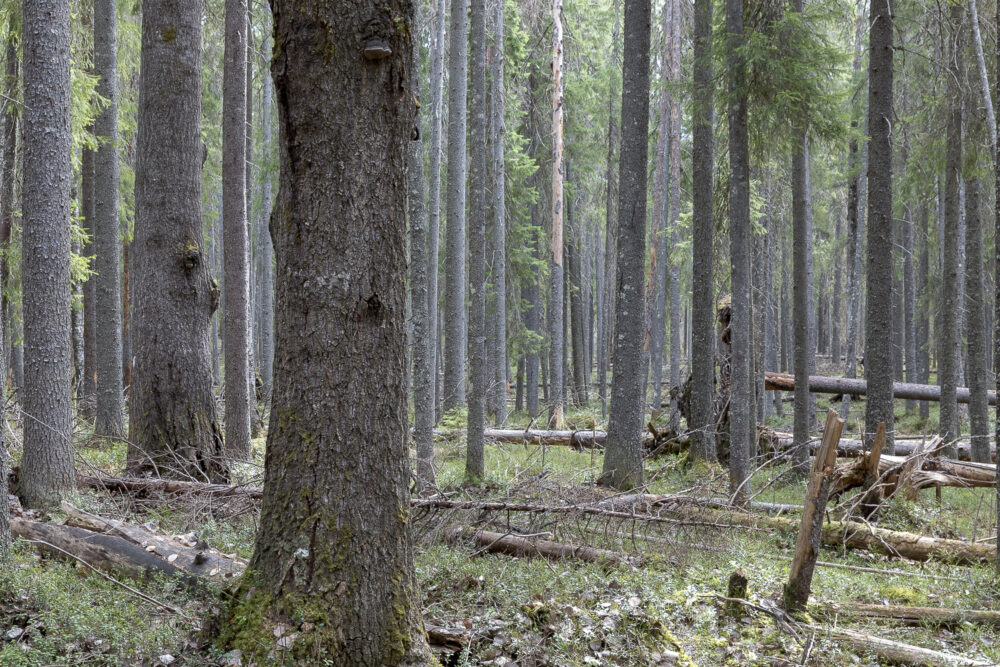
In the moss-draped, ancient forests of southern Kainuu, Finland, a botanical treasure hunt has been unfolding. While the summer of 2026 has been marked by meteorological volatility, it has proven to be an exceptional year for the region’s rare orchids and elusive, chlorophyll-free plants. For those who know where to look—and, more importantly, where to tread—these forests offer a glimpse into a mysterious biological network that remains largely hidden from the casual observer.
The Botanical Renaissance of Southern Kainuu
This year, the forest floor in Kainuu has witnessed a notable surge in orchid populations. Observers have noted that the common spotted orchid (Dactylorhiza maculata) has flourished in damp forest meadows, appearing in numbers that can only be described as prolific. However, the true stars of the season have been the smaller, more cryptic species.
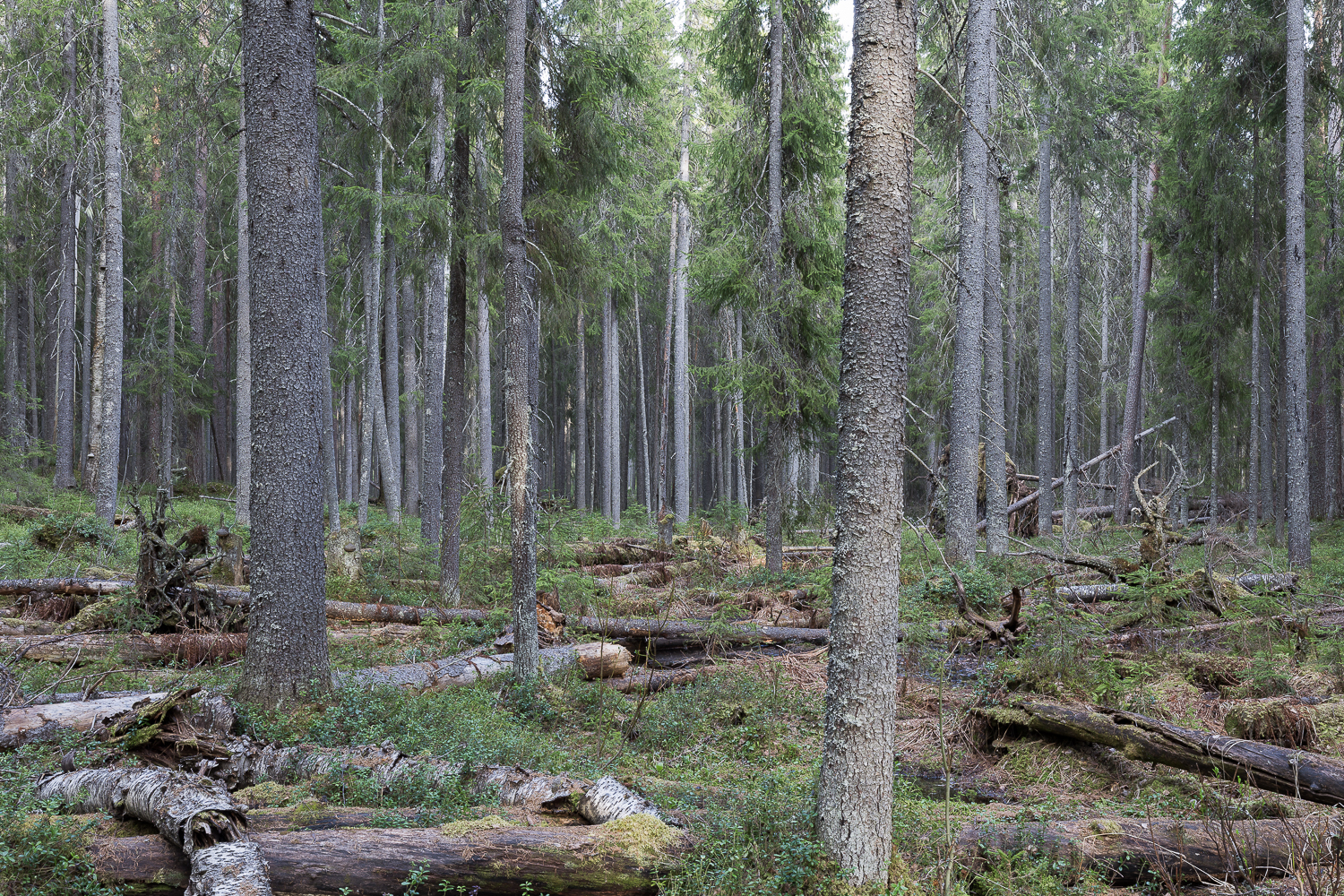
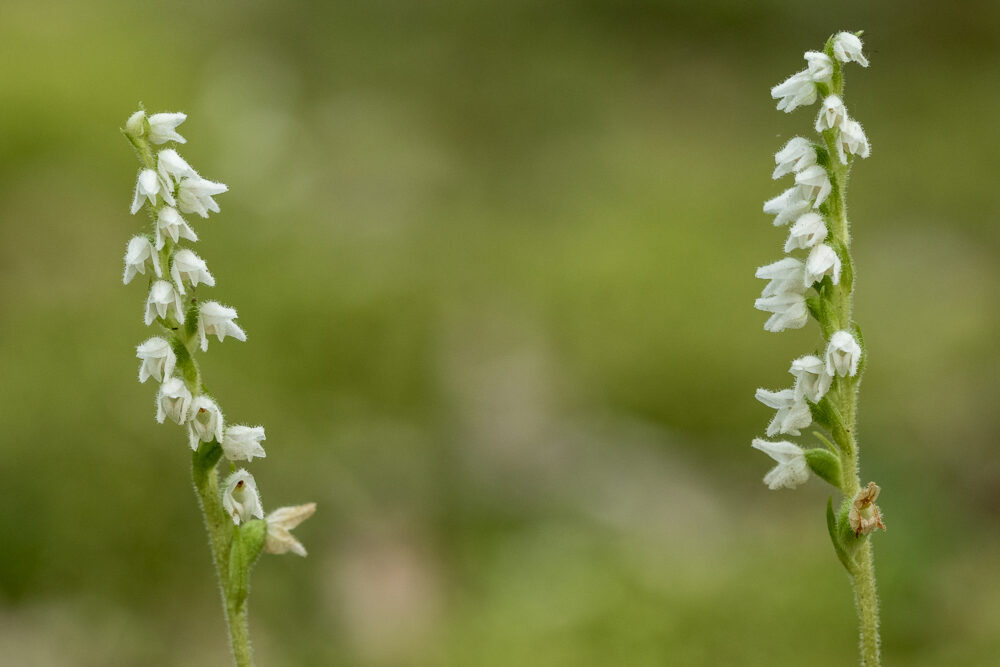
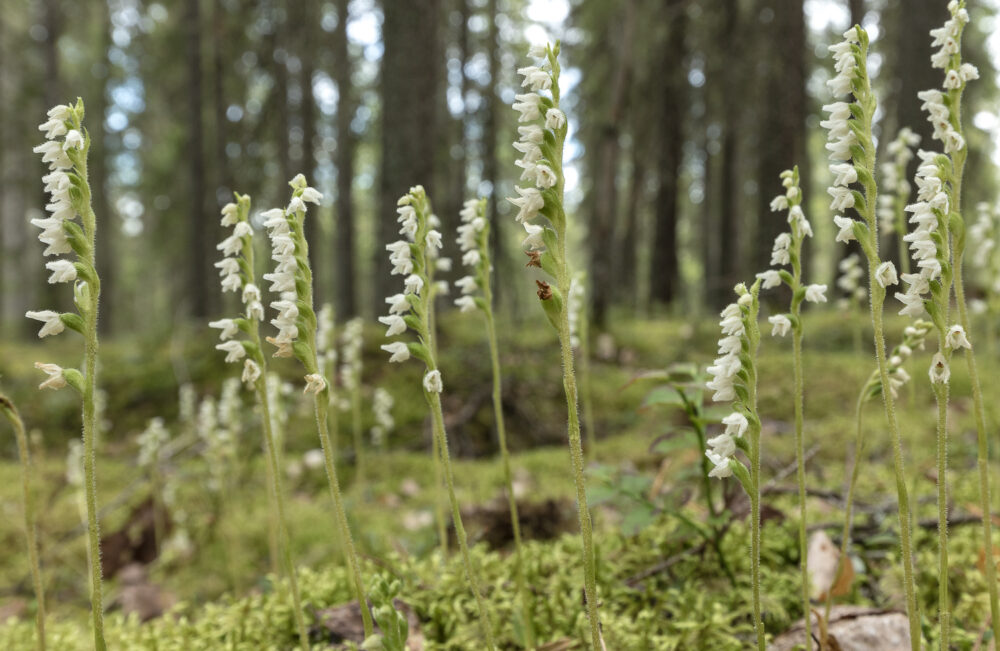
The lesser twayblade (Neottia cordata), often overlooked due to its diminutive size and preference for the deepest, darkest patches of mossy conifer forest, has appeared in startling abundance. In protected areas, researchers have documented thriving clusters of 20 to 30 individuals, with one particularly nutrient-rich patch yielding nearly 90 flowering stalks.
In contrast, the status of these plants in commercial forests is starkly different. In areas subjected to modern forestry practices, the lesser twayblade is reduced to solitary, fragile specimens. The species relies on a delicate root system that requires consistent moisture from moss and deep leaf litter—conditions that are routinely decimated by soil preparation and mechanical harvesting. Because these plants reproduce and expand through rhizomes, the recovery time is lengthy. Consequently, in managed forests, the species is frequently "harvested" or disturbed by machinery long before it can establish a robust colony.
The Quest for the Ghost: A Chronology of Discovery
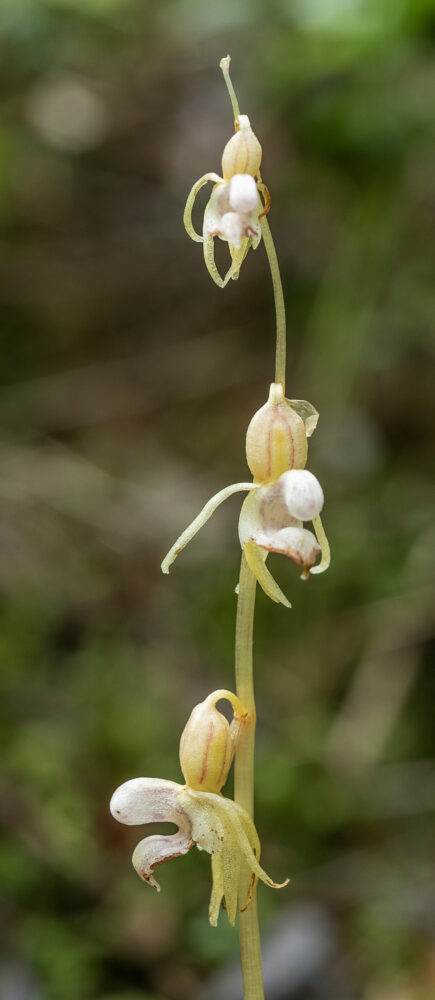
Inspired by the successes of early summer, local naturalists shifted their focus toward a much more elusive target: the ghost orchid (Epipogium aphyllum). Classified as vulnerable in the latest Red List of Finnish species, the ghost orchid is a botanical ghost in the truest sense. It lacks chlorophyll entirely, rendering it incapable of photosynthesis. It derives its energy from fungal partners, which in turn extract nutrients from trees.
The search was daunting. Knowing only one documented site in a protected old-growth area in Kuhmo, the team began scouring their usual exploration routes. The strategy was to seek out areas that mirrored the conditions of the known Kuhmo site—specifically, old, humid, and moss-rich conifer forests.
The Breakthrough in Porkkasalo
After weeks of intensive, often discouraging, field work, the breakthrough occurred in August. While crossing a fern-rich stream in the Porkkasalo forest area, a researcher caught a glimpse of something unusual in their peripheral vision. Tucked away in a small hollow, hidden by the forest floor’s complex tapestry, was a ghost orchid.
The discovery was particularly poignant because of the history of the site itself. In the early 1990s, Porkkasalo was the center of a fierce environmental conflict. The state-owned forestry enterprise, Metsähallitus, had earmarked the area for clear-cutting, dismissing it as "ordinary commercial forest." Local activists, supported by the Finnish Nature League and researchers from the University of Oulu, fought to protect the area. The conflict escalated to the point where police were called to remove protesters, and legal battles ensued.
Ultimately, the activism paid off. Most of the area was saved, and today, that very "ordinary" forest is proving to be a reservoir for some of Finland’s most endangered botanical treasures. The stream-side grove, with its old birches and ancient soil, would have been completely destroyed by ditching and soil tilling had the preservation efforts failed.
Supporting Data: The Ecology of Myco-heterotrophs
The ghost orchid is part of a fascinating group of plants known as myco-heterotrophs. These plants have effectively "outsourced" their survival. Because they cannot photosynthesize, they exist in a symbiotic—or perhaps parasitic—relationship with mycorrhizal fungi.
Key Species Observed
- The Ghost Orchid (Epipogium aphyllum): A pale, elusive plant that spends much of its life cycle underground. It does not appear every year, making it notoriously difficult to track.
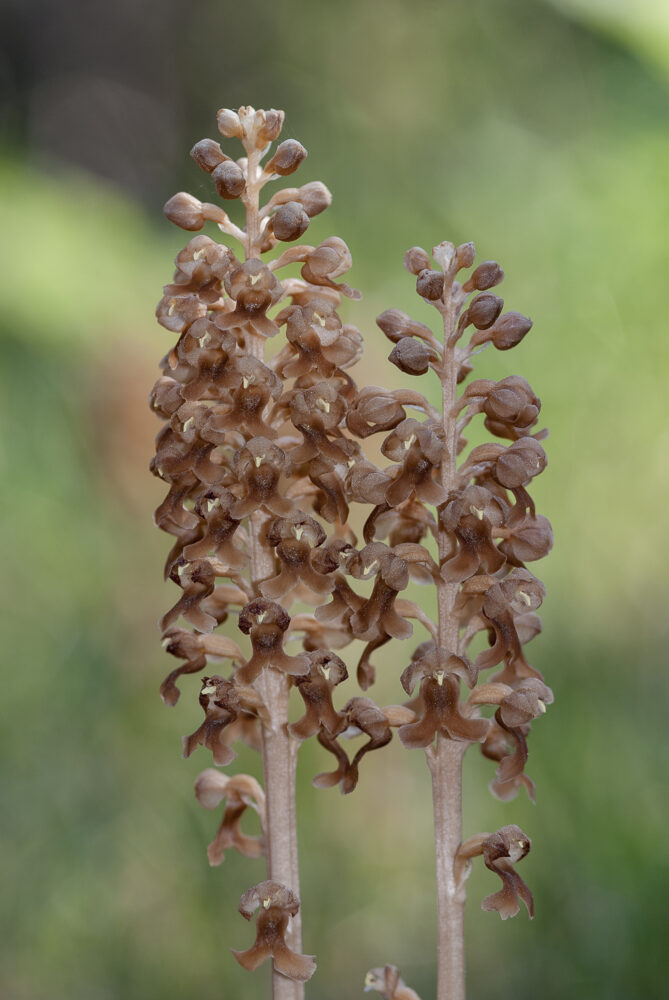
- The Bird’s-nest Orchid (Neottia nidus-avis): Unlike the ghost orchid, which is rare in the north, the bird’s-nest orchid is more common in southern regions. It is brownish-yellow and, while also non-photosynthetic, is much easier to spot due to its larger size.
- The Coralroot Orchid (Corallorhiza trifida): Another species that relies on fungal associations, often found in similar moisture-rich environments.
- The Pinesap (Monotropa hypopitys): While not an orchid, this plant belongs to the same ecological "guild" of myco-heterotrophs. It often resembles a fungus more than a plant and, like the orchids, can "skip" years of growth, remaining dormant beneath the soil surface.
Implications for Forest Management and Conservation
The discovery of the ghost orchid in a former conflict zone highlights a critical disconnect between industrial forest management and biodiversity conservation. The "productive" logic of forestry, which favors uniform growth and rapid turnover, is fundamentally incompatible with the slow-growing, highly specialized flora of ancient forests.
The "Ghost" Perspective
The ghost orchid does not care about timber yield; it cares about the continuity of fungal networks. When soil is turned over, the underground mycelium is severed, effectively cutting off the plant’s life support. The fact that these plants are being found in protected areas—and almost exclusively in such areas—serves as a biological indictment of current commercial forestry practices.
Furthermore, the "skip-years" exhibited by these species create a false sense of security. If a survey is conducted in a year when the ghost orchid is dormant, developers might conclude that the land is "empty" and safe to clear. A more precautionary approach, one that values the presence of old-growth indicators, is essential.
Concluding Thoughts: A Birthday Gift from the Wild
The discovery of the ghost orchid was more than just a scientific triumph; it was a personal one. The sighting occurred on the birthday of one of the observers, Risto. It was a fitting, if quiet, celebration—an encounter with one of nature’s most subtle masterpieces.
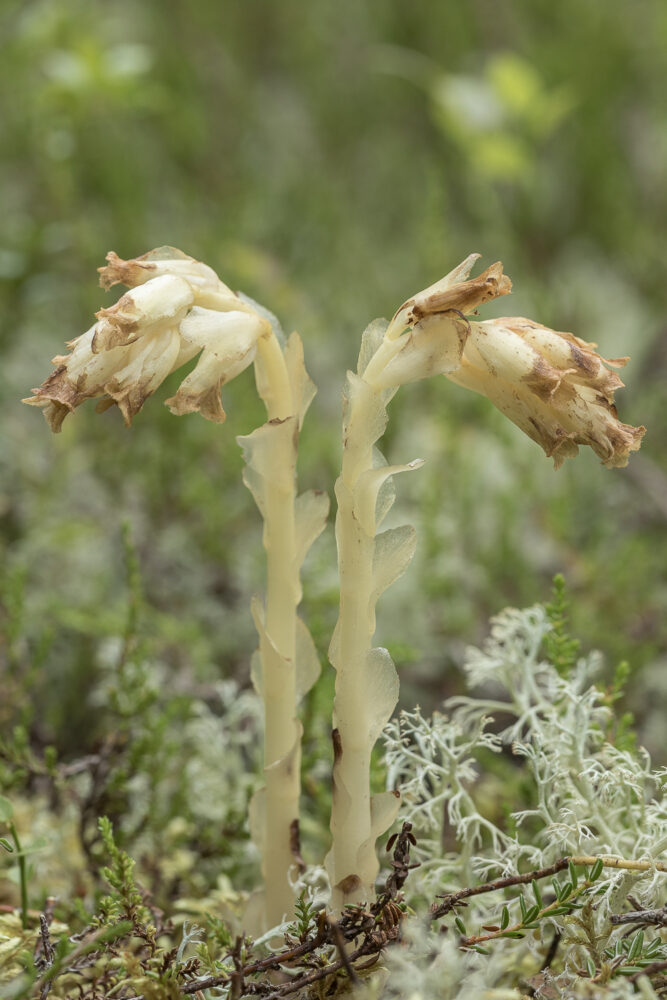
As the team continued their survey, they also located the coralroot orchid and several specimens of pinesap in the same protected expanse of Porkkasalo. These findings reinforce the importance of protecting not just individual "rare" species, but entire ecosystems. The ghost orchid, the pinesap, and the mossy floor they inhabit are parts of a singular, fragile machine.
For the people of Finland, these findings are a reminder that the value of a forest cannot be measured in cubic meters of timber alone. Some of the most valuable residents of our forests are the ones we cannot see, or that we are only lucky enough to see for a few weeks in August, deep in the heart of a forest that was allowed to grow old.