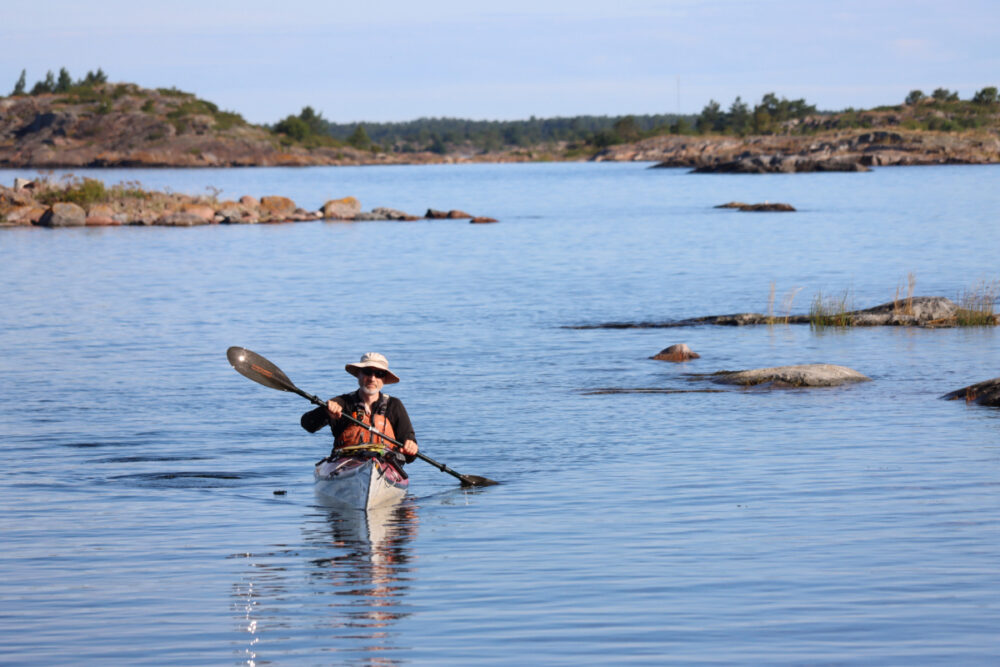
The archipelago of Åland is a labyrinth of granite, wind-swept pines, and maritime history. For the modern kayaker, it is a playground of navigation and isolation. However, a recent expedition across the waters of Föglö revealed that beneath the pristine, moss-covered exterior of these islands lies a somber, centuries-old narrative of human suffering, survival, and the relentless endurance of nature.
What began as a routine paddling trip turned into a profound historical exploration, tracing the remnants of a 17th-century leper colony and the fading legacy of traditional Baltic fishing culture.
Main Facts: A Window into the 1600s
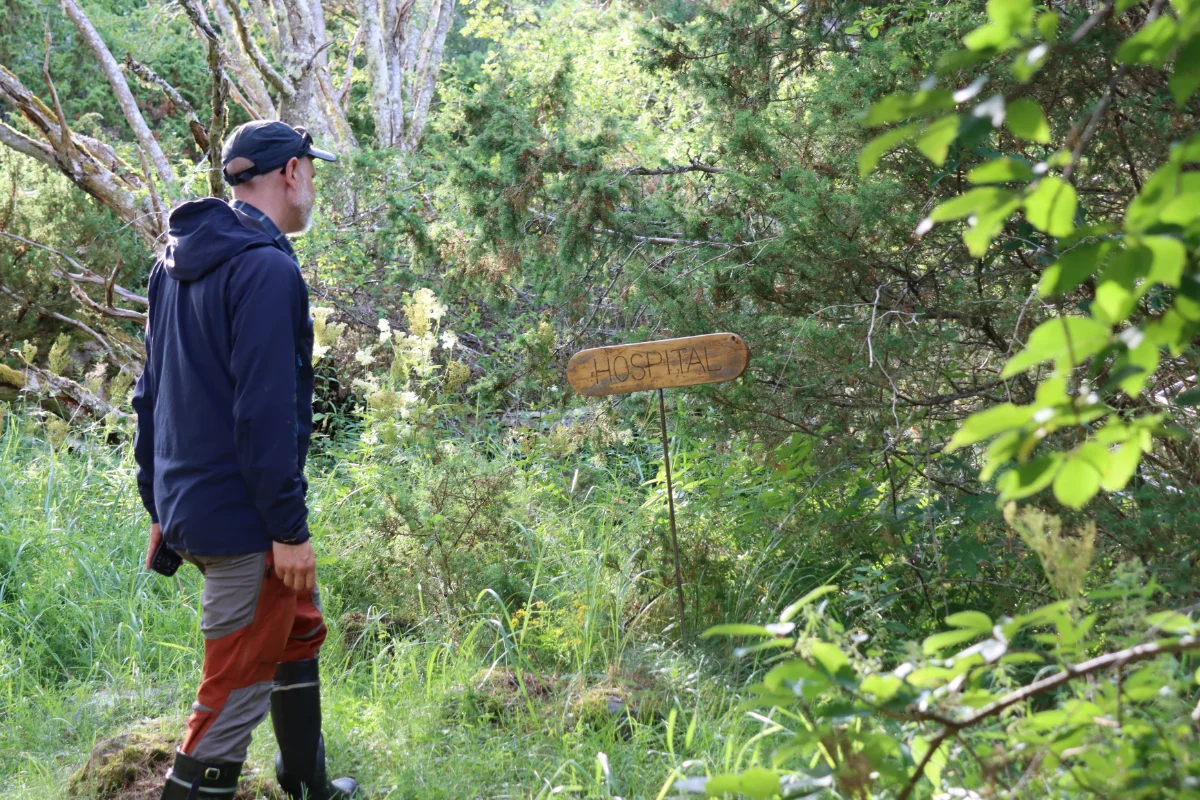
The focal point of the journey was Gloskär, a small, unassuming island marked on maritime charts with the somber label: spetälskhospital (leprosy hospital). Between 1653 and 1672, this remote outcrop served as a place of exile for those afflicted with leprosy.
The historical reality of the colony is harrowing. Leprosy, at the time, was a social death sentence. Upon diagnosis, individuals were forcibly removed from their homes, never to return. The regulations of the time demanded they bring their own bedding, clothing, and—most chillingly—the raw materials for their own coffins.
Chronology of the Expedition
Day 1: The Wind and the Past
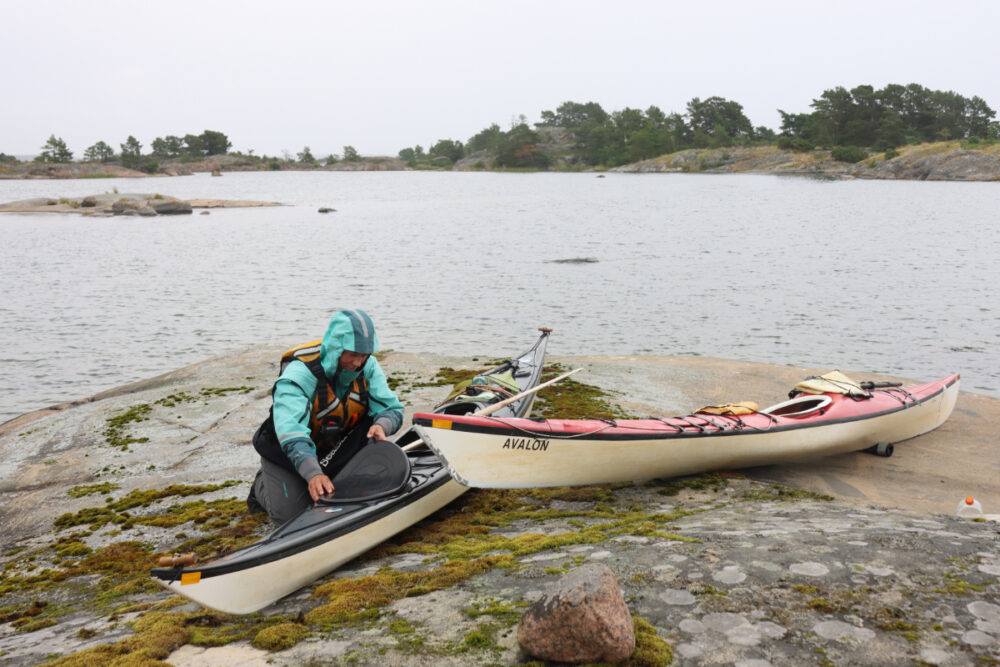
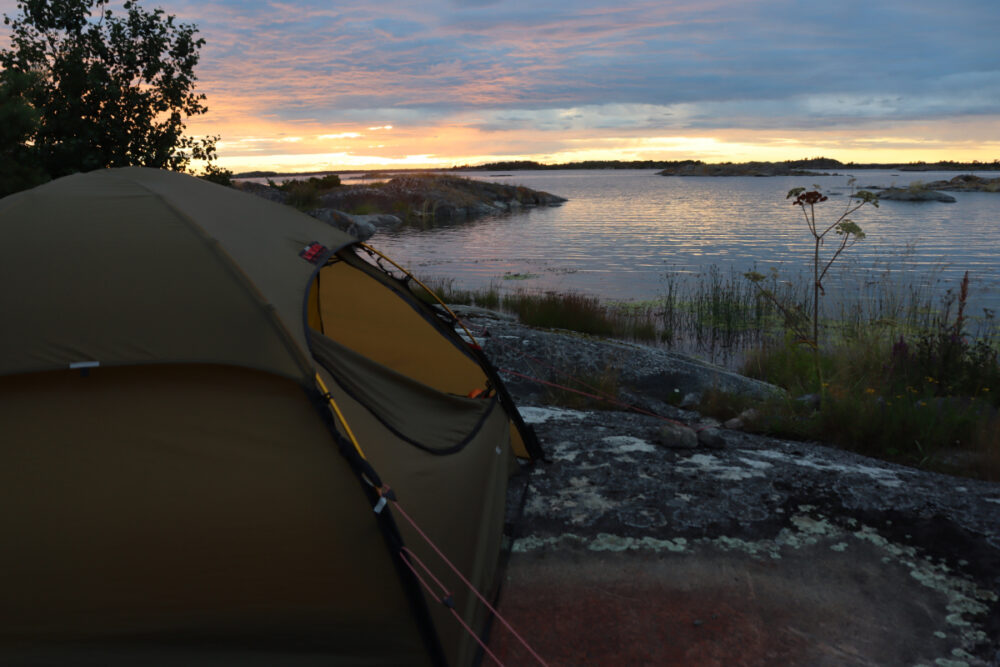
Our journey commenced at the church in Föglö. We faced a stiff, gusting cross-headwind, forcing us to battle for over seven kilometers before reaching the eastern, smoothed granite shores of Gloskär. Given the unfavorable weather forecast, we elected to set up camp on the island’s shore.
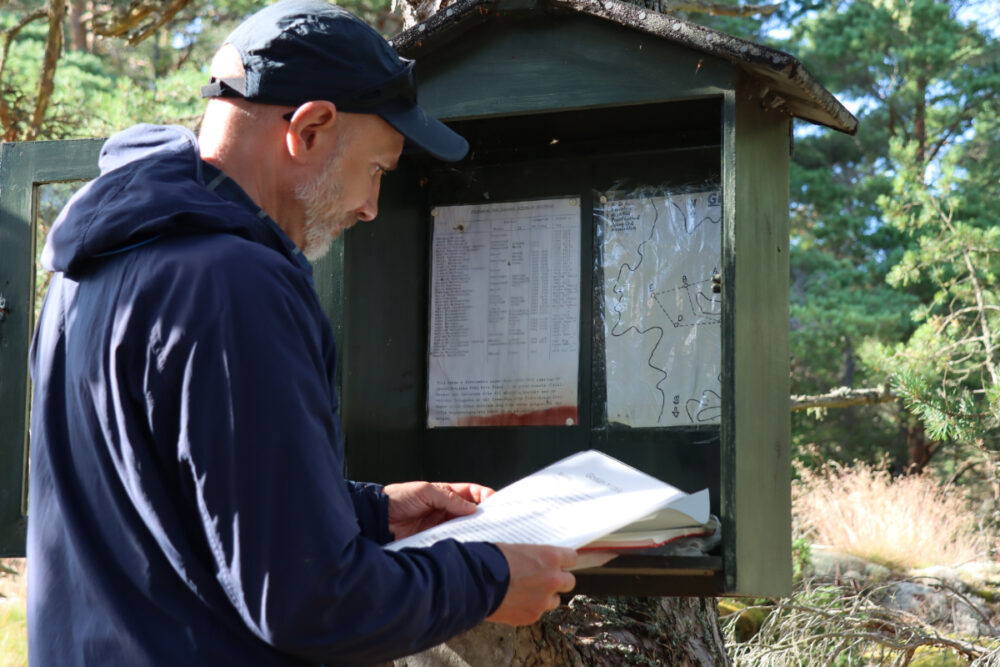
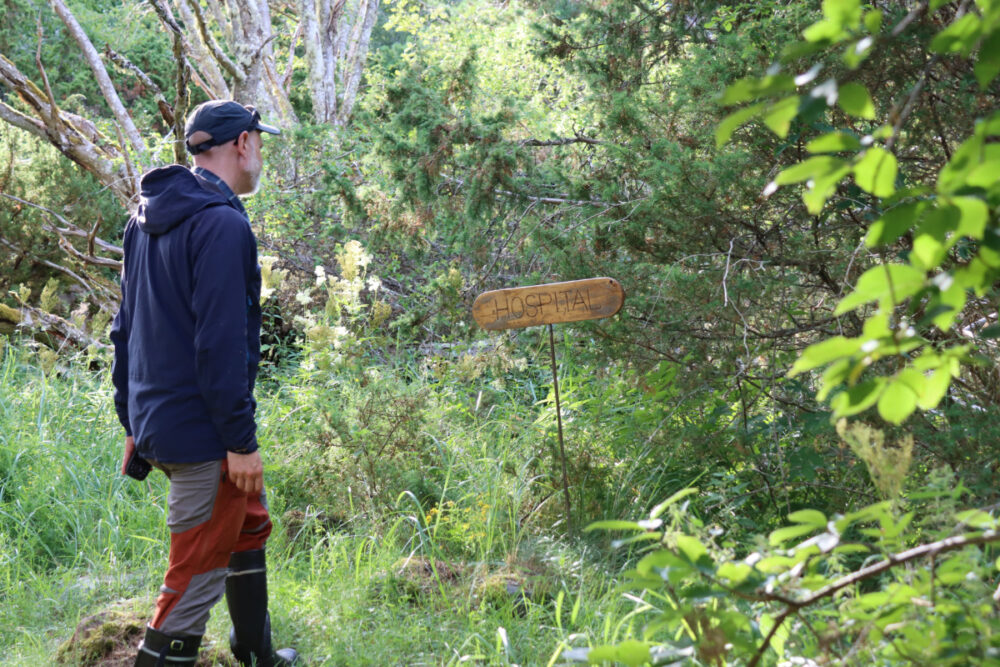
Donning rubber boots—a necessity in these tick- and viper-infested rocky terrains—we ventured inland. We soon discovered a marked path that led us through the island’s history. Unlike the sterile nature of many historical sites, Gloskär felt raw. We walked the path, reading of the lives lost. The archival data provided at the site, featuring original patient lists, painted a grim picture: many succumbed to the disease within a year or two of arrival.
Day 2: The Fishing Shacks of Sältingskär
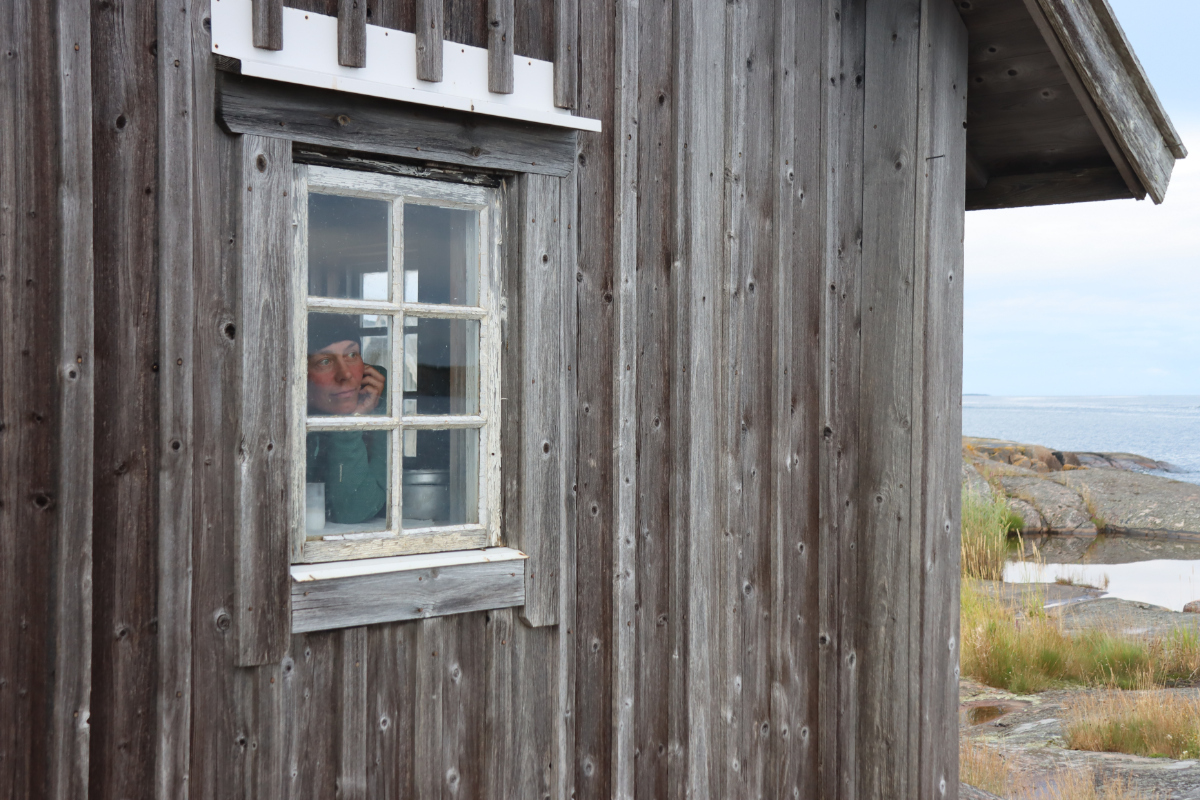
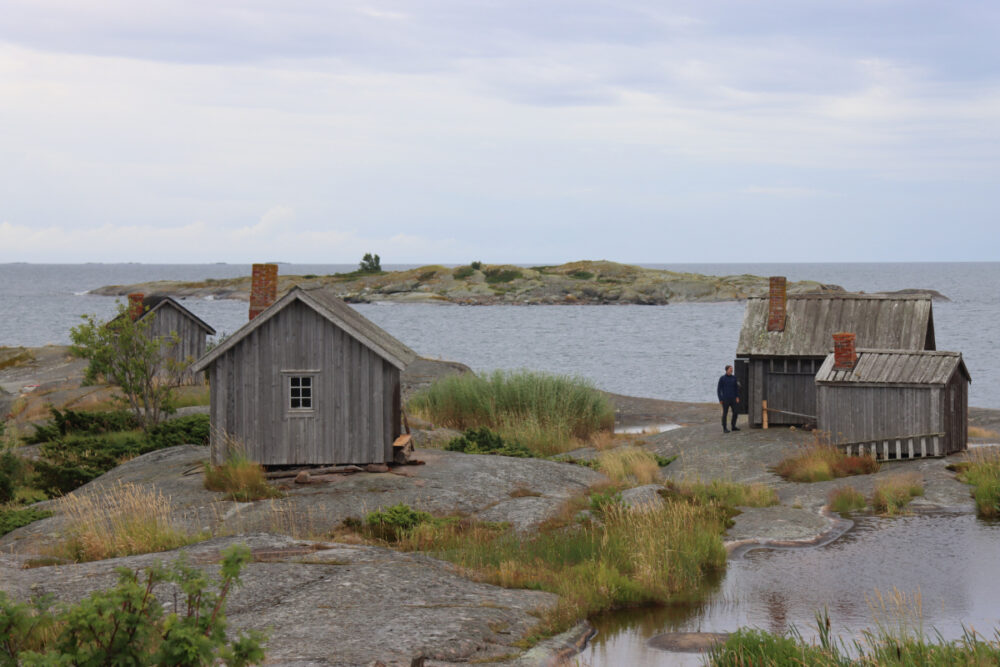
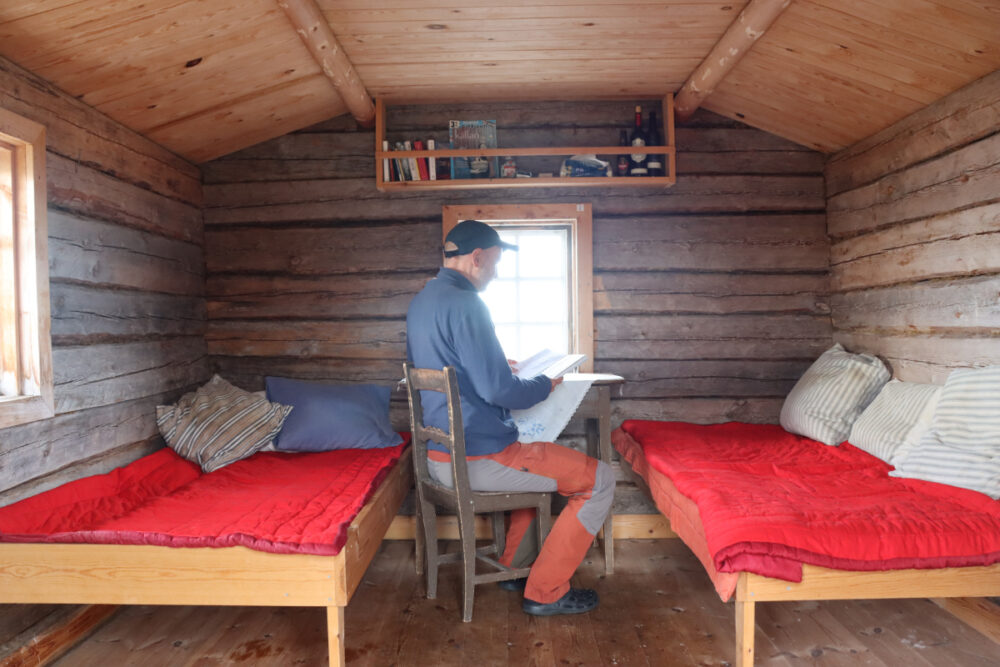
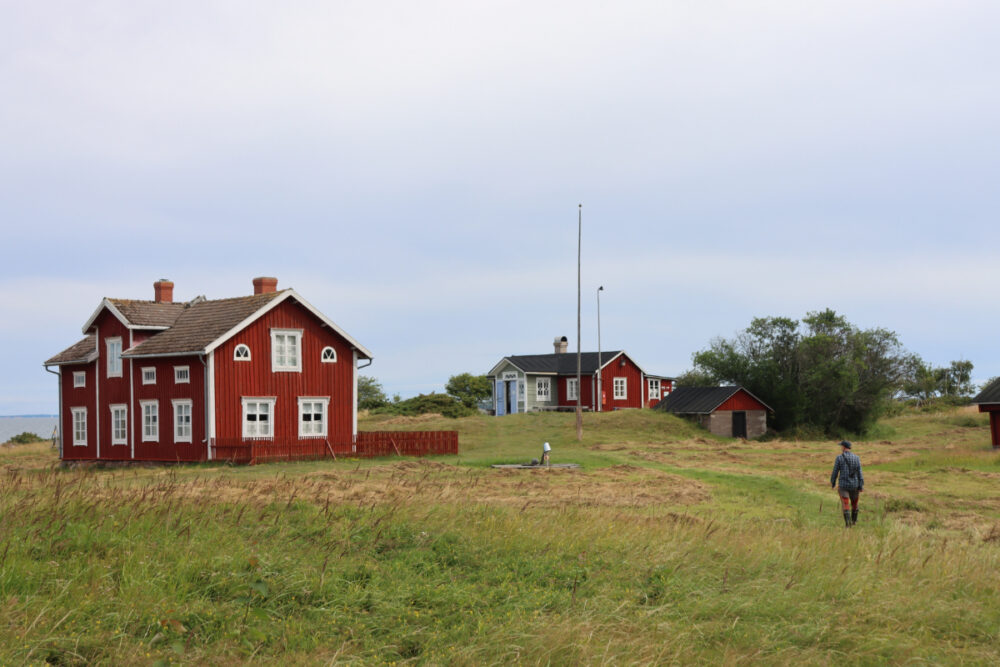
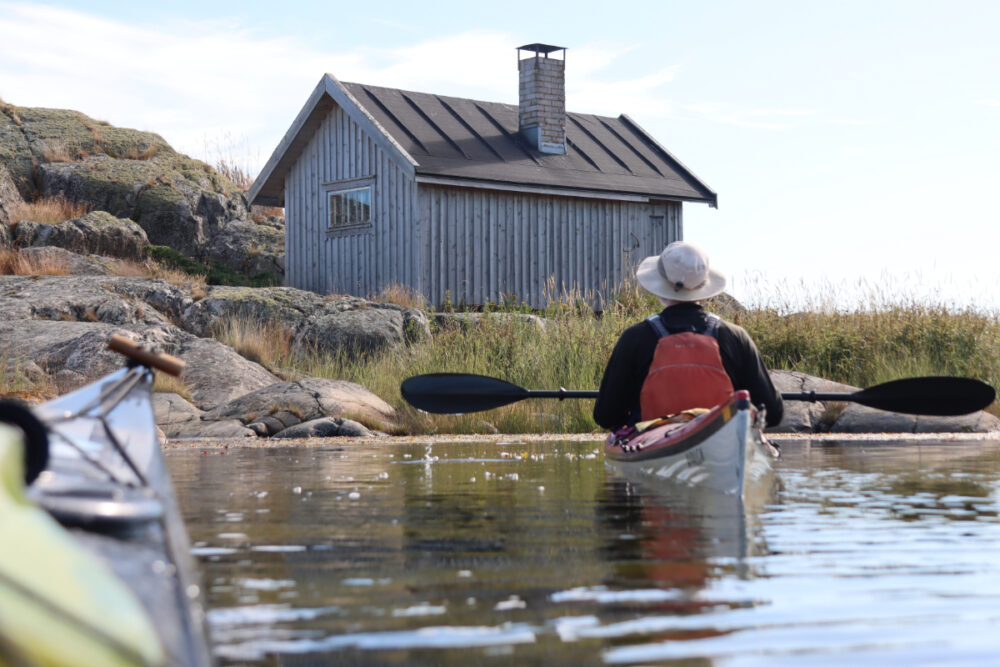
As the wind died down, a thick, pervasive rain set in, obscuring the horizon. We sought shelter in the historical fishing cabins of Sältingskär. These restored structures, maintained by the Föglö Local Heritage Association and the Åland Museum Board, serve as a living museum.
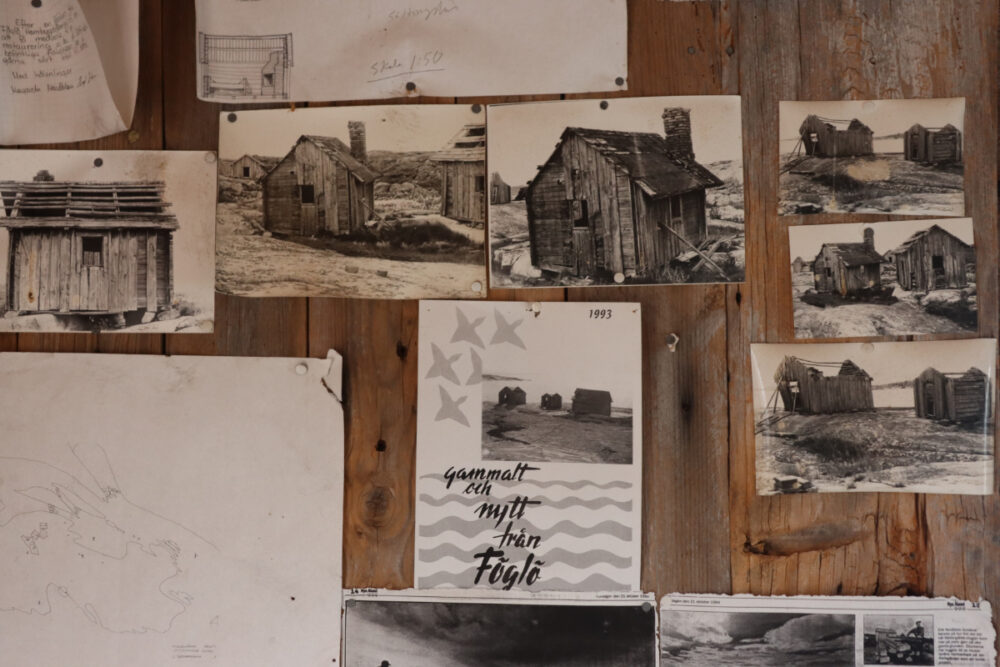
Historically, these cabins were vital hubs for Baltic fishermen during the peak of the fishing season. Before the advent of motorized vessels, fishermen needed to be close to the best waters, and these shacks were their seasonal homes. By the 1990s, the cabins had fallen into severe disrepair, with roofs collapsed and walls rotting. Today, thanks to volunteer efforts, they offer a warm, dry refuge for modern travelers.
Day 3: Björkö and the Perennial Landscape
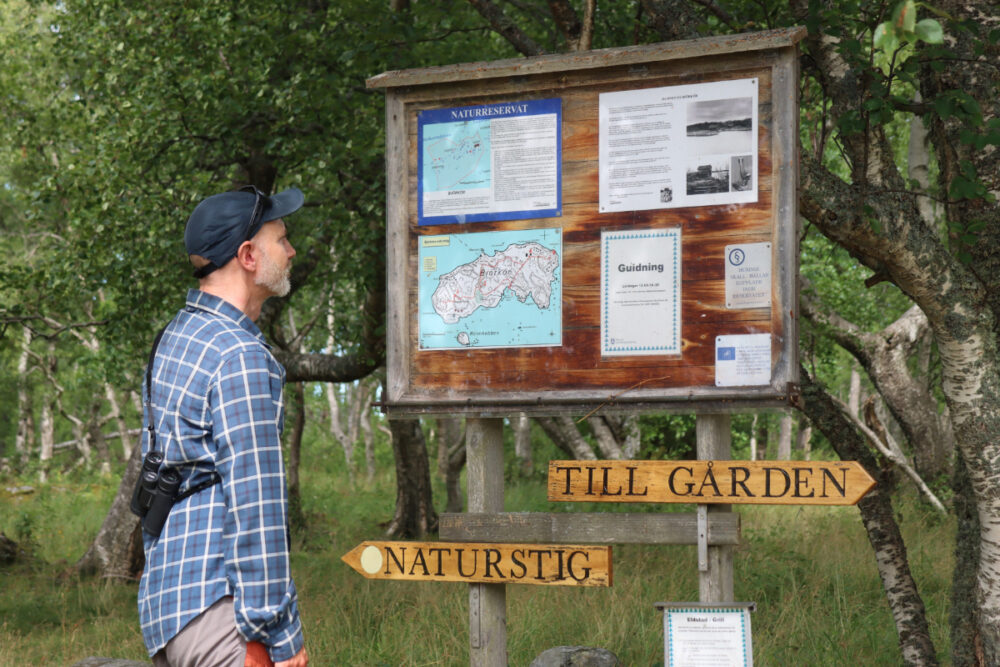
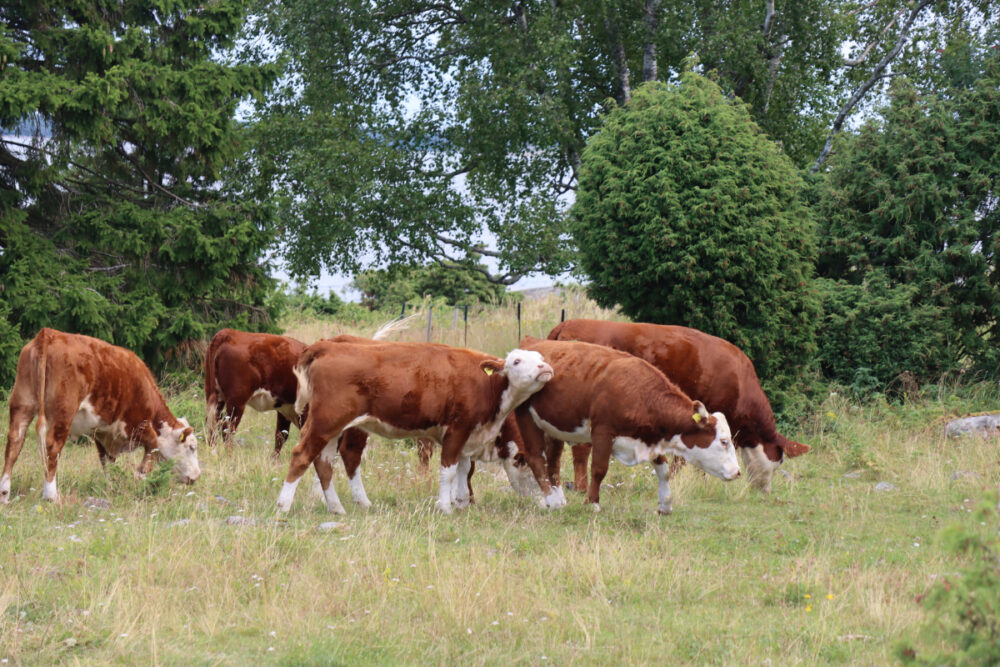
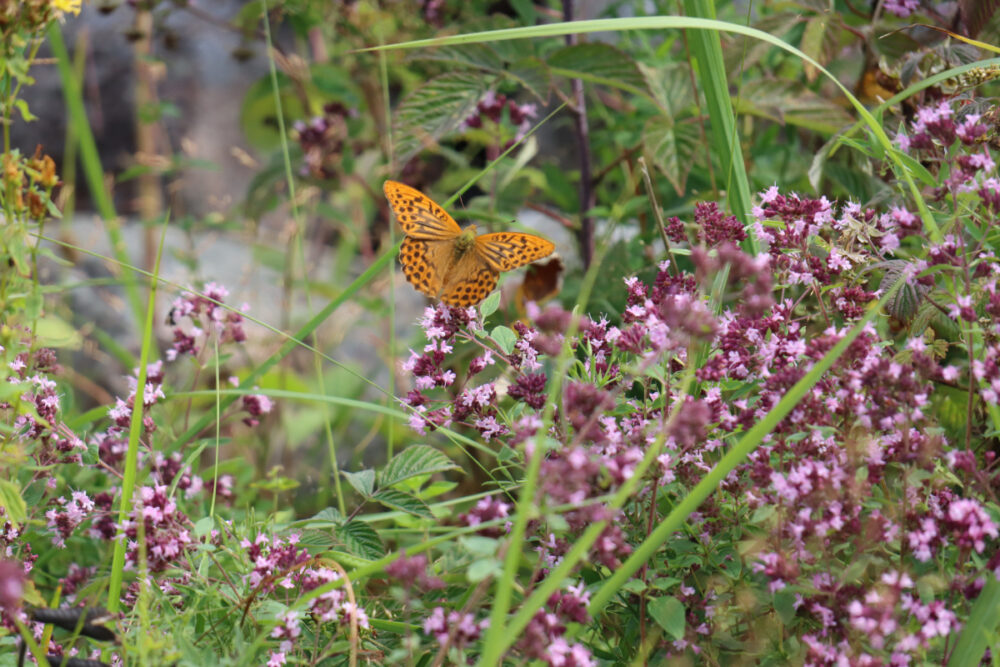
Our final major stop was the southern shore of Björkö. This island, part of a protected nature reserve, provides a stark contrast to the abandoned sites we had visited. Here, the landscape is managed through traditional methods. Cattle and sheep graze the meadows, preserving a 1700s-era farmstead atmosphere. The ecological success of this management is evident: the meadows were teeming with rare butterflies, including the impressive Argynnis paphia (Silver-washed fritillary), feeding on wild marjoram.
Supporting Data: The Ecology and Preservation
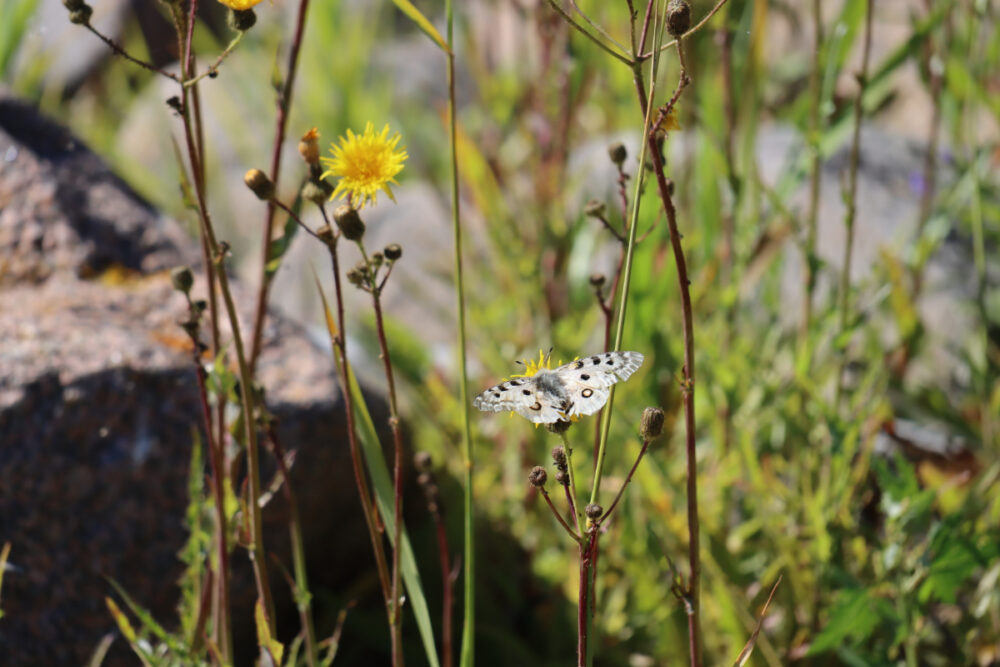
The Föglö archipelago is more than a historical site; it is a critical habitat for biodiversity. The presence of the Parnassius apollo (Apollo butterfly) in this region is of particular significance, as these islands represent one of the most vital strongholds for this threatened species in Finland.
The restoration of sites like Sältingskär provides data on architectural longevity and the socio-economic shifts of the 20th century. When motorization allowed fishermen to return to their main homes each night, the need for these island-based "satellite villages" vanished, leading to a period of rapid decay. The intervention by the heritage societies has prevented the total loss of this unique architectural heritage, which serves as a benchmark for how small municipalities can steward their history.
Official Responses and Preservation Efforts
The preservation of the Föglö sites is a collaborative effort between the Åland Museum Board (Ålands博物館/Museibyrå) and local heritage organizations. Their policy focuses on "minimal intervention"—preserving the existing structures through traditional methods rather than complete reconstruction.
The philosophy behind these projects is that the buildings should tell their own story, including their scars. The inclusion of photographic evidence at the sites—showing the derelict, pre-restoration states—is an intentional educational strategy. It reminds the public that cultural heritage is fragile and that the state of these islands today is the result of years of dedicated, unpaid labor by local volunteers.
Implications: The Intersection of History and Modern Tourism
This expedition highlighted several critical implications for the future of the Baltic islands:
- The Ethics of "Dark Tourism": Visiting sites like the Gloskär leper colony demands a shift in mindset. It is not merely a scenic spot for a hike, but a site of profound human tragedy. The signage and preservation must balance historical accuracy with respect for the deceased.
- Climate and Infrastructure: As seen in our encounter with the sudden storm near the outer archipelago, the environment remains volatile. The preservation of historical sites must account for increased weathering and the changing habits of modern maritime tourists.
- Conservation Synergy: The success of Björkö proves that cultural heritage preservation (the farmstead) and environmental conservation (the butterfly habitats) are not mutually exclusive. In fact, they are synergistic; the traditional agricultural practices that sustain the farm also create the specific ecosystem required by the rare butterflies.
Conclusion
As we spent our final evening on the sandy shores of Stora Sandören, reflecting on the miles paddled and the history witnessed, it became clear that the Föglö archipelago is a living archive. From the tragic echoes of the leper hospital to the vibrant meadows of Björkö, these islands offer a rare opportunity to engage with the past in a way that is both intellectually stimulating and physically demanding.
For the modern traveler, Föglö serves as a reminder: we are merely the latest in a long line of visitors to these shores, each leaving a mark, however fleeting, on the resilient, wind-swept granite of the Åland Sea.