Date: July 28, 2026
Author: Tapio Kujala
For the dedicated entomologist, the Baltic Sea has long served as both a bridge and a barrier. While Estonia is geographically closer to Helsinki than many inland Finnish towns are to one another, the ecological differences across the Gulf of Finland remain profound. This summer, the Finnish Entomological Society’s annual spring excursion turned its gaze toward the southern shore, revealing a biodiversity hotspot that feels, to a Finnish observer, like a glimpse into a different world.
Main Facts: An Entomological Frontier
The core objective of the expedition was to document species that have yet to cross the maritime barrier into Finland, as well as to study populations of insects that are classified as extreme rarities in the north but thrive in the Estonian climate. The trip, originally scheduled as a compact weekend event, was extended by participants to allow for deeper field research.
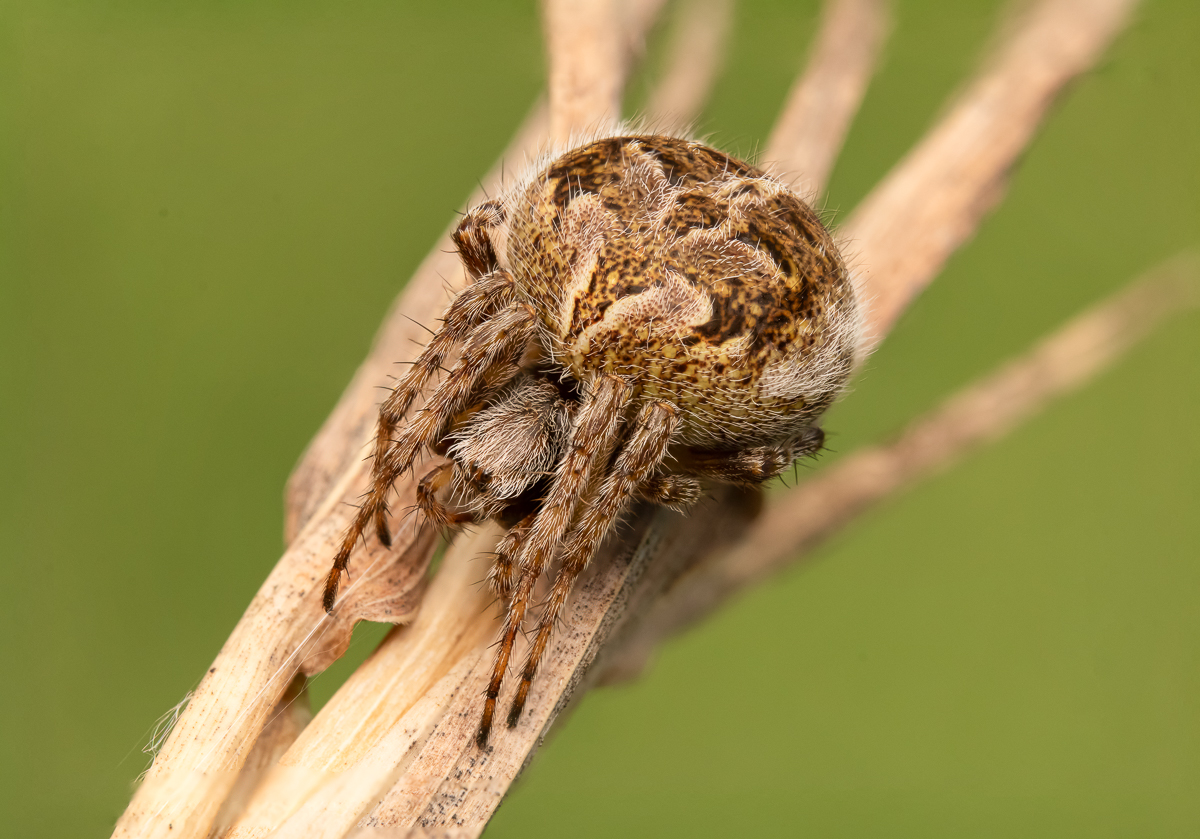
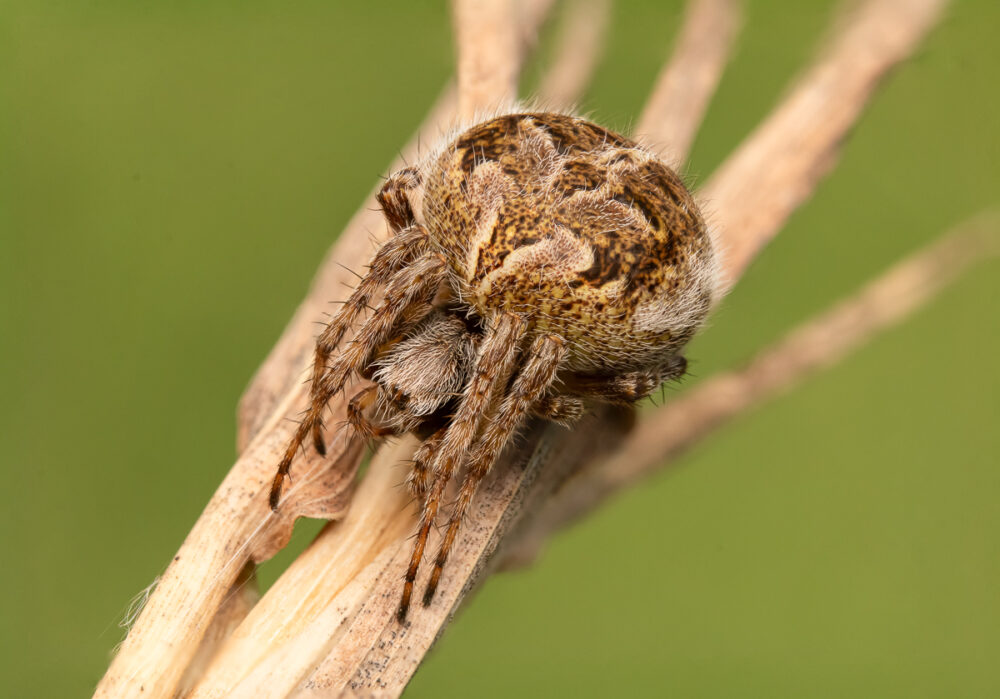
The findings were striking. From the elusive Agalenatea redii (the "Pörrökkä" spider) to specialized ground beetles, the sheer density of insect life in the Estonian countryside serves as a reminder of the fragility and specificity of northern ecosystems. For the amateur and professional alike, Estonia represents a "lost world" of biodiversity—a place where species distribution is dictated by soil chemistry, historical land use, and a slightly milder climate that permits the survival of southern specialists.
Chronology: A Weekend of Discovery
The expedition officially commenced on a Saturday, but true enthusiasts, recognizing the logistical limitations of a two-day schedule, opted for an "advance party" strategy.
Thursday: The Arrival and Initial Surveys
The journey began on Thursday, with the transport of personal vehicles via ferry. This proved to be a tactical masterstroke. Having a vehicle allowed for spontaneous shifts in location, enabling the team to chase weather windows—crucial when the forecast is as fickle as it was this July.
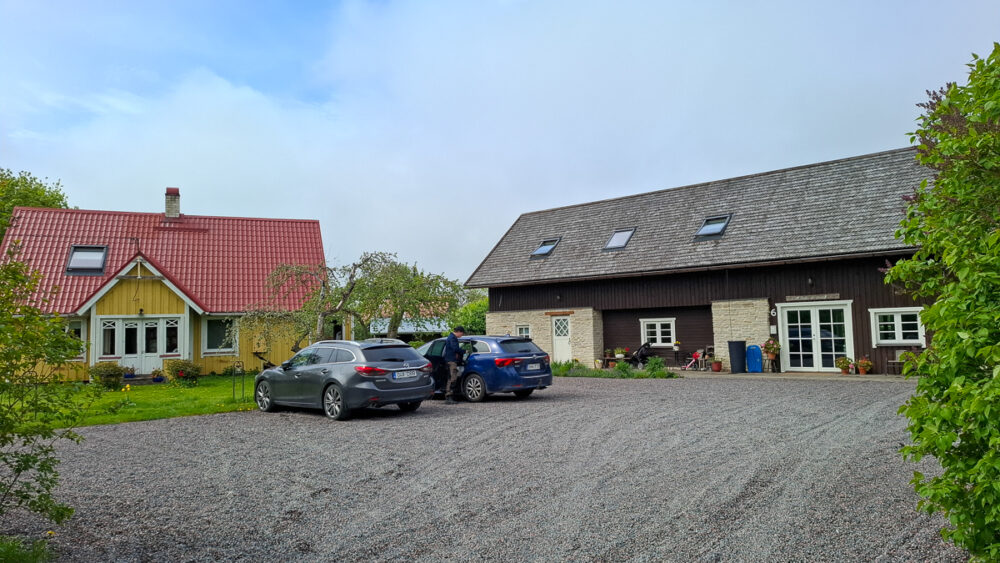
The team established a base of operations in Muraste, approximately 20 kilometers west of Tallinn. The choice of accommodation, Loo Kodu & Köök, provided more than just shelter. Housed in a 125-year-old granary, the site offered a perfect intersection of historical charm and modern utility. Surrounded by gardens, the location served as a prime study area for immediate local observations.
Despite a chilly and rainy Thursday, the "hauls" were significant. The team identified multiple tick species and encountered Agalenatea redii. This orb-weaver, currently classified as "Near Threatened" and an irregular visitor in Finland, was found in abundance in the Estonian shrubbery. Its presence underscored the primary motivation for the trip: finding species that remain elusive or absent on the northern side of the gulf.
Friday: Into the Depths of the Coastal Fringe
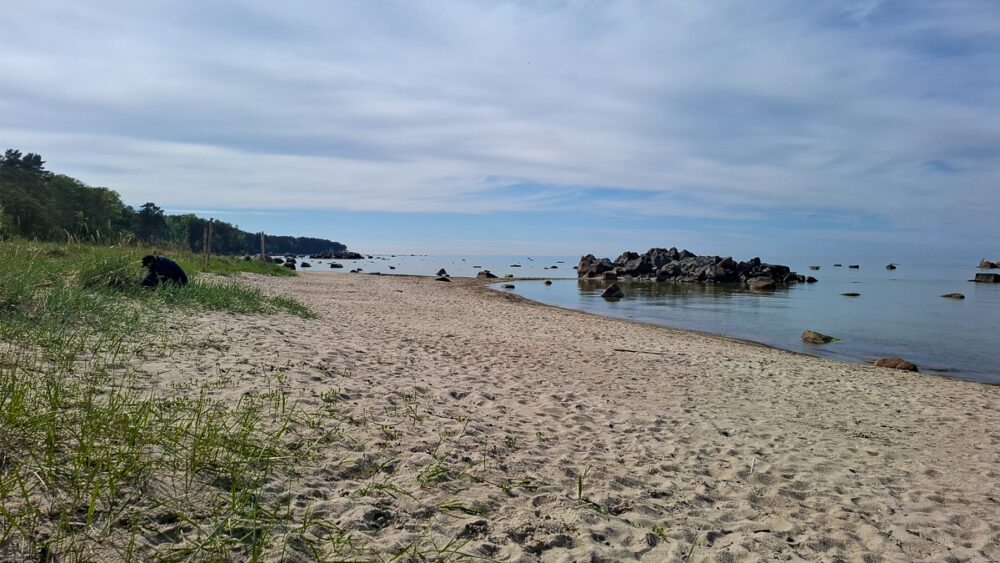
As the weather cleared on Friday, the focus shifted to the coastal sands and mudflats. The Estonian coastline, with its unique limestone geology and dynamic littoral zones, offers habitats rarely replicated in the Finnish archipelago.

The team dedicated hours to meticulous excavation of the mudflats. It was here that the Augyles hispidulus (sand-dwelling mud beetle) was identified. A species classified as endangered in Finland and restricted to tiny pockets of the Finnish coast, it was found in the Estonian mud in numbers that suggest a thriving, stable population.
Supporting Data: The Science of Survival
The observations made during this excursion highlight several critical ecological principles regarding insect distribution and adaptation.
The "Squeaking" Mud Dwellers
One of the most fascinating aspects of the Augyles hispidulus is its behavioral adaptation to the mudflats. These beetles are "master excavators," utilizing powerful forelegs to tunnel through substrate. Most remarkably, both the adults and the larvae utilize stridulation—a form of sound production created by rubbing body parts together—to navigate the darkness of their subterranean tunnel networks. This acoustic signaling is also used as a defensive mechanism against potential predators.
Specialized Niche Specialists
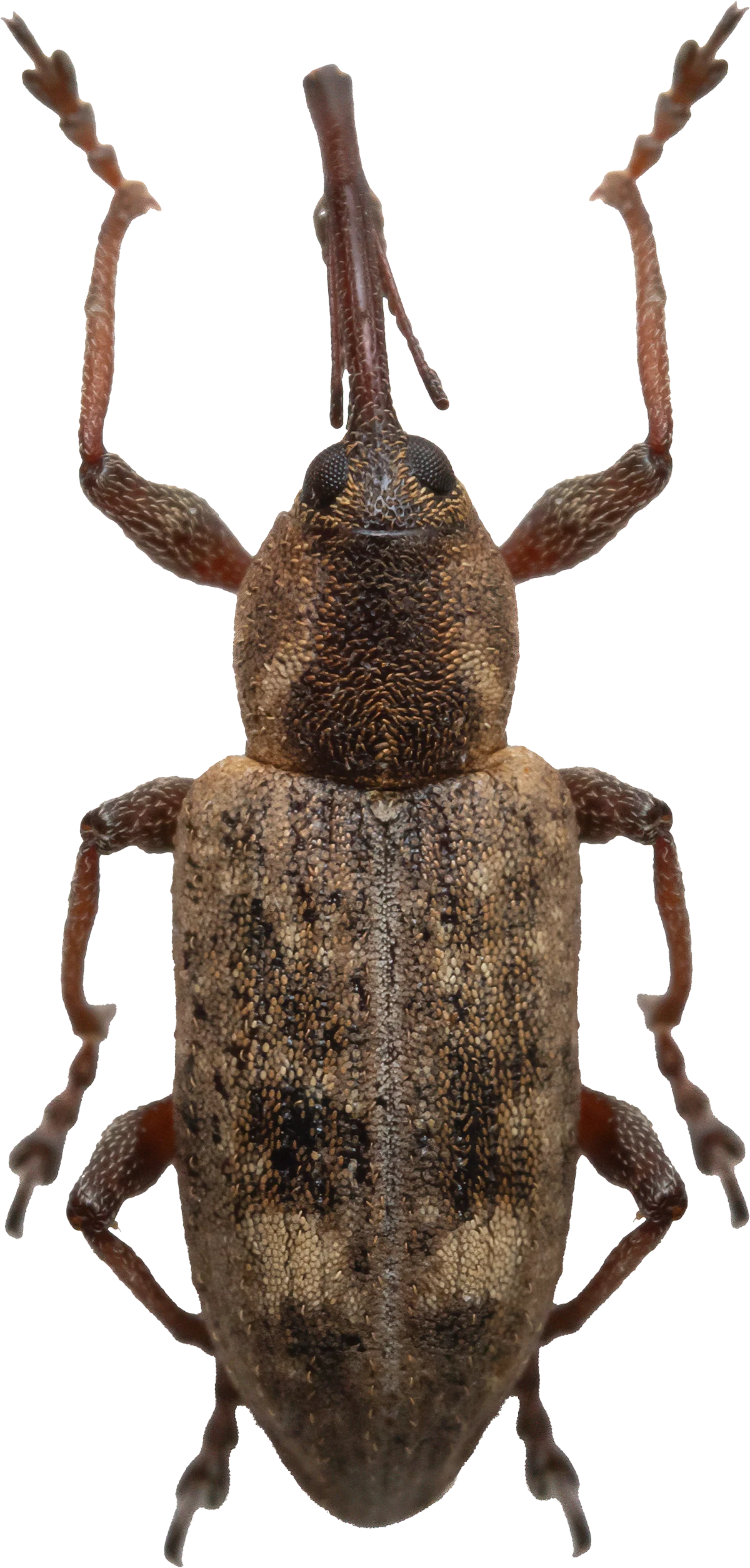
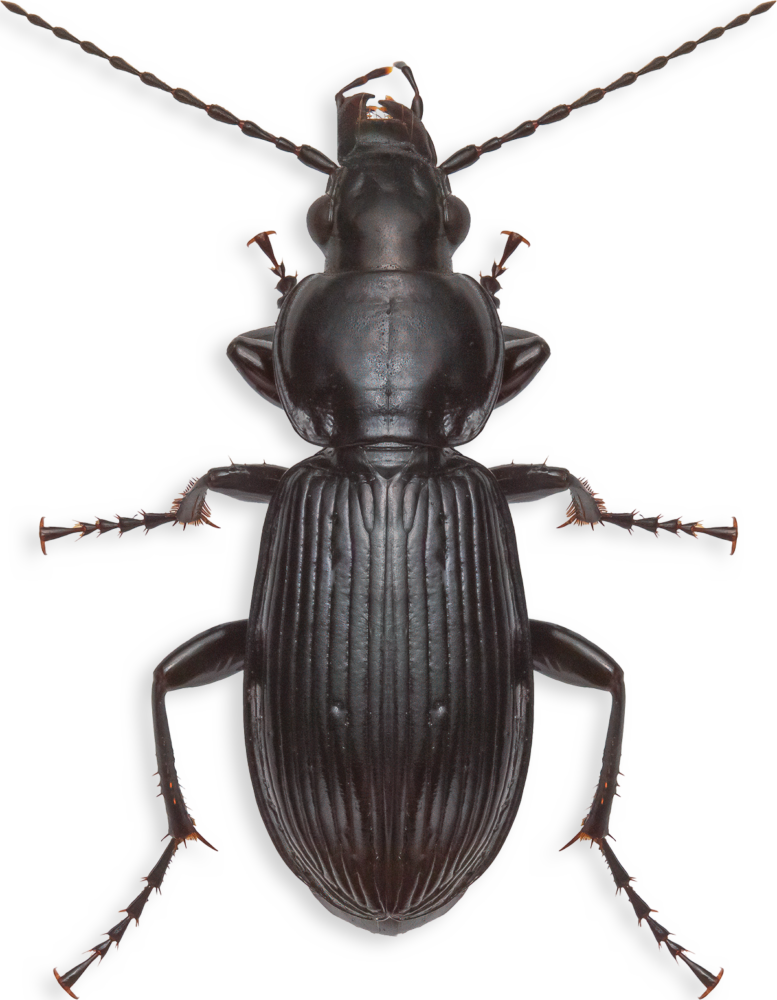
The identification of Pterostichus aethiops (the "Kantosysikiitäjäinen") provided a masterclass in taxonomy. These ground beetles, inhabitants of old-growth forests and decaying wood, are notoriously difficult to distinguish from their relatives.
Determination required:
- Morphological Analysis: Close inspection of the pronotum, specifically the grooves and depressions at the rear.
- Punctuation Patterns: The exact number and placement of pits on the elytra.
- Coloration: A subtle shift in the tone of the appendages and antennae that serves as a diagnostic marker for the species.
These findings serve as a reminder that biodiversity is often hidden in the "boring" brown and black insects that the casual observer ignores.
Official Responses and Conservation Implications
The Finnish Entomological Society’s trip has sparked a broader conversation regarding the impact of climate change on insect migration. As temperatures rise, the barrier effect of the Gulf of Finland is expected to diminish, potentially allowing for the natural expansion of southern species into Finnish territory.
Experts accompanying the trip noted that Estonia’s diverse landscape—a patchwork of ancient forests, limestone cliffs, and coastal meadows—acts as a "reservoir" for species. Conservationists argue that protecting these Estonian habitats is not merely a regional concern but a vital component of Northern European biodiversity. If these habitats are degraded, the source population for future Finnish colonization will disappear.
Implications for Future Research
The success of this trip has already led to plans for a follow-up expedition. The team identified several "blind spots" in the coastal data that require further long-term study.
The logistical model—using a private vehicle to traverse between specialized habitats—proved superior to group-organized transport. It allowed the researchers to follow the "micro-climates," moving from the sheltered woodlands of the interior to the wind-swept, mineral-rich sands of the coast within the span of a single afternoon.
The Call to Citizen Science
The author, Tapio Kujala, emphasizes that this level of discovery is not reserved for institutional researchers alone. Through the use of social media and public-facing databases, the modern entomologist can contribute to a larger, global understanding of insect populations. By documenting these encounters, whether in the backyard or in a foreign meadow, the enthusiast provides the data points necessary for long-term climate modeling and conservation advocacy.
Conclusion: A Borderless Passion
As the expedition concluded, the contrast between the two shores of the Baltic remained the dominant theme. While Estonia and Finland share a similar history and geography, the biological differences remain a testament to the power of small, environmental variations.
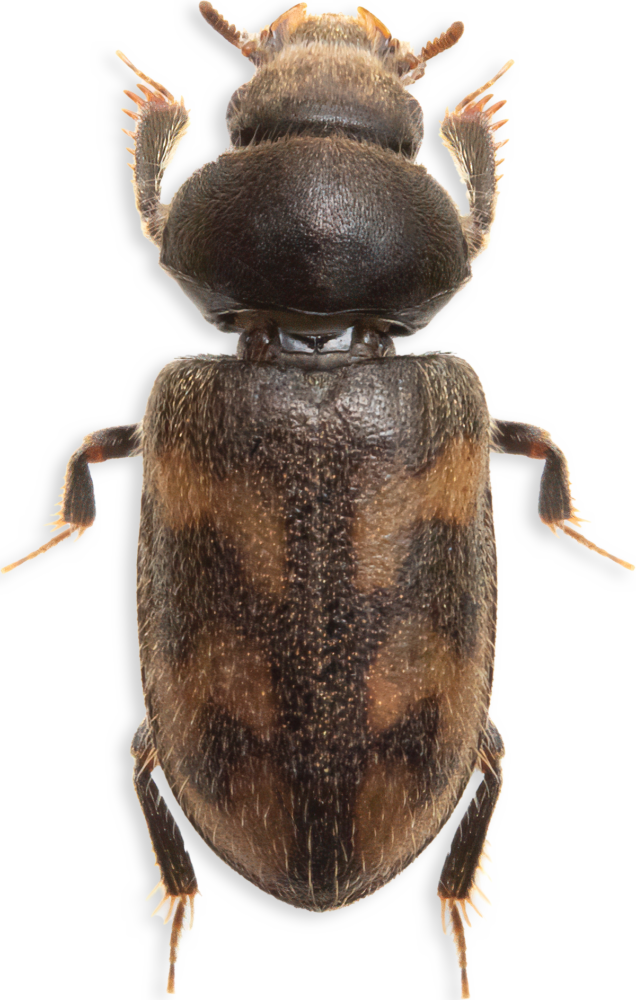
The Agalenatea redii orb-weaver, the Pterostichus aethiops of the old forests, and the stridulating mud beetles of the coast all serve as ambassadors of a richer, more complex ecosystem than we often perceive. For those willing to look closer, to dig deeper, and to cross the water, the rewards are immense. The journey was not just an excursion into a neighboring country; it was an excursion into the intricate, often overlooked, and vital world of the creatures that hold our ecosystems together.
For those interested in the specific imagery and further taxonomic breakdowns of the species encountered, follow the ongoing documentation via social media channels, where the dialogue between the professional community and the public continues to bridge the gap between "the bug in the garden" and the scientific study of our changing world.
For more information on the species discussed or to provide feedback on this report, please reach out via the author’s professional social media profiles. The next installment of this travelogue will cover the limestone cliffs and the hidden life found within the surf-beaten shores of the northern Estonian coastline.