By Samuli Haapasalo | September 1, 2026
The transition from late summer to autumn brings with it a rhythmic, yet unpredictable, pulse: the autumn migration of birds. Unlike the concentrated intensity of the spring arrival, autumn migration is a protracted affair, a slow-motion departure that tests the patience and keen eye of the dedicated birdwatcher. It is a season defined by subtle atmospheric shifts, the changing colors of plumage, and the constant, silent struggle for survival in a rapidly altering landscape.
The Dynamics of Autumn Movement
While spring migration is often a high-stakes dash to breeding grounds, autumn migration is more methodical. Birds are not driven by the same urgent reproductive hormonal spikes; instead, they are guided by the depletion of daylight, changes in food availability, and the onset of cooling temperatures.
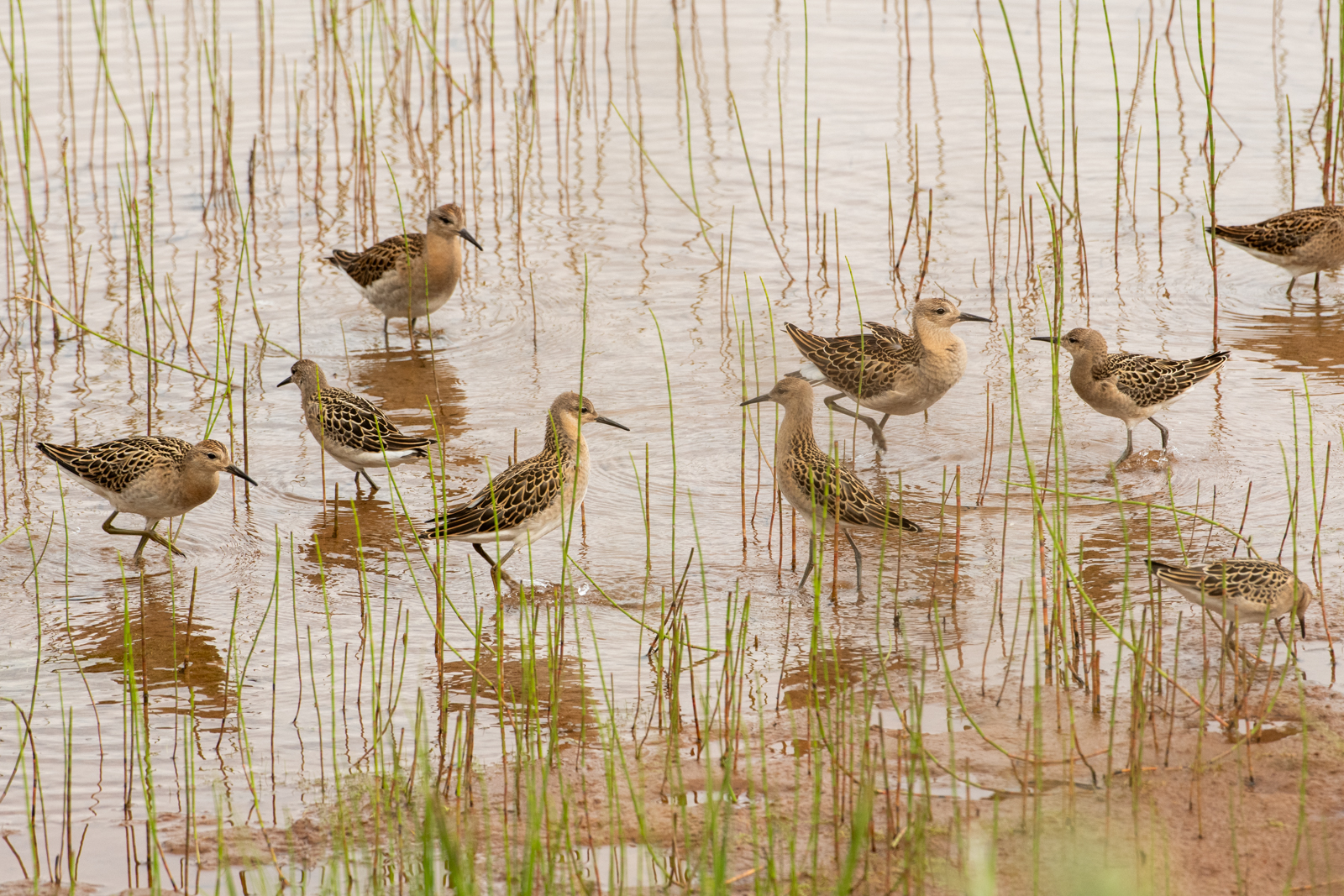
For the observer, this creates a different set of challenges. One cannot simply wait for a massive "wave" of birds; one must seek them out. Experienced birders know that meteorological events play a massive role in where these travelers are found. Storm systems and heavy winds can displace migratory flocks, pushing them far from their traditional, established routes. These "drift" events are the moments that define a season, turning a standard day at the marsh into an extraordinary discovery of rare species in unexpected biotypes.
Chronology of the Season: From Summer Solace to Autumn Silence
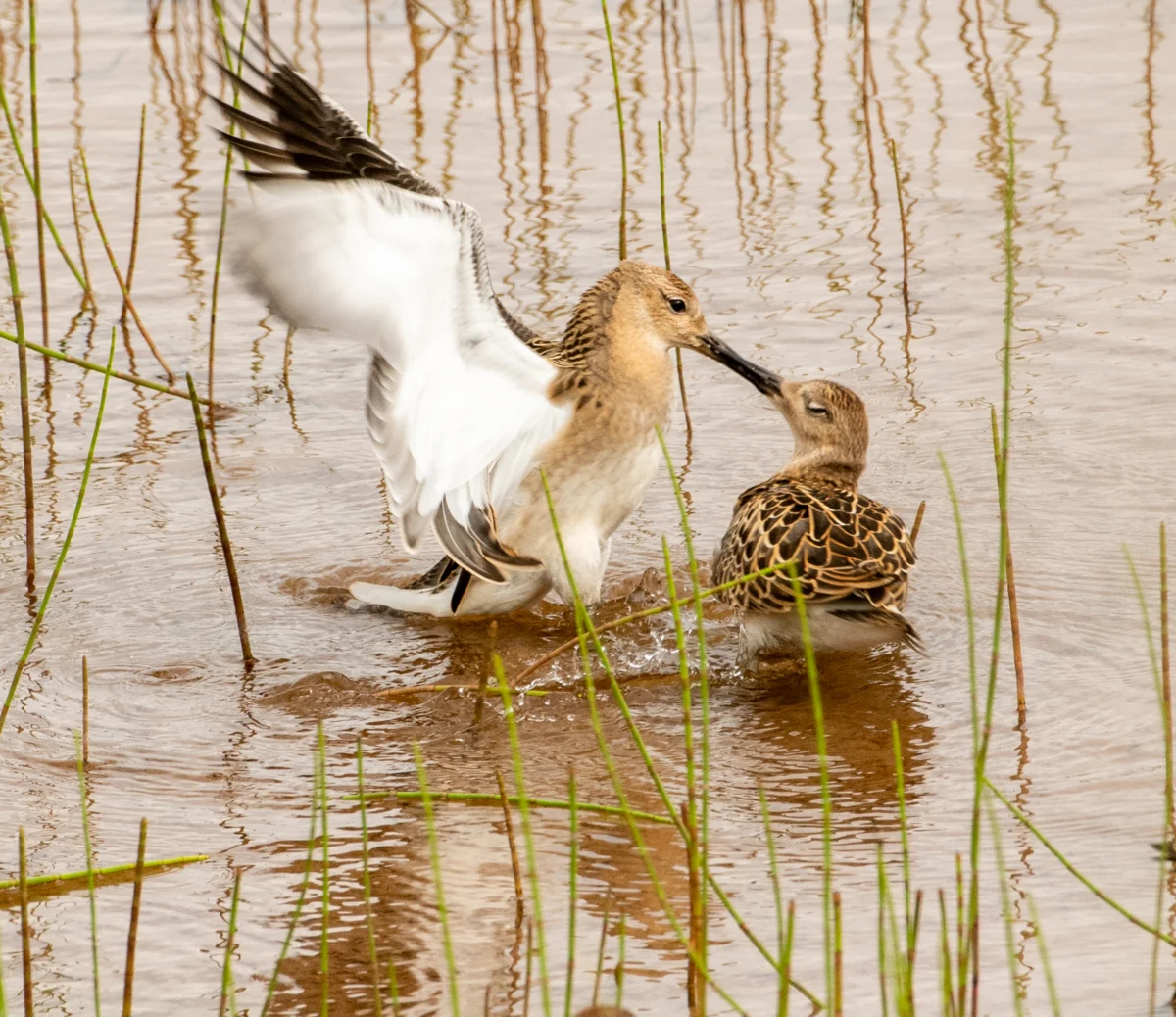
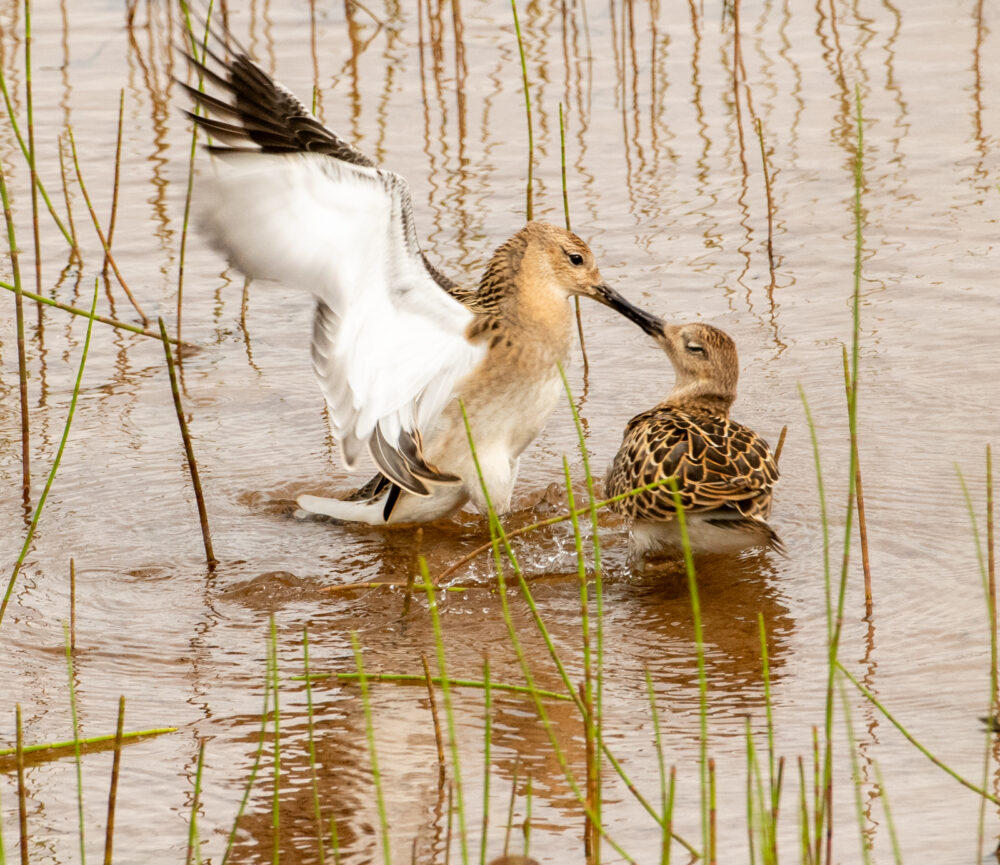
The progression of the season is best viewed through the lens of habitat availability. In July and August, the focus remains on the post-breeding dispersal. For many waders, such as the ruff (Calidris pugnax) and the spotted redshank (Tringa erythropus), the journey begins early.
- Late July/Early August: The first waders begin to appear on mudflats. As observed recently on the Varanger Peninsula, fluctuating water levels in tundra ponds create temporary, nutrient-rich stopovers. These sites are fleeting—once the water recedes or dries up, the birds move on.
- Late August/Early September: The shift in vegetation is profound. As autumn crops are harvested—often earlier now due to modern agricultural shifts toward autumn-sown varieties—the landscape changes. Fields that provided ample cover and food in August may be barren by mid-September.
- October and Beyond: The "stragglers" remain. Species that would typically depart are increasingly staying later into the season. This phenomenon is directly tied to the warming climate; as long as the nights remain frost-free and the inland waters remain open, these resilient birds hold their ground, offering a fascinating window into behavioral adaptation.
The "Lajikoulu" (Species School)
One of the most challenging aspects of autumn birding is the identification of juveniles and adults in their non-breeding plumage. As birds swap their vibrant, diagnostic spring colors for the muted, cryptic tones of their winter garb, the difficulty for the ornithologist increases significantly.
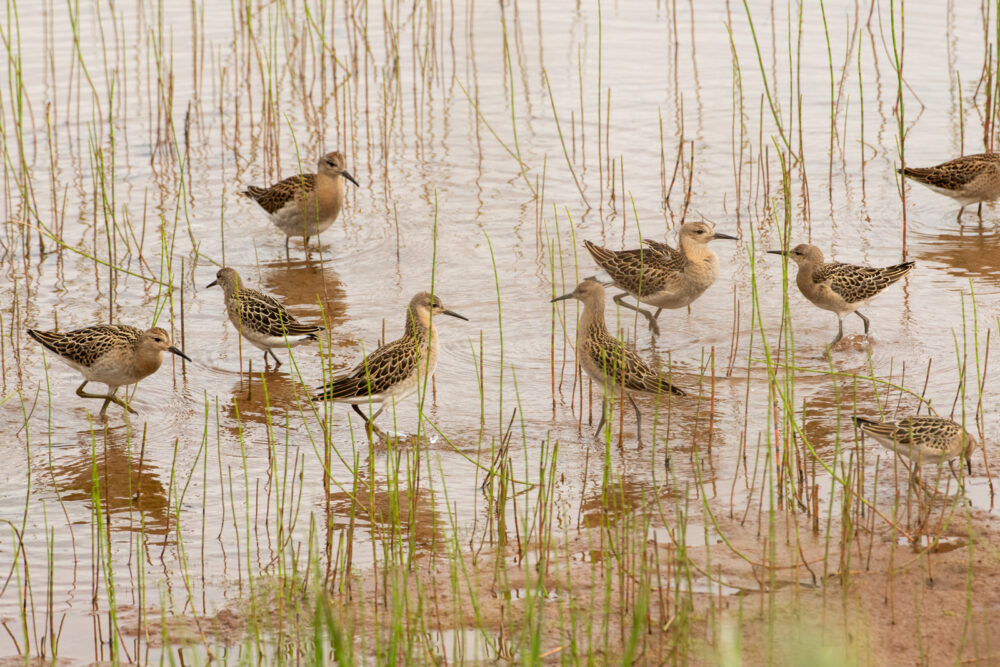
This period acts as a natural "species school." Waterfowl and waders, in particular, require a disciplined eye to distinguish between species that appear almost identical in their winter plumage. It is a time for study, for comparing wing bars, bill shapes, and subtle behavioral traits. The reward for this diligence is a deeper understanding of avian ecology that is simply not available during the loud, obvious activity of the spring.
Supporting Data: Habitat Loss and Environmental Shifts
The observations of the 2026 season highlight a growing concern: the degradation of stopover sites. Migratory birds are not just flying machines; they are biological systems that require high-quality "fueling stations."
The Impact of Land Use
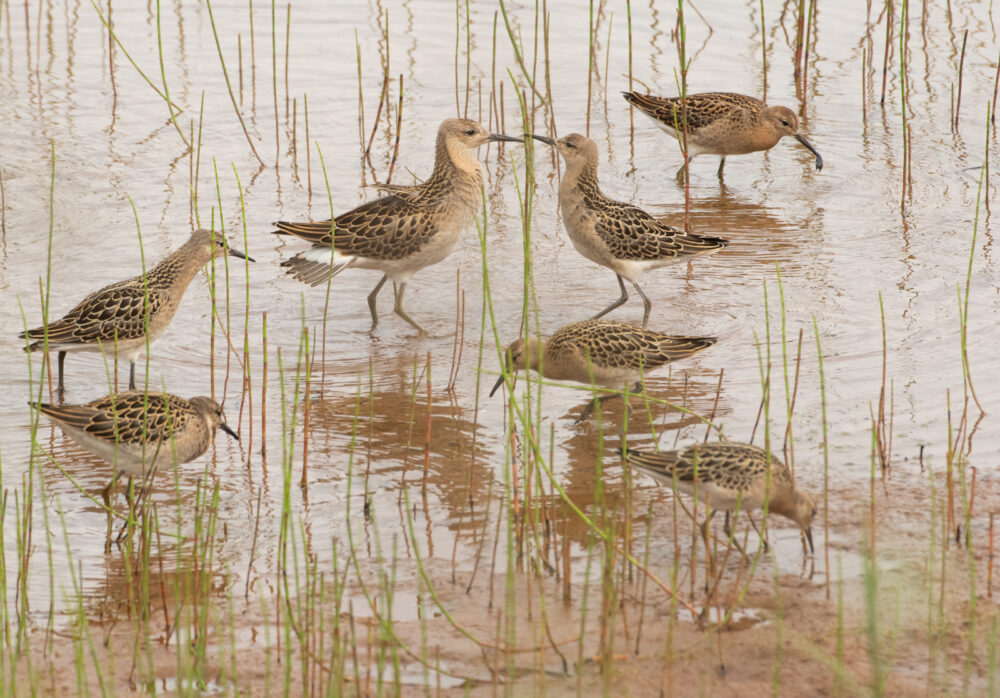
The systematic loss of wetlands and the homogenization of agricultural landscapes are forcing birds into smaller, more fragmented areas. When a traditional stopover point is drained for development or intensive farming, the birds are forced to find alternatives. This added expenditure of energy—searching for a new place to rest—can be the difference between a successful migration and exhaustion.
Population Declines
Data from recent decades paints a sobering picture. While the number of birds passing through remains high, the overall populations of many species are in steady decline. By monitoring the ratio of juveniles in the autumn flocks, researchers can make educated assessments of breeding success. Currently, these indicators suggest that for many species, the challenges encountered on the wintering grounds and along the migratory flyways are beginning to outweigh the reproductive gains made during the short northern summer.
Implications of a Changing Climate
The most significant shift observed in recent years is the lengthening of the migratory period. Birds are "viivyttelijät"—the lingerers. Because autumns are, on average, warmer and frost arrives later, many birds are choosing to delay their departure.
This has two major implications:
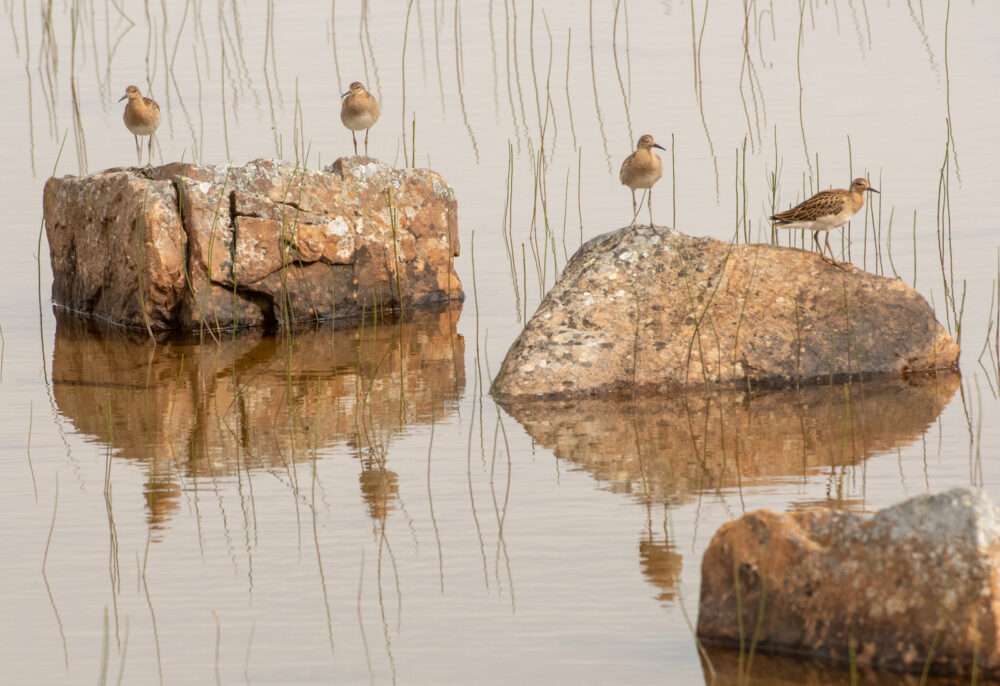
- Ecological Mismatch: If a species remains in the north too long, a sudden, sharp cold snap can be catastrophic. The birds have not necessarily evolved to handle the deep freeze of a late November, and mass mortality events can occur if they are caught off guard.
- New Wintering Patterns: Conversely, some species are establishing new wintering territories in regions they previously abandoned. For the birding community, this provides a unique opportunity to track the colonization of new ranges, but it also signals a profound alteration in the migratory instinct that has taken millennia to refine.
The Human Perspective: A Moment of Reflection
Beyond the data and the scientific challenges, there is the atmospheric reality of the season. The shortening of the days changes the rhythm of the field worker. The 6:30 a.m. arrival at a observation point, the smell of damp earth, the biting cold of the morning mist, and the eerie, beautiful silence of a landscape preparing for winter—these are the intangible rewards of the season.
The sound of the night sky, too, is a critical component of modern observation. By using audio recording equipment, birders can identify the calls of nocturnal migrants passing high overhead, often revealing a density of movement that is completely invisible to the naked eye.
A Call to Preserve the Flyway
As we look at the 2026 season, it is clear that the migration is not merely a biological event—it is a barometer of the planet’s health. The birds are signaling changes in our water management, our agricultural practices, and our climate.
To support the continued success of these incredible travelers, we must advocate for:
- Restoration of Wetlands: Small ponds created by autumn rains are vital. Protecting these, even if they seem temporary, is essential for the survival of wader populations.
- Agricultural Policy: Encouraging practices that leave stubble fields and allow for the growth of diverse plant life post-harvest.
- Continued Citizen Science: The logs kept by birders are the primary data set for tracking these long-term changes. Without the eyes of the public on the marshes, the decline of species would remain largely undocumented.
As the season moves forward, let us embrace the surprises—the unexpected appearance of a rare vagrant, the sight of a massive flock of ruffs illuminated by the golden hour light, or the simple, haunting call of a crane circling in a thermal. Autumn is a season of transition, a moment of haikea (melancholy) beauty that reminds us of the fragility and the persistence of the natural world. Whether you are a seasoned expert or a newcomer with a pair of binoculars, the sky in September and October holds stories that are waiting to be read.
Samuli Haapasalo is a researcher and contributor to the "Vuosi luonnossa" (Year in Nature) series, dedicated to documenting the changing face of the Finnish wilderness through seasonal observation and high-resolution photography.